


Primary sourceArtifact1820–1850
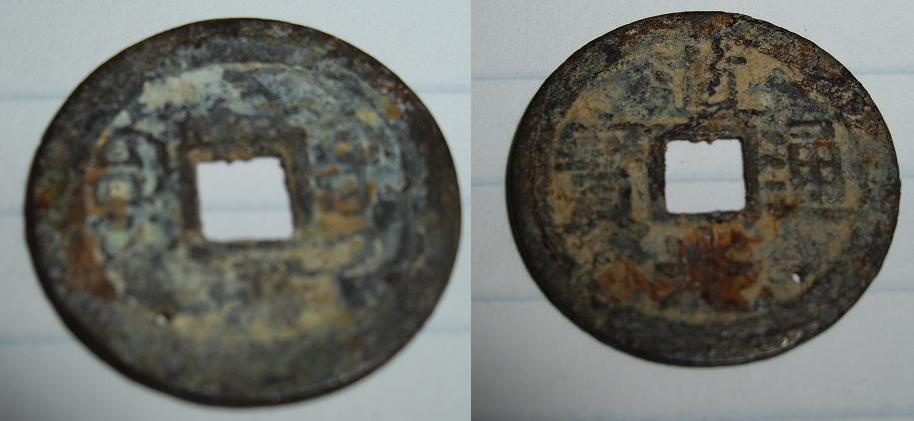
Tao-kwong Cash Coin, Daoguang Reign
1820–1850
A corroded bronze cash coin from the Daoguang Emperor's reign, shown from both sides, used as everyday currency in Qing China.
This coin was minted during the Daoguang Emperor's reign and carries his reign name.
About this source
What it is
This photograph shows both sides of a bronze cash coin from the reign of the Daoguang Emperor, who ruled from 1820 to 1850. The coin has the traditional round shape with a square hole in the center, and raised, worn characters remain visible around the hole on both the obverse and reverse. The photo was taken by a Commons contributor known as marhawkman in 2008.
Why it matters
Coins such as this one were the everyday money used across the Qing empire during Daoguang's rule. They are physical evidence of the economy and government of the period, surviving long after the paper records of the time. Because reign names were often stamped onto coins, objects like this help historians date and identify the period in which they circulated.
Look closer
- What differences do you notice between the obverse and reverse sides of the coin?
- Why do you think the coin shows signs of heavy wear and corrosion?
- What questions about daily life in this period can't a coin like this answer?
This artifact is part of the curated material that grounds the AI version of Daoguang Emperor on Humy.ai — when students ask about related events, the AI can quote it and cite it.
More Daoguang Emperor sources
Browse all 75 →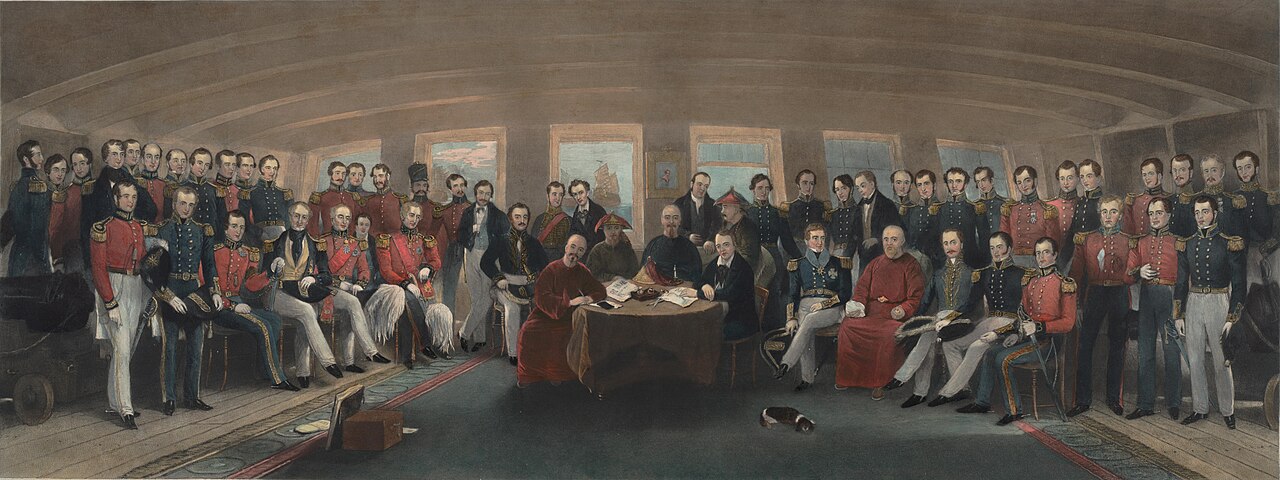 Document
Primary source
Treaty of Nanjing
29 August 1842
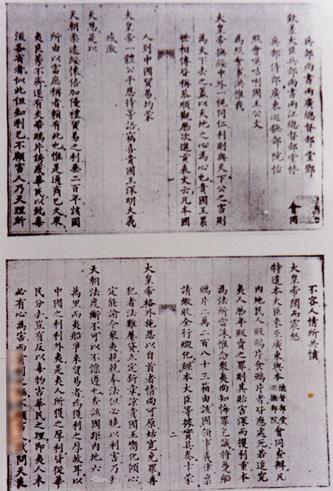 Letter
Primary source
Letter to Queen Victoria
Lin Tse-hsu · 1839
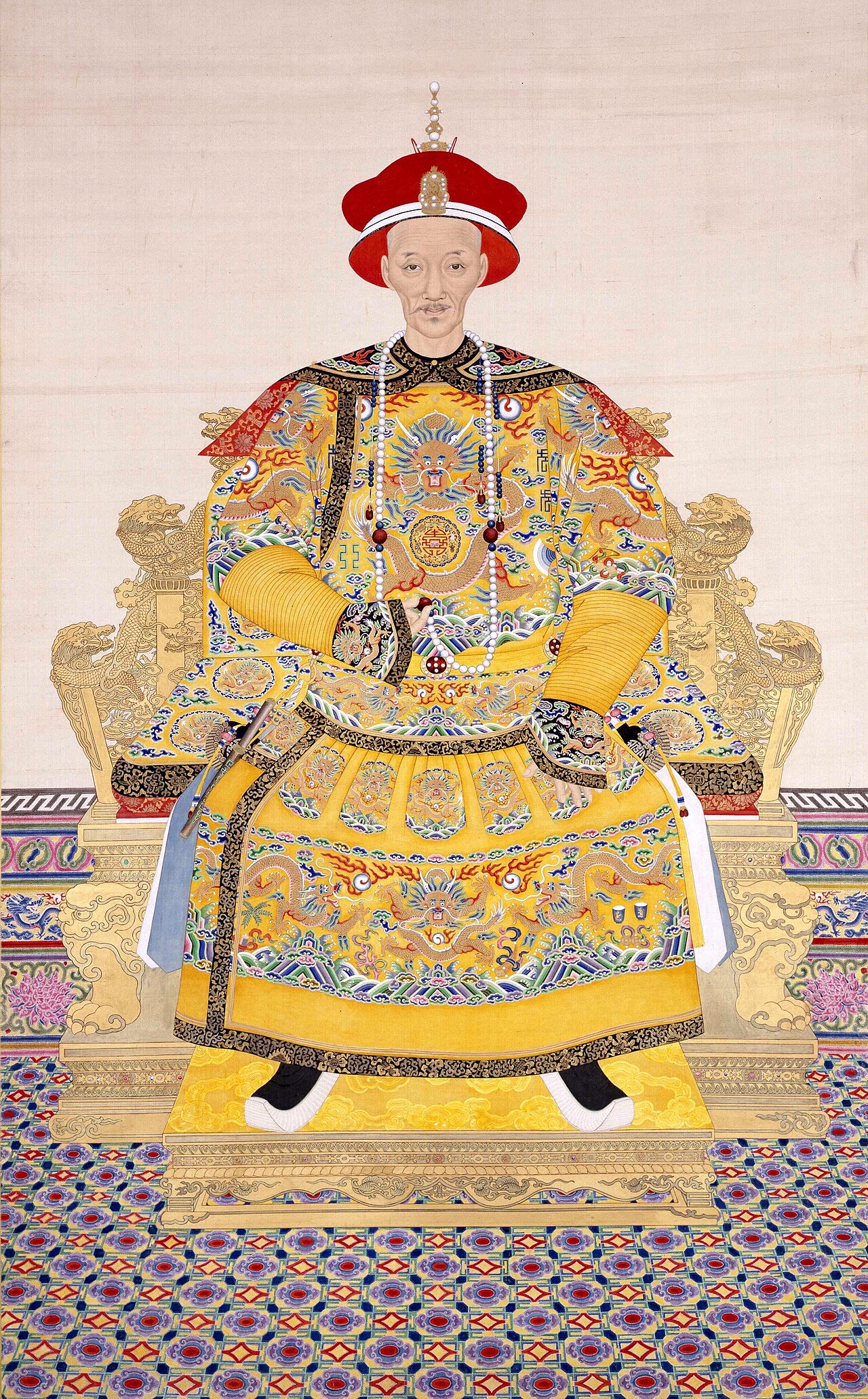 Painting
Primary source
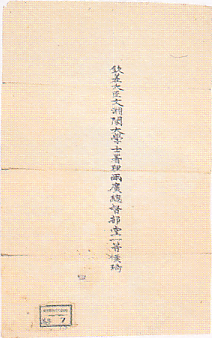
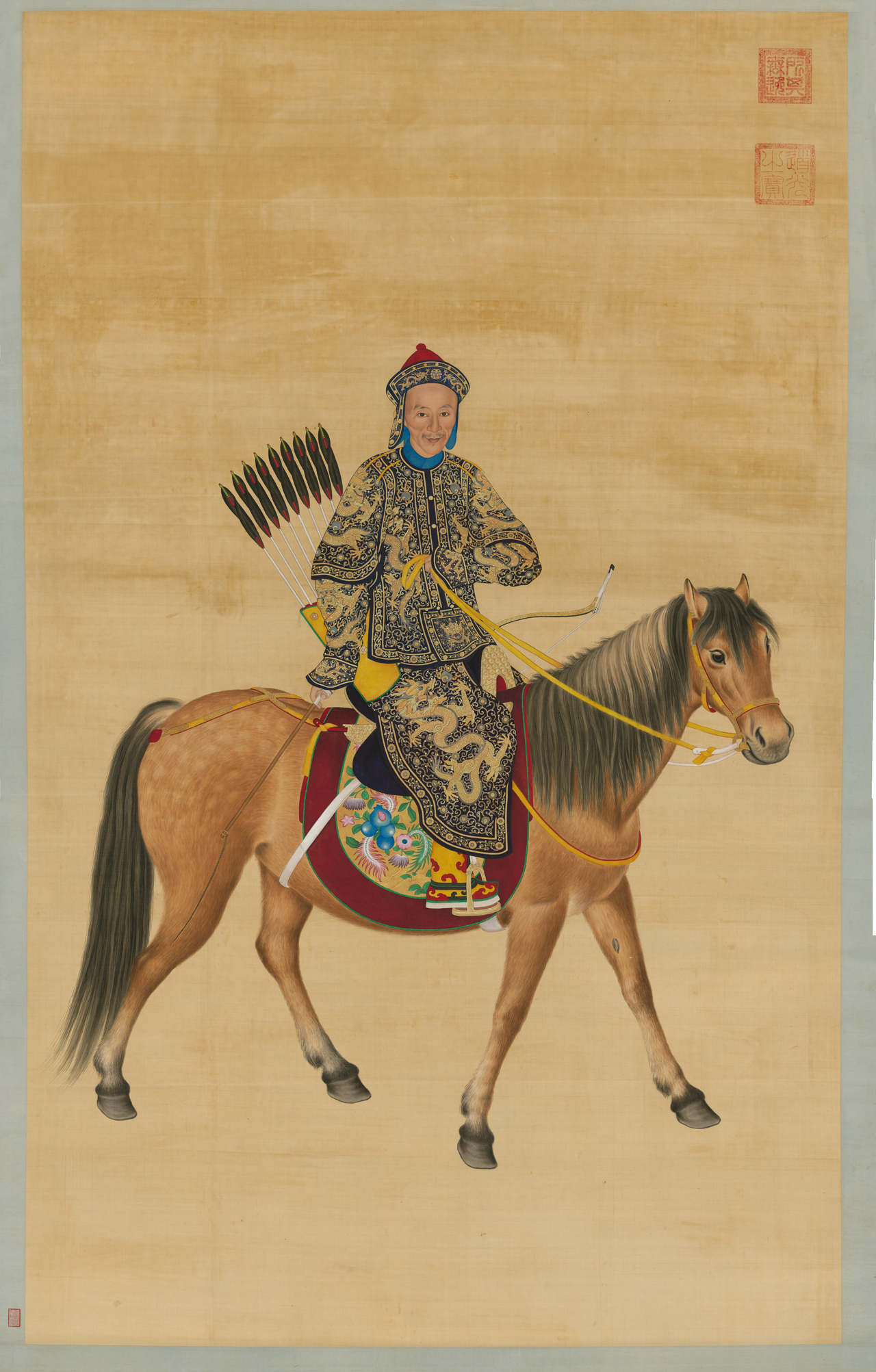
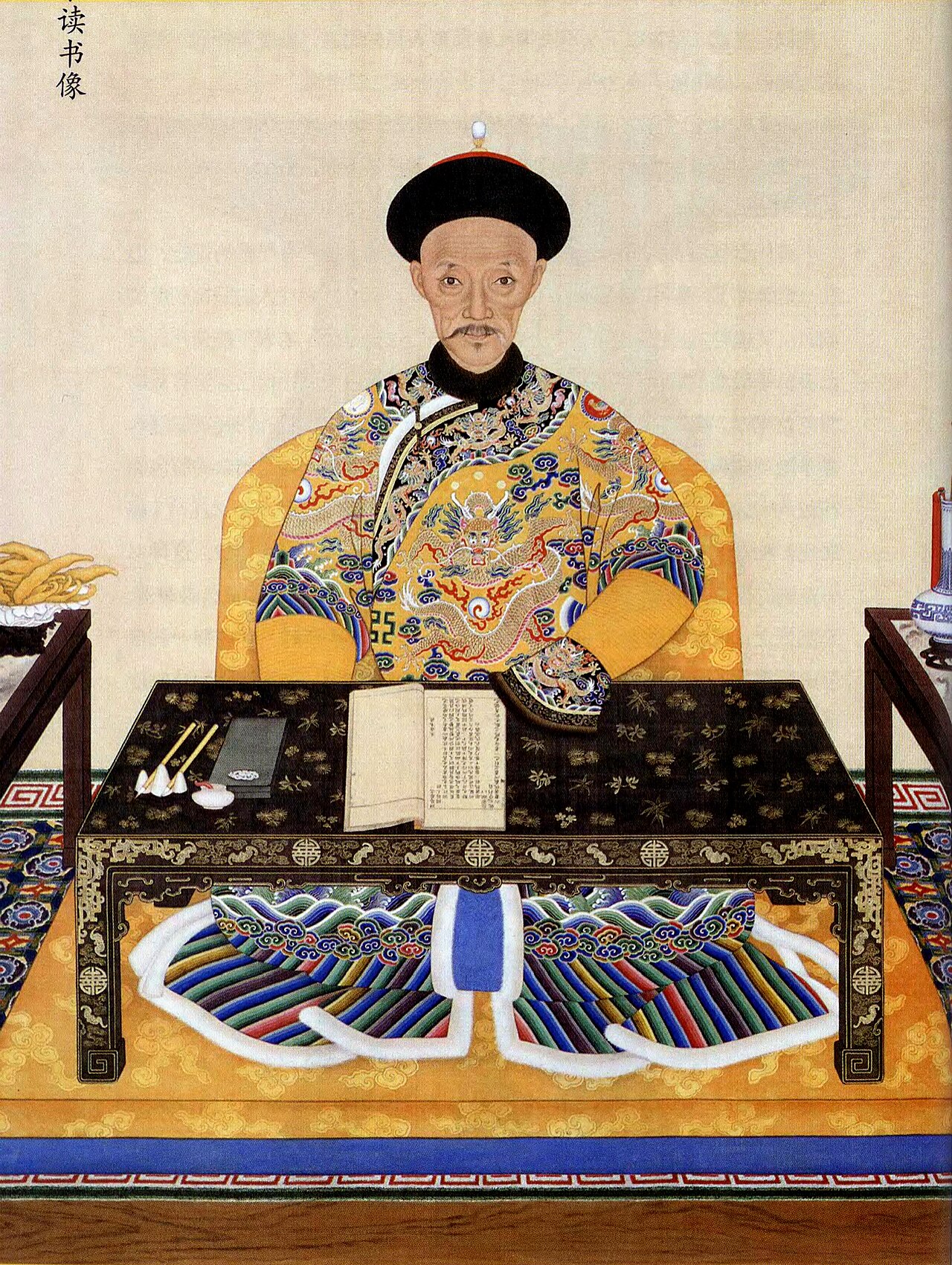
Portrait of the Daoguang Emperor in Court Dress
Anonymous Qing Dynasty Court Painter
 Document
Primary source
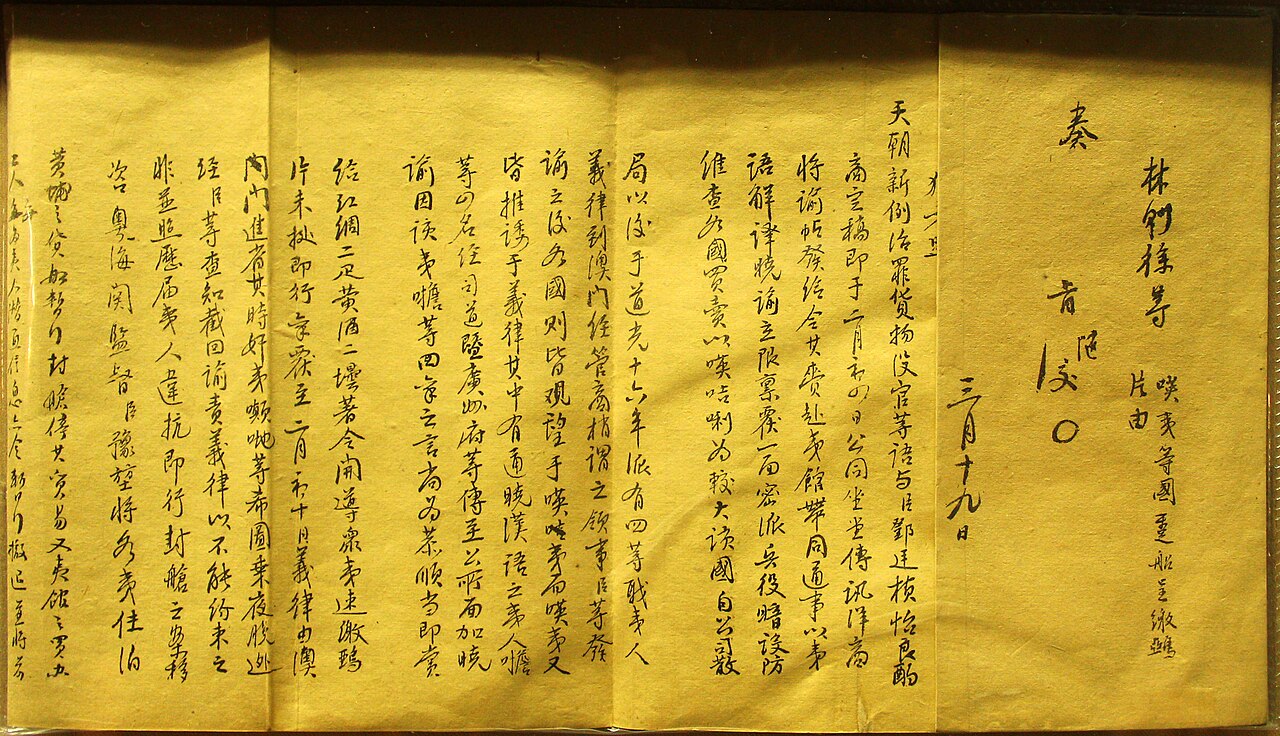
Lin Zexu's Memorial Reporting the Confiscation of Opium
Lin Zexu
Free account
Read every Daoguang Emperor source
Sign up free →
Ready when you are
Start chatting with Daoguang Emperor now.
20 messages free · No credit card · Available in 50+ languages.