


Primary sourceArtifact1894 (opened as museum)
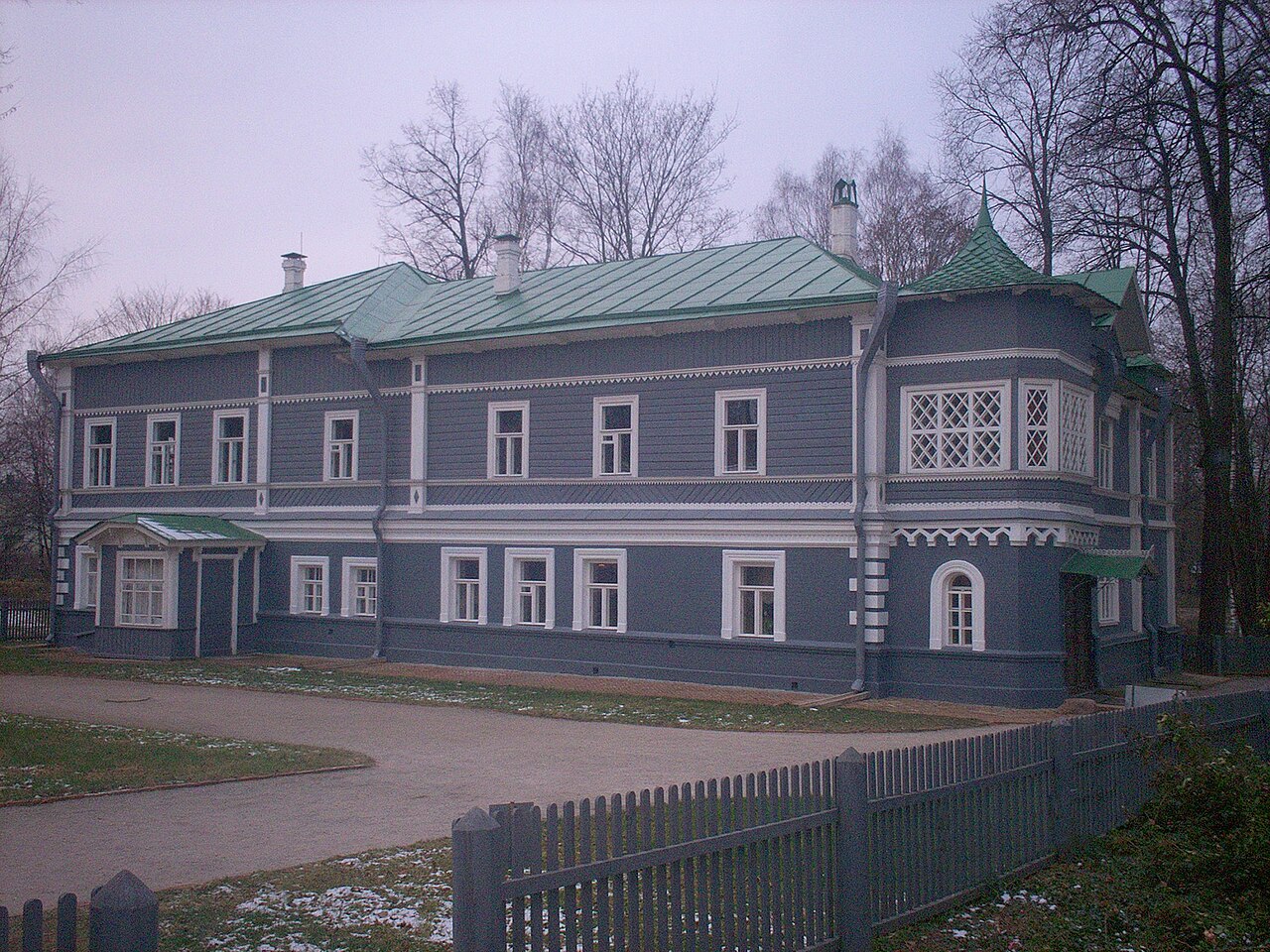
Tchaikovsky State House-Museum
1894 (opened as museum)
Tchaikovsky's country house at Klin, where he lived his final years and wrote his Sixth Symphony, now preserved as a museum.
His last home, where he composed the Sixth Symphony and which now preserves his piano, books and manuscripts.
About this source
What it is
This two-story wooden house in Klin, near Moscow, was Tchaikovsky's home from 1892 until his death in 1893. It is now a museum preserving his piano, library, writing desk and manuscripts.
Why it matters
At Klin, Tchaikovsky finished some of his best-known works, including the Sixth Symphony. The house reveals his daily habits as a composer: regular walks, quiet mornings for letters, and evenings of reading and music with guests. Portraits in his study of Anton Rubinstein and Beethoven show whose example he valued most.
Look closer
- What does the layout of the house tell you about how Tchaikovsky worked and lived?
- Why might a composer need solitude and routine to create music?
- What has been preserved here, and what parts of his daily life might a museum not be able to show?
This artifact is part of the curated material that grounds the AI version of Pyotr Ilyich Tchaikovsky on Humy.ai — when students ask about related events, the AI can quote it and cite it.
More Pyotr Ilyich Tchaikovsky sources
Meet the AI Pyotr Ilyich Tchaikovsky →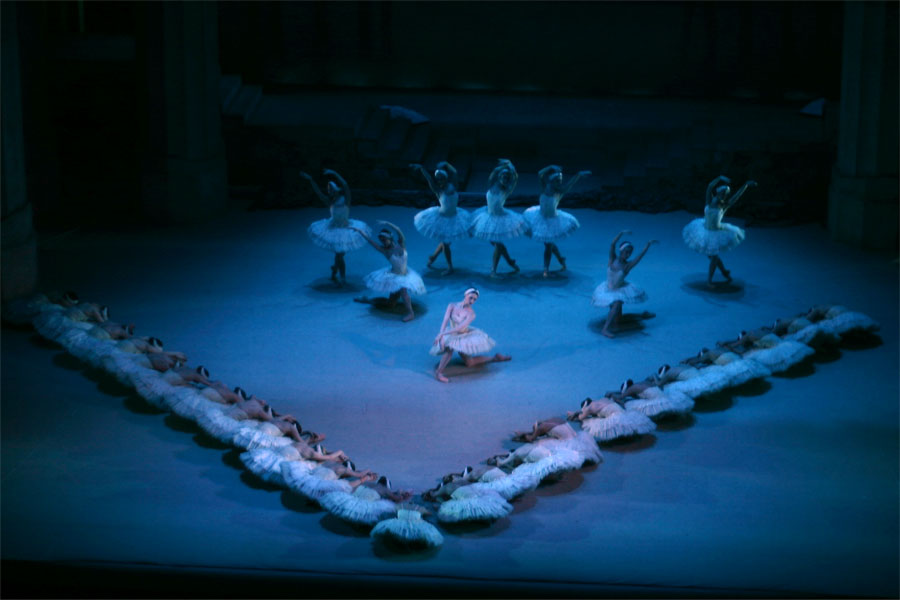 Artifact
Secondary source
Swan Lake
Pyotr Ilyich Tchaikovsky · 1875–1876
 Artifact
Secondary source
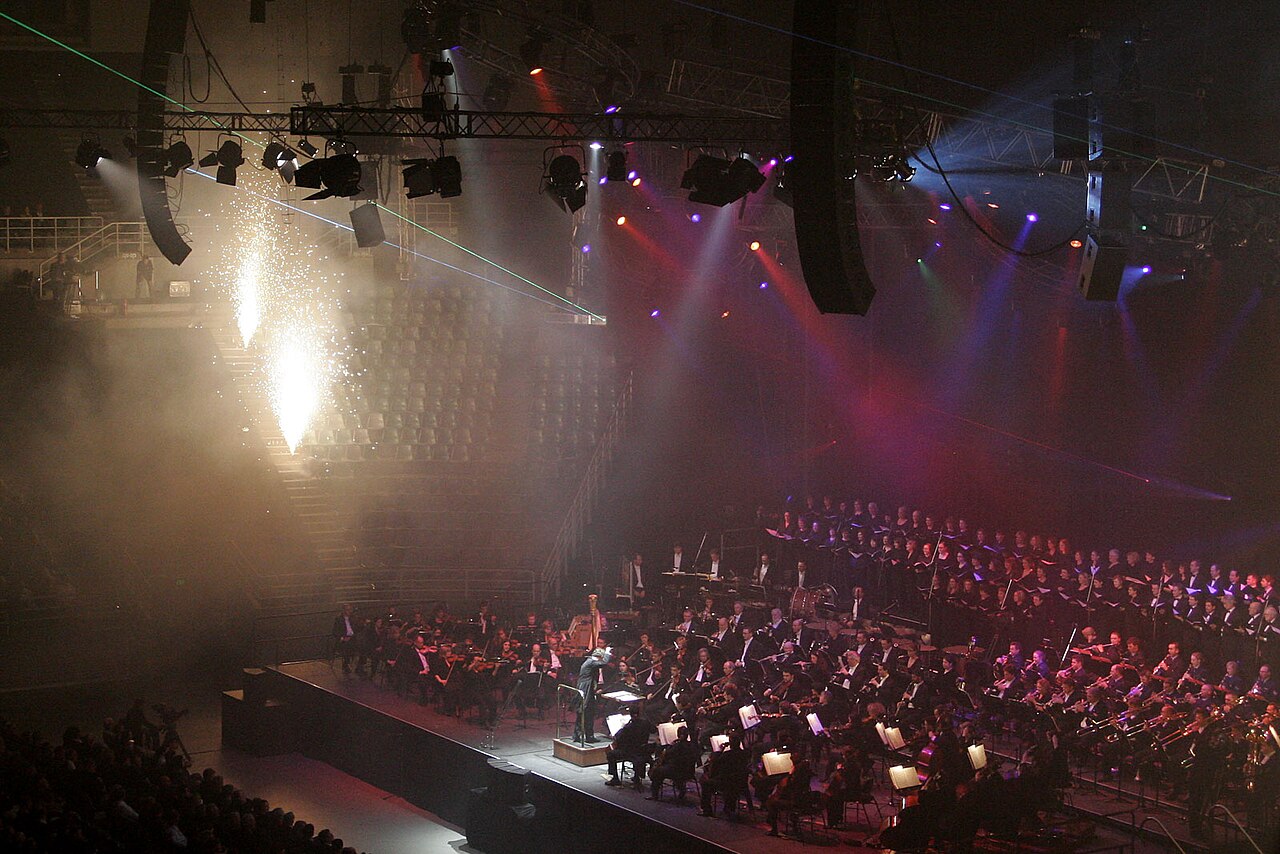
1812 Overture
Pyotr Ilyich Tchaikovsky · 1880
 Artifact
Primary source
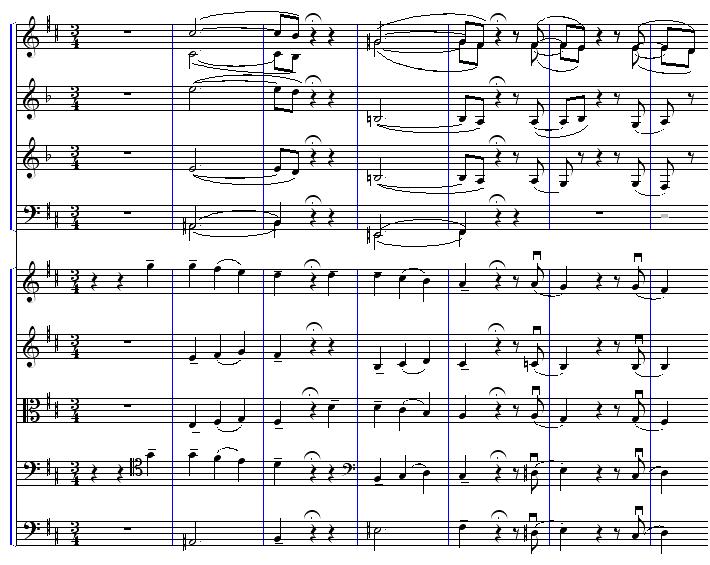
Symphony No. 6 (Pathétique)
Pyotr Ilyich Tchaikovsky · 1893
Primary source
Tchaikovsky & Anton Rubinstein & Friends
Julius Block · 1890
 Artifact
Primary source
Eugene Onegin
Pyotr Ilyich Tchaikovsky · 1877–1878
Ready when you are
Start chatting with Pyotr Ilyich Tchaikovsky now.
20 messages free · No credit card · Available in 50+ languages.