


Primary sourceArtifact1500s
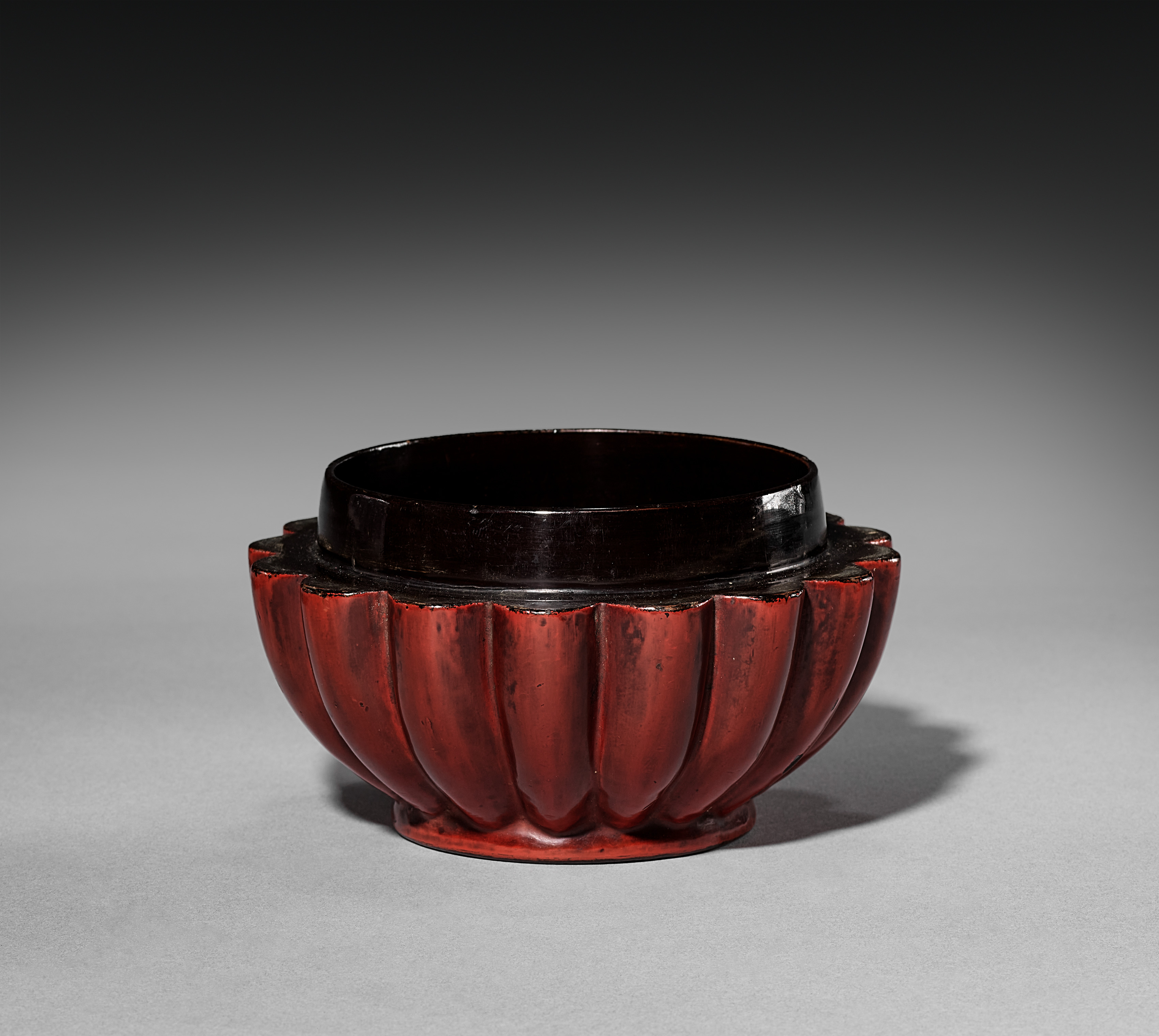
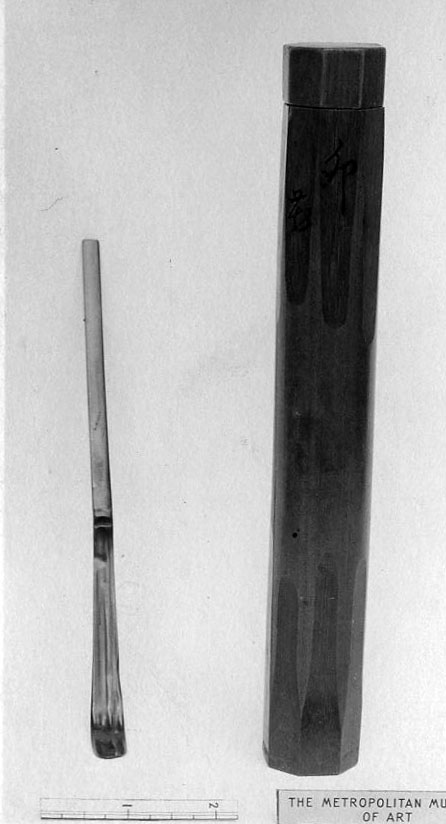
Tea Caddy in Negoro Lacquer
1500s
A sixteenth-century lacquered wooden tea caddy from the Muromachi period, representing utensils from Sen no Rikyū's era.
Represents the type of lacquered tea utensil used in the tea ceremony culture during Rikyū's lifetime.
About this source
What it is
This tea caddy is made of wood covered in Negoro lacquer, a technique named after the Negoro temple in Japan, where red lacquer is layered over black. It dates from the 1500s, during the Muromachi period, and is held at The Cleveland Museum of Art.
Why it matters
Through years of handling, Negoro lacquer develops a mixed red-and-black surface that was highly prized in Japan. Objects like this fit into the world of tea ceremony utensils that Sen no Rikyū helped elevate into refined, aesthetic objects, prizing natural wear and simple materials.
Look closer
- How do you think the mixed red and black pattern on the surface formed?
- Why might a worn, handled object be considered more beautiful than a brand-new one in this tradition?
- What does this object not tell us about who specifically used it?
This artifact is part of the curated material that grounds the AI version of Sen no Rikyū on Humy.ai — when students ask about related events, the AI can quote it and cite it.
More Sen no Rikyū sources
Browse all 27 →
Ready when you are
Start chatting with Sen no Rikyū now.
20 messages free · No credit card · Available in 50+ languages.