


Secondary sourceArtifact
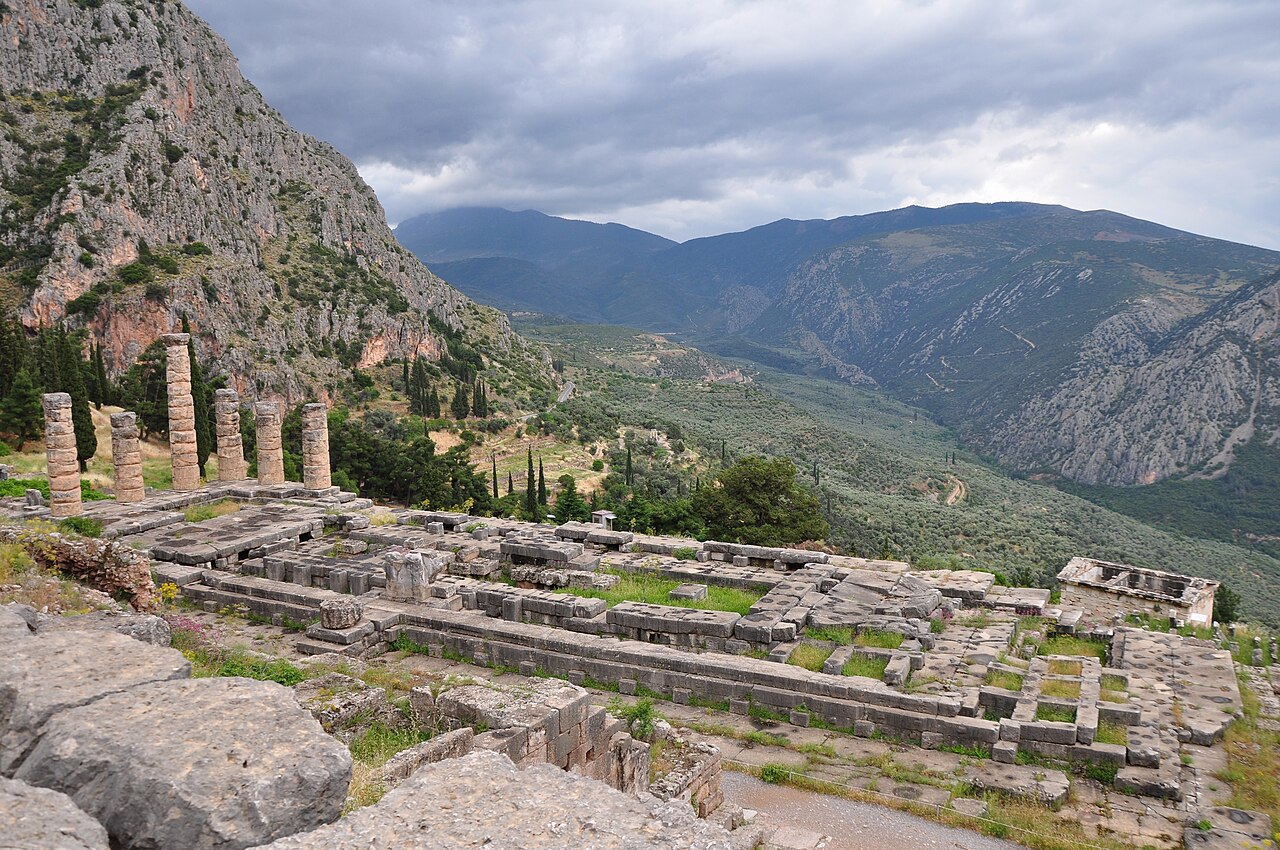
Temple of Apollo at Delphi
The ruined sanctuary at Delphi where the maxim 'know thyself', attributed to Thales, was inscribed in the forecourt.
The maxim 'know thyself', attributed to Thales, was inscribed in this temple's forecourt, linking him to Delphi's cultural authority.
About this source
What it is
The Temple of Apollo at Delphi was a major religious sanctuary in ancient Greece dedicated to the god Apollo. Several temples were built on the site over centuries; the ruins visible today are from a temple of the 4th century BC, which stood until its destruction in 390 AD. The site also housed the famous oracle, the Pythia.
Why it matters
The saying 'know thyself,' traditionally attributed to Thales among other wise men, was inscribed in the temple's forecourt. This connects Thales to the wider world of Greek religious and philosophical culture, where sayings from early thinkers were treated as timeless wisdom worth displaying at the most sacred sites in Greece.
Look closer
- Why might a philosopher's saying be inscribed at a religious site rather than in a book?
- What does the survival of only ruins tell us about how much we can know about the temple's original decoration?
- Why do you think 'know thyself' was considered important enough to display publicly?
This artifact is part of the curated material that grounds the AI version of Thales of Miletus on Humy.ai — when students ask about related events, the AI can quote it and cite it.
More Thales of Miletus sources
Browse all 76 → Book
Secondary source
Metaphysics
Aristotle · c. 400 BCE
 Book
Secondary source
Histories
Herodotus · c. 440 BCE
 Book
Secondary source
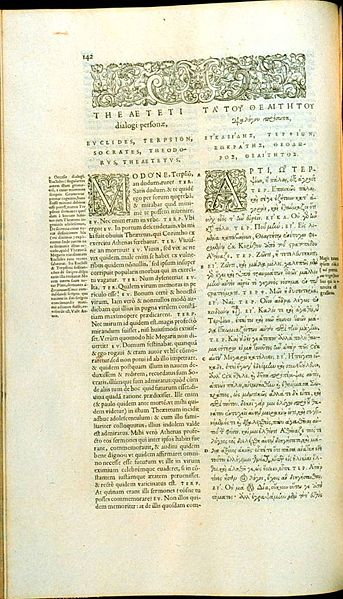
Theaetetus
Plato · early-to-middle 4th century BCE (this edition 1578)
 Book
Primary source
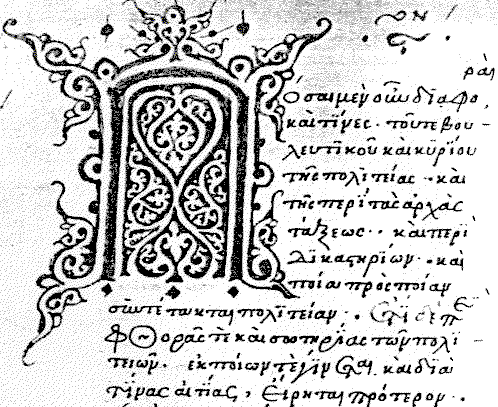
Politics
Aristotle · 4th century BCE
Free account
Read every Thales of Miletus source
Sign up free →
Ready when you are
Start chatting with Thales of Miletus now.
20 messages free · No credit card · Available in 50+ languages.