


Primary sourceArtifact1406–1420
Temple of Heaven
Ming imperial builders · 1406–1420
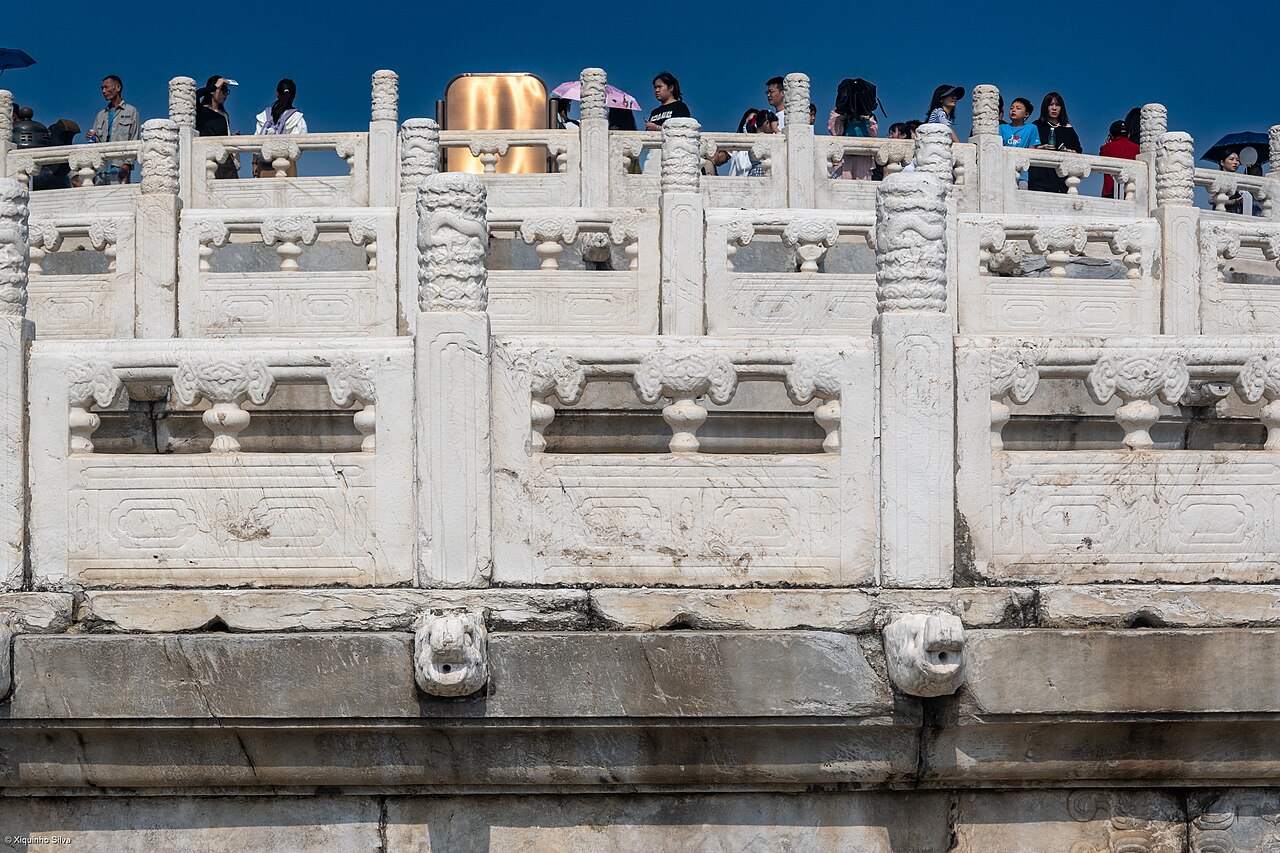
A ritual complex built by the Yongle Emperor in Beijing for performing the imperial sacrifices to Heaven that legitimised his rule.
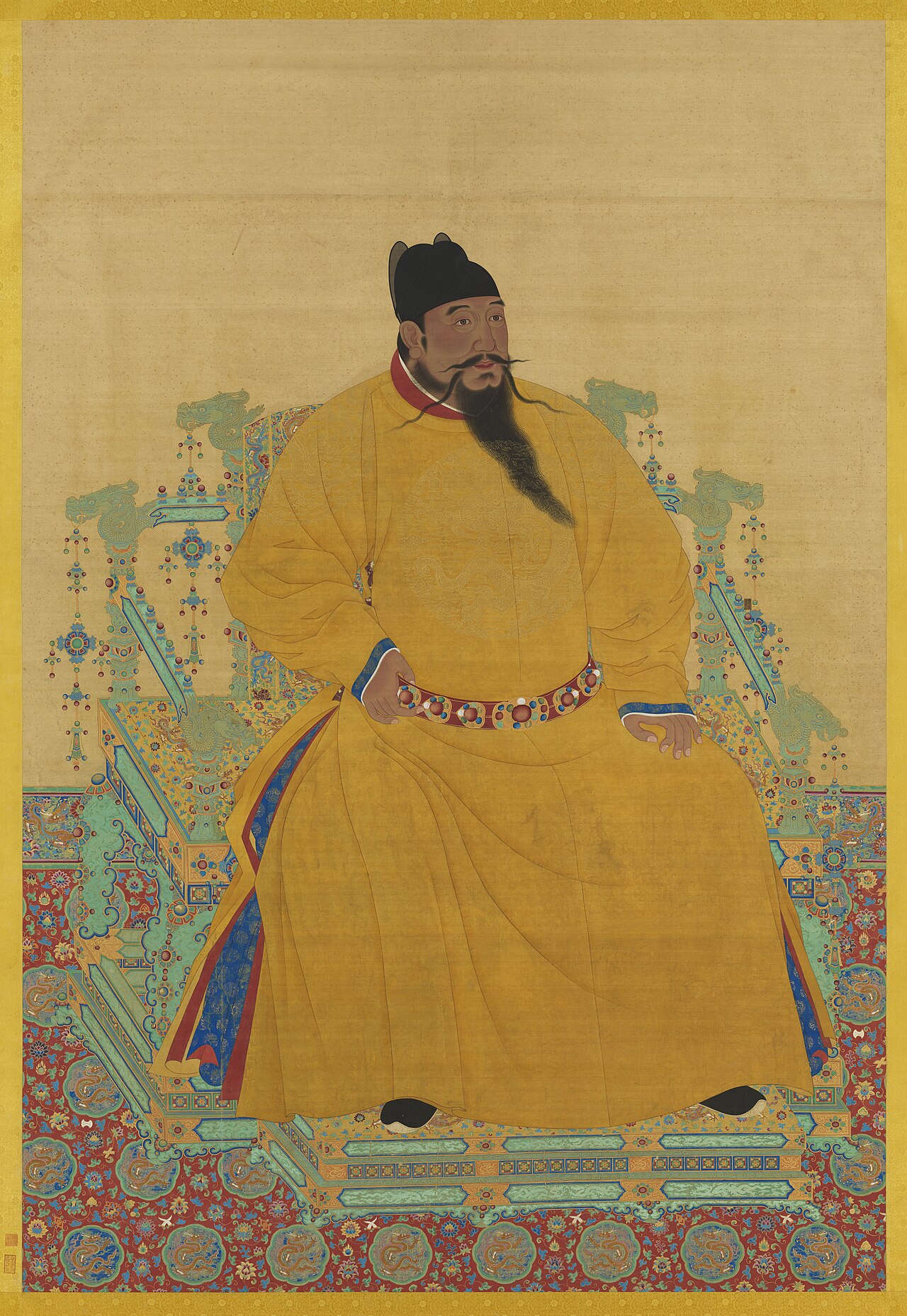
He commissioned this complex to perform the sacrifices to Heaven that legitimised his rule as emperor.
About this source
What it is
The Temple of Heaven is a complex of religious buildings in Beijing, built by Ming imperial builders between 1406 and 1420. It was commissioned as part of the construction of the new capital under the Yongle Emperor, and later Qing emperors also used it for annual ceremonies praying for good harvests.
Why it matters
The temple reflects the central place of ritual in Chinese rule: by performing the sacrifices to Heaven here, the emperor connected his own authority to the cosmic order. Its careful design, symbolizing the relationship between heaven and earth, shows how deeply ideas of legitimacy and cosmology shaped Ming architecture and planning.
Look closer
- Why would an emperor need a special place to perform religious ceremonies, rather than doing so anywhere?
- What does the complex's design tell you about how the Chinese imagined the relationship between heaven, earth, and the ruler?
- Why do you think later dynasties continued using a building built by an earlier emperor?
This artifact is part of the curated material that grounds the AI version of Yongle Emperor on Humy.ai — when students ask about related events, the AI can quote it and cite it.
More Yongle Emperor sources
Meet the AI Yongle Emperor →
Ready when you are
Start chatting with Yongle Emperor now.
20 messages free · No credit card · Available in 50+ languages.