


Secondary sourcePaintingc. 1482
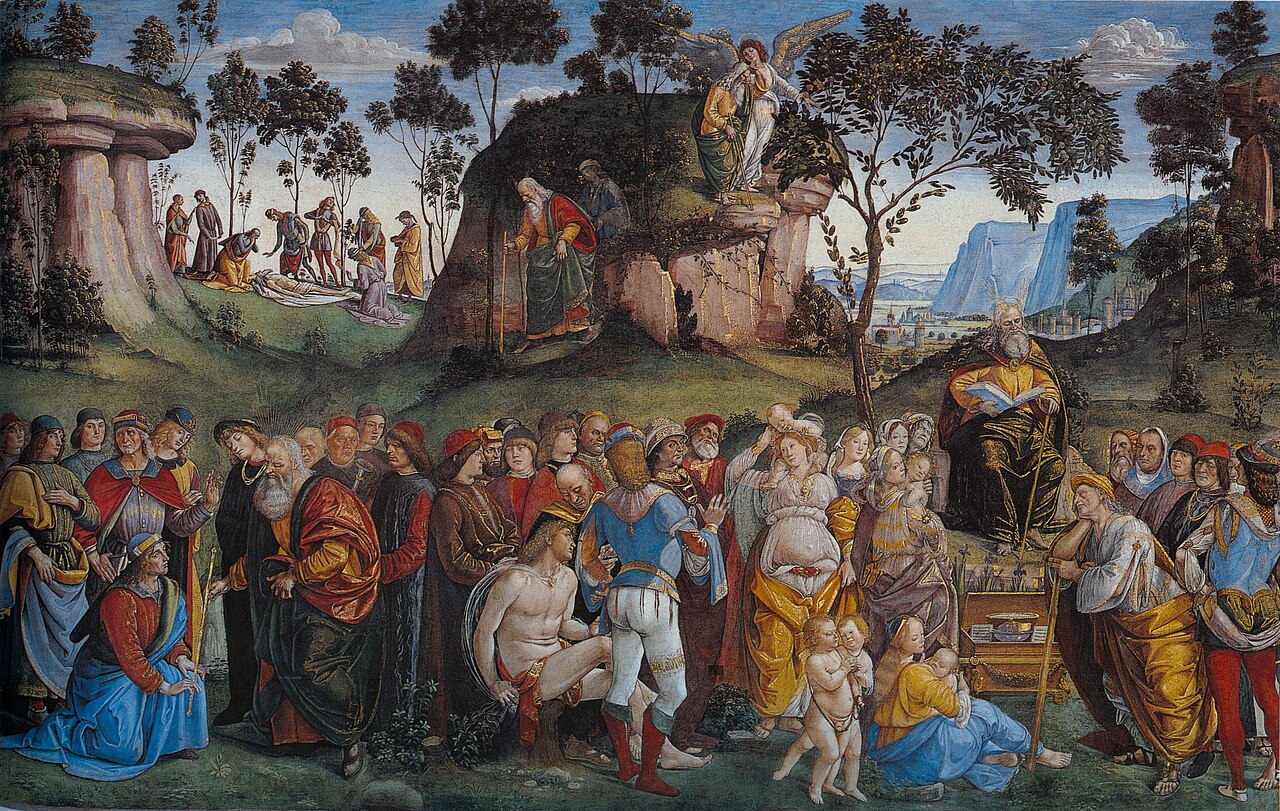
Testament and Death of Moses
Luca Signorelli and Bartolomeo della Gatta · c. 1482
A 1482 Sistine Chapel fresco by Luca Signorelli and Bartolomeo della Gatta showing the final days and death of Moses.
This fresco depicts the final events of Moses's life, including his death and the appointment of Joshua.
Free Humy account · No credit card · 120,912 sources to read
About this source
What it is
This fresco, painted around 1482 and attributed to Luca Signorelli and Bartolomeo della Gatta, decorates the Sistine Chapel in Rome. It shows several scenes from the end of Moses's life: being shown the Promised Land on Mount Nebo, descending the mountain, addressing the Israelites, appointing Joshua as his successor, and finally his death and burial.
Why it matters
The fresco was part of a cycle pairing scenes from the life of Moses with scenes from the life of Christ, meant to show continuity between the Old and New Testaments and to support the authority of the popes as successors to Peter. It reveals how Renaissance Rome used Moses's story to make political and religious arguments about church leadership.
Look closer
- Why do you think the artists placed several different moments from Moses's story in a single scene?
- What might the choice to show Moses handing power to Joshua suggest about the fresco's political message?
- How does the painting's style and detail reflect the artists who created it rather than any first-hand account of Moses?
This painting is part of the curated material that grounds the AI version of Moses on Humy.ai — when students ask about related events, the AI can quote it and cite it.
More Moses sources
Browse all 85 →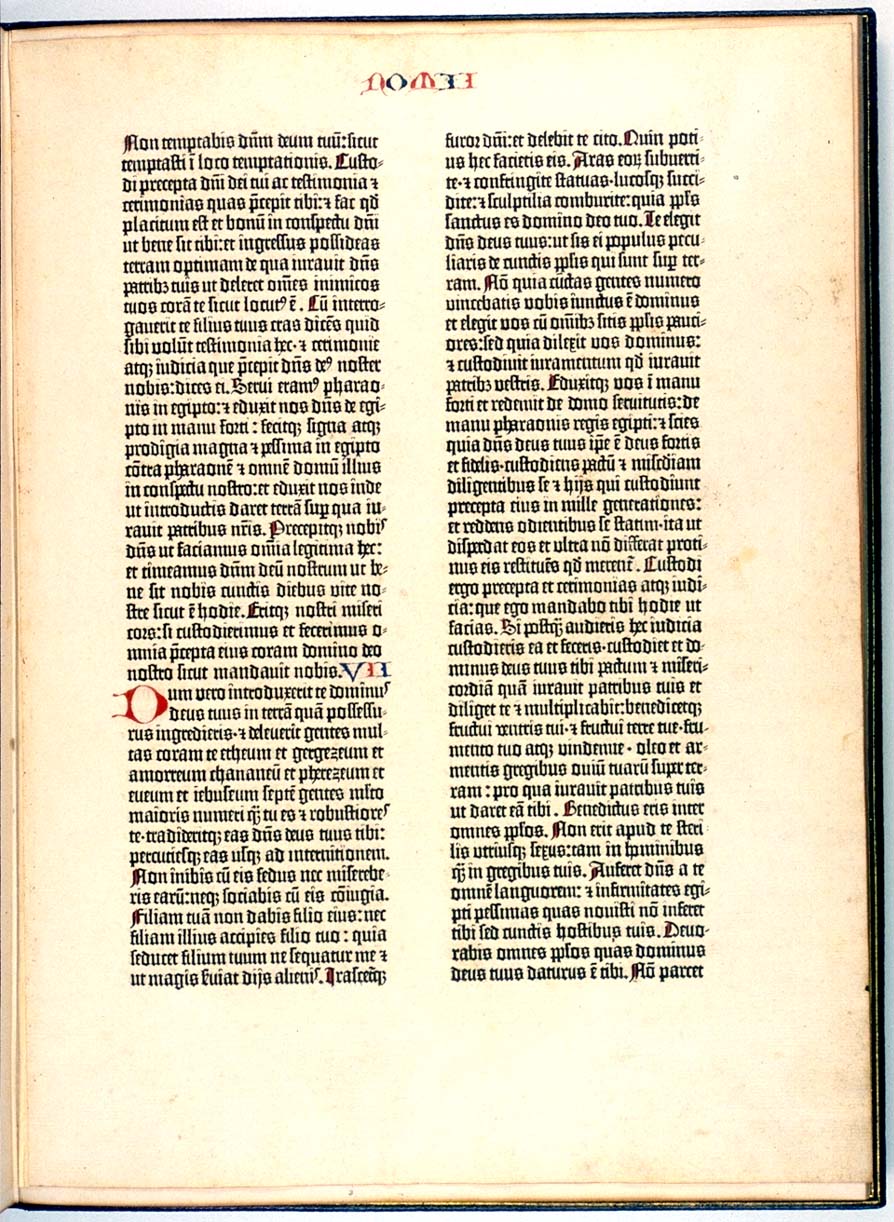 Book
Secondary source
Deuteronomy
Deuteronomist · 7th–5th century BCE
 Artifact
Primary source
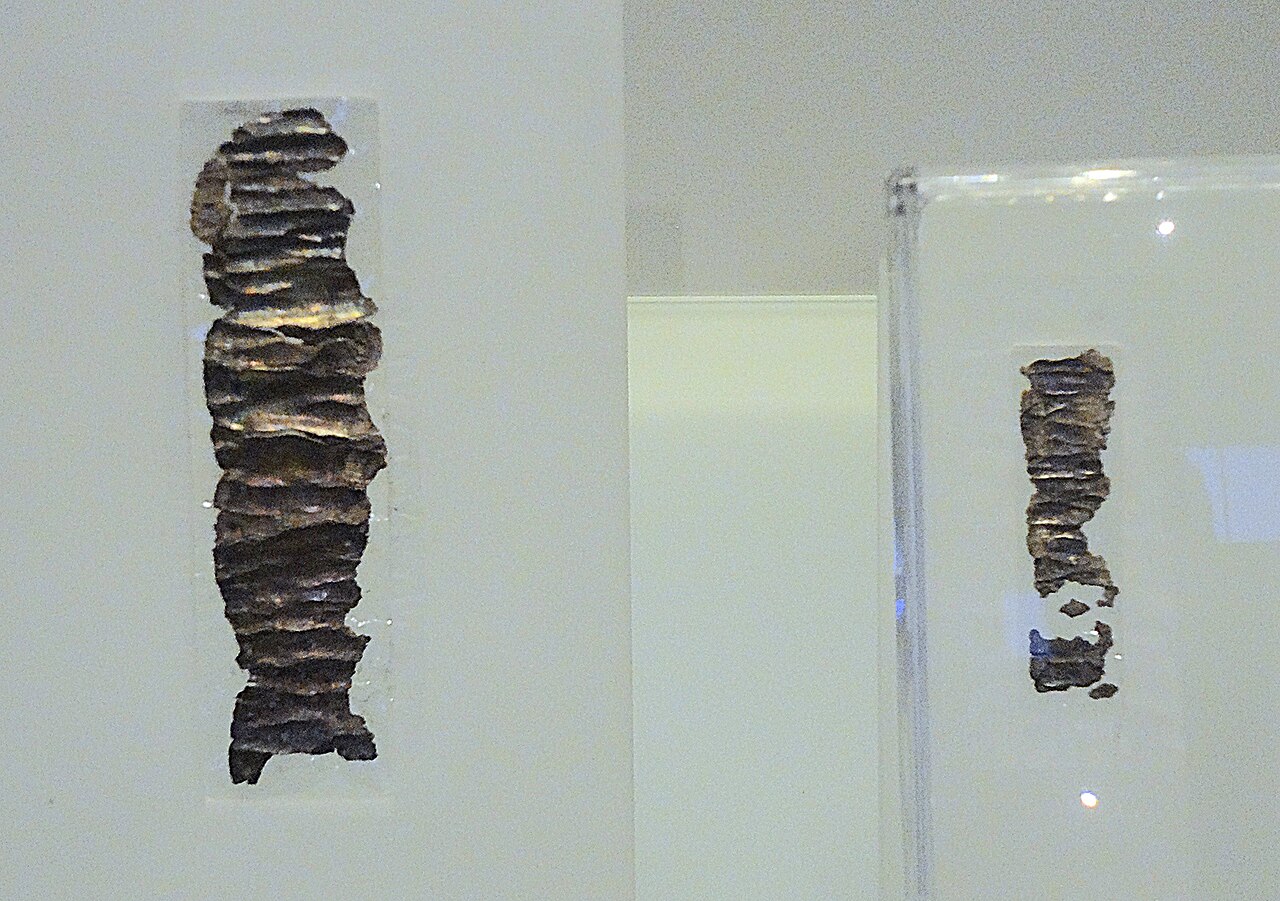
Ketef Hinnom scrolls
c. 600 BCE
 Sculpture
Primary source
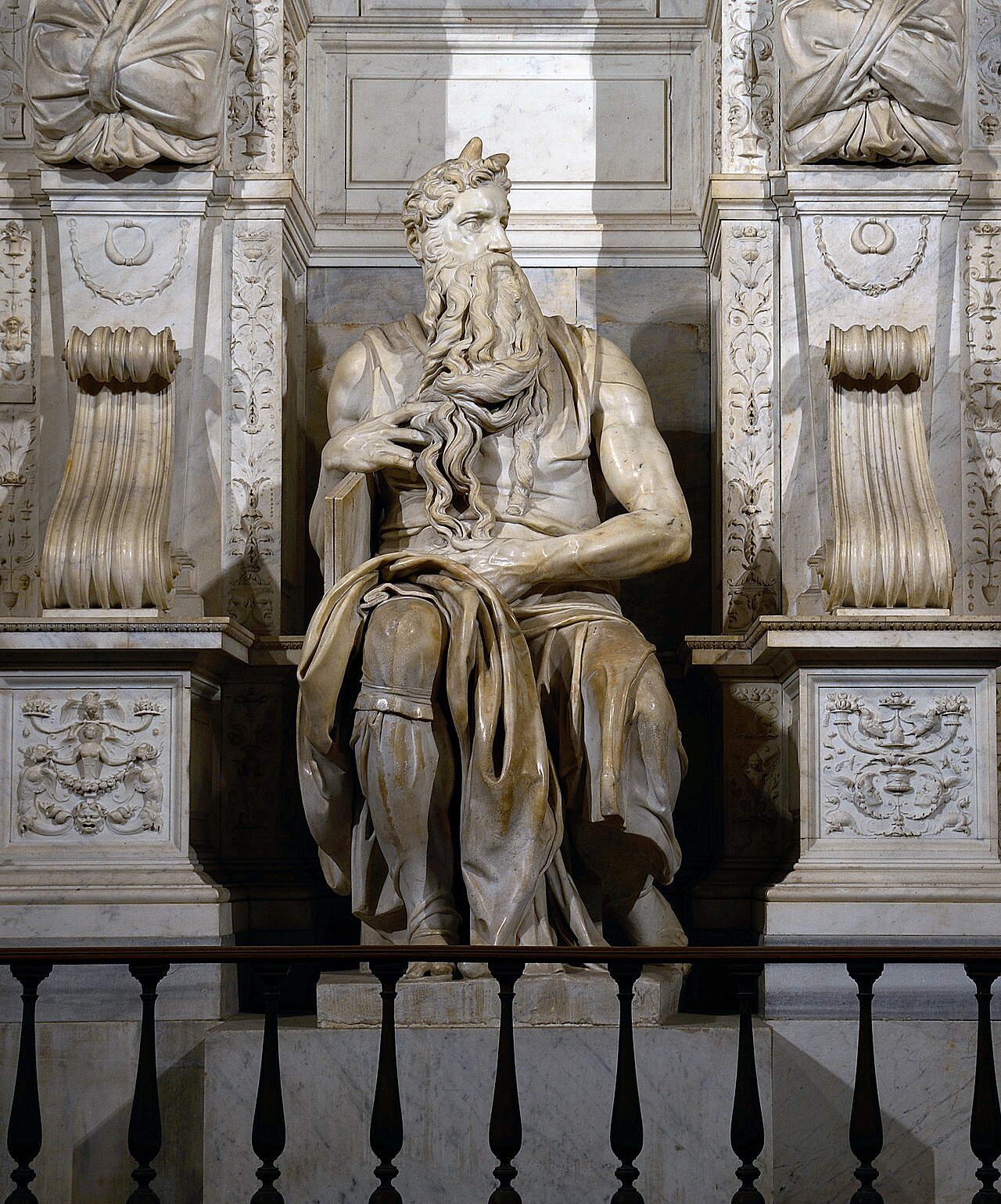
Moses
Michelangelo · c. 1513-1515
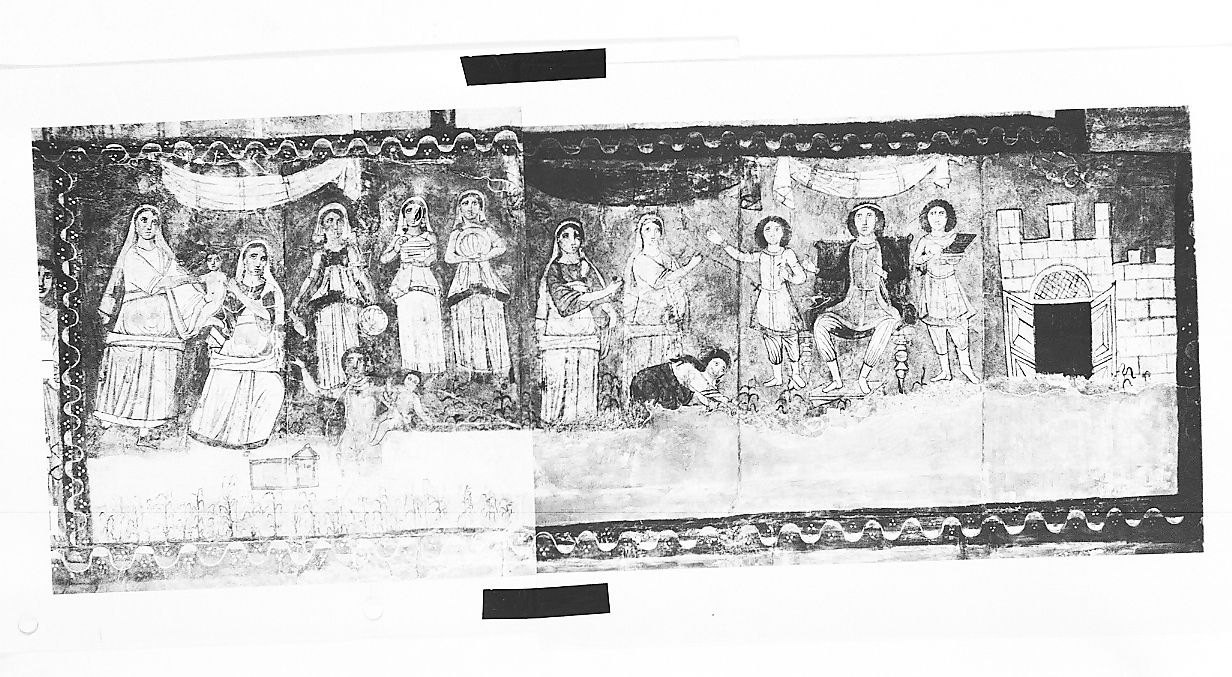 Painting
Secondary source
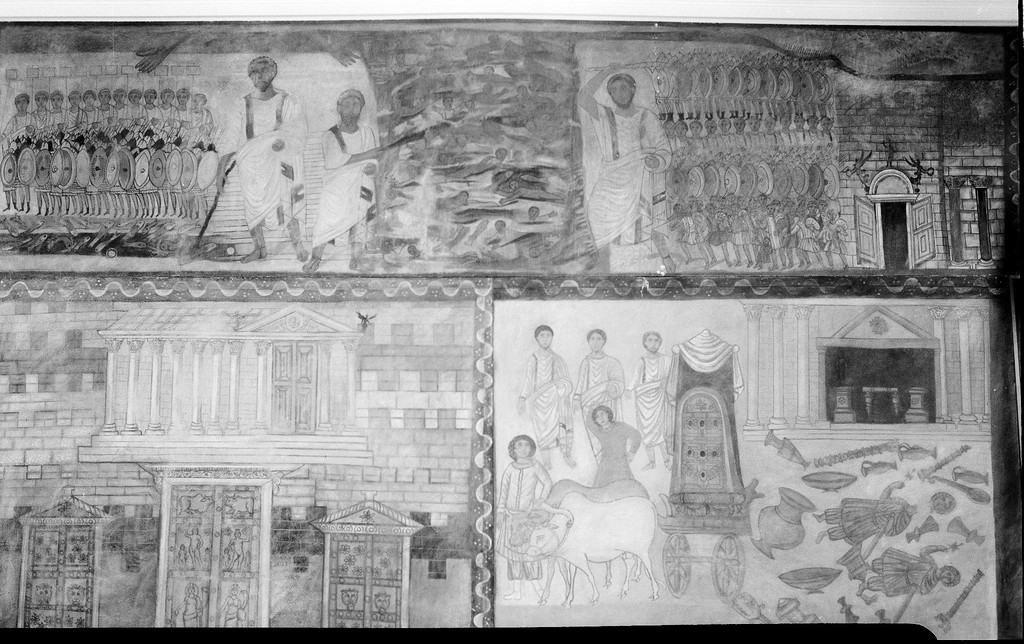
Iconographic Scene WC4, Dura-Europos Synagogue
240 CE
Free account
Read every Moses source
Sign up free →
Ready when you are
Start chatting with Moses now.
20 messages free · No credit card · Available in 50+ languages.