


Primary sourceDocument1911
Testament of Auguste Rodin
Auguste Rodin · 1911
Rodin's own written testament from 1911, in which he offers advice to young artists and reflects on art, nature and tradition.
Rodin's own testament, written in his own words, revealing his values and advice to future artists near the end of his life.
Free Humy account · No credit card · 120,912 sources to read
About this source
What it is
This is a written testament by Auguste Rodin, dated 1911, in the original French. In it, Rodin addresses young artists directly, giving advice on devotion to nature, respect for past masters such as Phidias and Michelangelo, and the importance of sincerity in art. The text is held as part of his collected works.
Why it matters
This testament lets readers hear Rodin's own voice near the end of his life, as he reflects on what mattered most to him as an artist and what he wished to pass on to the next generation. It reveals his deep respect for both nature and artistic tradition, and his belief that truth, not imitation, should guide young artists.
Look closer
- What advice does Rodin give to young artists, and why might he have felt it important to write this down?
- How does Rodin describe nature, and what does this tell us about his own artistic philosophy?
- Why might an artist choose to leave behind a written testament rather than relying only on their artworks?
This document is part of the curated material that grounds the AI version of Auguste Rodin on Humy.ai — when students ask about related events, the AI can quote it and cite it.
More Auguste Rodin sources
Browse all 98 →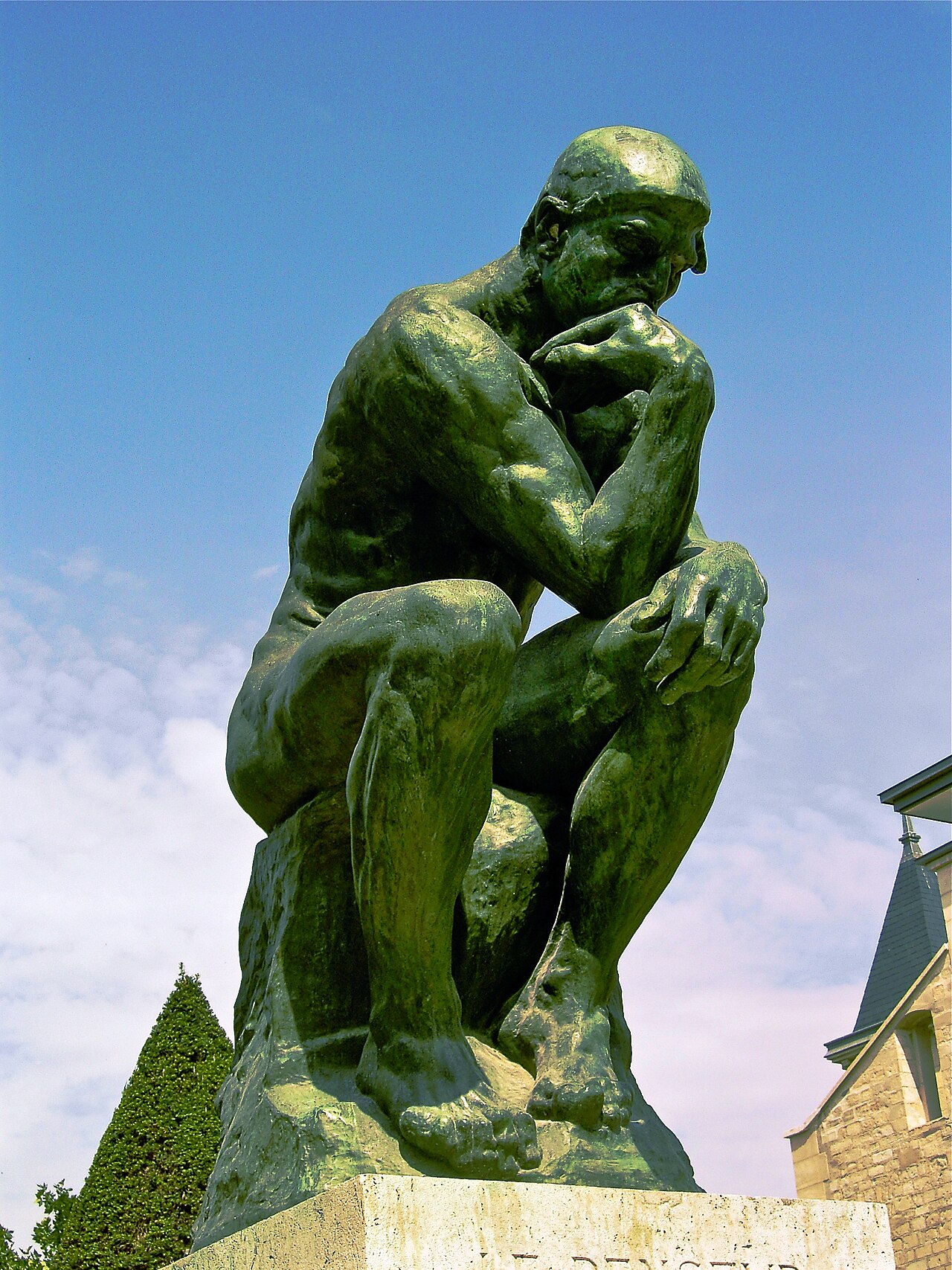 Sculpture
Secondary source
The Thinker
Auguste Rodin · 1882
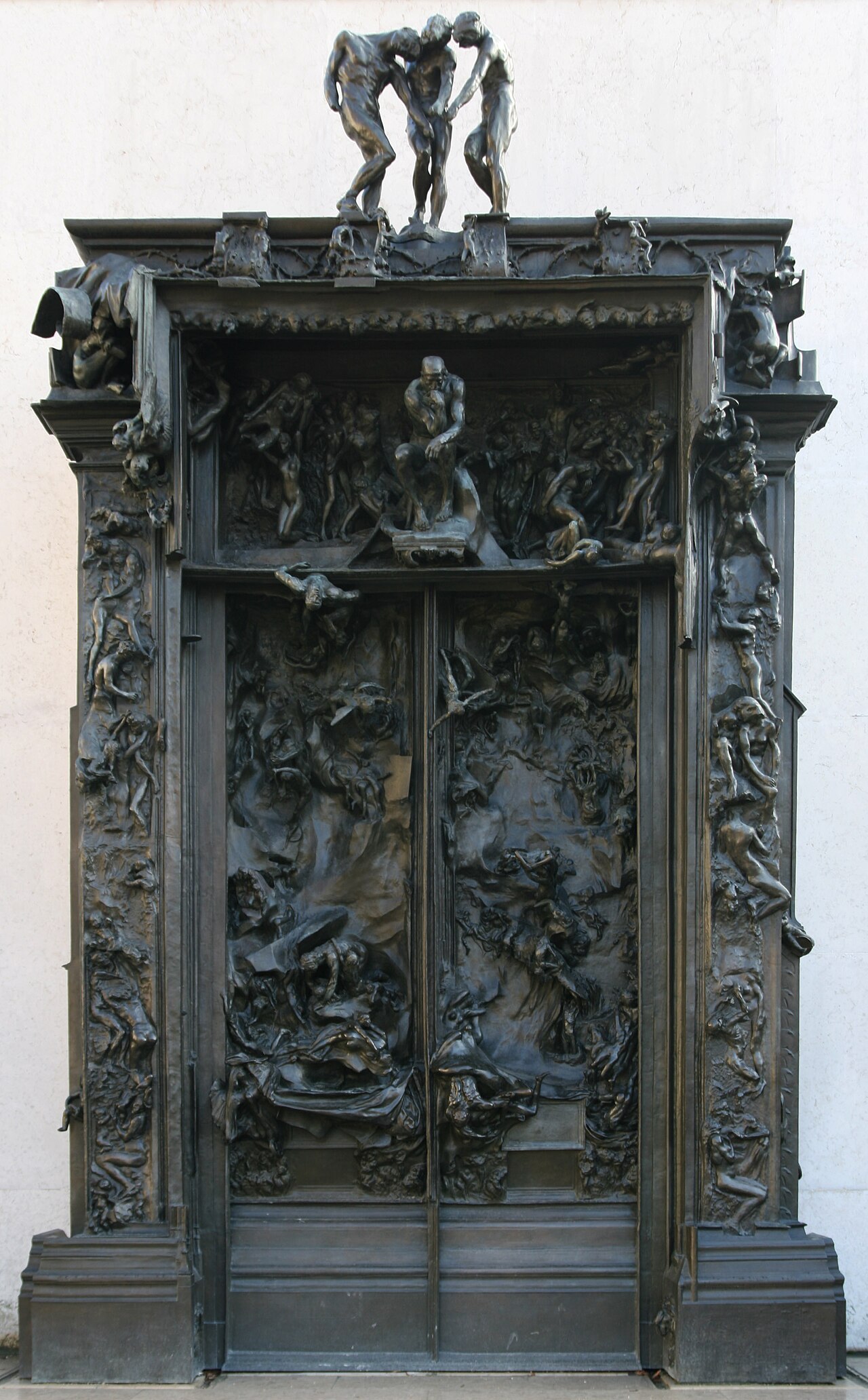 Sculpture
Primary source
The Gates of Hell
Auguste Rodin · 1880-1917
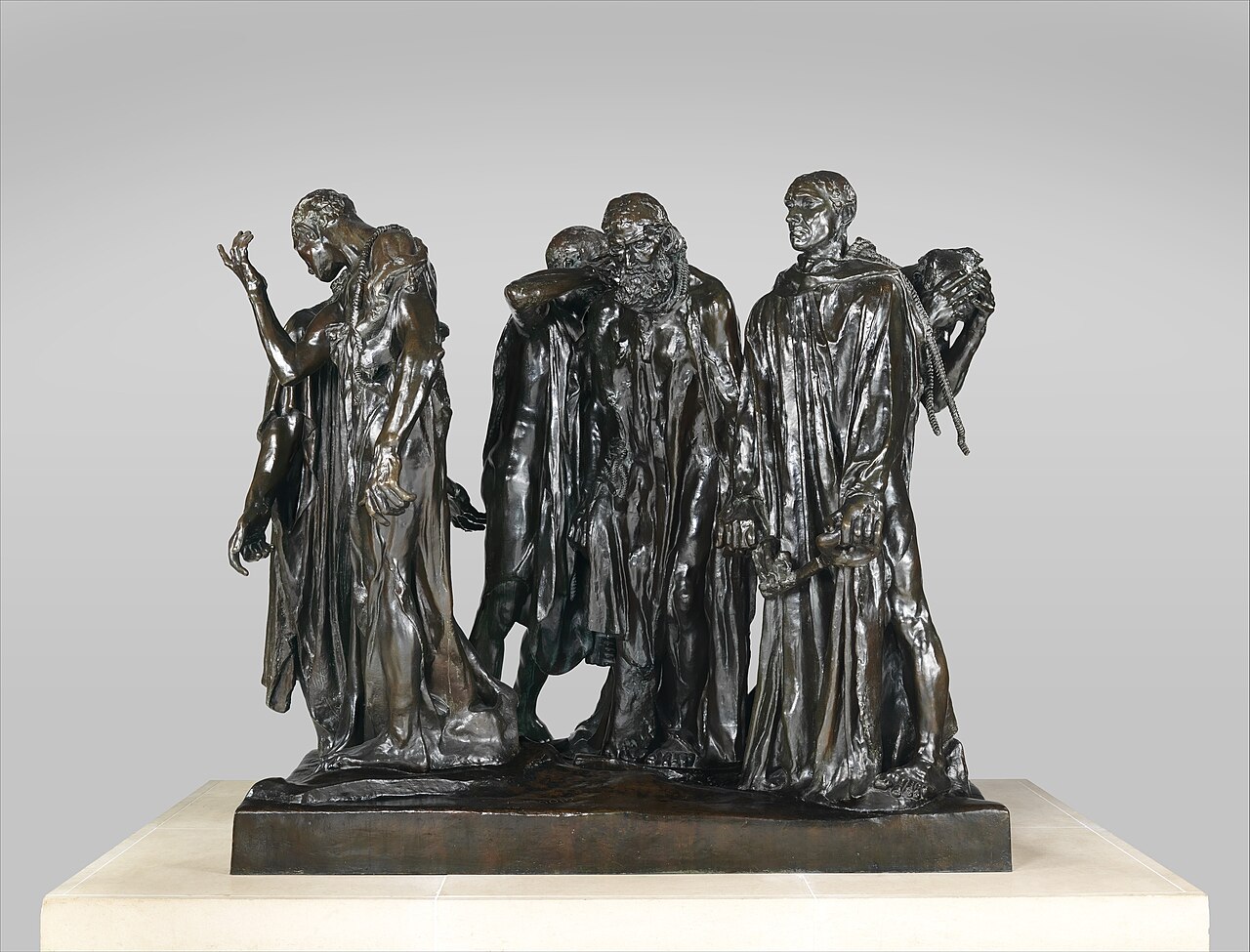 Sculpture
Primary source
The Burghers of Calais
Auguste Rodin · 1884-1889
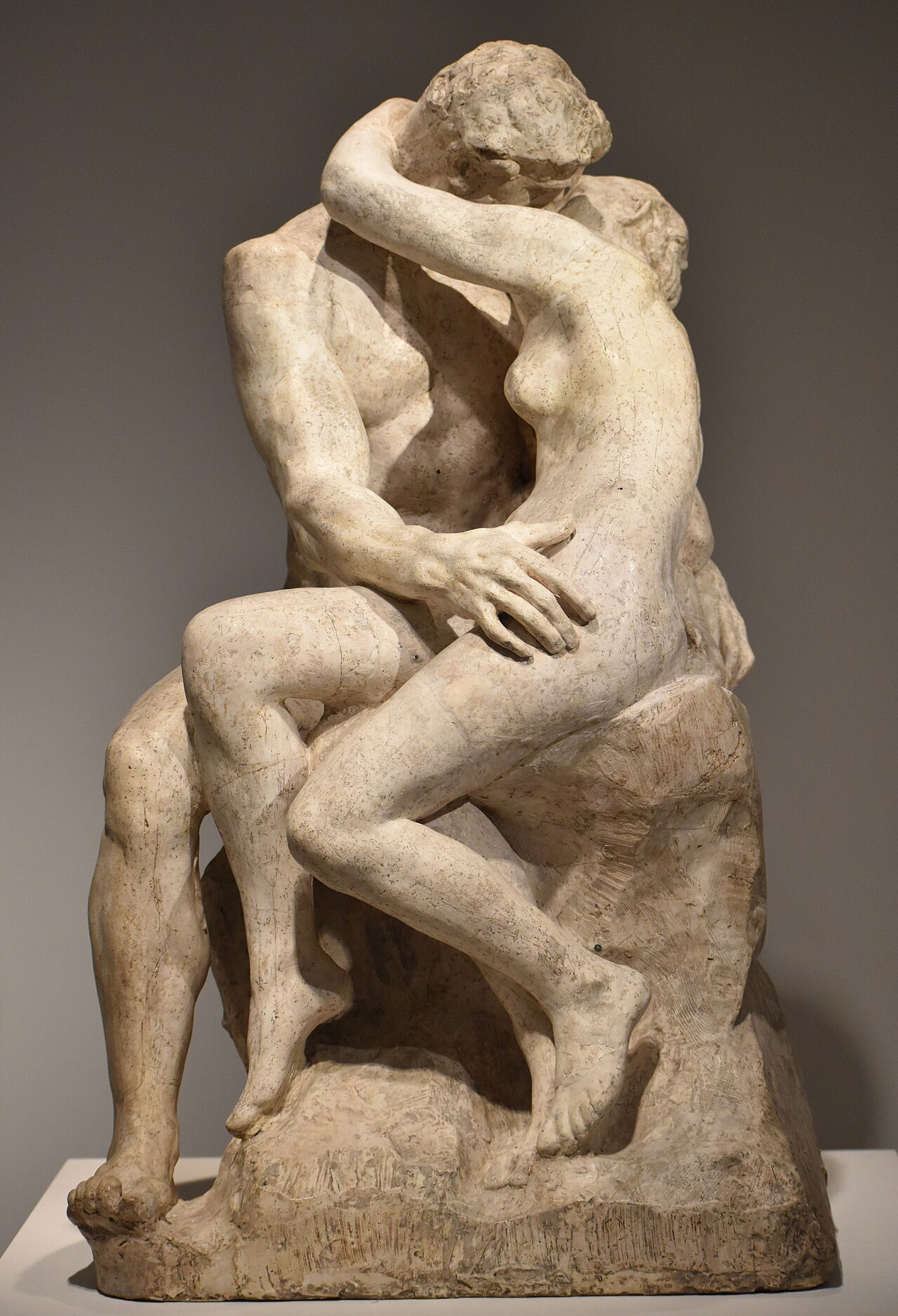 Sculpture
Primary source
The Kiss
Auguste Rodin · 1882
Free account
Read every Auguste Rodin source
Sign up free →
Ready when you are
Start chatting with Auguste Rodin now.
20 messages free · No credit card · Available in 50+ languages.