


Primary sourceLetter22 January 1899
Testem benevolentiae
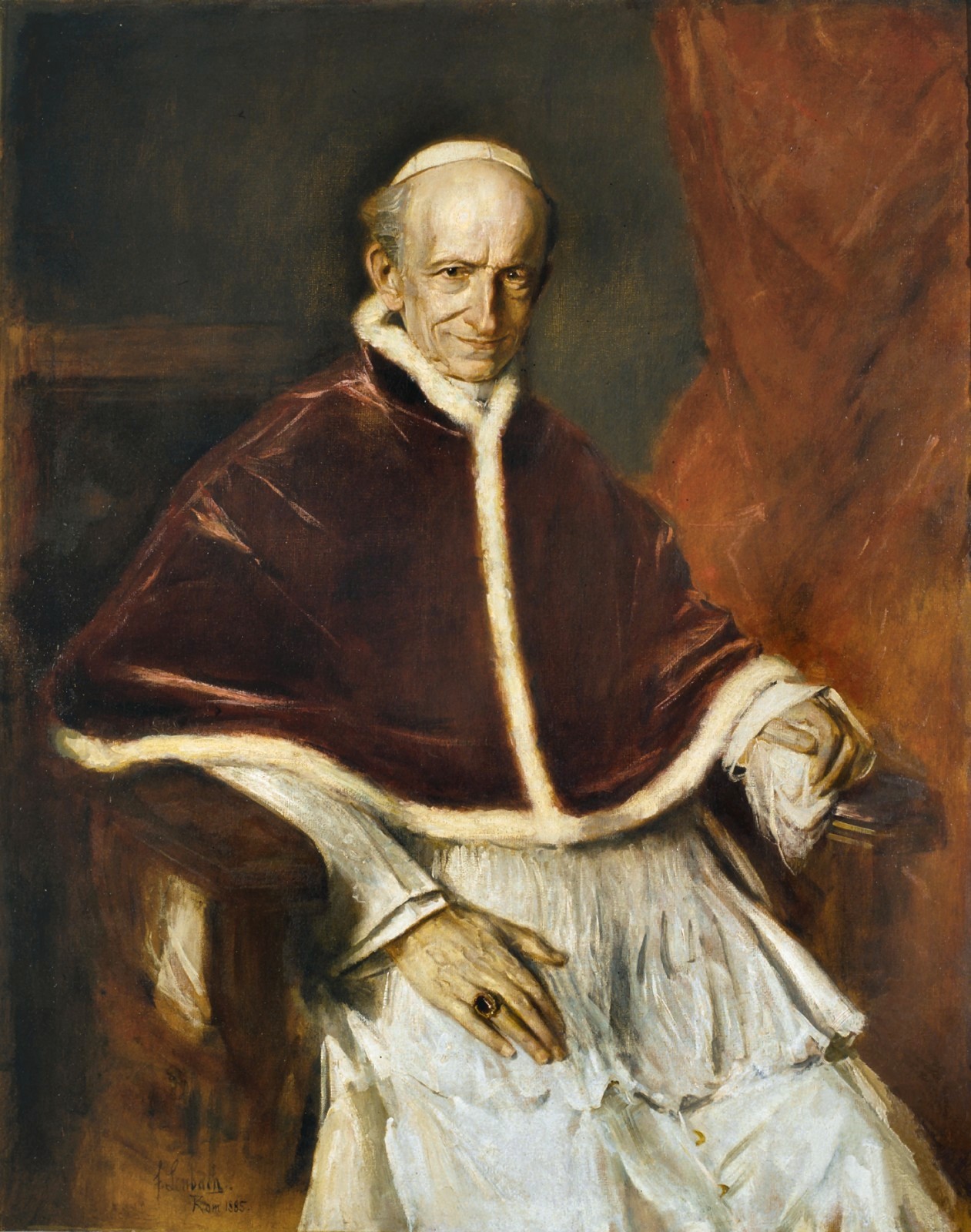
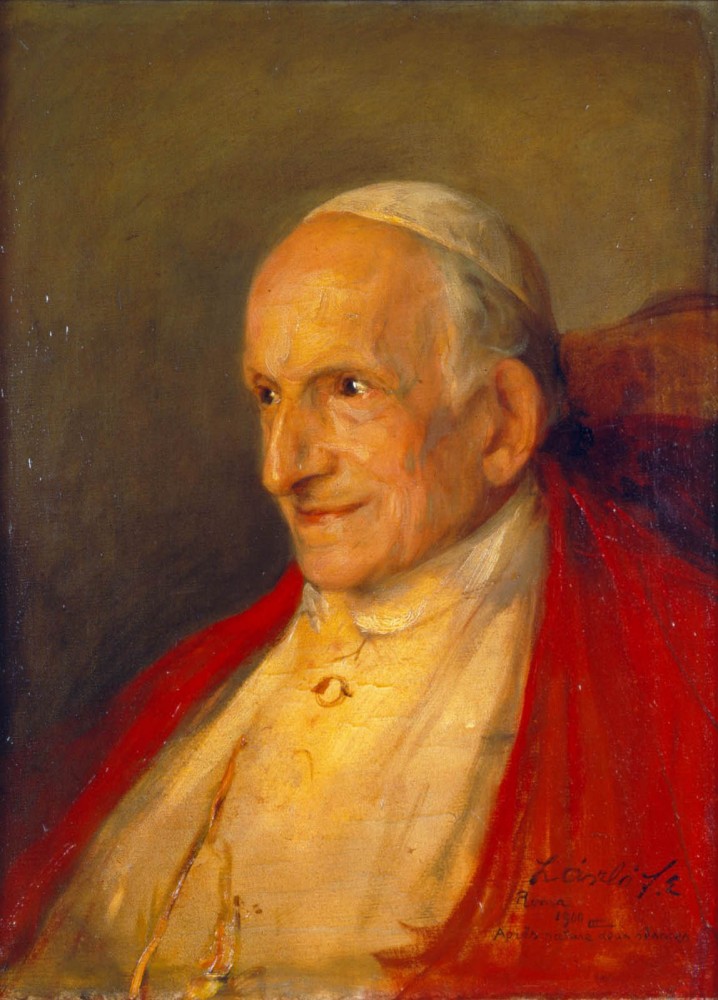
Pope Leo XIII · 22 January 1899
An 1899 apostolic letter by Pope Leo XIII to Cardinal James Gibbons condemning the heresy of 'Americanism'.
Leo XIII personally wrote this letter, revealing his concern over liberal adaptation of Catholic teaching in America.
Free Humy account · No credit card · 120,912 sources to read
About this source
What it is
Testem benevolentiae is an apostolic letter written by Pope Leo XIII, dated 22 January 1899, and addressed to Cardinal James Gibbons, Archbishop of Baltimore.
Why it matters
The letter responded to debates sparked by a French biography of the American priest Isaac Hecker, whose preface suggested the Church should adapt its doctrines and discipline to modern liberal culture. Leo XIII rejected this idea, criticizing excessive individualism, unchecked freedom of the press, and any notion that the American Church should differ from the rest of the Catholic world. The letter shows Leo's concern about how Catholicism should relate to modern liberal democracies.
Look closer
- Why might a pope in Rome be worried about ideas developing among Catholics in the United States and France?
- What does Leo's warning about 'freedom of the press' tell us about his view of individual liberty?
- Who is this letter written for, and what does that tell us about who Leo wanted to persuade?
This letter is part of the curated material that grounds the AI version of Pope Leo XIII on Humy.ai — when students ask about related events, the AI can quote it and cite it.
More Pope Leo XIII sources
Browse all 96 →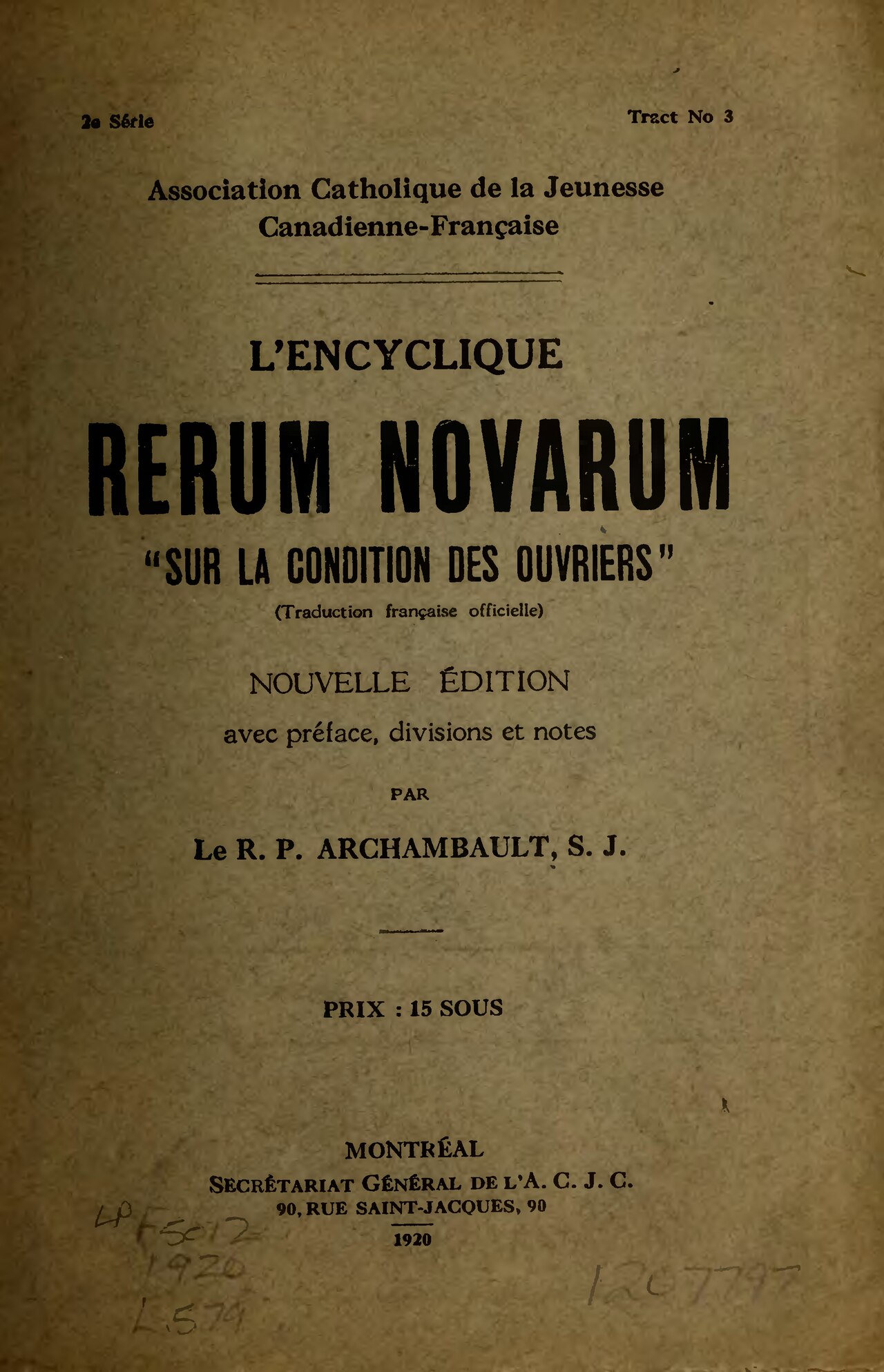 Document
Primary source
Rerum Novarum
Leo XIII · 15 May 1891
Secondary source
Aeterni Patris
Pope Leo XIII · 4 August 1879
Primary source
Humanum Genus
Leo XIII · 20 April 1884
Primary source
Immortale Dei
Leo XIII · 1 November 1885
Free account
Read every Pope Leo XIII source
Sign up free →
Ready when you are
Start chatting with Pope Leo XIII now.
20 messages free · No credit card · Available in 50+ languages.