


Secondary sourcePainting1616
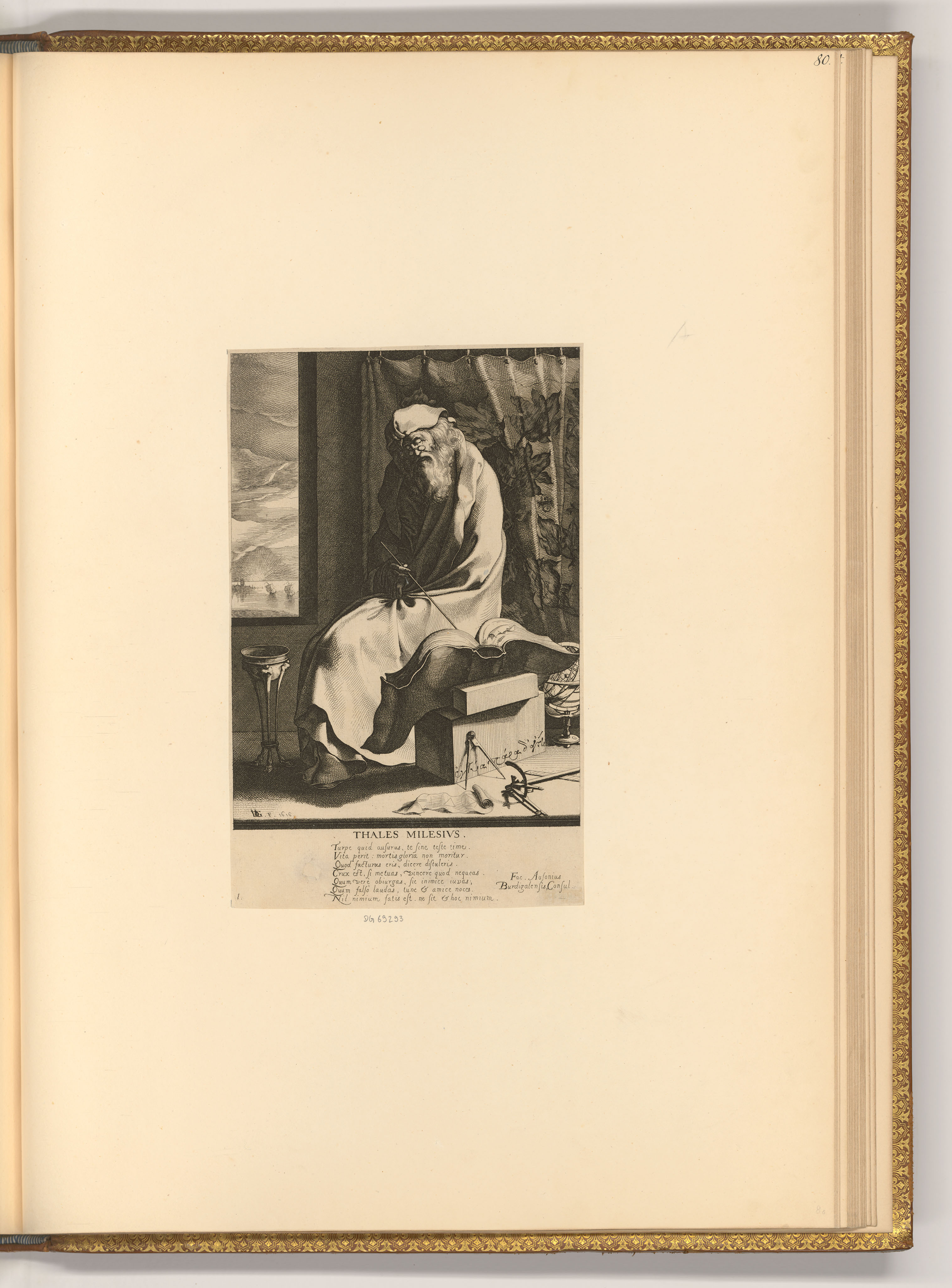
Thales Milesius
Jacob de Gheyn III · 1616
A 1616 print imagining Thales as a sage surrounded by books and instruments, with Latin verses below.
This 1616 print imagines Thales as a wise philosopher-scientist, reflecting his later reputation for knowledge and astronomy.
About this source
What it is
This engraving titled THALES MILESIUS was made by Jacob de Gheyn III in 1616 and is held by the Albertina Museum. It shows an elderly bearded man seated with a stick, gazing upward, surrounded by a book, globe, compasses, and other instruments, with a seascape visible through a window and Latin verses printed below.
Why it matters
Made many centuries after Thales lived, this print is part of a European tradition of depicting the 'Seven Sages' of ancient Greece for educated readers. The instruments around him — book, globe, compass — were symbols meant to show his connection to knowledge, astronomy, and mathematics, fields later associated with his name.
Look closer
- Why do you think the artist placed a globe and compasses near Thales?
- What might the seascape through the window be meant to suggest about his life or ideas?
- How does this 1616 image differ from how a real portrait from Thales's own time might have looked?
This painting is part of the curated material that grounds the AI version of Thales of Miletus on Humy.ai — when students ask about related events, the AI can quote it and cite it.
More Thales of Miletus sources
Browse all 76 → Book
Secondary source
Metaphysics
Aristotle · c. 400 BCE
 Book
Secondary source
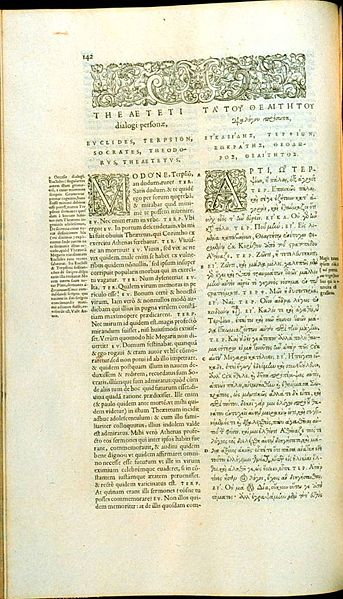
Histories
Herodotus · c. 440 BCE
 Book
Secondary source
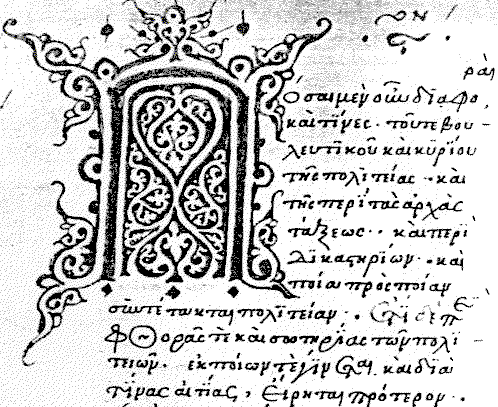
Theaetetus
Plato · early-to-middle 4th century BCE (this edition 1578)
 Book
Primary source
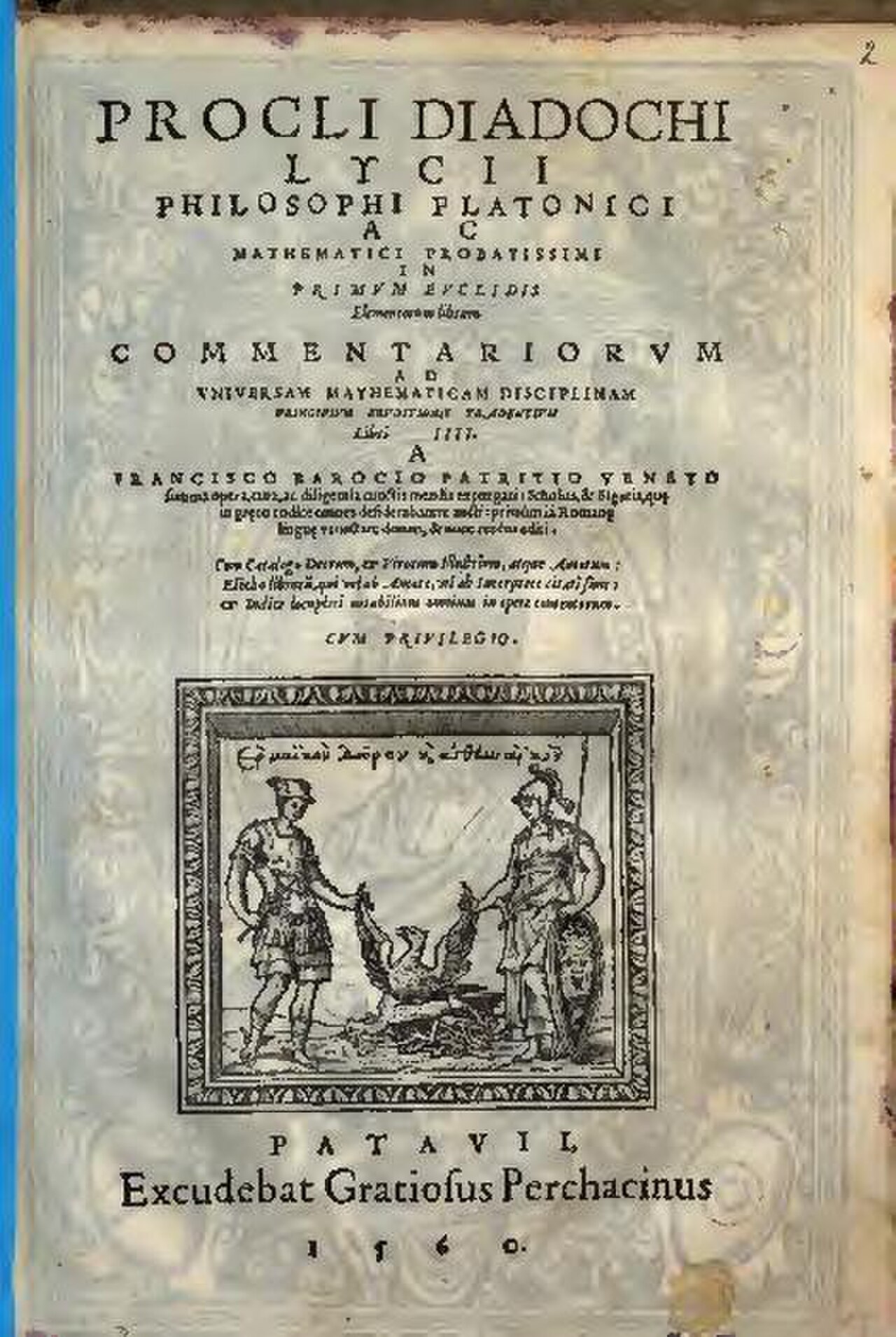
Politics
Aristotle · 4th century BCE
Free account
Read every Thales of Miletus source
Sign up free →
Ready when you are
Start chatting with Thales of Miletus now.
20 messages free · No credit card · Available in 50+ languages.