


Secondary sourceSculpture
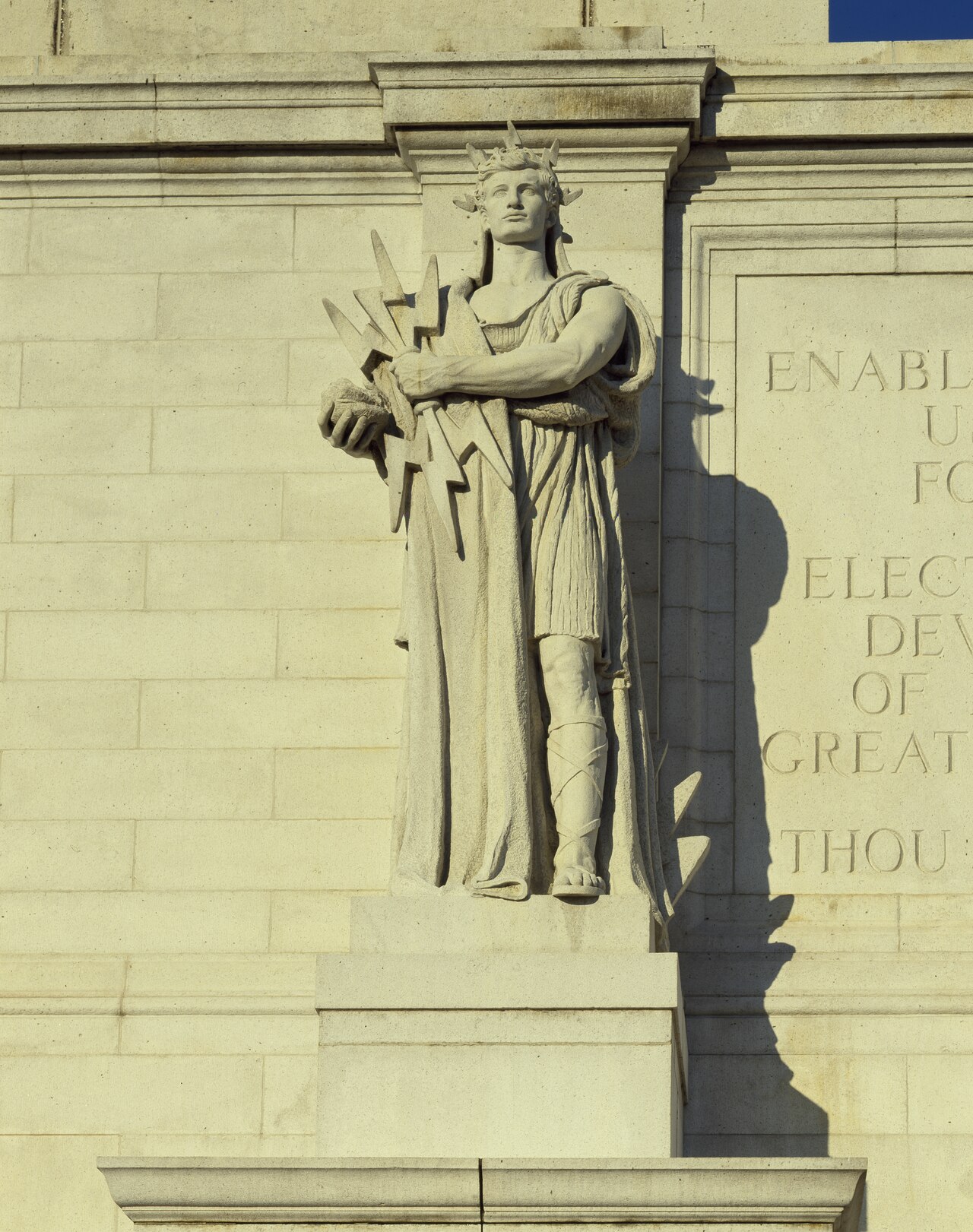
Thales Statue at Union Station
Louis Saint-Gaudens
An early 20th-century allegorical statue at Washington Union Station honoring Thales as a founder of the study of electricity.
This statue honors Thales as an early student of electrical phenomena in early 20th-century American public art.
About this source
What it is
This stone statue, one of six allegorical figures by sculptor Louis Saint-Gaudens, stands above the façade of Union Station in Washington, D.C. It shows a robed, crowned figure holding bundled lightning bolts, with carved text referencing electrical development.
Why it matters
The statue represents Thales, who is considered one of the first people known to have studied electrical phenomena. Its placement on a major American public building in the early 20th century shows how ancient Greek philosophers were honored as founders of modern science and technology.
Look closer
- Why might a train station choose to display statues of ancient philosophers linked to science?
- What symbols did the sculptor use to connect this figure to electricity, and why?
- How does honoring Thales this way differ from how he might have been remembered in his own time?
This sculpture is part of the curated material that grounds the AI version of Thales of Miletus on Humy.ai — when students ask about related events, the AI can quote it and cite it.
More Thales of Miletus sources
Browse all 76 → Book
Secondary source
Metaphysics
Aristotle · c. 400 BCE
 Book
Secondary source
Histories
Herodotus · c. 440 BCE
 Book
Secondary source
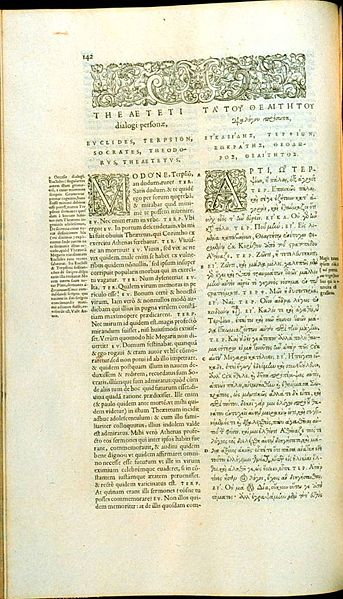
Theaetetus
Plato · early-to-middle 4th century BCE (this edition 1578)
 Book
Primary source
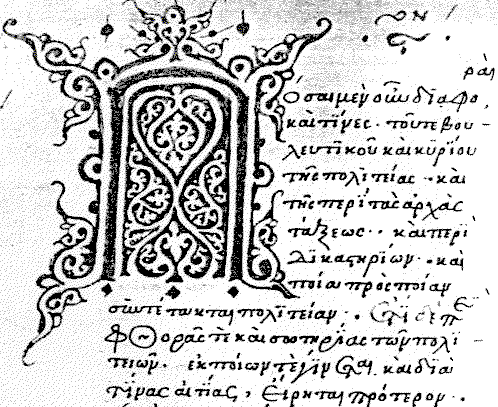
Politics
Aristotle · 4th century BCE
Free account
Read every Thales of Miletus source
Sign up free →
Ready when you are
Start chatting with Thales of Miletus now.
20 messages free · No credit card · Available in 50+ languages.