


Tertiary sourceArtifact
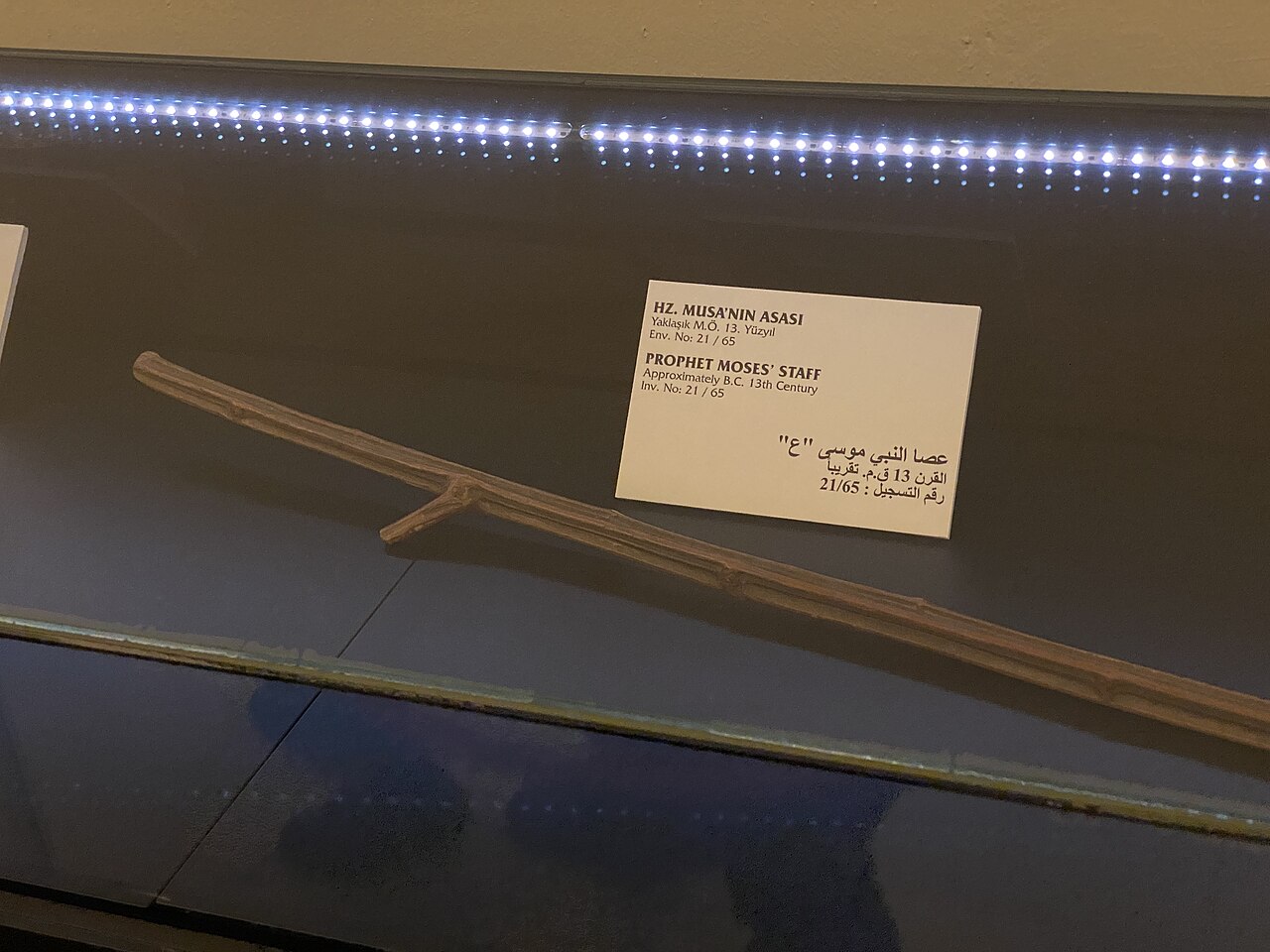
The Alleged Staff of Moses in the Topkapı Palace Museum
A wooden staff displayed in Istanbul's Topkapı Palace Museum and venerated as the staff of the prophet Moses.
Venerated in Ottoman and Islamic tradition as the physical staff carried by the prophet Moses.
About this source
What it is
This object is a long wooden staff kept in the Topkapı Palace Museum in Istanbul, displayed with a label identifying it as the staff of the Prophet Moses, dated by the museum to around the 13th century BCE.
It is part of the museum's collection of relics associated with Islamic prophets, treasured within the Ottoman imperial collection.
Why it matters
Whether or not it truly belonged to Moses, the staff shows how deeply he is honored in Islamic tradition as one of the major prophets. Objects like this reveal how later generations created physical connections to sacred figures through relics, and how museums preserve and display religious devotion.
Look closer
- Why do you think a museum would display an object as 'alleged' rather than certainly authentic?
- What does the careful labeling in three languages tell you about who visits this museum?
- How might people's belief in a relic's power differ from historians' ability to prove where it came from?
This artifact is part of the curated material that grounds the AI version of Moses on Humy.ai — when students ask about related events, the AI can quote it and cite it.
More Moses sources
Browse all 85 →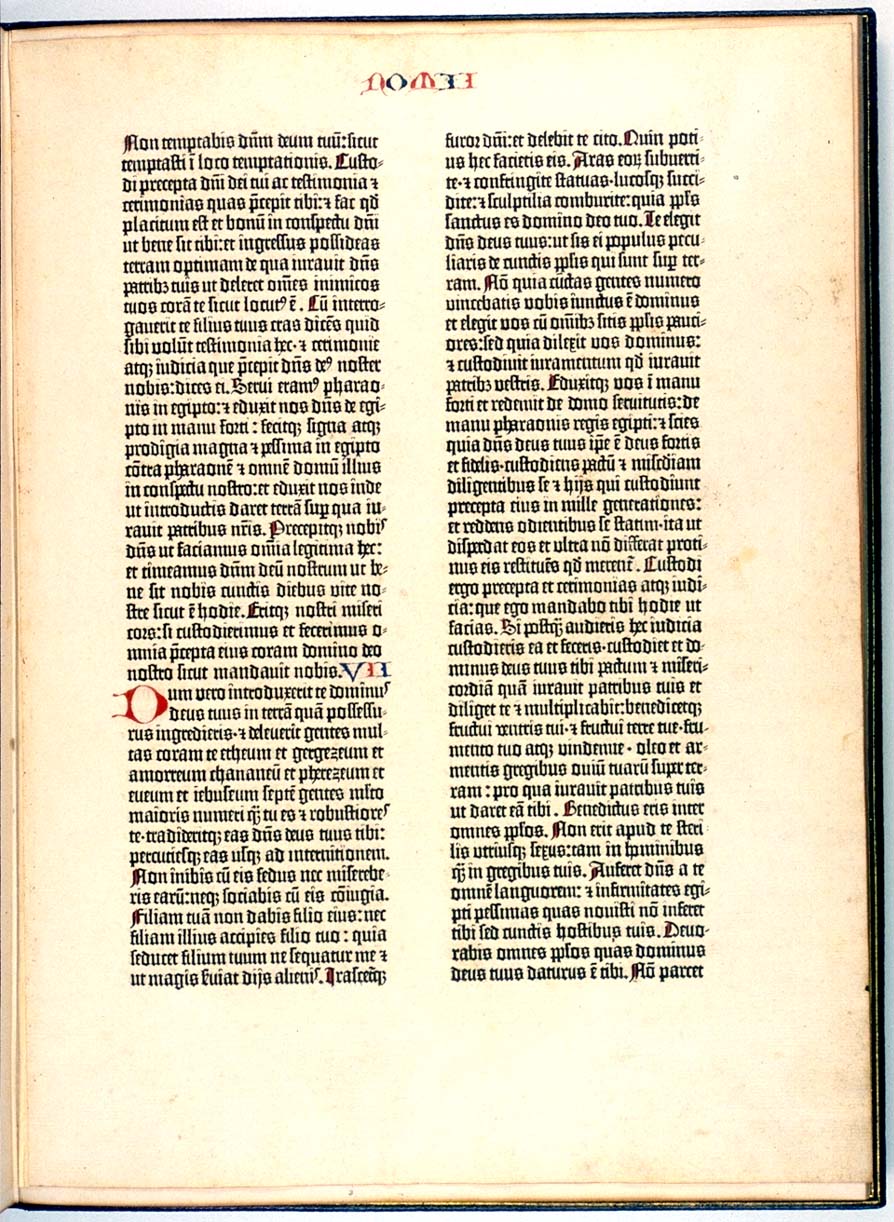 Book
Secondary source
Deuteronomy
Deuteronomist · 7th–5th century BCE
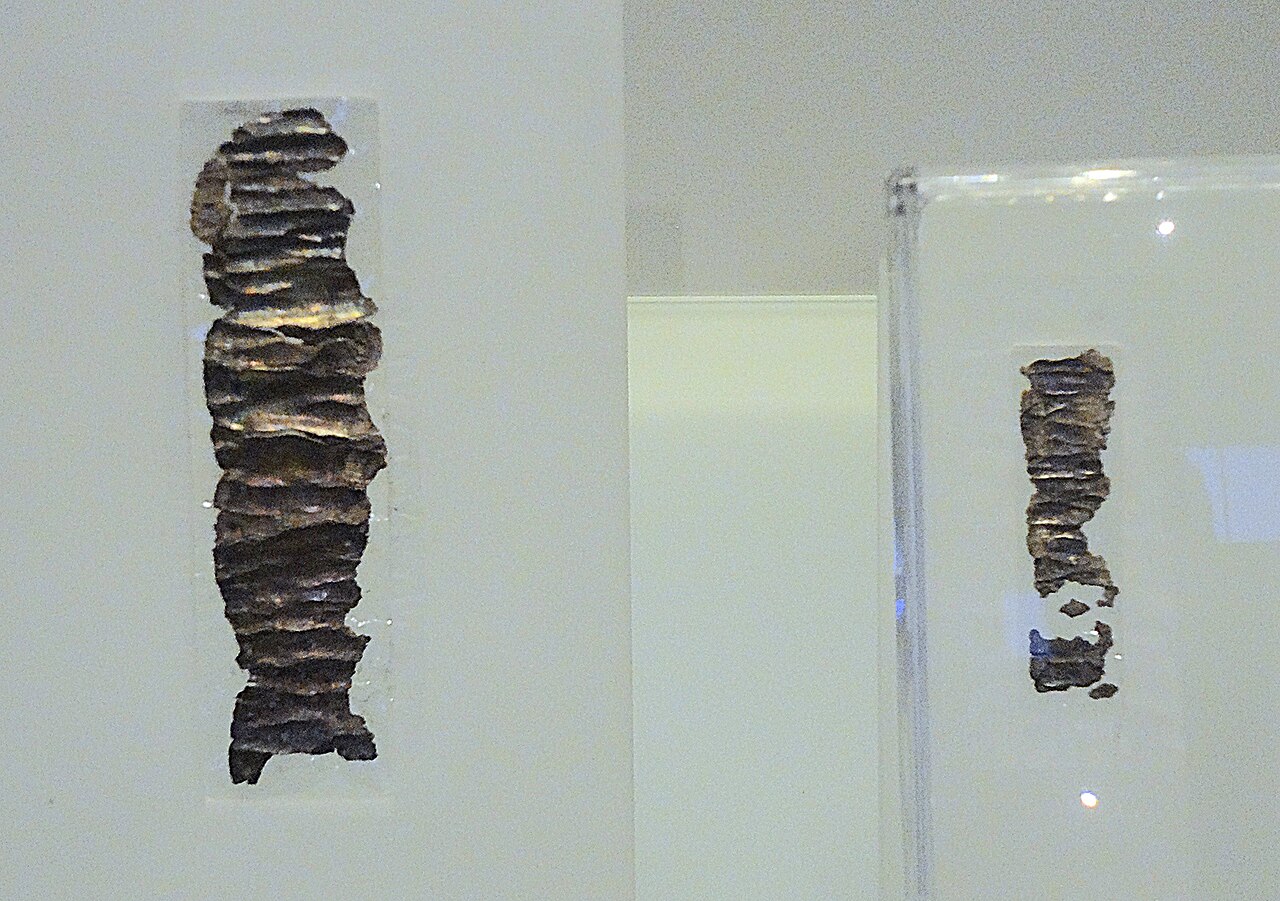 Artifact
Primary source
Ketef Hinnom scrolls
c. 600 BCE
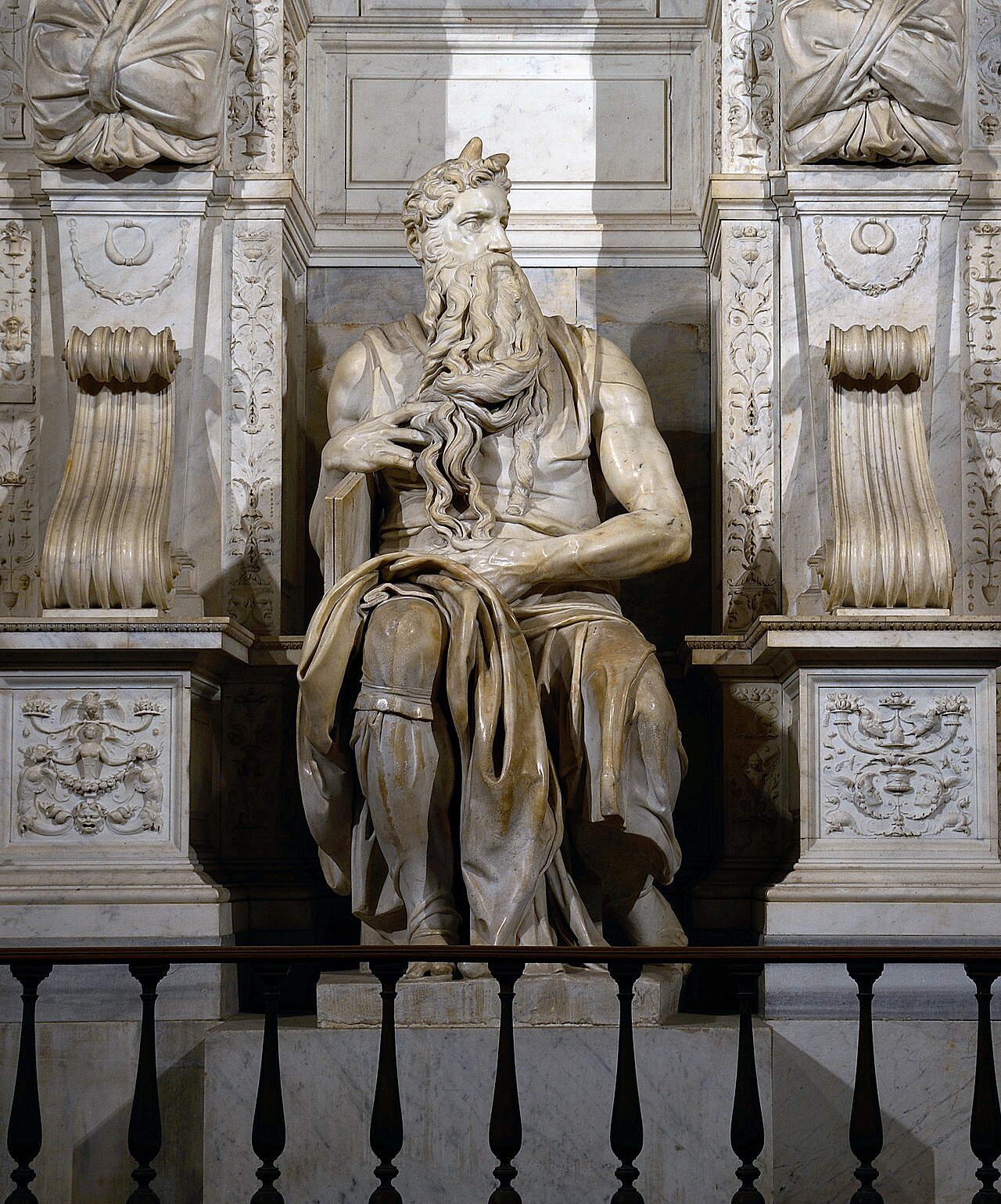 Sculpture
Primary source
Moses
Michelangelo · c. 1513-1515
 Painting
Secondary source
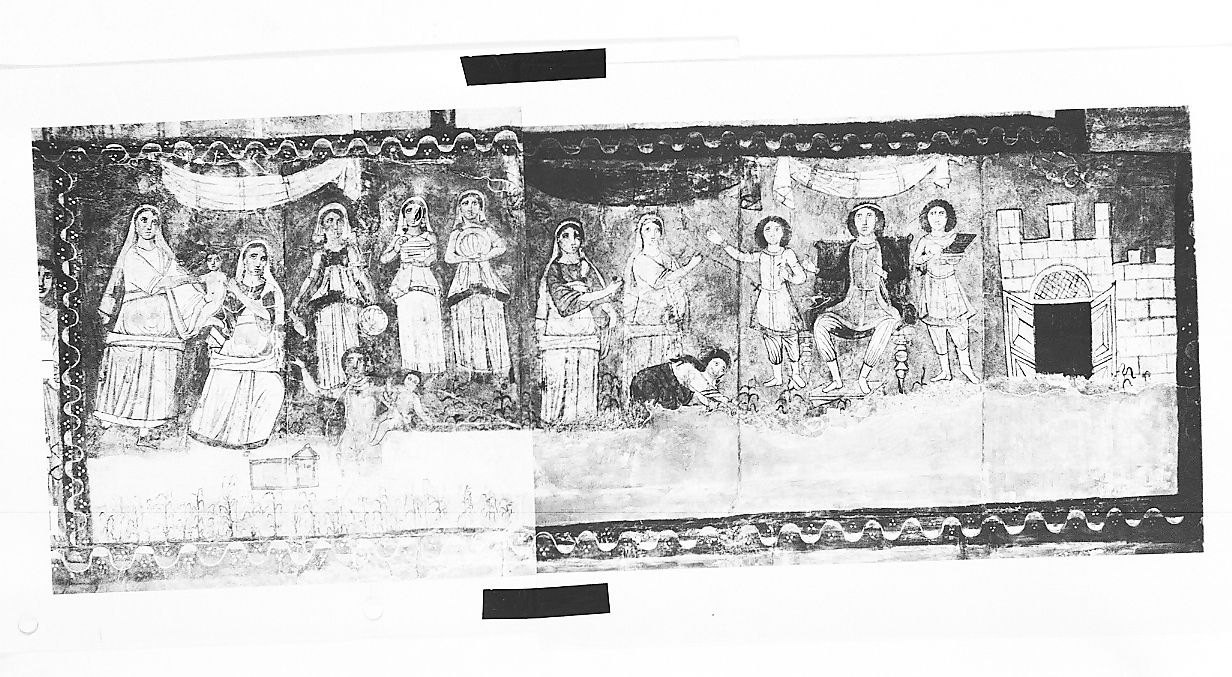
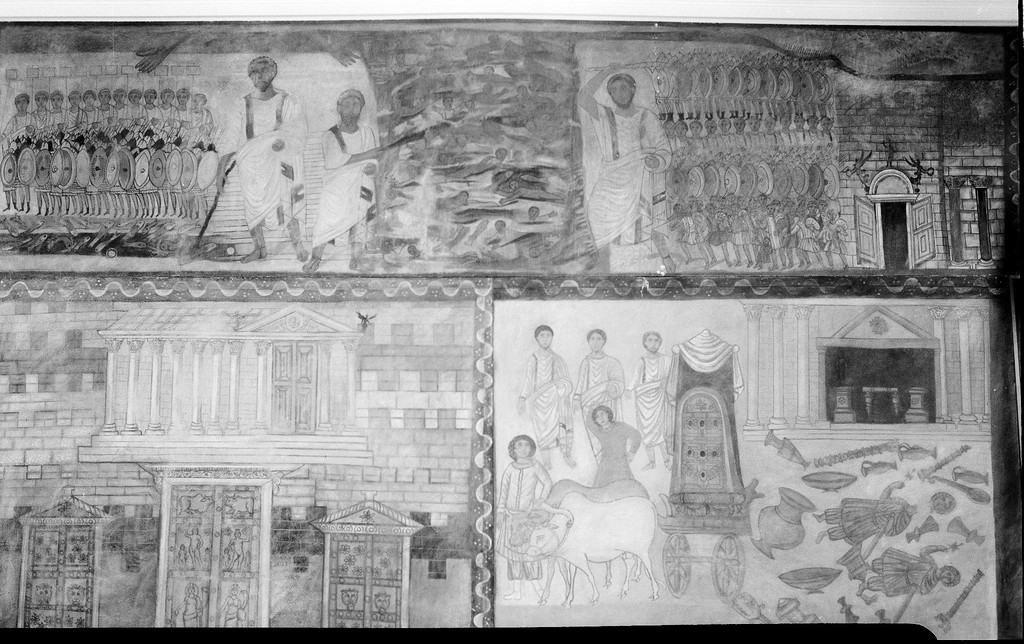
Iconographic Scene WC4, Dura-Europos Synagogue
240 CE
Free account
Read every Moses source
Sign up free →
Ready when you are
Start chatting with Moses now.
20 messages free · No credit card · Available in 50+ languages.