


Primary sourcePainting1509
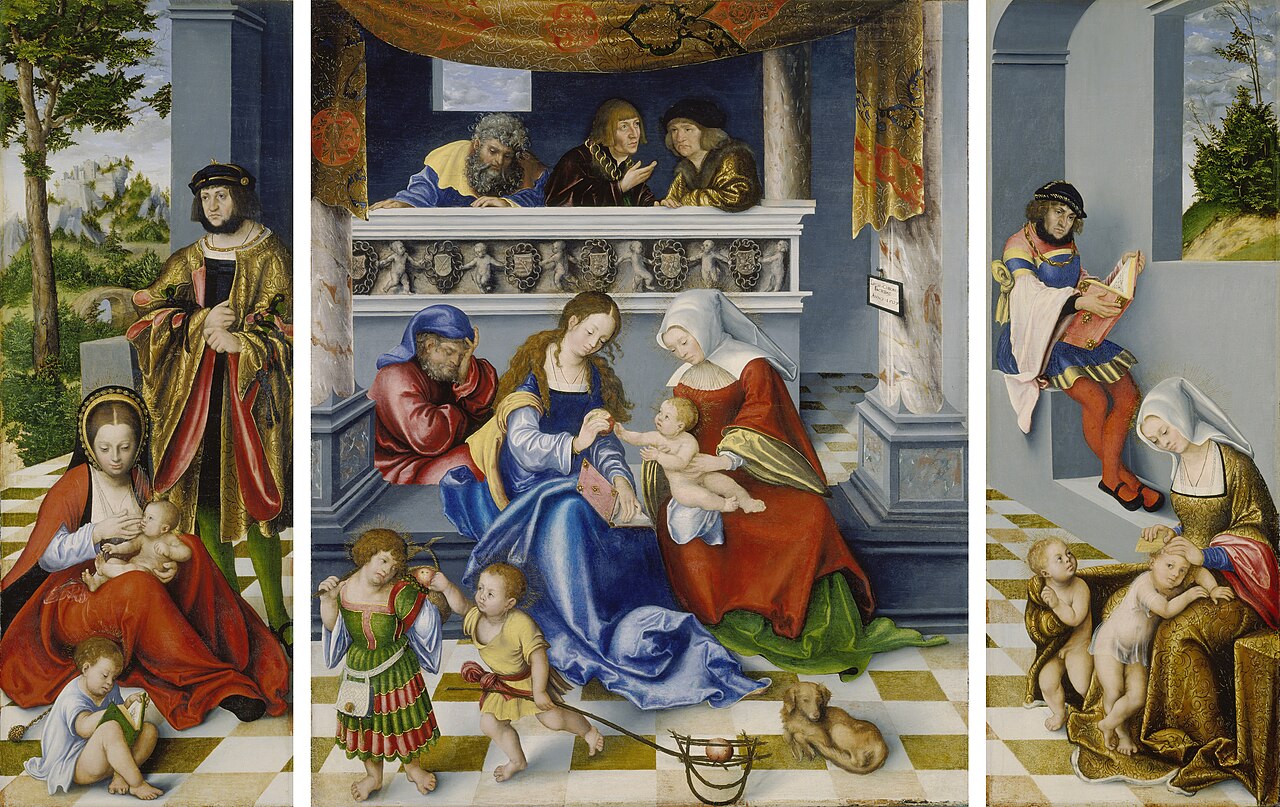
The Altarpiece of the Holy Kinship or Torgau
Lucas Cranach the Elder · 1509
A 1509 triptych by Lucas Cranach the Elder that places the living emperor Maximilian among members of the Holy Family.
Shows Maximilian as a likeness placed among the Holy Family, one of several ways imperial figures appeared in religious art.
About this source
What it is
This is a triptych altarpiece painted by Lucas Cranach the Elder in 1509, now in the Städel Museum in Frankfurt. The central panel shows the Holy Kinship in a richly decorated room with marble columns. The Virgin, in blue, holds a book and touches the infant Christ, while St Anne sits in red beside them. Figures on a balcony look on, and the side wings show family groups. Cranach signed and dated the work in Latin: LUCAS CHRONUS FACIEBAT ANNO 1509. The museum purchased it at auction in Paris in 1906.
Why it matters
Three men in the gallery are identified as likenesses of Emperor Maximilian, the imperial councillor Sixtus Oelhafen, and the artist himself. The altarpiece also includes portraits of Elector Frederick the Wise and his brother, Duke John the Steadfast. Placing real rulers in a sacred scene shows how imperial likenesses entered religious art, and the German landscape shows the painter's choice of a German theme.
Look closer
- Which people in the painting seem to be ordinary family members, and which seem to be portraits of real men?
- Why might a patron or painter want a living emperor placed in a religious scene?
- What does the Latin signature reveal about how Cranach wanted to present himself?
This painting is part of the curated material that grounds the AI version of Maximilian I, Holy Roman Emperor on Humy.ai — when students ask about related events, the AI can quote it and cite it.
More Maximilian I, Holy Roman Emperor sources
Browse all 87 →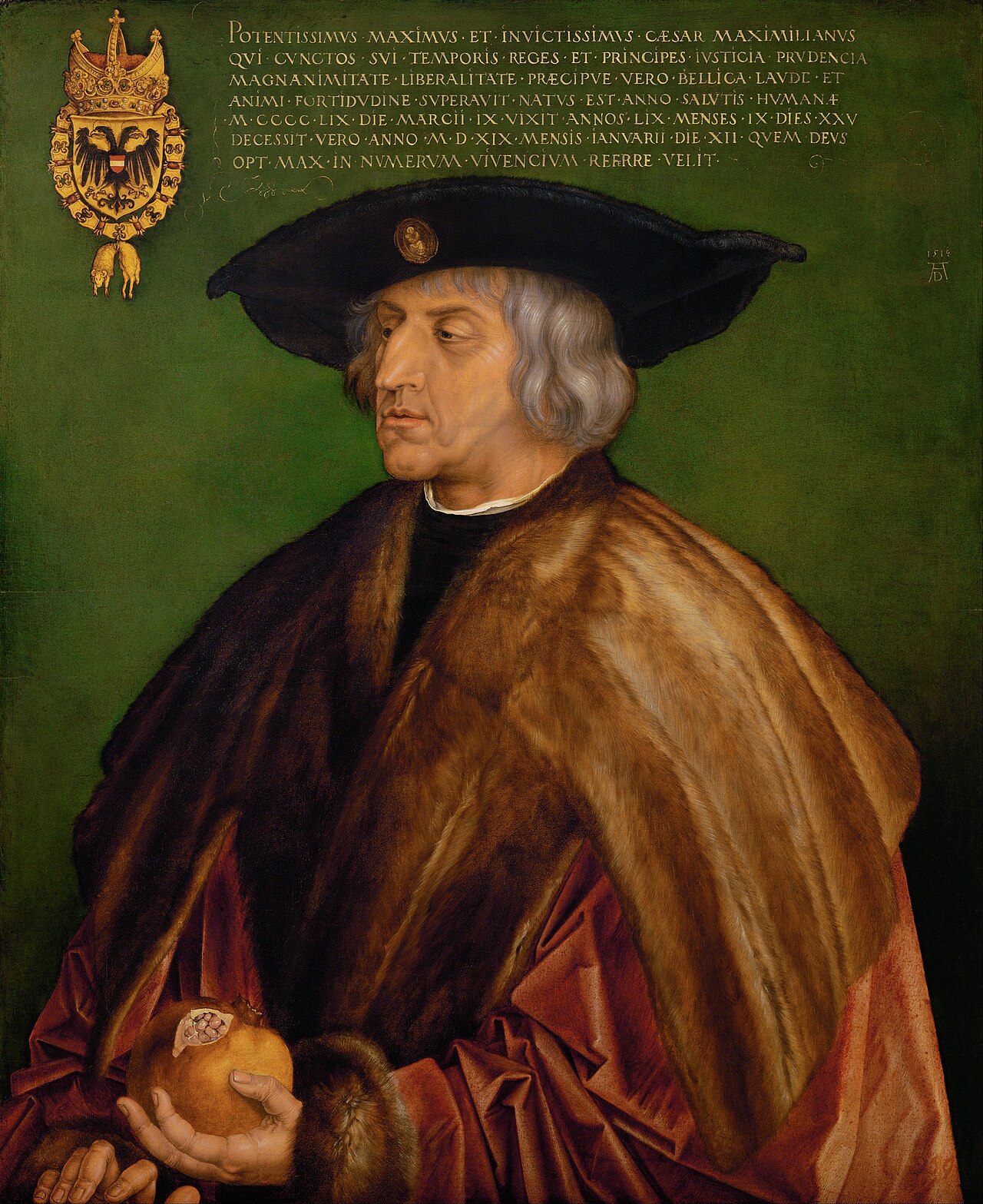 Painting
Primary source
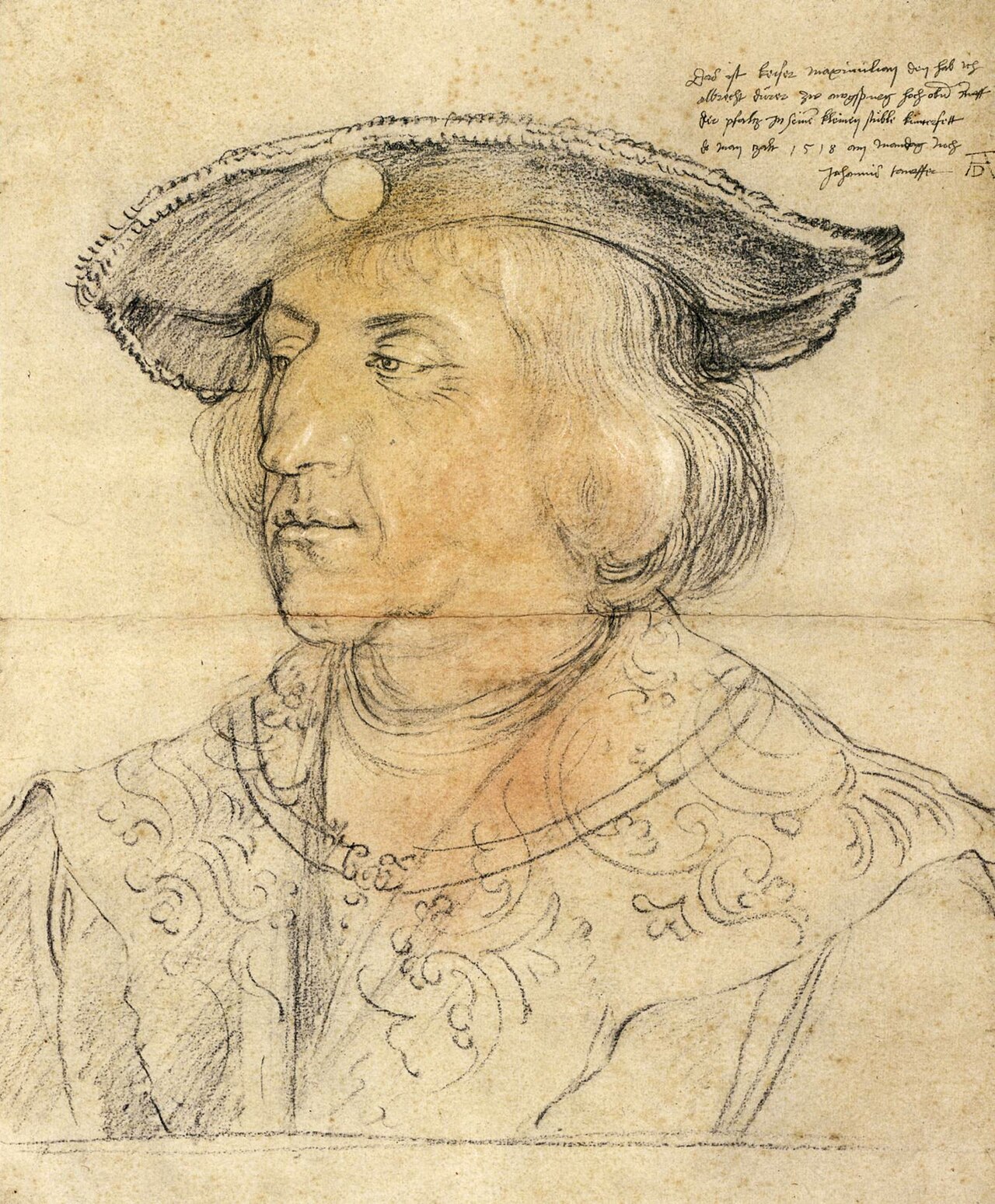
Portrait of Emperor Maximilian I
Albrecht Dürer · 1519
 Artifact
Primary source
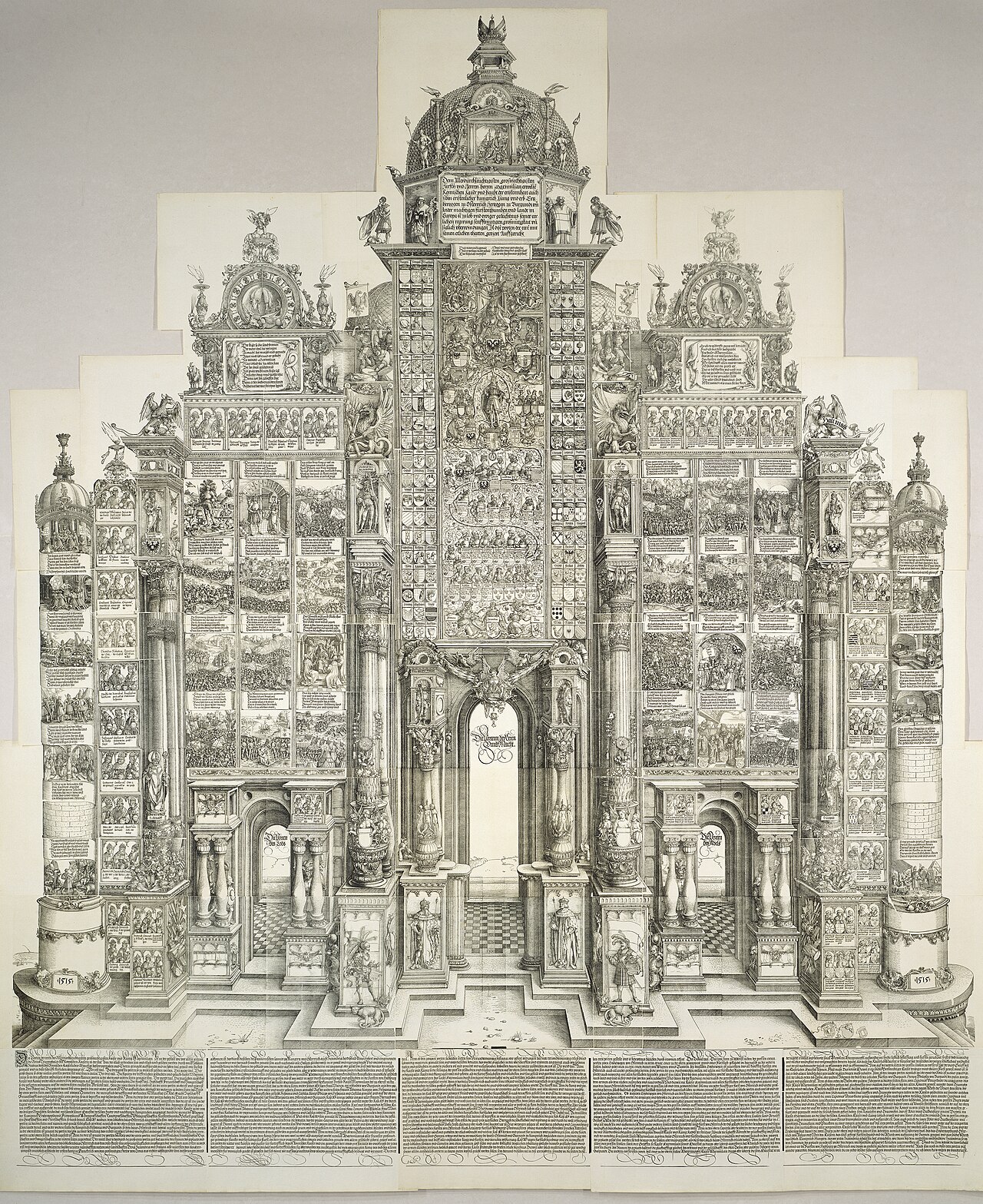
Triumphal Arch
Wolf Traut · 1512-1515
 Artifact
Primary source
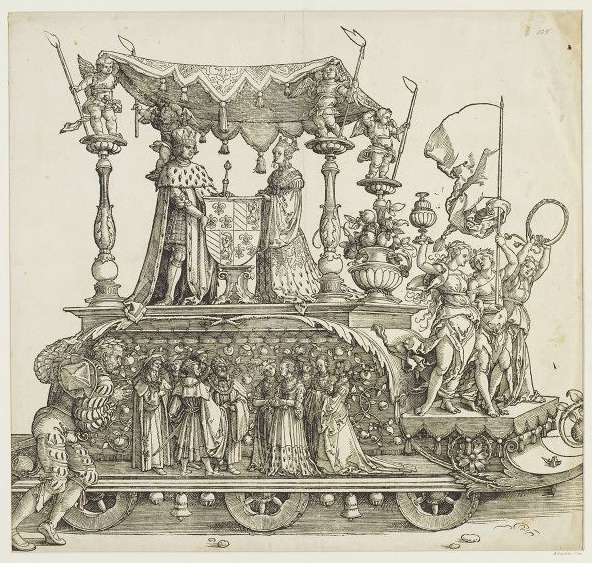
Triumphal Procession
Maximilian I · 1512-1519
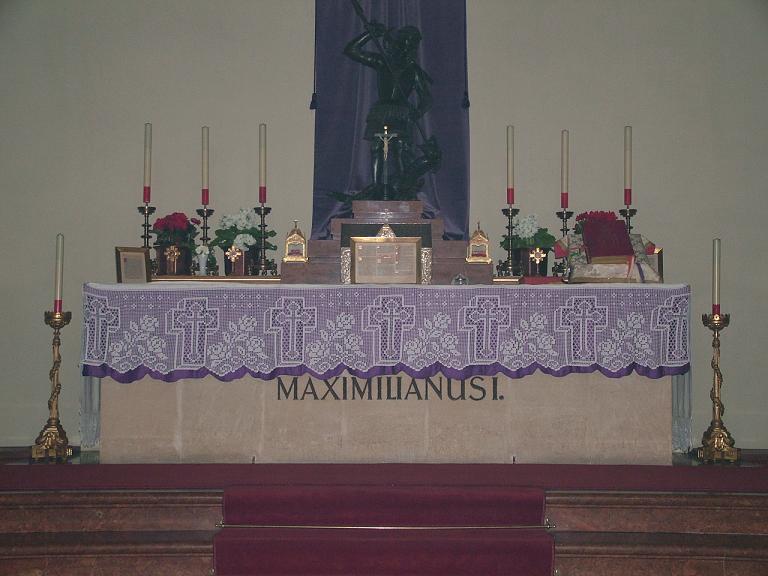 Sculpture
Secondary source
Grave of Maximilian I
Free account
Read every Maximilian I, Holy Roman Emperor source
Sign up free →
Ready when you are
Start chatting with Maximilian I, Holy Roman Emperor now.
20 messages free · No credit card · Available in 50+ languages.