


Secondary sourcePaintingbetween 1508 and 1512
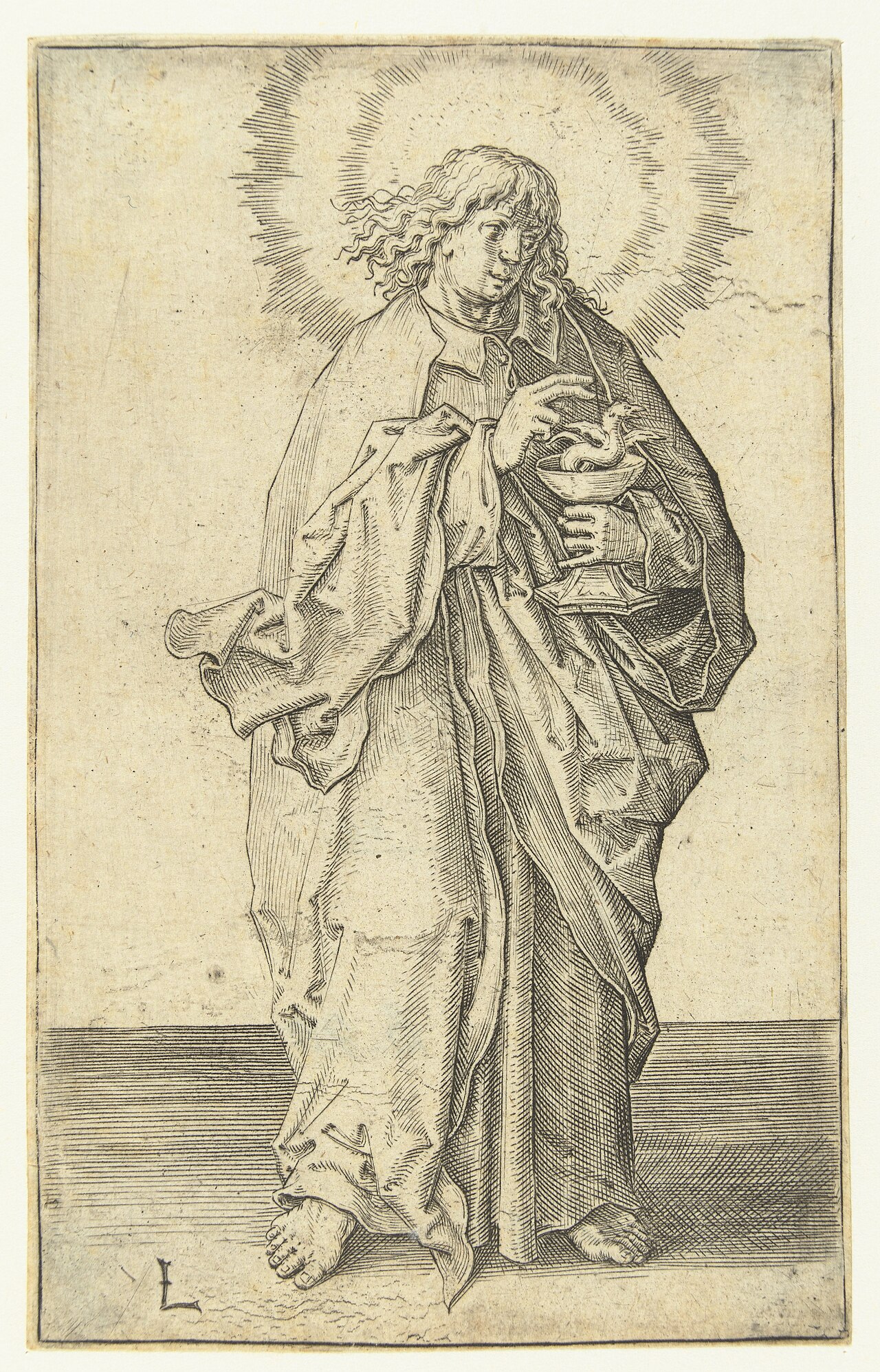
The Apostle John
Lucas van Leyden · between 1508 and 1512
An engraving of the apostle John by Lucas van Leyden, made between 1508 and 1512 as part of a series on Christ and the Apostles. It shows John with a chalice and serpent, traditional attributes linked to him.
A printed image of John made by a later artist, showing how he was pictured in the Netherlands in the early 1500s, and linked to the John traditionally identified with the Evangelist.
About this source
What it is
This is an engraving, a print made from a metal plate, showing the apostle John standing with a halo of radiating lines. He holds a chalice with a small creature, likely a serpent, in his right hand, and gathers his cloak with his left. The print is part of a series titled Christ and the Apostles. It was made by Lucas van Leyden, who also designed it, and is dated between 1508 and 1512. The Rijksmuseum holds the sheet, which its record lists as on loan from the Rijksakademie van Beeldende Kunsten.
Why it matters
Prints like this let an image of a saint reach many more people than a single painting in a church could. The museum record lists a chalice with a snake, an eagle, a book and a scroll as possible attributes of John the Evangelist, so viewers of the time could recognize him by these objects. John is traditionally identified with the Evangelist, John of Patmos and the Beloved Disciple, and this print shows only one side of that tradition.
Look closer
- Which objects does John hold, and how would a viewer know who he is from them?
- Why might the artist have used fine lines and a striped ground instead of color?
- Who might have owned a print like this, and what does the collector's mark on the back suggest about its history?
This painting is part of the curated material that grounds the AI version of John the Apostle on Humy.ai — when students ask about related events, the AI can quote it and cite it.
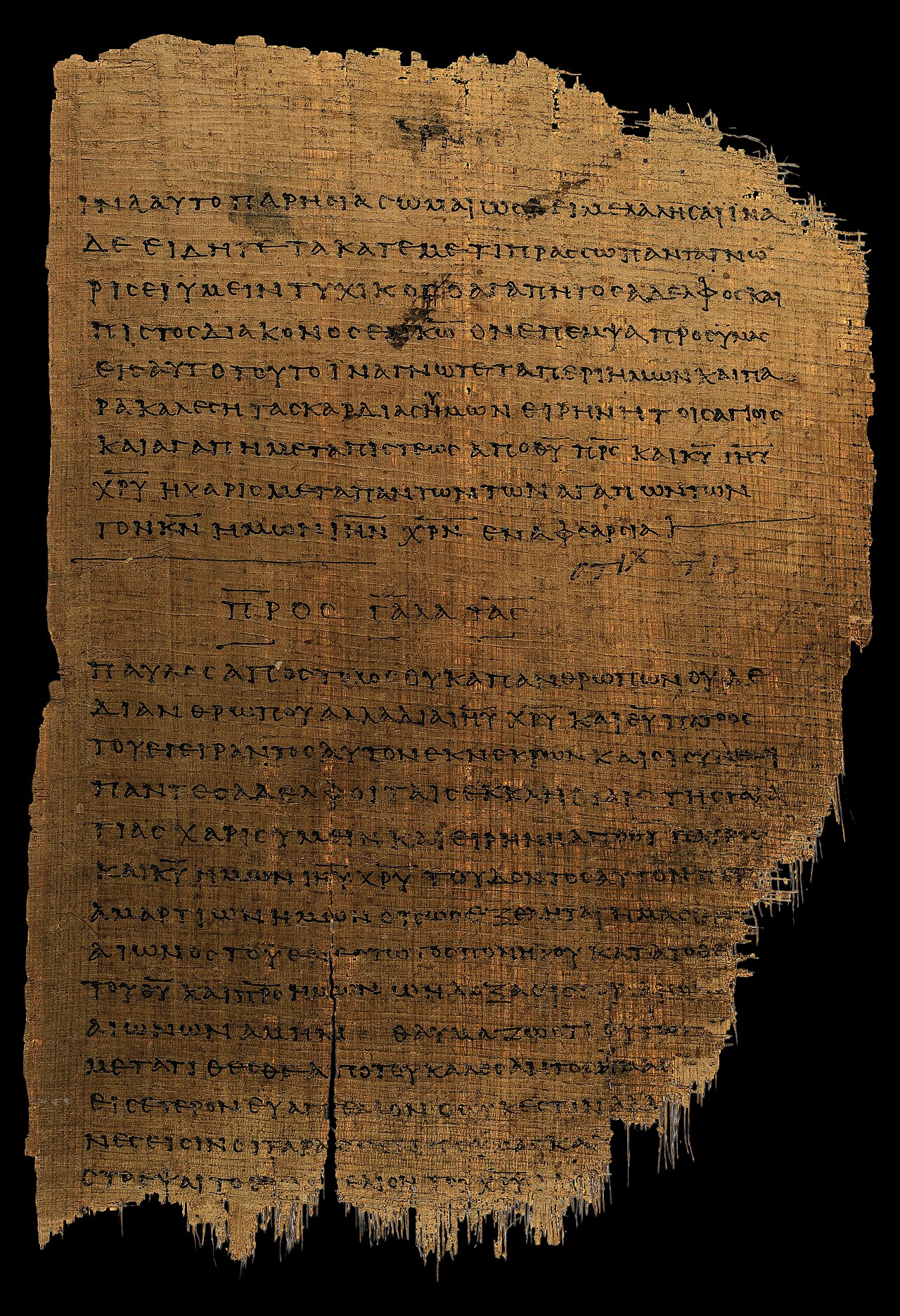
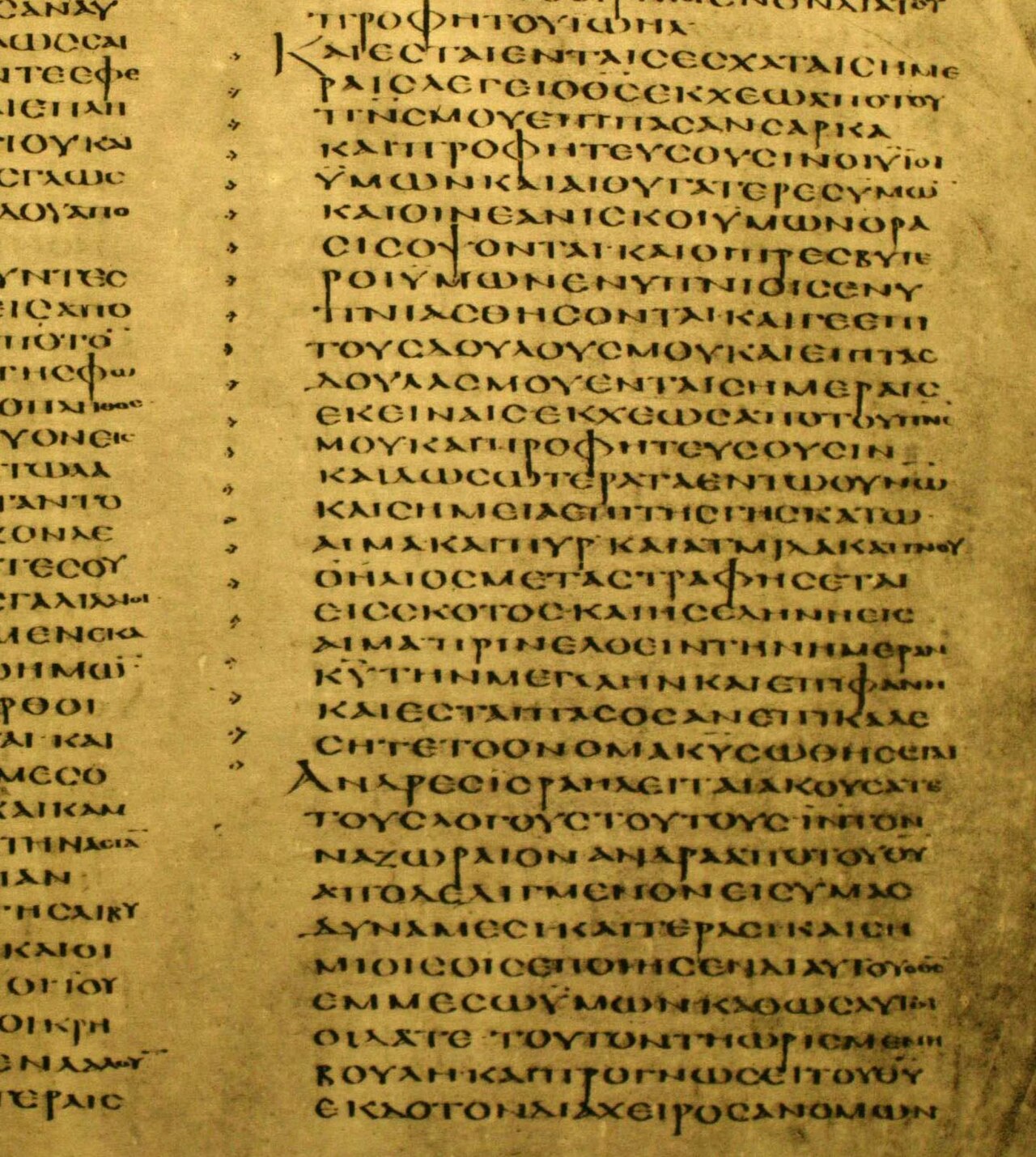
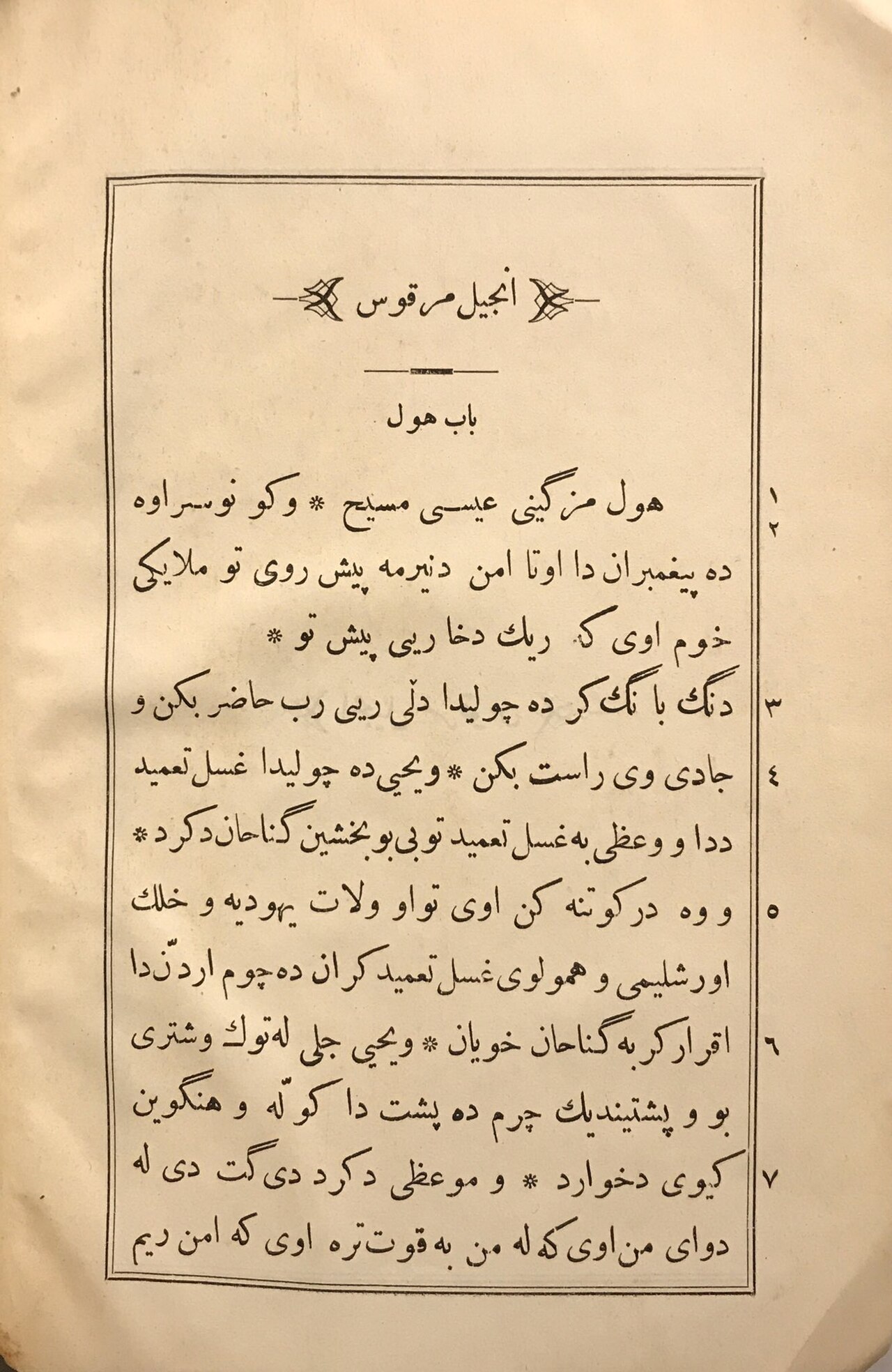
More John the Apostle sources
Browse all 87 →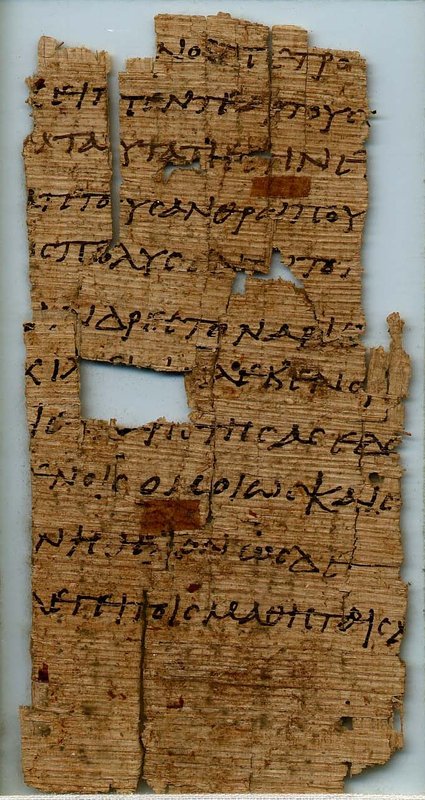 Book
Secondary source
Gospel of John
John the Evangelist · c. AD 90-100
 Book
Primary source
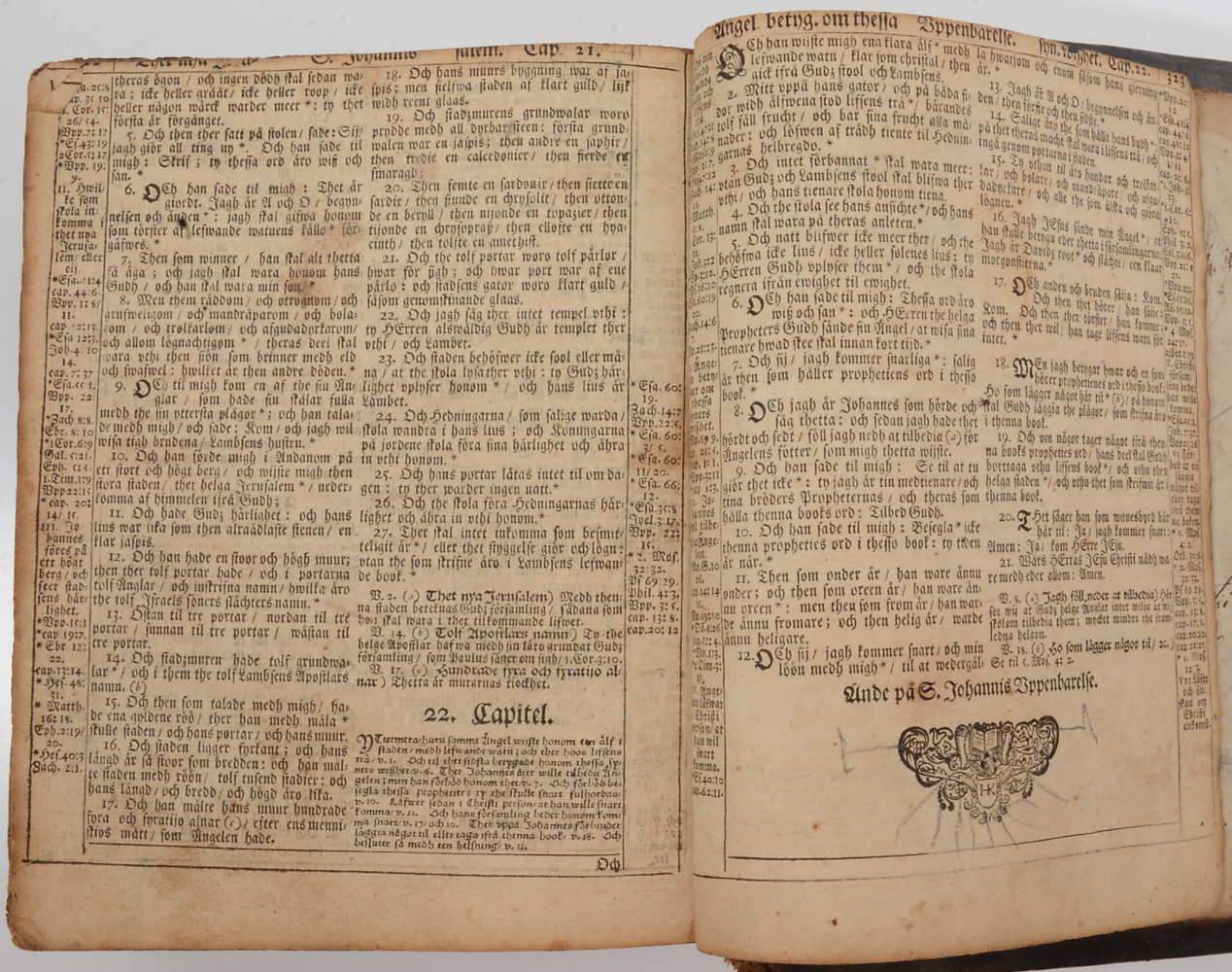
Book of Revelation
John of Patmos · c. 95 AD
 Letter
Secondary source
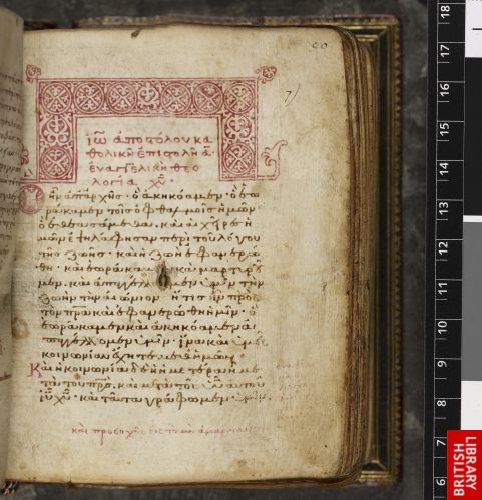
First Epistle of John
John the Presbyter · c. 95-110 AD
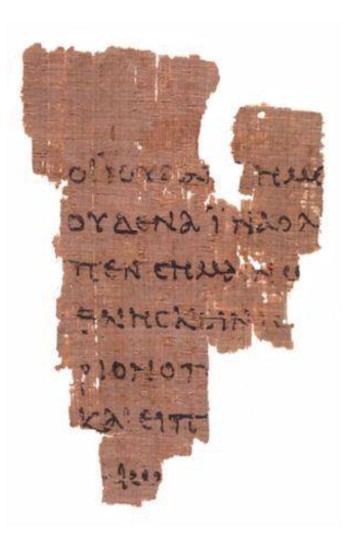 Document
Secondary source
Rylands Library Papyrus P52
c. 125-175 AD
Free account
Read every John the Apostle source
Sign up free →
Ready when you are
Start chatting with John the Apostle now.
20 messages free · No credit card · Available in 50+ languages.