


Secondary sourceBook1906
The Book of Tea
Okakura Kakuzō · 1906
Okakura Kakuzō's 1906 English essay on Japanese tea culture, which closes with an account of Sen no Rikyū and his role in the tea ceremony.
This essay's closing chapter on tea masters helped fix Rikyū's story, including his death, for Western readers.
Free Humy account · No credit card · 120,912 sources to read
About this source
What it is
The Book of Tea is a long essay written in English in 1906 by Okakura Kakuzō, addressed to Western readers. It discusses Japanese tea culture, or "Teaism," and connects it to wider ideas about Japanese life, art, and philosophy. The final chapter focuses on tea masters, including Sen no Rikyū.
Why it matters
Written after the Russo-Japanese War, the book pushed back against Western stereotypes of Japan and presented tea culture as a serious philosophy of simplicity and harmony. Okakura's chapter on Rikyū helped shape how later readers, especially outside Japan, understood Rikyū's role and importance in Japanese history.
Look closer
- Why would Okakura write this book in English rather than Japanese?
- How might writing for a Western audience shape the way Rikyū's story gets told?
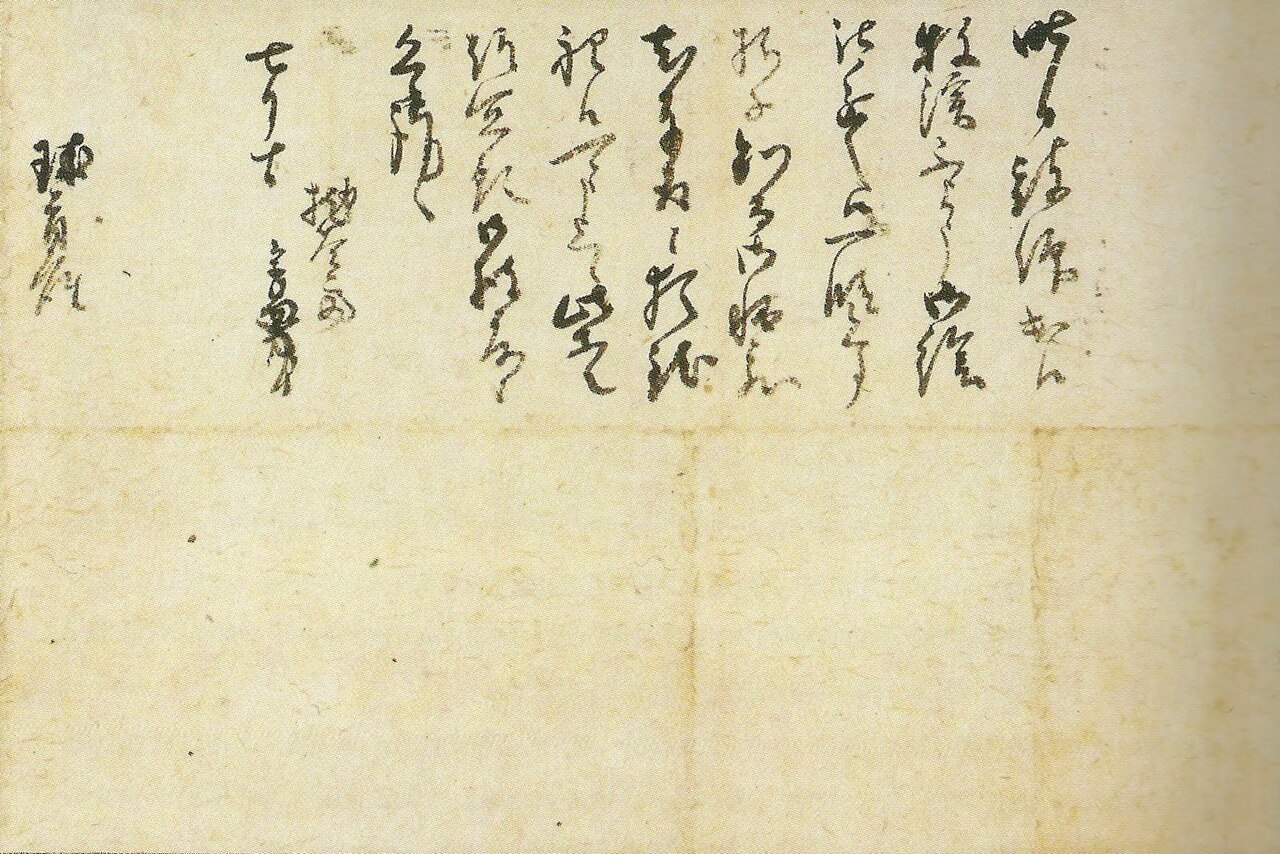
- What is the difference between reading about Rikyū in this book versus reading his own letters?
This book is part of the curated material that grounds the AI version of Sen no Rikyū on Humy.ai — when students ask about related events, the AI can quote it and cite it.
More Sen no Rikyū sources
Browse all 27 →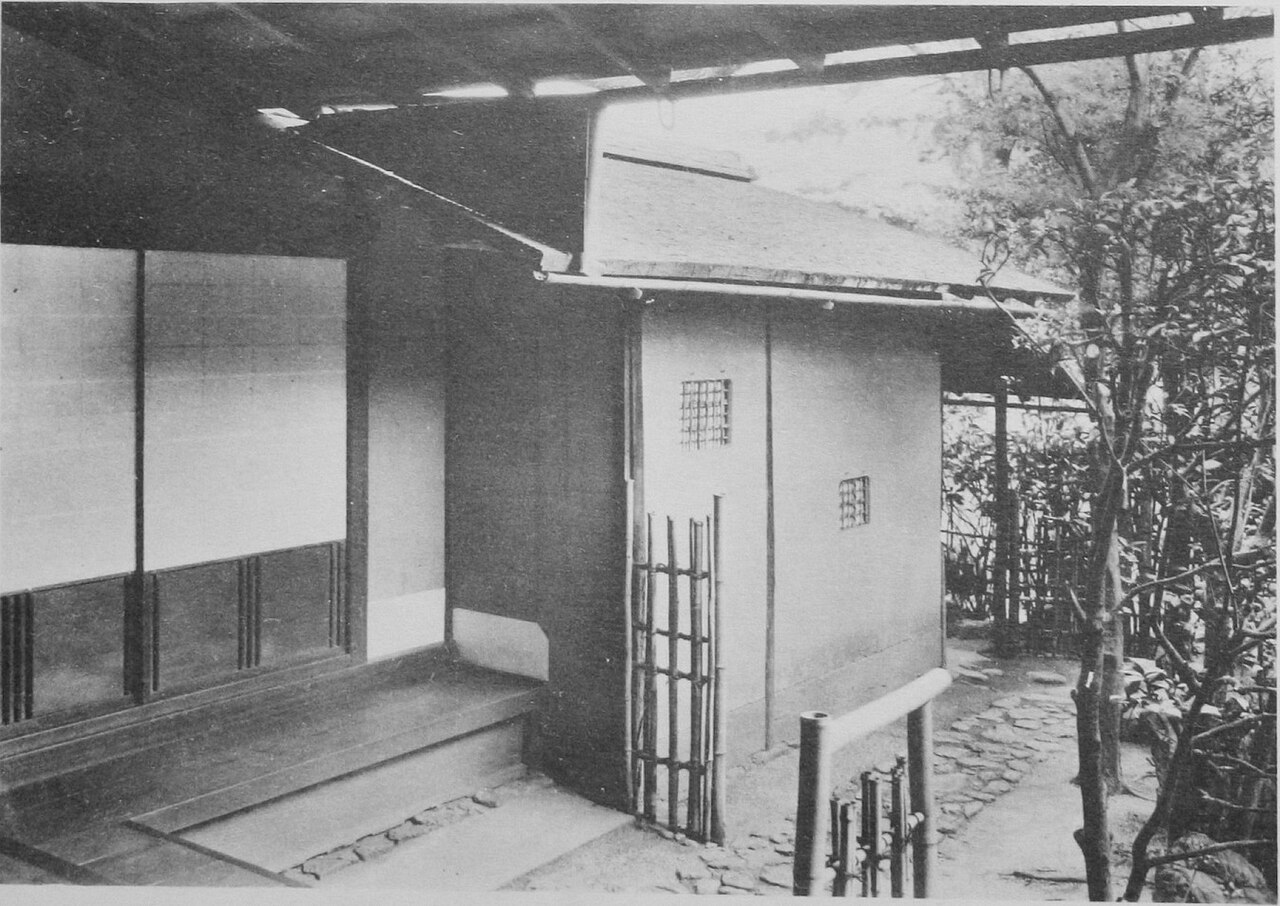
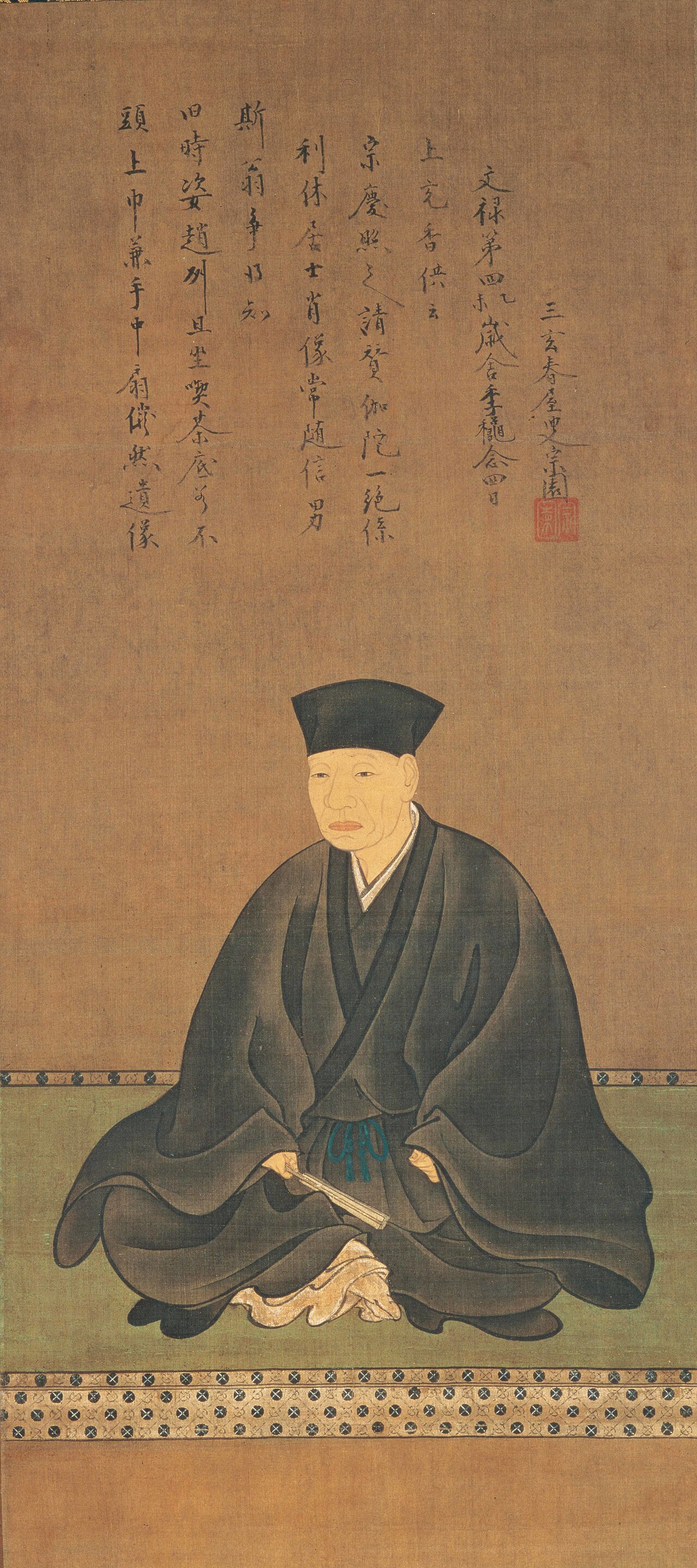
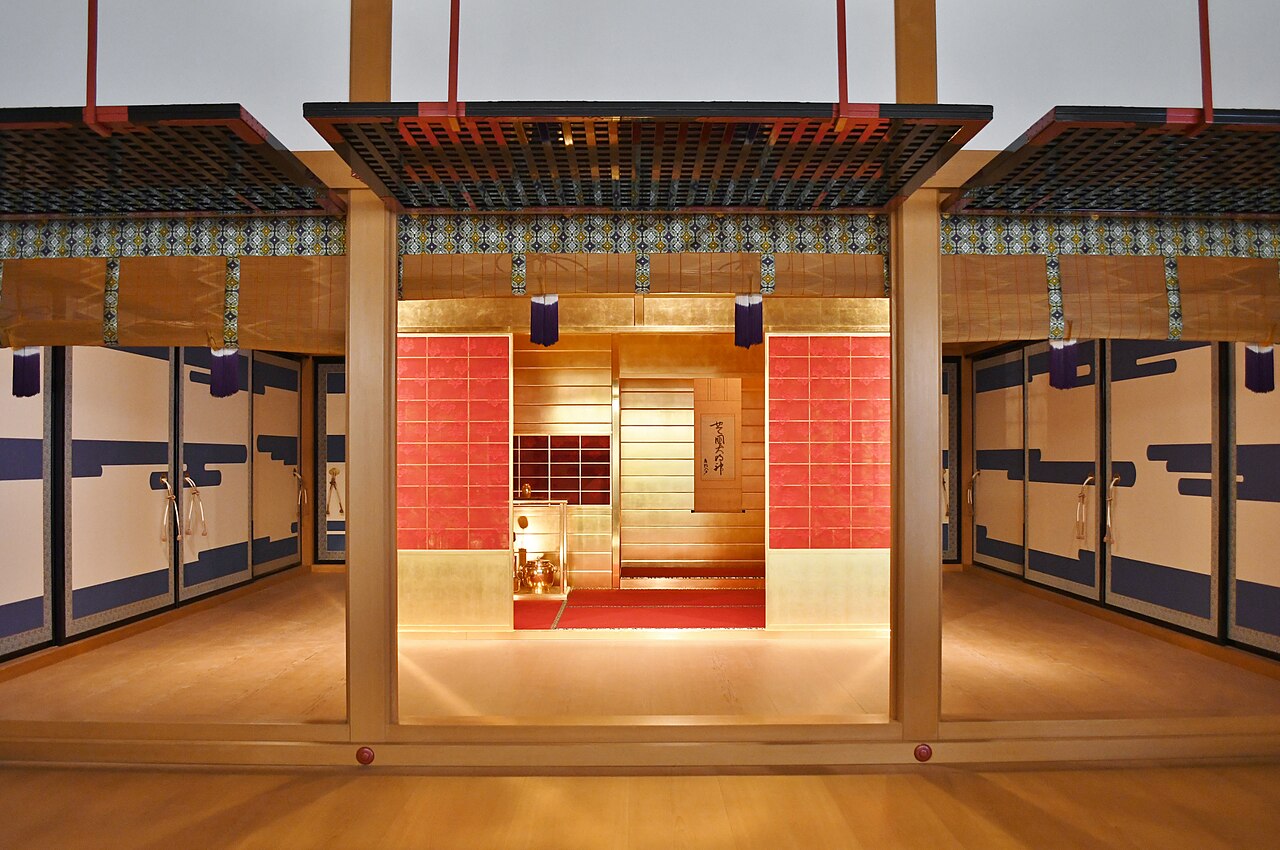
Ready when you are
Start chatting with Sen no Rikyū now.
20 messages free · No credit card · Available in 50+ languages.