


Secondary sourcePaintingbetween 1886 and 1894
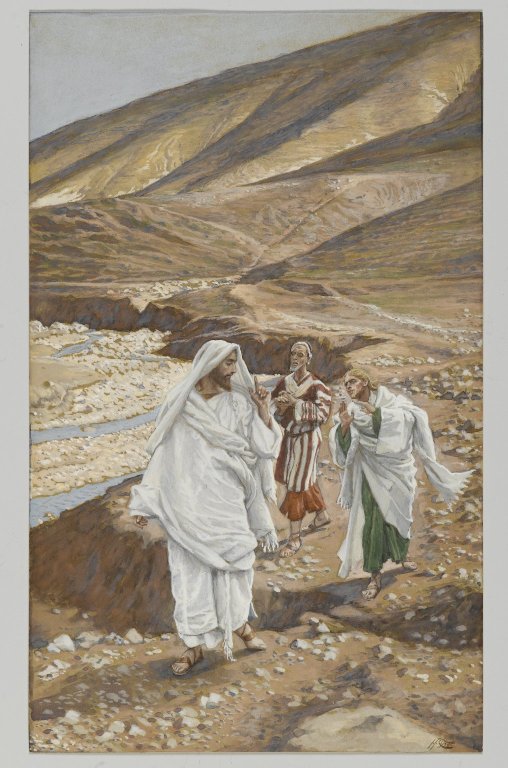
The Calling of Saint John and Saint Andrew
James Tissot · between 1886 and 1894
A watercolor by James Tissot imagining the moment John and Andrew were called to follow Jesus.
This later painting imagines John's calling as a disciple, a key moment in traditional accounts of his life.
About this source
What it is
This watercolor painting is by French artist James Tissot, made between 1886 and 1894. It depicts a robed figure walking through a rocky landscape, followed by two younger men, representing the calling of John and Andrew as disciples.
Why it matters
Tissot painted this scene long after the events it depicts, as part of a larger series imagining the life of Jesus and his followers. It shows how 19th-century artists tried to recreate biblical scenes realistically, shaping how many people later pictured John's early life.
Look closer
- What mood does the barren landscape create for this scene?
- How does Tissot use clothing to distinguish the leading figure from the two followers?
- Since Tissot lived nearly two thousand years after this event, what choices did he have to make up himself?
This painting is part of the curated material that grounds the AI version of John the Apostle on Humy.ai — when students ask about related events, the AI can quote it and cite it.
More John the Apostle sources
Browse all 87 → Book
Secondary source
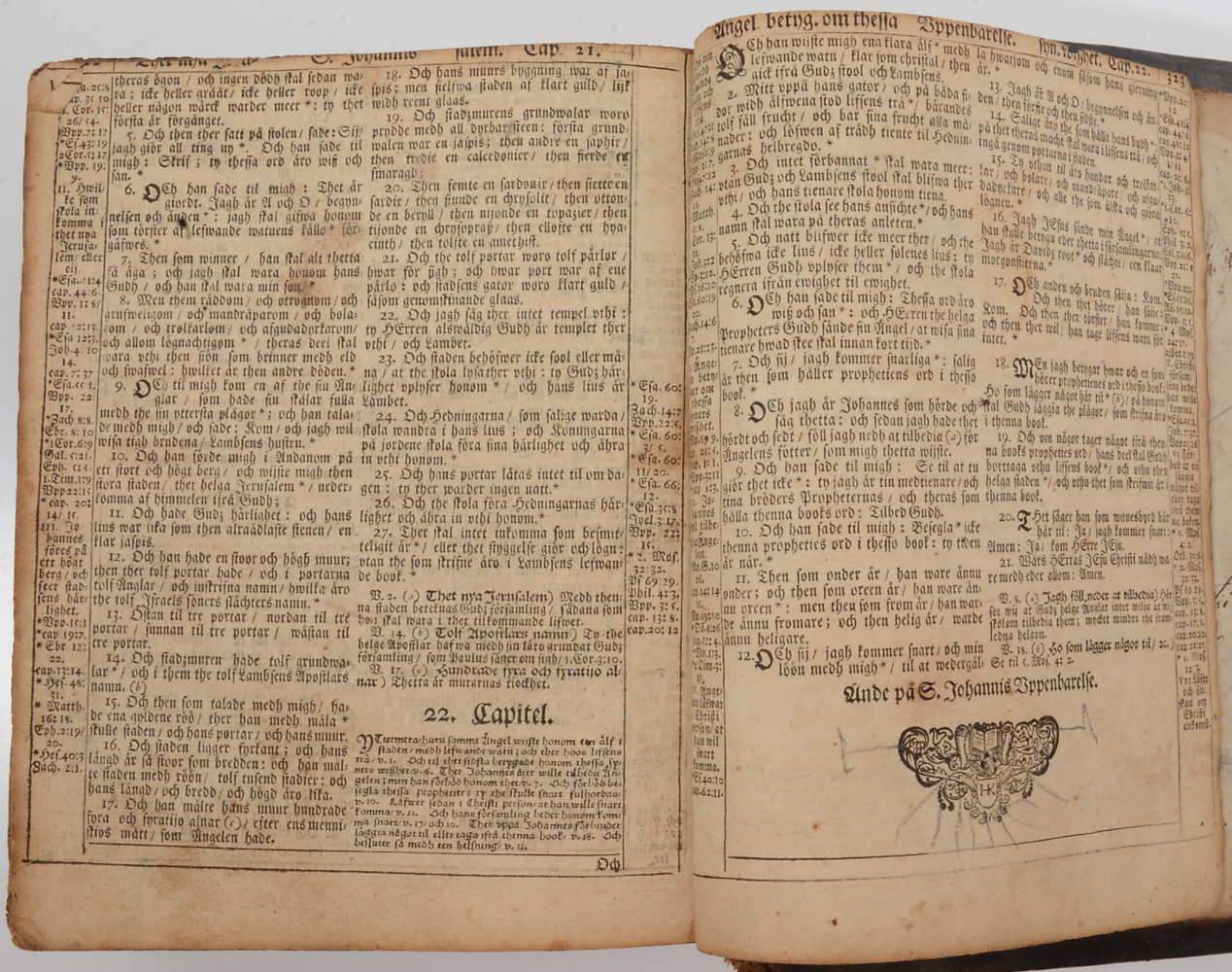
Gospel of John
John the Evangelist · c. AD 90-100
 Book
Primary source
Book of Revelation
John of Patmos · c. 95 AD
 Letter
Secondary source
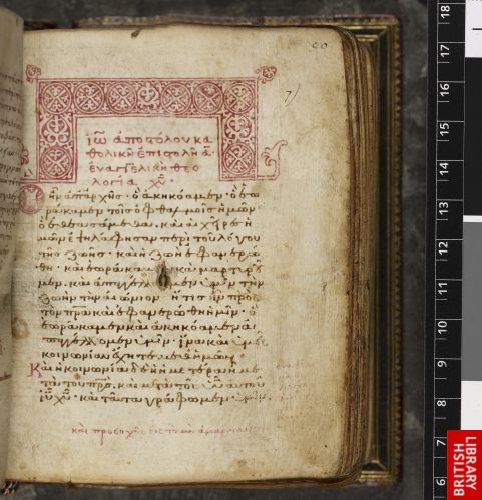
First Epistle of John
John the Presbyter · c. 95-110 AD
 Document
Secondary source
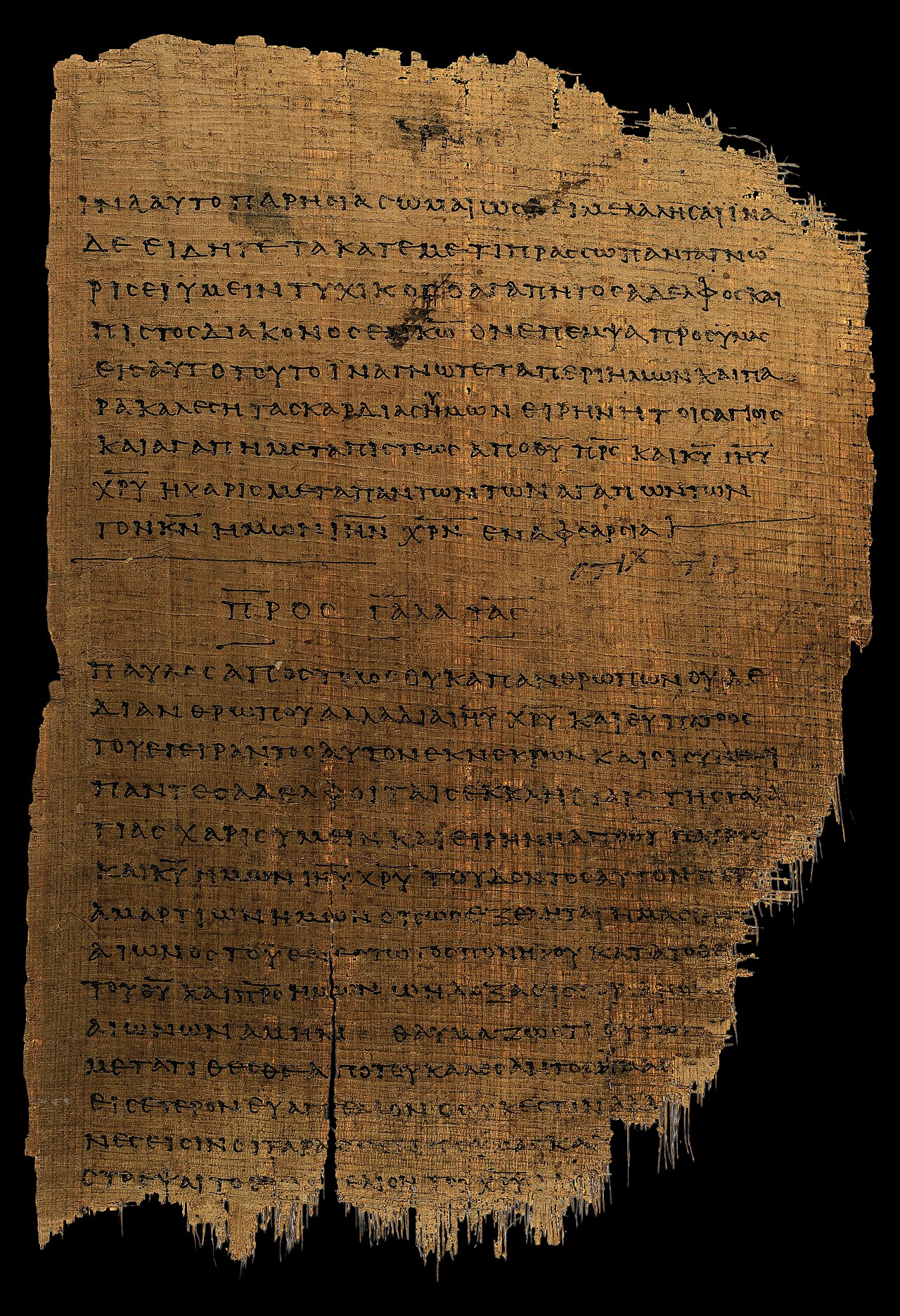
Rylands Library Papyrus P52
c. 125-175 AD
Free account
Read every John the Apostle source
Sign up free →
Ready when you are
Start chatting with John the Apostle now.
20 messages free · No credit card · Available in 50+ languages.