


Primary sourceSculpture1908
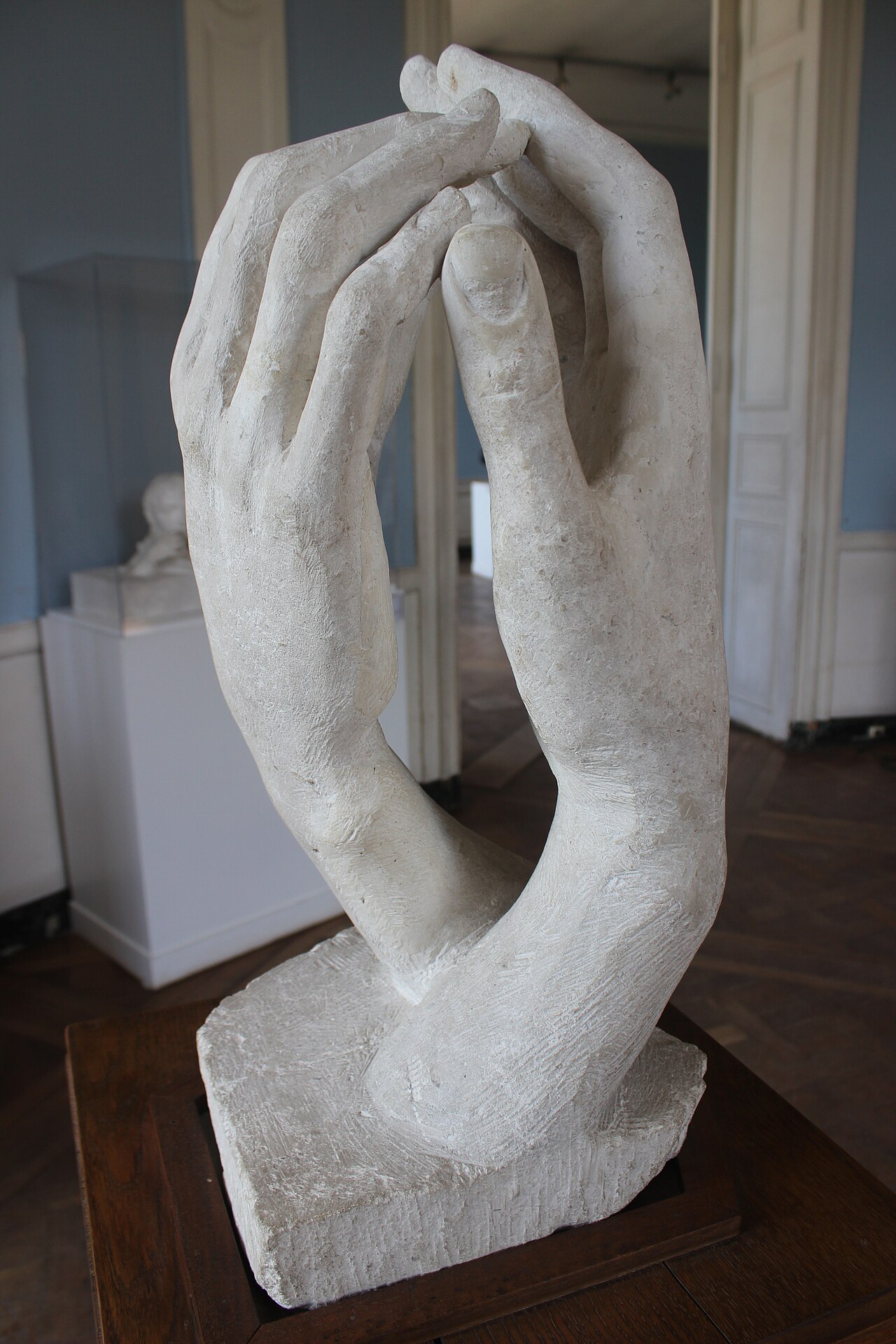
The Cathedral
Auguste Rodin · 1908
A sculpture by Auguste Rodin of two large, intertwined right hands forming an arch, now in the Musée Rodin.
A sculpture made by Rodin reflecting his late obsession with hands and his love of Gothic architecture.
About this source
What it is
This sculpture by Auguste Rodin, conceived in 1908, shows two right hands belonging to two different figures, interlocking at the fingertips to form an arch. It was originally carved in stone and later cast in bronze in several editions. The Musée Rodin holds a plaster version.
Why it matters
The work reflects Rodin's late-career fascination with hands as expressive subjects on their own, separate from a full body. The arch shape also connects to his admiration for Gothic cathedrals, blending his interest in architecture with the human form.
Look closer
- Why might Rodin choose to sculpt only hands, without the rest of the body?
- How does the shape of the hands recall architecture, such as a Gothic arch?
- What feelings or ideas can hands alone communicate that a full figure might not?
This sculpture is part of the curated material that grounds the AI version of Auguste Rodin on Humy.ai — when students ask about related events, the AI can quote it and cite it.
More Auguste Rodin sources
Browse all 98 →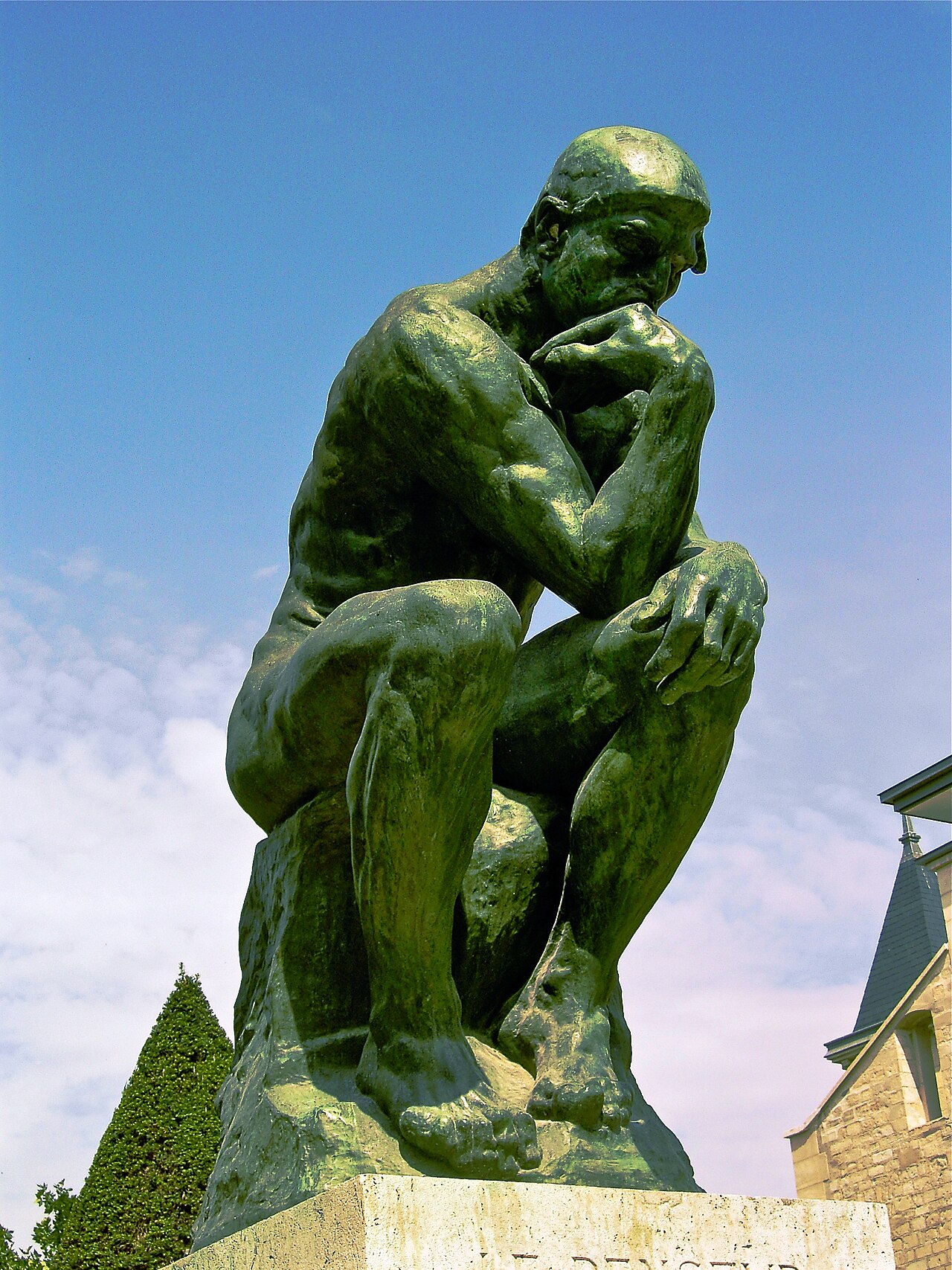 Sculpture
Secondary source
The Thinker
Auguste Rodin · 1882
 Sculpture
Primary source
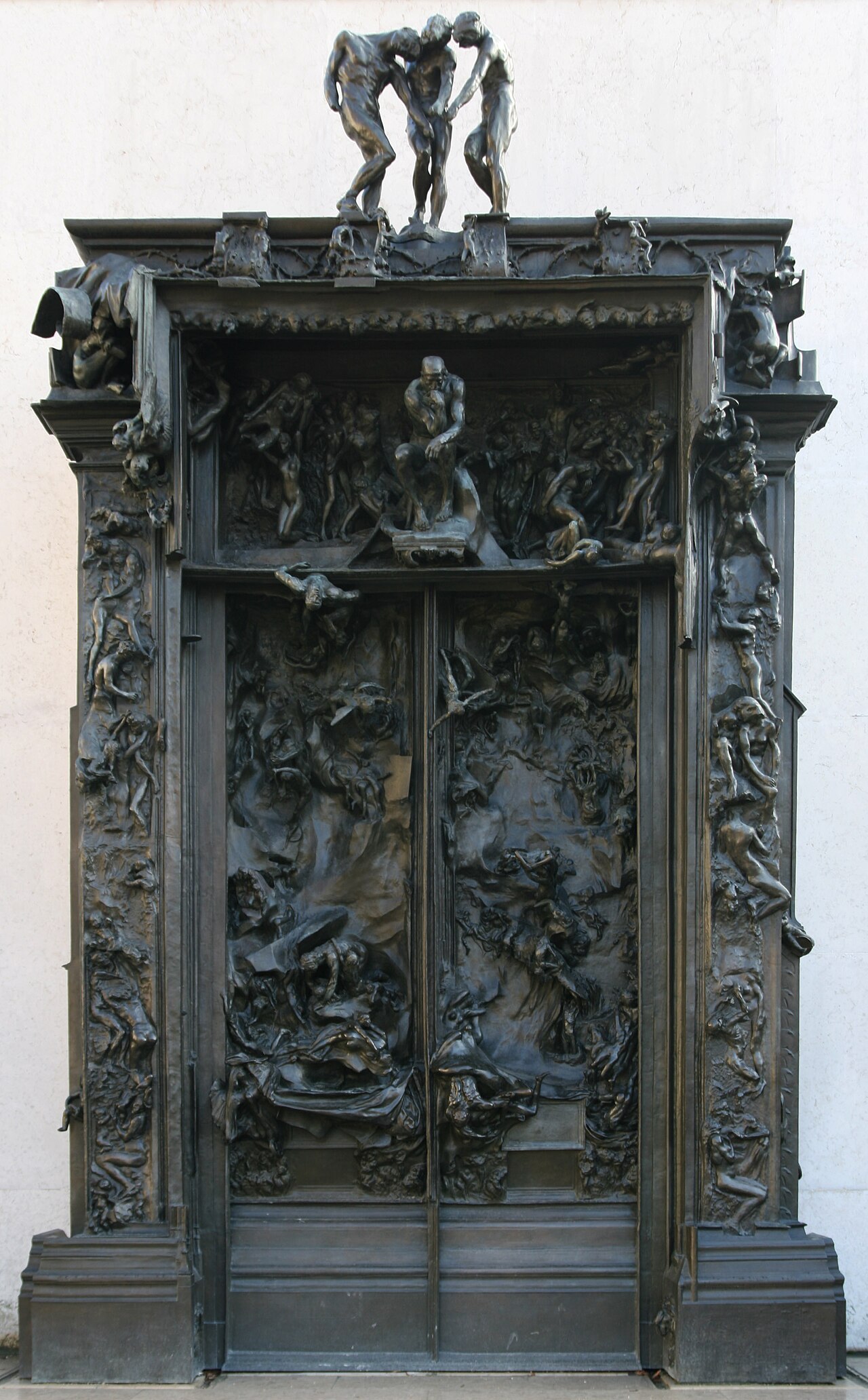
The Gates of Hell
Auguste Rodin · 1880-1917
 Sculpture
Primary source
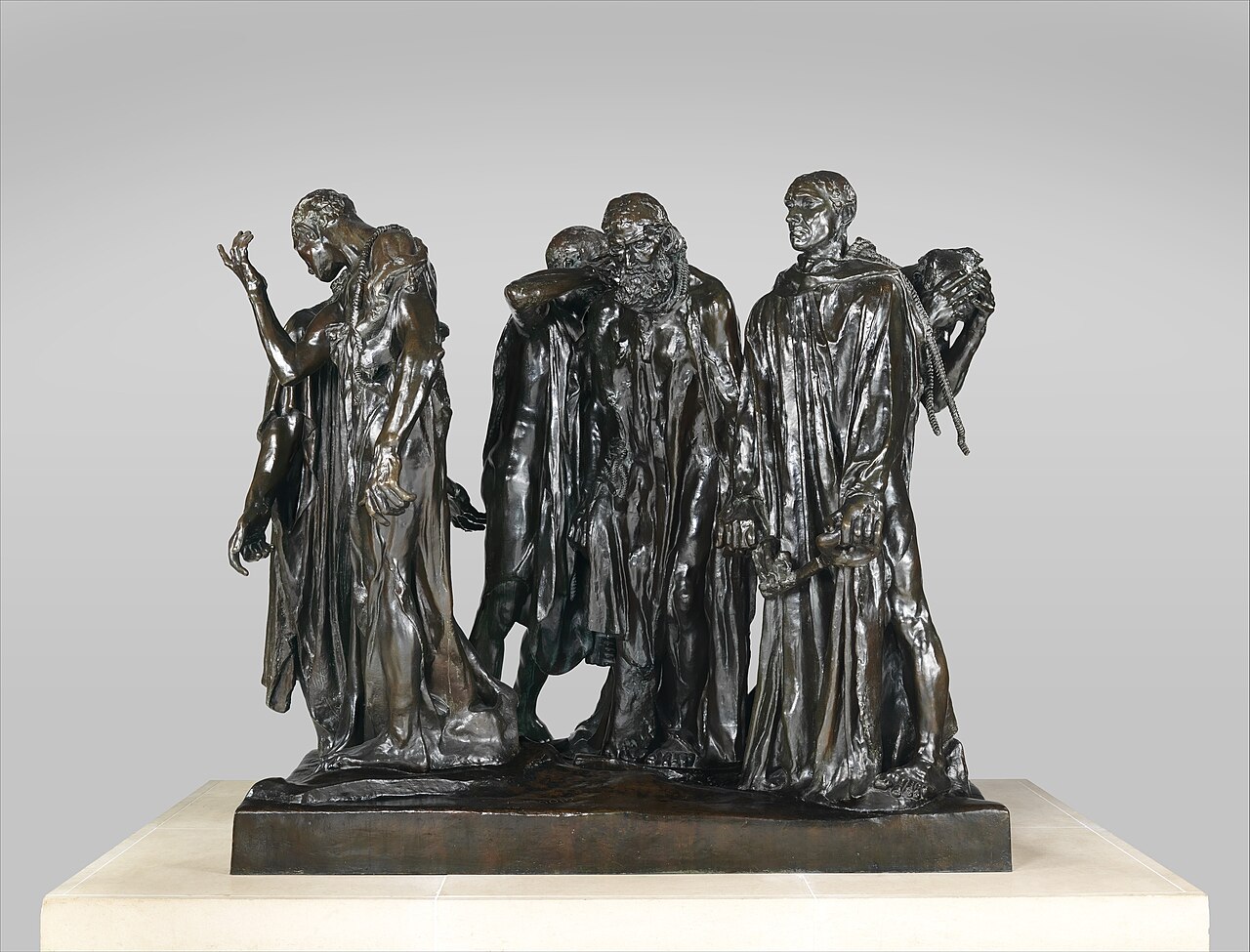
The Burghers of Calais
Auguste Rodin · 1884-1889
 Sculpture
Primary source
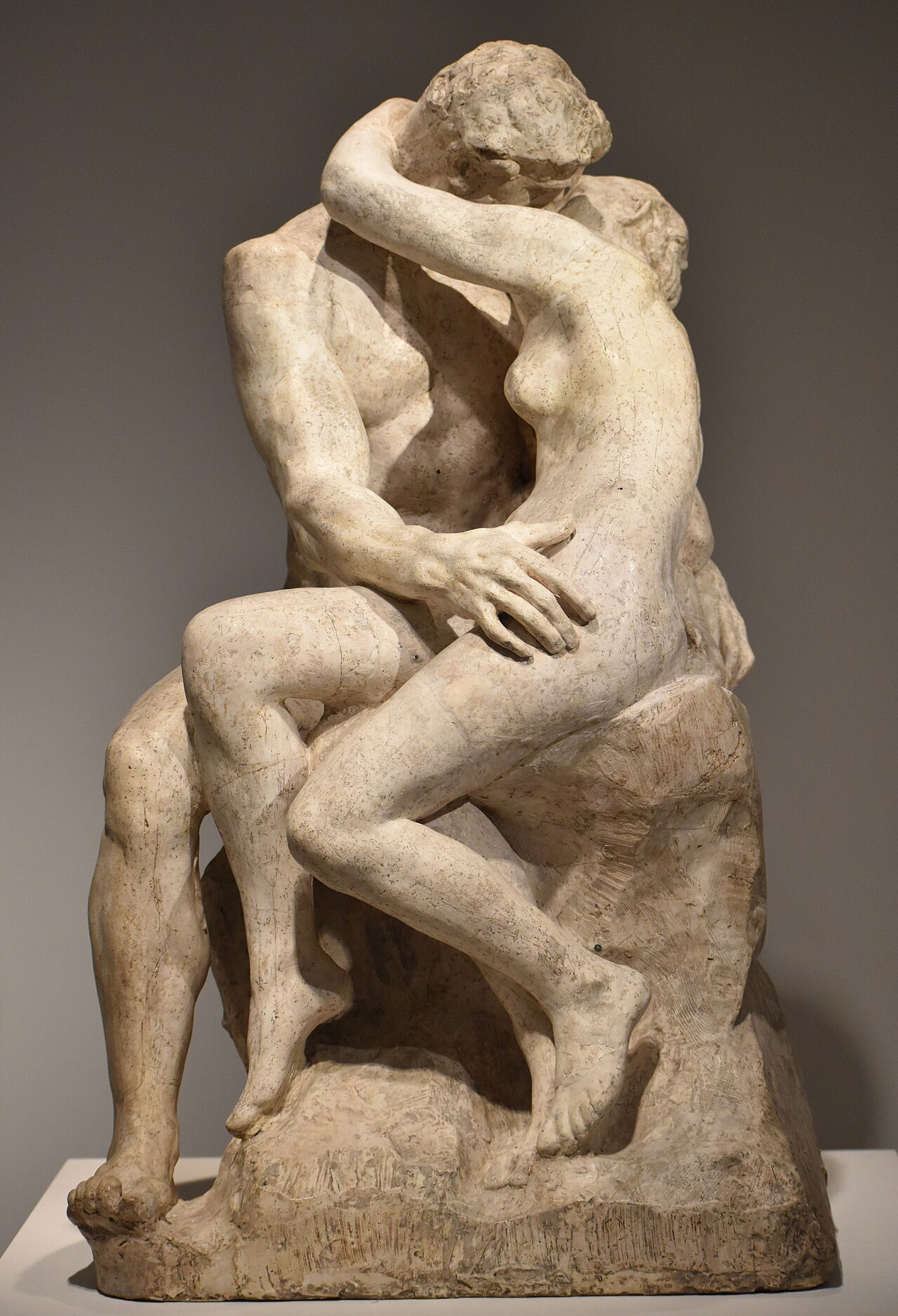
The Kiss
Auguste Rodin · 1882
Free account
Read every Auguste Rodin source
Sign up free →
Ready when you are
Start chatting with Auguste Rodin now.
20 messages free · No credit card · Available in 50+ languages.