


Secondary sourcePhotograph1870s
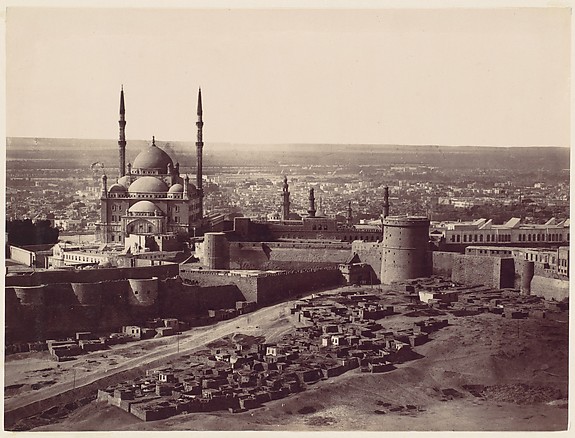
The Citadel and the Mosque of Muhammad Ali, Cairo
Unknown · 1870s
A 19th-century photograph of the Cairo Citadel, the fortress complex founded by Saladin, with the later Mosque of Muhammad Ali visible behind its walls.
This photograph shows the Cairo Citadel, the seat of power in the city where Ibn Khaldun served as a judge.
About this source
What it is
This is an albumen silver print photograph from the 1870s, showing the Citadel of Cairo from above. The large domed building with two minarets is the Mosque of Muhammad Ali, added centuries after the Citadel was first built. The photograph is held by The Metropolitan Museum of Art.
Why it matters
The Citadel seen here was founded as a fortress by Saladin when he ruled Egypt, making it one of the lasting marks of his power. Although the mosque pictured belongs to a much later ruler, Muhammad Ali, the walls and site itself connect directly back to Saladin's reign and his efforts to defend Cairo.
Look closer
- What does the position of the fortress on high ground tell you about its original purpose?
- Why might a photographer in the 1870s have chosen this viewpoint?
- What parts of the image come from Saladin's time, and what was added later?
This photograph is part of the curated material that grounds the AI version of Ibn Khaldun on Humy.ai — when students ask about related events, the AI can quote it and cite it.
More Ibn Khaldun sources
Browse all 56 →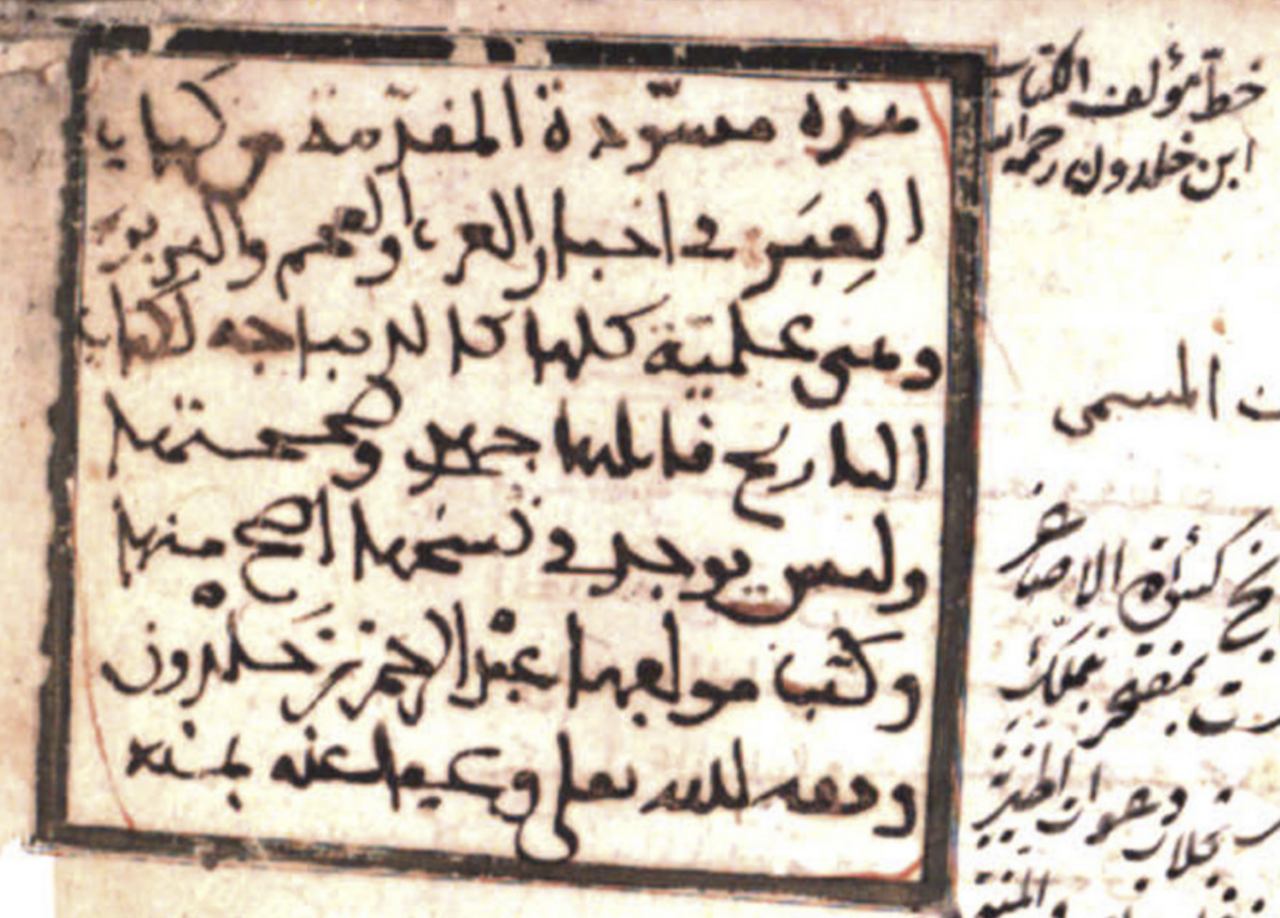 Book
Primary source
Muqaddimah Manuscript, MS Atıf Efendi 1936
Ibn Khaldūn
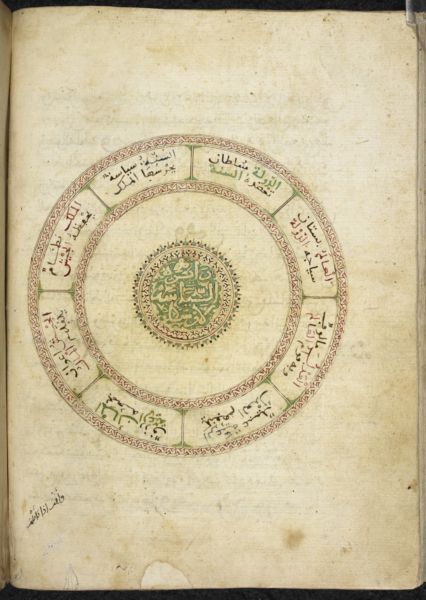 Document
Secondary source
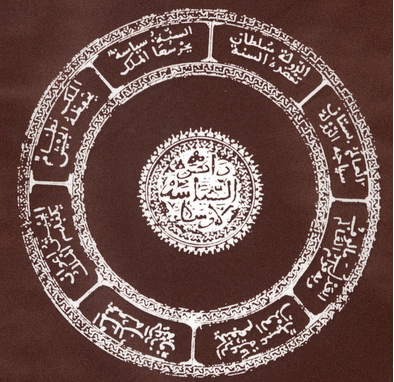
Circle of Policy Diagram in the Muqaddimah
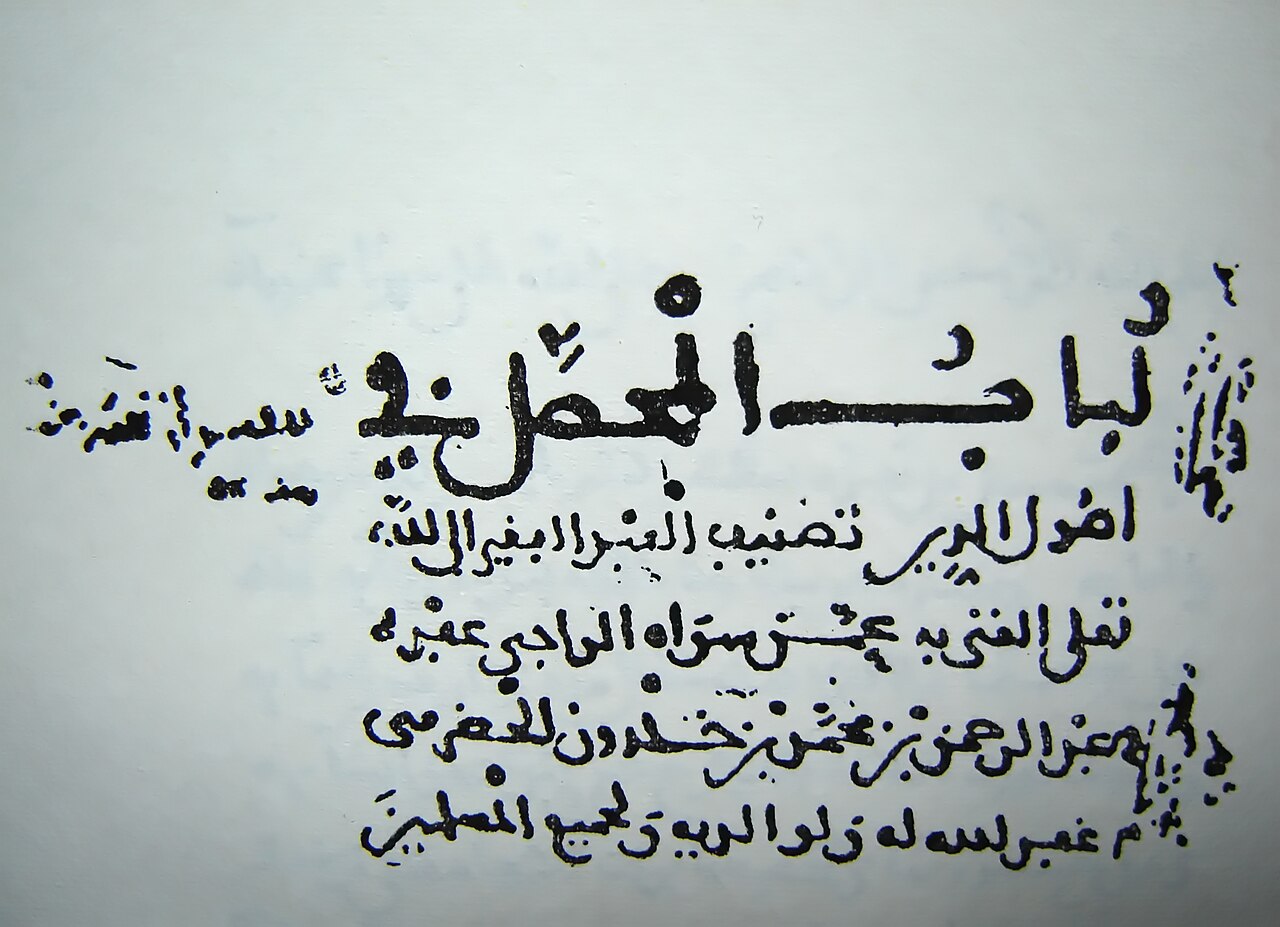 Artifact
Secondary source
Lubab al-Muhassal manuscript page
Ibn Khaldun
 Artifact
Secondary source
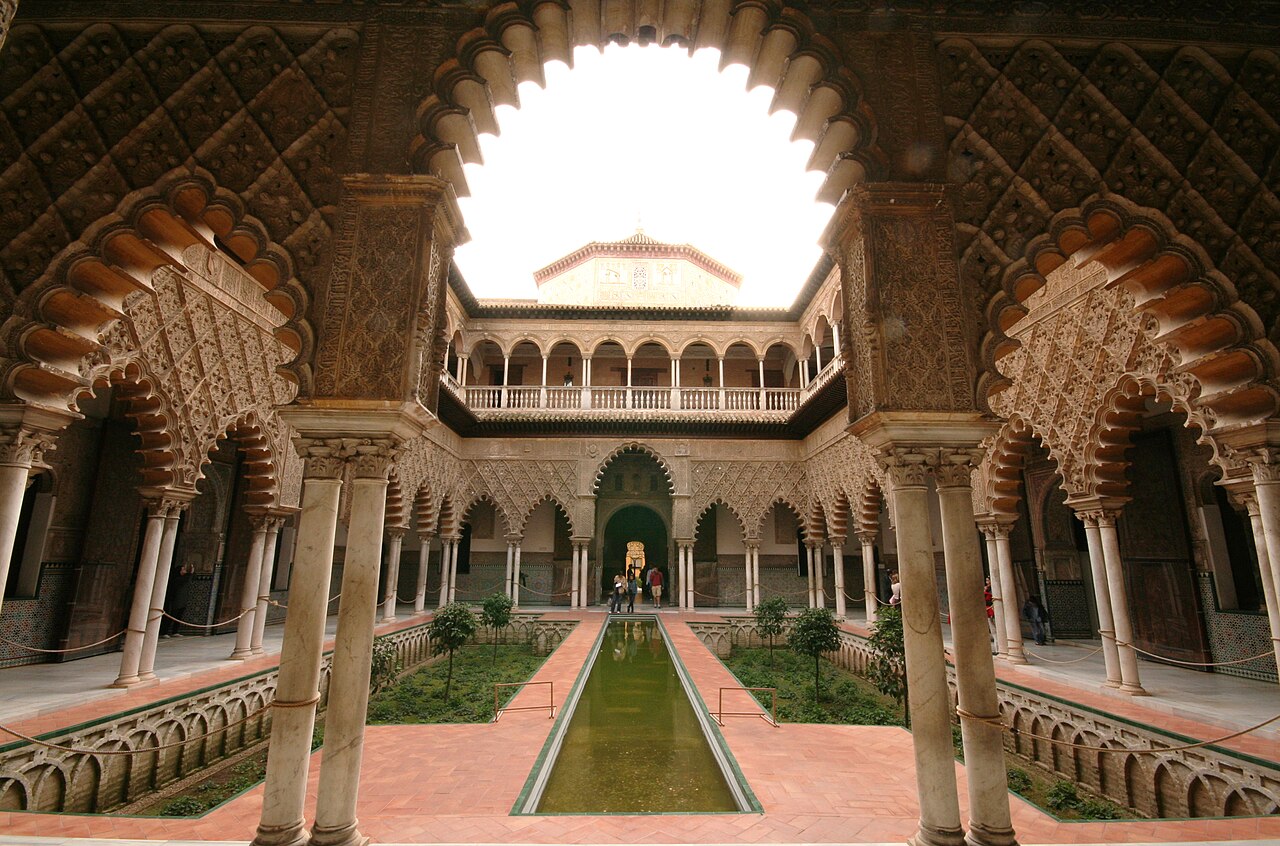
Royal Alcázar of Seville
begun 1364
Free account
Read every Ibn Khaldun source
Sign up free →
Ready when you are
Start chatting with Ibn Khaldun now.
20 messages free · No credit card · Available in 50+ languages.