


Secondary sourceBook1910
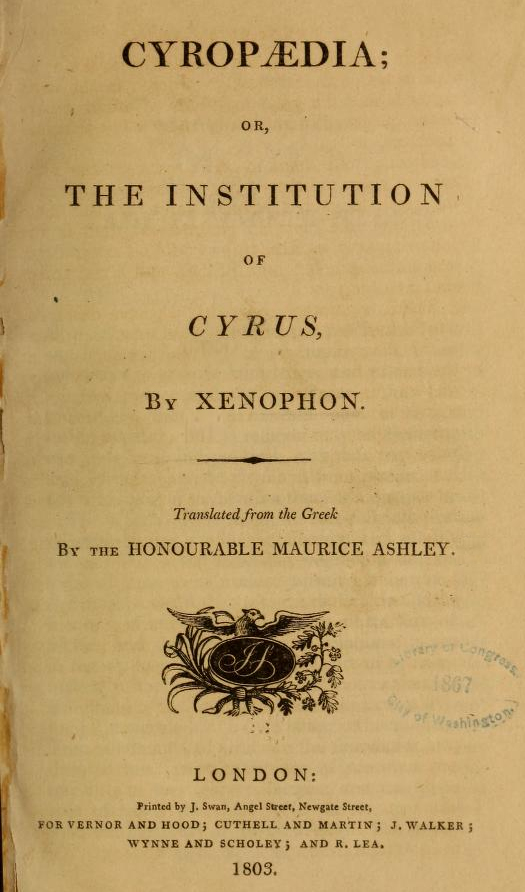
The Conqueror (from The Children's Plutarch)
1910
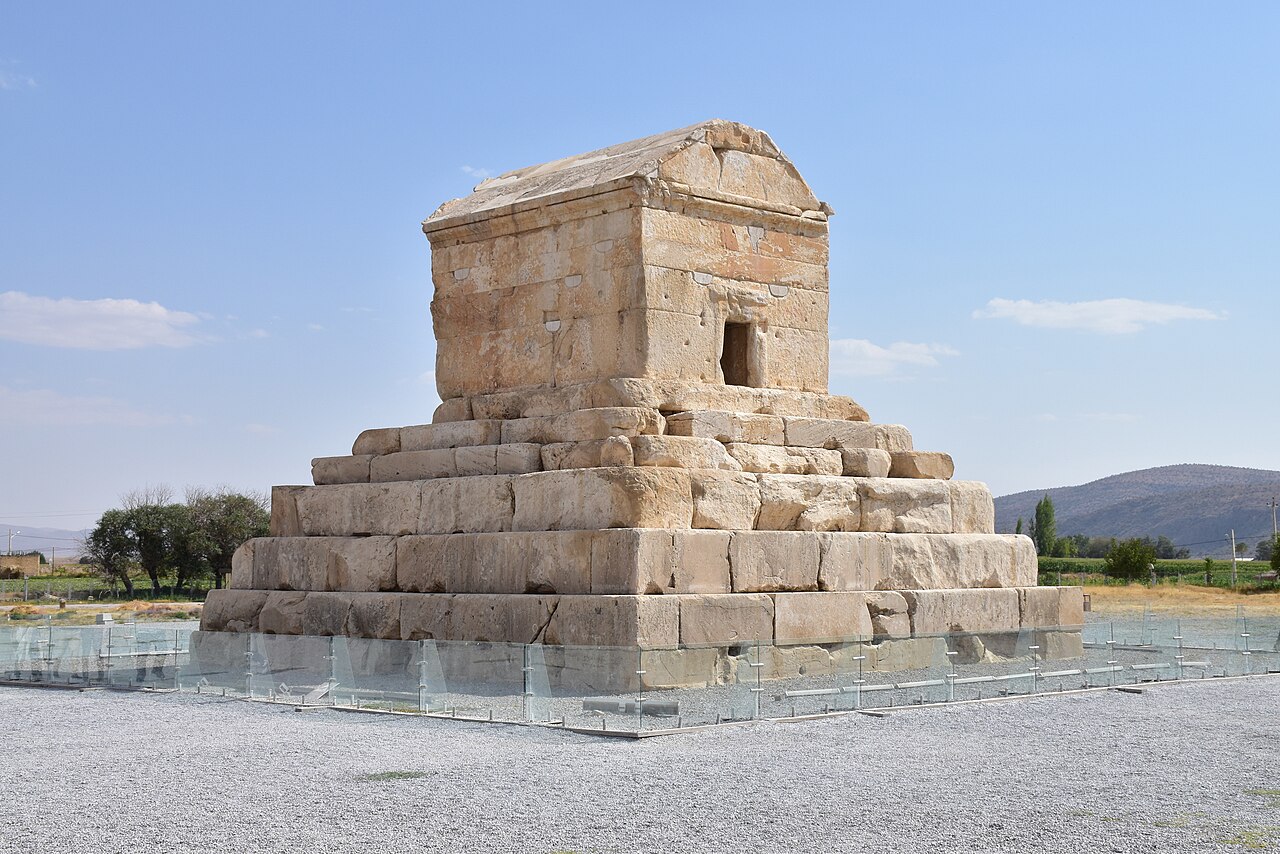
A 1910 children's retelling in which Alexander visits the tomb of Cyrus at Pasargadae and reads the inscription on it.
A retelling in which Alexander visits Cyrus's tomb, showing how Cyrus was remembered by later readers.
About this source
What it is
This is a chapter titled The Conqueror from The Children's Plutarch, published in 1910. It is a retelling for young readers, not the original ancient text. The archive excerpt describes Alexander, on his return to Persia, arriving at the grave of the famous King Cyrus, where words were cut on a slab of stone above the tomb. The opening of the chapter tells a story of the young Prince Alexander and a difficult horse.
Why it matters
The story of Alexander visiting Cyrus's tomb was told by ancient writers and was retold for children in later centuries. It shows that Cyrus remained a famous figure long after his empire fell, and that later rulers and readers looked to him as a model. The chapter tells us as much about the 1910 audience and its ideas of heroic leaders as it does about the Persian king.
Look closer
- Why might a children's book about Alexander include a visit to the grave of Cyrus?
- What qualities of a leader does the story emphasize, and how are they shown?
- What does the retelling leave out compared with the older sources it draws on?
This book is part of the curated material that grounds the AI version of Cyrus the Great on Humy.ai — when students ask about related events, the AI can quote it and cite it.
More Cyrus the Great sources
Meet the AI Cyrus the Great →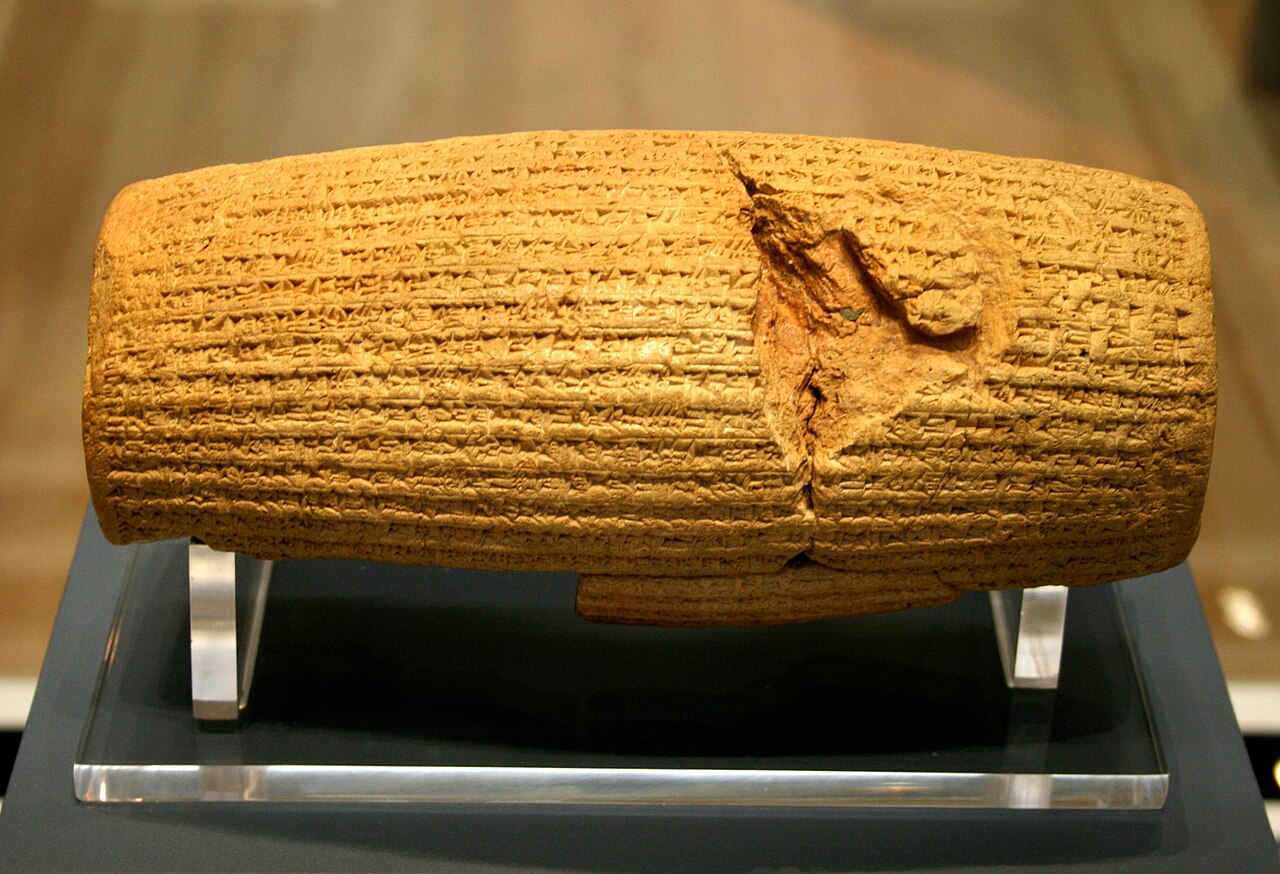

Ready when you are
Start chatting with Cyrus the Great now.
20 messages free · No credit card · Available in 50+ languages.