


Primary sourceBook1811
The Curse of Minerva
Lord Byron · 1811
A satirical poem by Lord Byron from 1811 that attacks Lord Elgin. The poem is written as a curse spoken by the Greek goddess Minerva.
Byron wrote this 1811 satire attacking Lord Elgin, which shows his willingness to use poetry for public criticism of powerful people.
Free Humy account · No credit card · 120,912 sources to read
About this source
What it is
The Curse of Minerva is a satirical poem written by Lord Byron in 1811. It is written against Lord Elgin and is spoken in the voice of Minerva, the Greek goddess. The opening carries a Latin epigraph from Virgil's Aeneid. Editorial notes in the printed versions describe changes made to the poem, including a footnote about the removal of Lord Elgin's name from a pillar of a Greek temple, while Lady Elgin's name was left untouched. The text used here is a Wikisource transcription.
Why it matters
The poem shows how Byron used his talent for satire to attack a public figure of his day. It also shows how the poem was passed from one printed version to another, with notes and omitted lines added by editors. Reading it helps students see that a single poem can exist in several versions, and that editors can shape what readers see.
Look closer
- Who is the speaker of the poem, and why would Byron choose a goddess to deliver the attack?
- What do the editorial notes tell us about how the poem was changed after it was first printed?
- Whose voice is missing from this poem, and how does Byron present Lord Elgin?
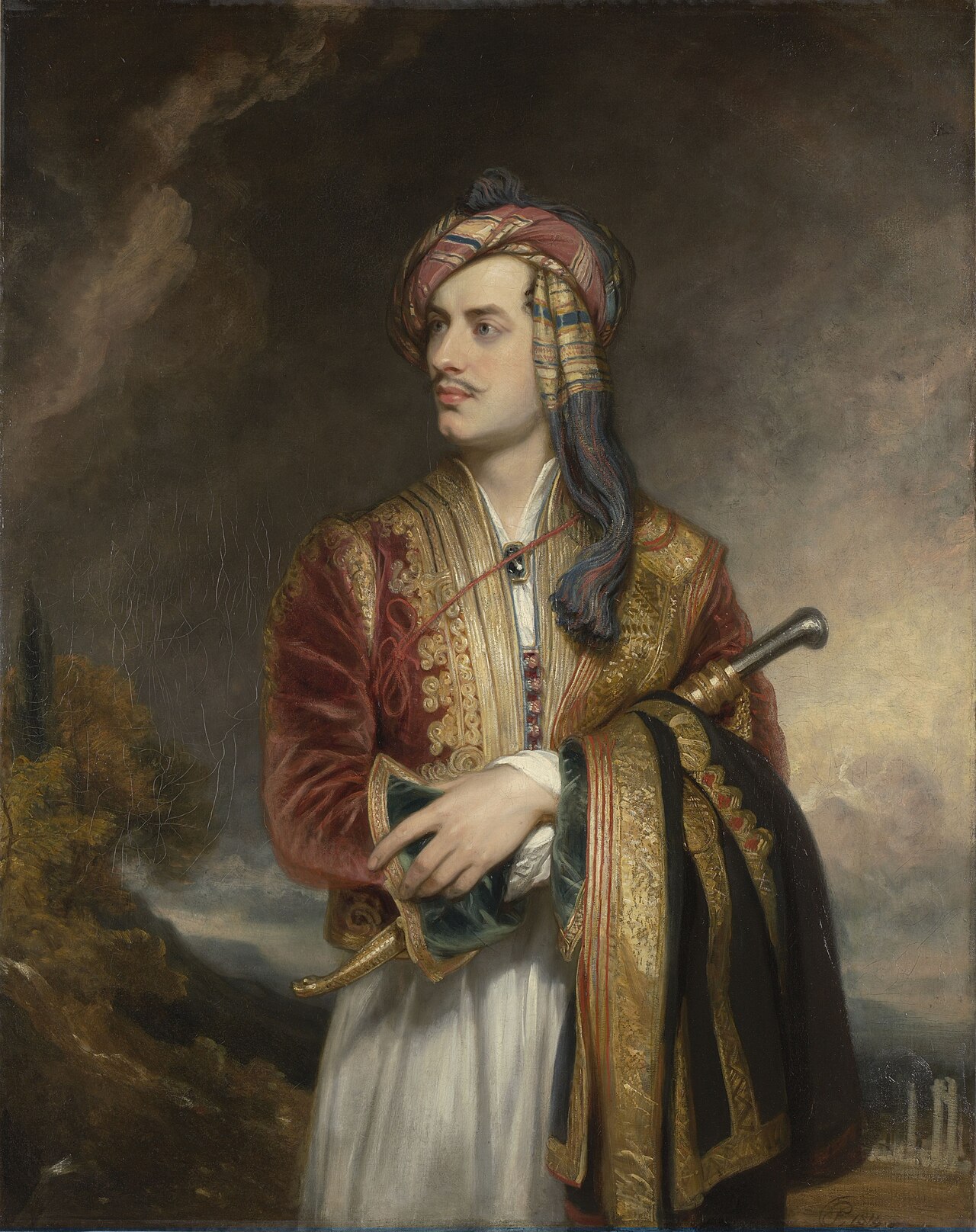
This book is part of the curated material that grounds the AI version of Lord Byron on Humy.ai — when students ask about related events, the AI can quote it and cite it.
More Lord Byron sources
Browse all 98 →
Ready when you are
Start chatting with Lord Byron now.
20 messages free · No credit card · Available in 50+ languages.