


Secondary sourcePainting1867
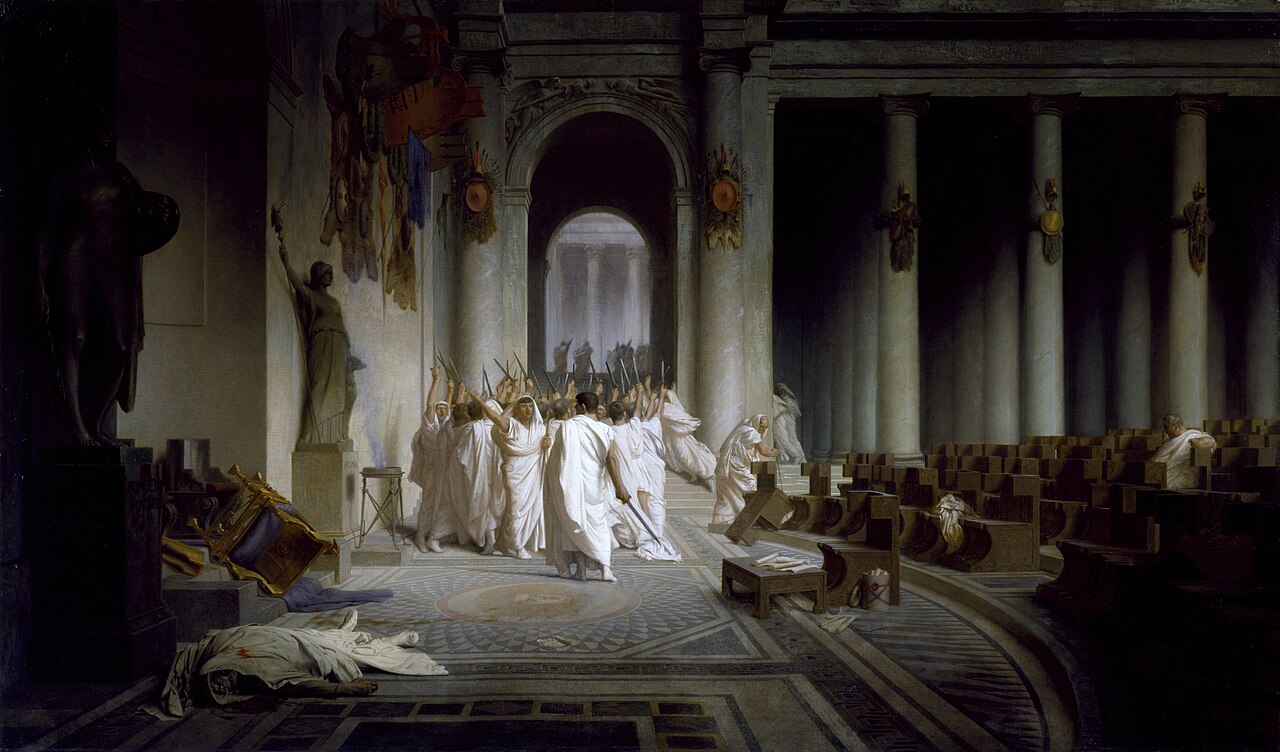
The Death of Caesar
Jean-Léon Gérôme · 1867
An 1867 painting by Jean-Léon Gérôme showing the empty Senate chamber moments after Caesar's assassination.
This painting imagines the scene just after Caesar's assassination, a pivotal moment in his life and death.
About this source
What it is
The Death of Caesar is an 1867 painting by the French artist Jean-Léon Gérôme, now held at the Walters Art Museum in Baltimore. It shows the moment just after Julius Caesar's assassination on the Ides of March, 44 BC, as the conspirators walk away from his body in the Theatre of Pompey.
Why it matters
Rather than showing the stabbing itself, Gérôme depicted its aftermath, with the Senate hall emptying and Caesar's body left behind. His smooth, realistic technique made the scene feel almost like a photograph, showing how nineteenth-century artists imagined ancient history with striking, dramatic realism.
Look closer
- Why might Gérôme have chosen to paint the moment after the murder rather than the murder itself?
- What does the empty hall and departing conspirators suggest about their state of mind?
- How does this painted scene compare with written ancient accounts of the assassination?
This painting is part of the curated material that grounds the AI version of Julius Caesar on Humy.ai — when students ask about related events, the AI can quote it and cite it.
More Julius Caesar sources
Meet the AI Julius Caesar →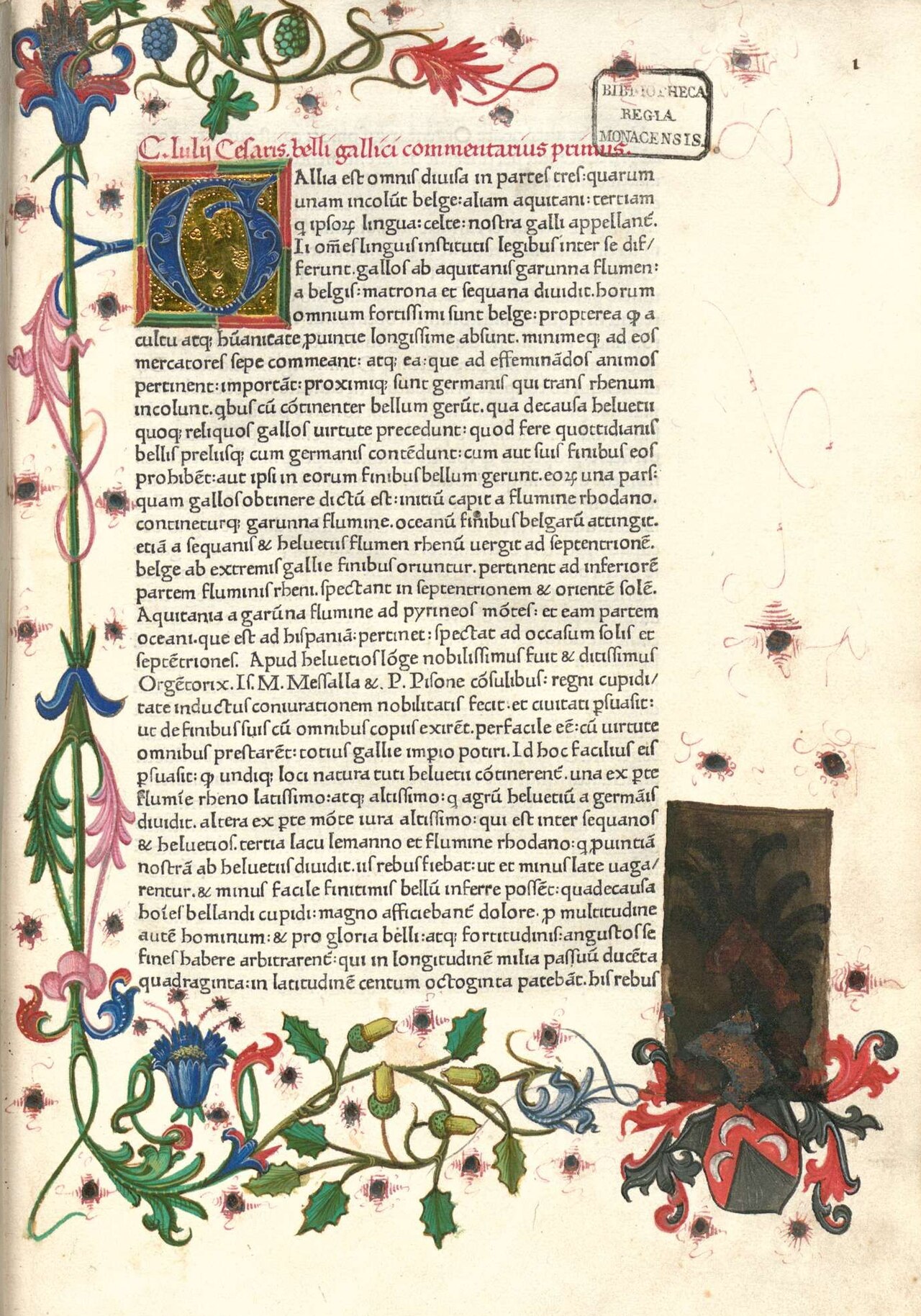 Book
Primary source
Commentarii de Bello Gallico
Julius Caesar · c. 58-50 BCE (this copy 1469)
 Painting
Secondary source
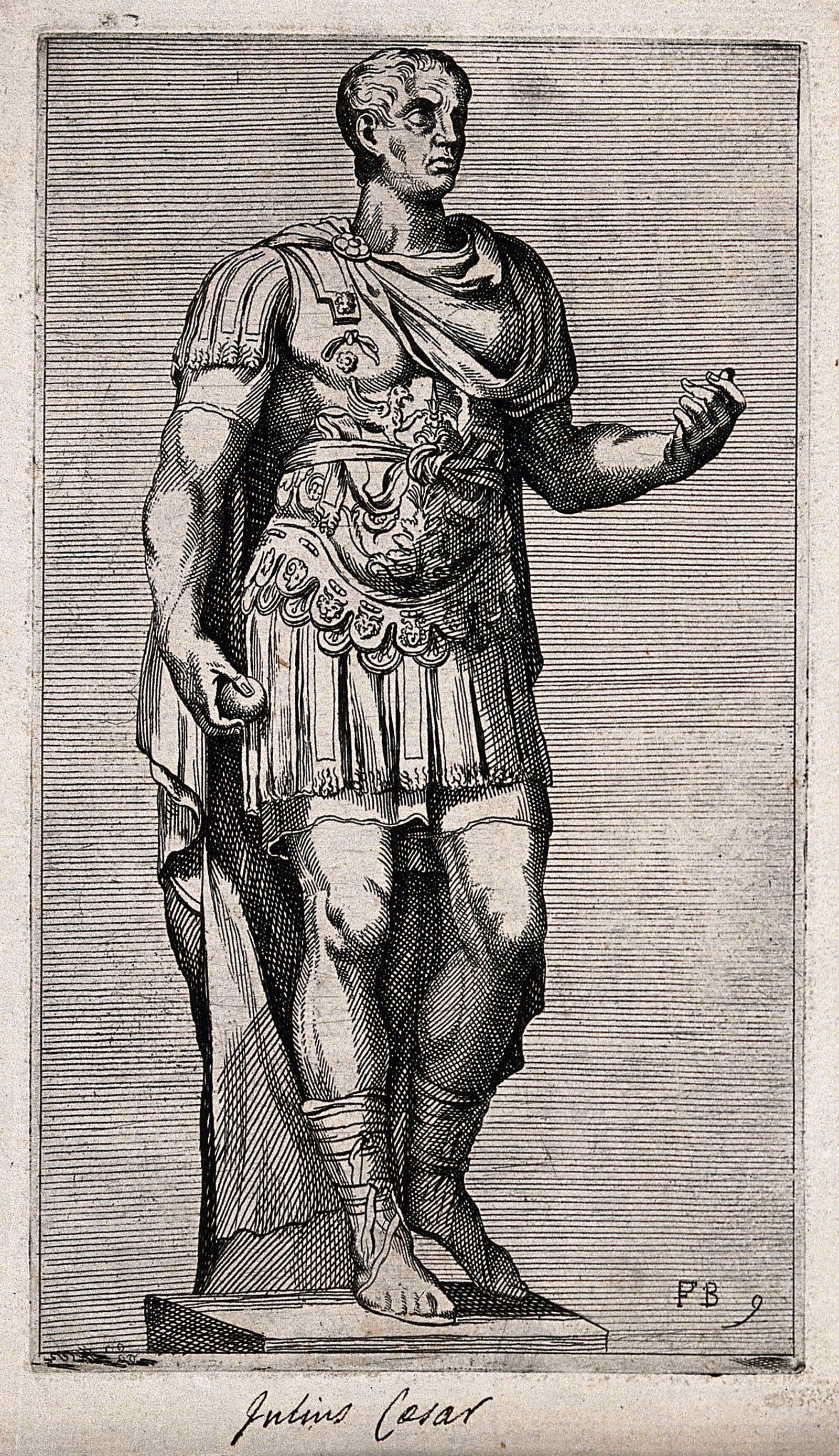
Etched Portrait of Julius Caesar
F. Perrier
 Painting
Secondary source
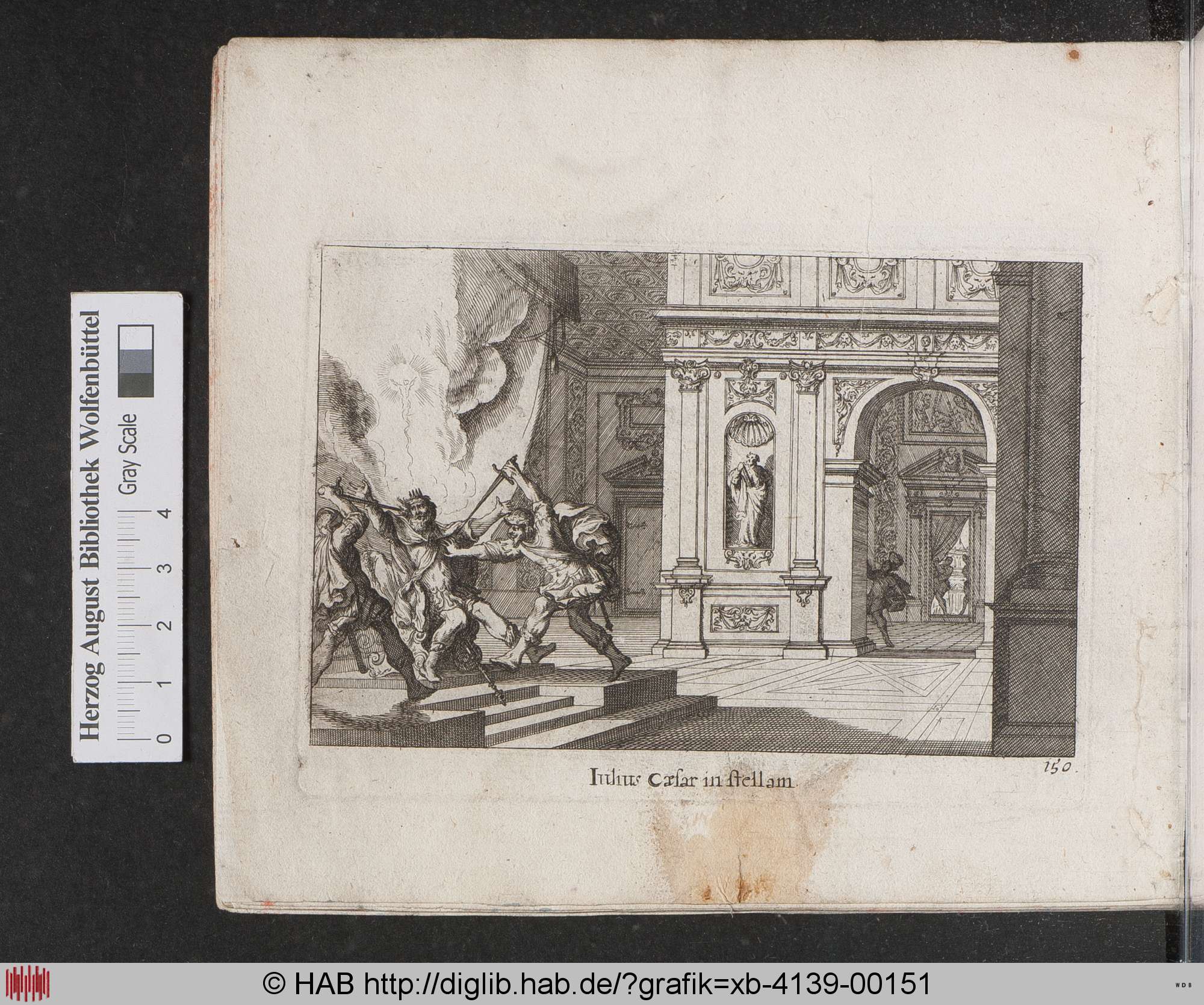
Murder of Julius Caesar in the Senate
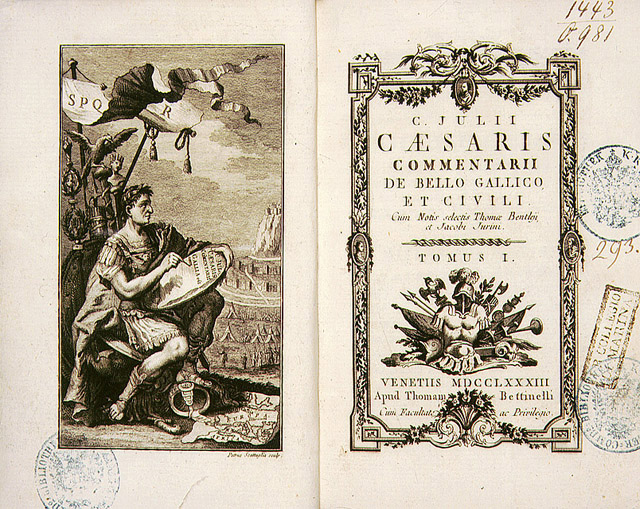 Book
Primary source
Commentarii de Bello Civili
Julius Caesar · 49-48 BCE
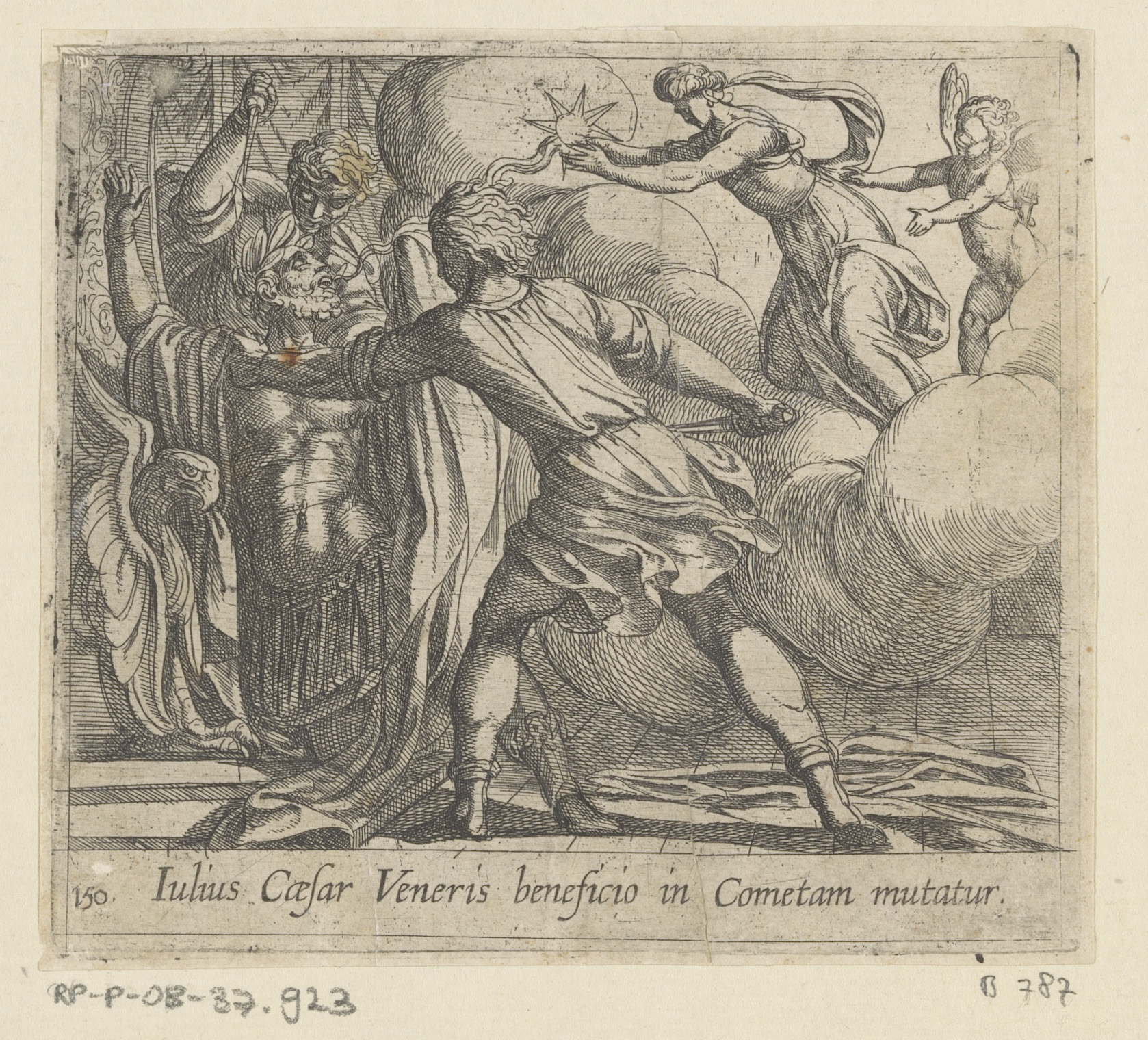 Painting
Secondary source
The Murder of Julius Caesar
1606
Ready when you are
Start chatting with Julius Caesar now.
20 messages free · No credit card · Available in 50+ languages.