


Secondary sourcePaintingc. 1830
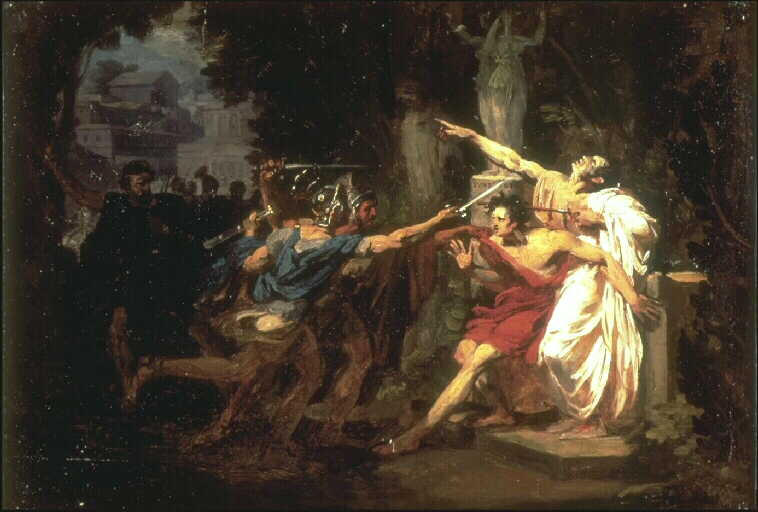
The Death of Caius Gracchus
Félix Auvray · c. 1830
An early 19th-century oil painting imagining the violent death of Gaius Gracchus, held in a French museum.
A later imagined painting of Gaius Gracchus's death, created centuries after his lifetime.
About this source
What it is
This oil painting, made around 1830 by the French artist Félix Auvray, depicts the death of Gaius Sempronius Gracchus. It shows him being attacked with swords by armed men in a garden setting with classical columns, and is now held at the Musée des Beaux-Arts in Valenciennes, France.
Why it matters
Painted roughly two thousand years after the events it shows, this work is part of a long tradition of French artists depicting the deaths of Roman reformers like Gaius Gracchus as dramatic, tragic scenes. Such paintings tell us more about the artistic and political interests of 19th-century France than about the historical event itself.
Look closer
- What details in the painting — the raised sword, the pointing figure, the statue in the background — shape how the viewer understands the scene?
- Why might this subject have appealed to a French artist in the early 1800s?
- What has the artist had to imagine, since no one alive in his time witnessed the event?
This painting is part of the curated material that grounds the AI version of Gaius Gracchus on Humy.ai — when students ask about related events, the AI can quote it and cite it.
More Gaius Gracchus sources
Browse all 42 →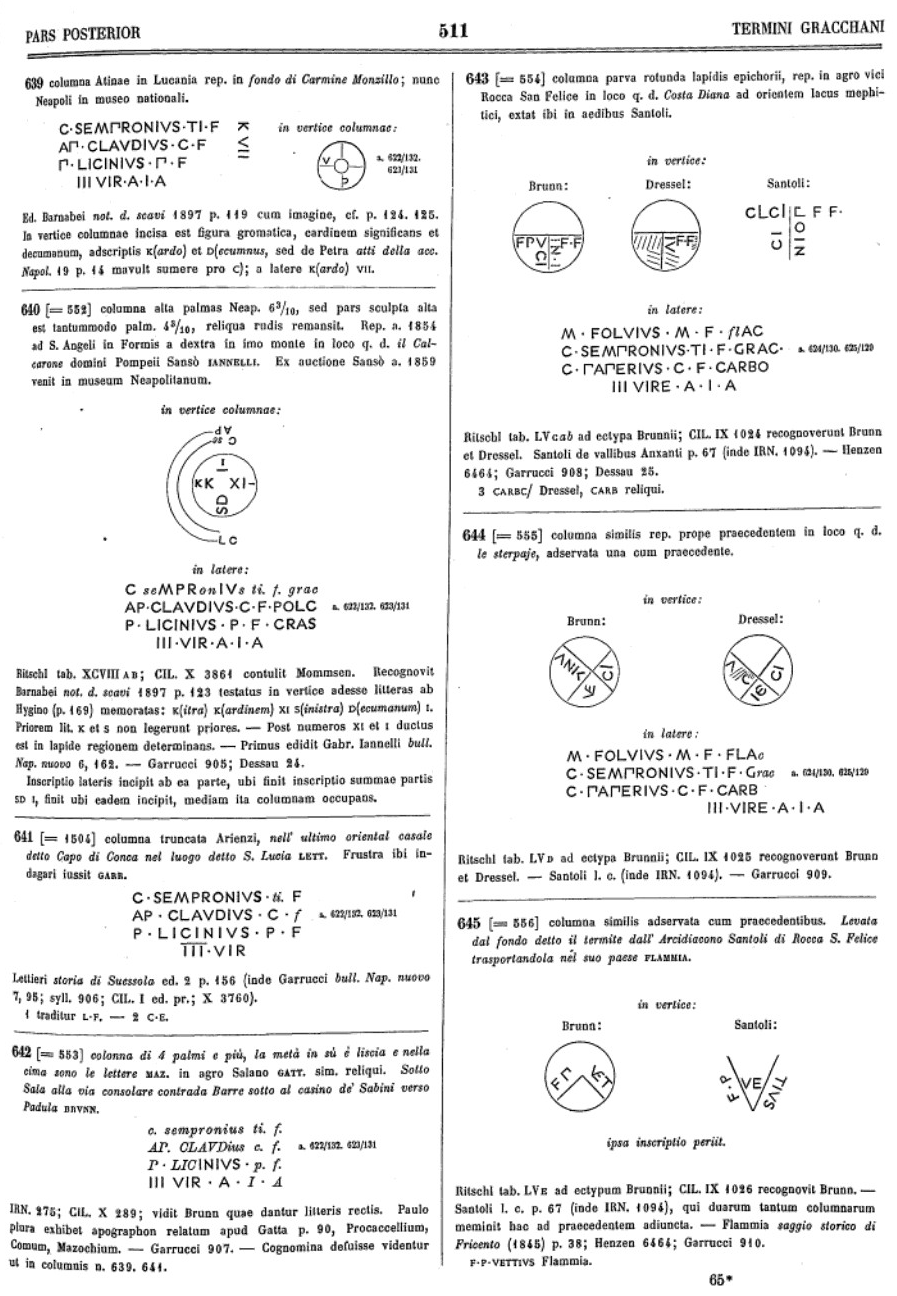 Document
Secondary source
Gracchan Land Commission Boundary Stones (CIL I²)
Corpus Inscriptionum Latinarum · 2nd century BCE (inscriptions); 1918 (edition)
 Book
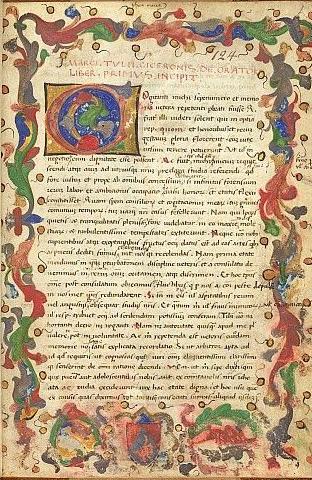
Primary source
De Oratore
Cicero · 55 BCE
 Book
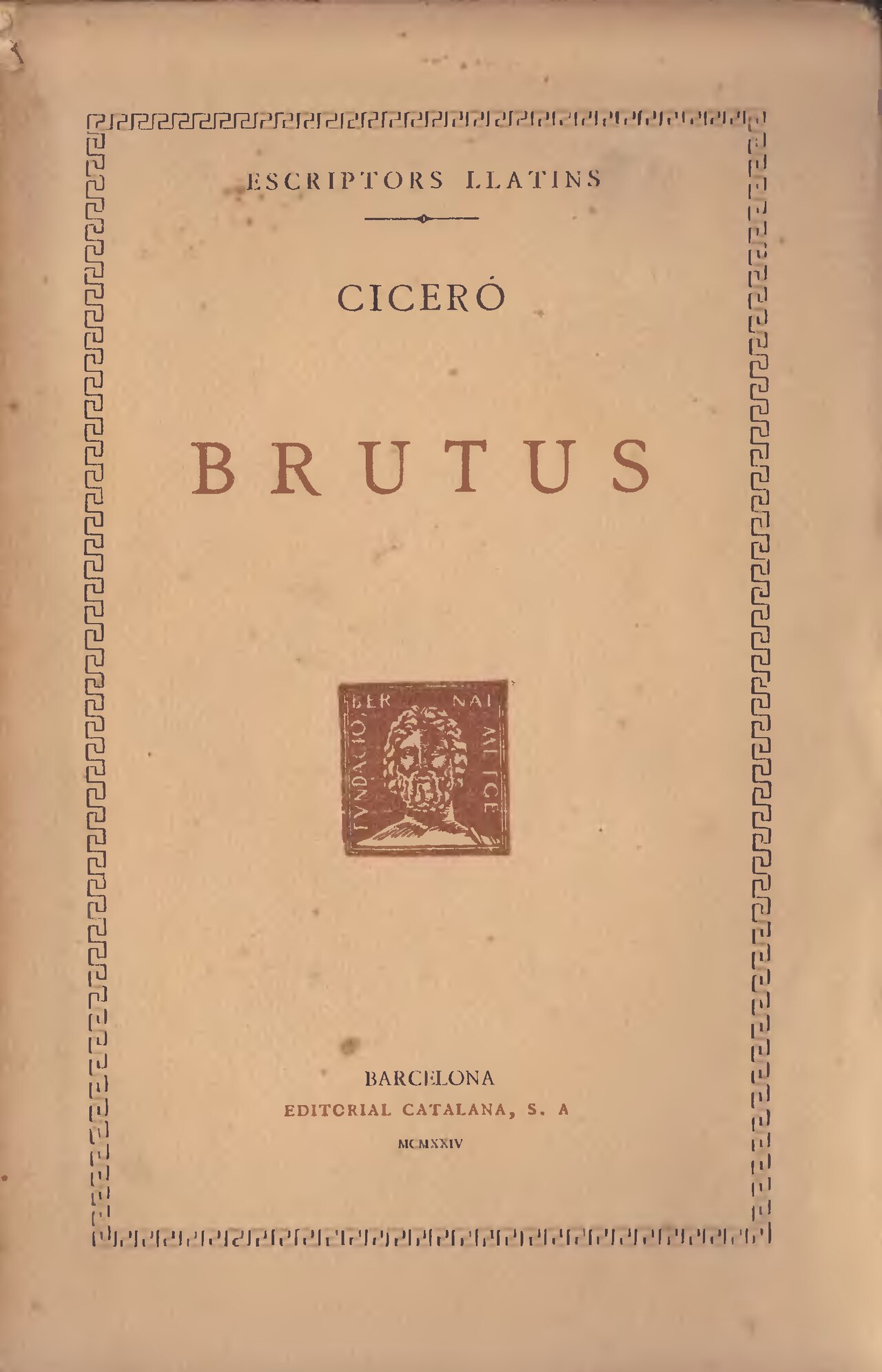
Primary source
Brutus
Cicero · 46 BC
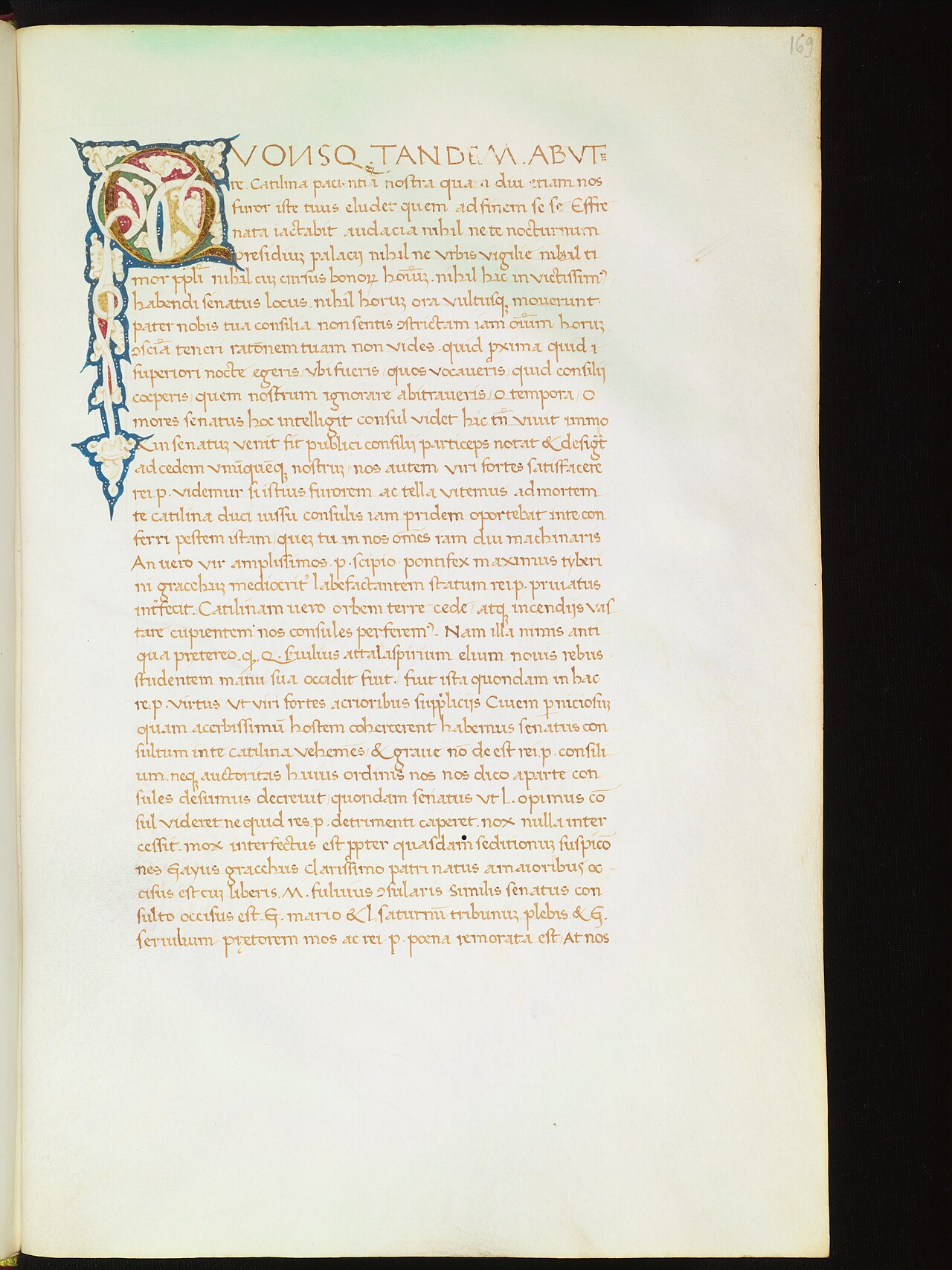 Speech
Primary source
Catiline Orations
Cicero · 63 BCE
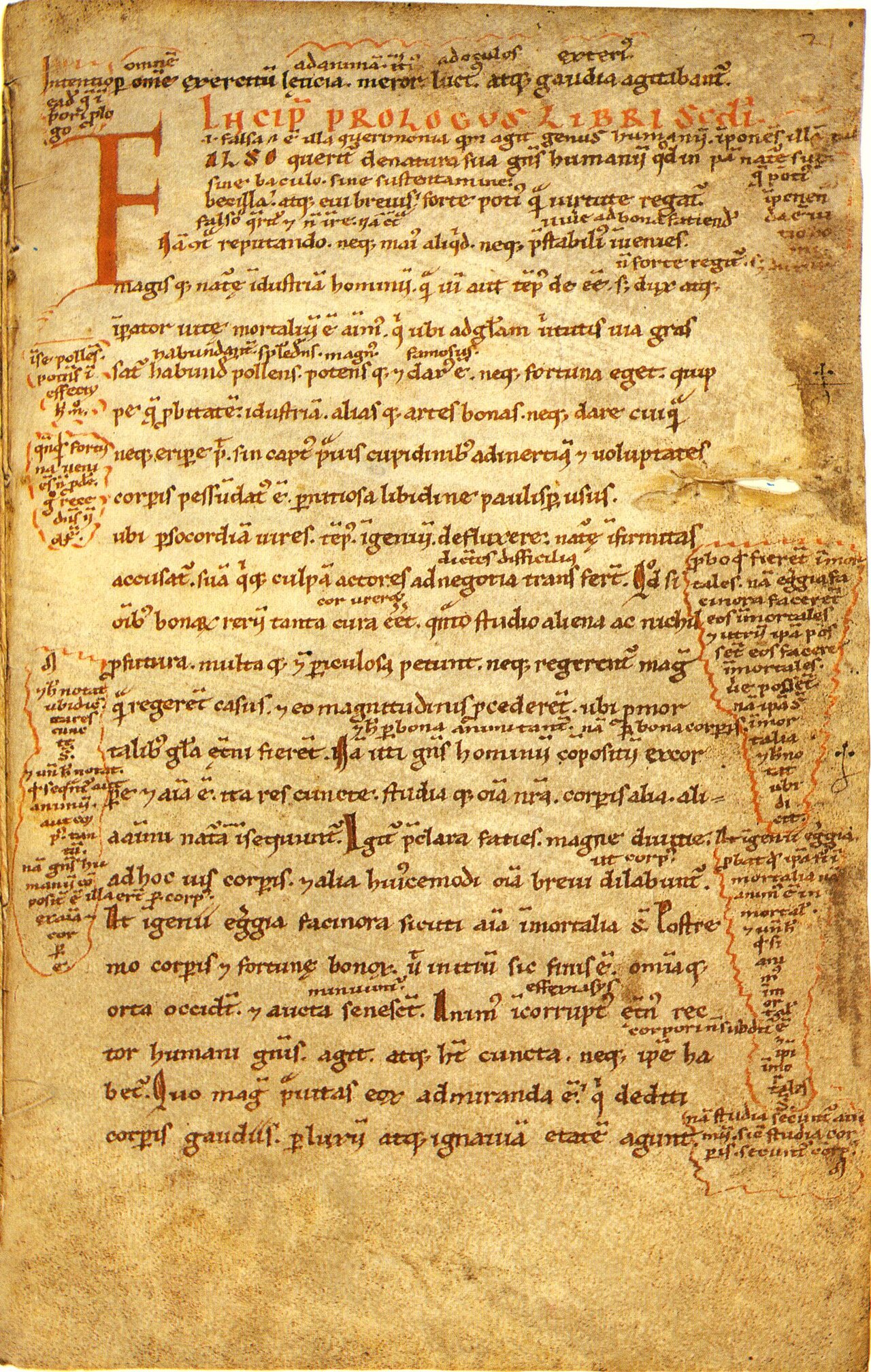
Free account
Read every Gaius Gracchus source
Sign up free →
Ready when you are
Start chatting with Gaius Gracchus now.
20 messages free · No credit card · Available in 50+ languages.