


Primary sourceBook55 BCE
De Oratore
Cicero · 55 BCE
Cicero's dialogue on the ideal orator, arguing that true eloquence requires broad learning and moral character.
Cicero wrote this dialogue setting out his ideal of the orator as both skilled speaker and moral statesman.
About this source
What it is
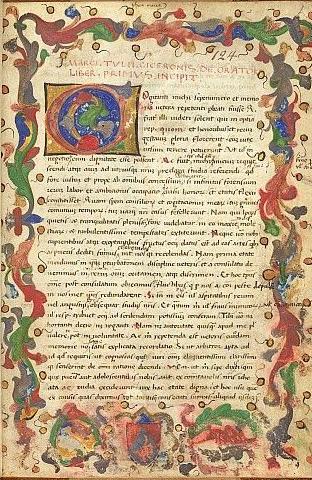
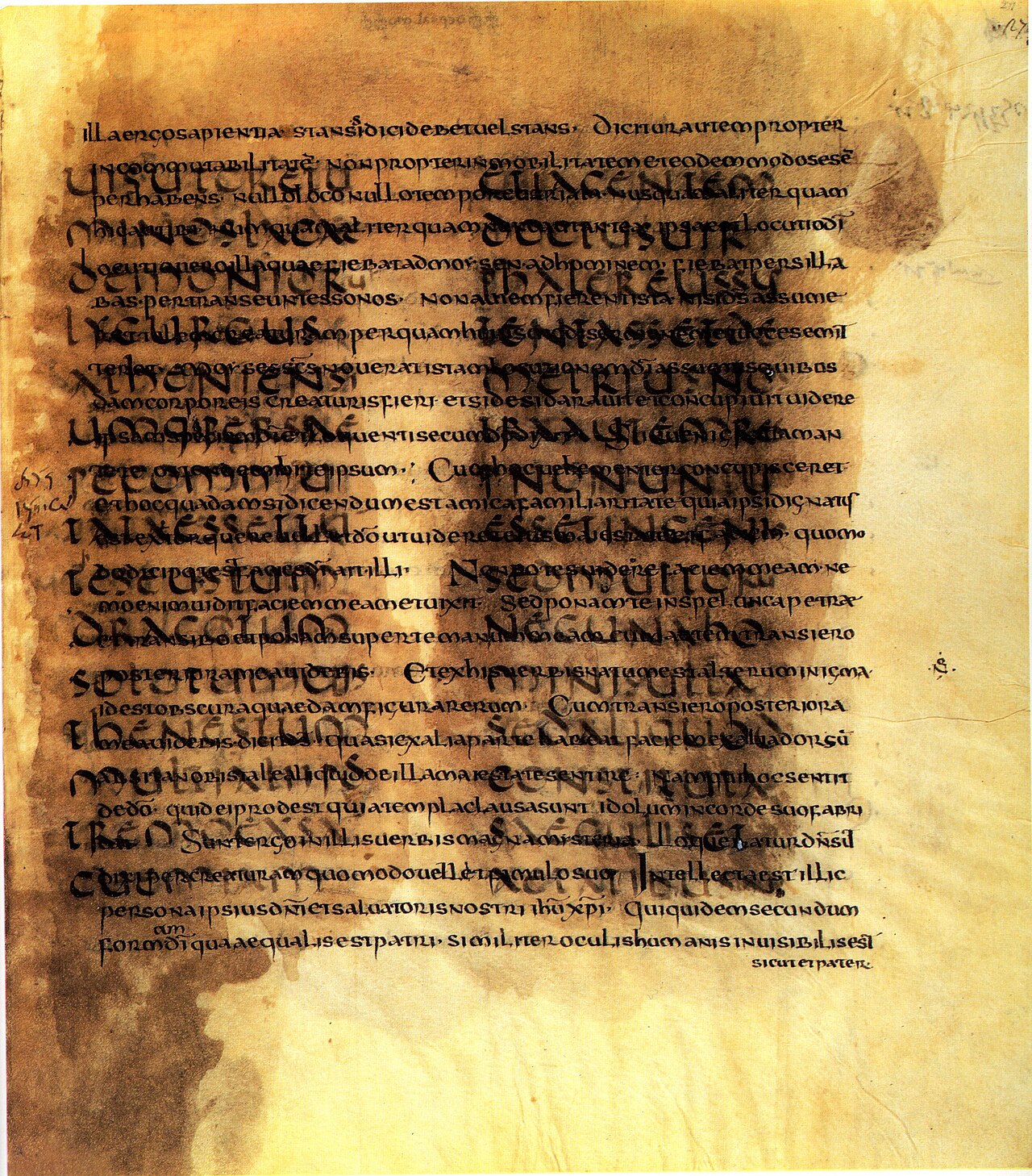
De Oratore ("On the Orator") is a dialogue written by Cicero in 55 BC, set in 91 BC and addressed to his brother Quintus. The image shown is a page from a 15th-century illuminated manuscript copy made in Northern Italy, now held at the British Museum.
Why it matters
Written during a period of political violence and personal crisis after his return from exile, Cicero used the dialogue to describe his ideal of the orator as a moral guide for the state, not merely a skilled speaker. Modeling the work on Plato's dialogues, Cicero argued that eloquence must be joined with wide knowledge of law, history, and ethics. The work reflects Cicero's anxieties about the decline of the Roman Republic and the dangers of persuasive speech without principle.
Look closer
- Why might Cicero have chosen a peaceful country villa, rather than the chaotic streets of Rome, as the setting for this dialogue?
- What does Cicero's warning about unprincipled orators suggest about his view of politics in his own time?
- How does Cicero's definition of the ideal orator compare to how public speakers are judged today?
This book is part of the curated material that grounds the AI version of Cicero on Humy.ai — when students ask about related events, the AI can quote it and cite it.
More Cicero sources
Meet the AI Cicero →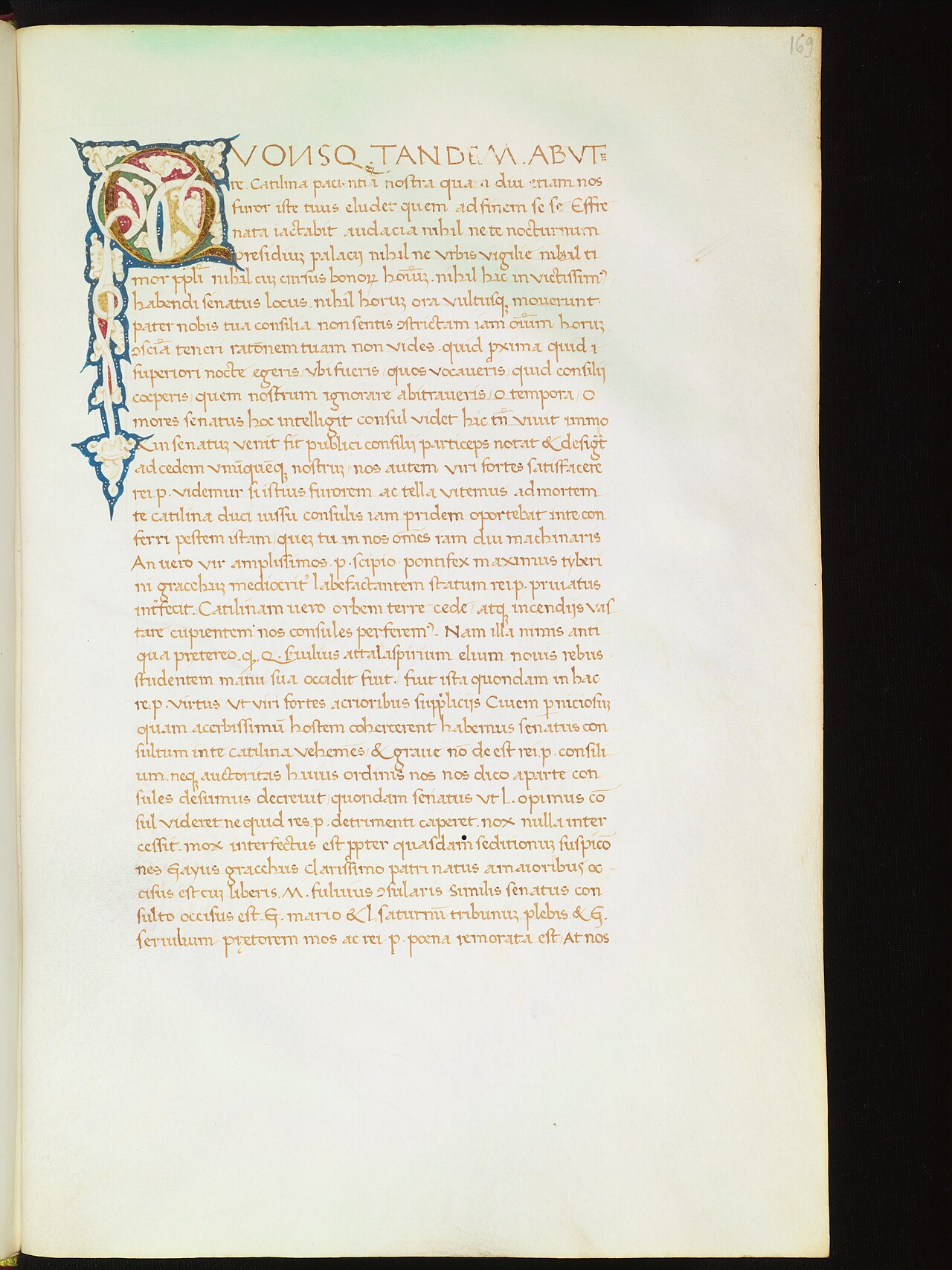 Speech
Primary source
Catiline Orations
Cicero · 63 BCE
 Painting
Secondary source
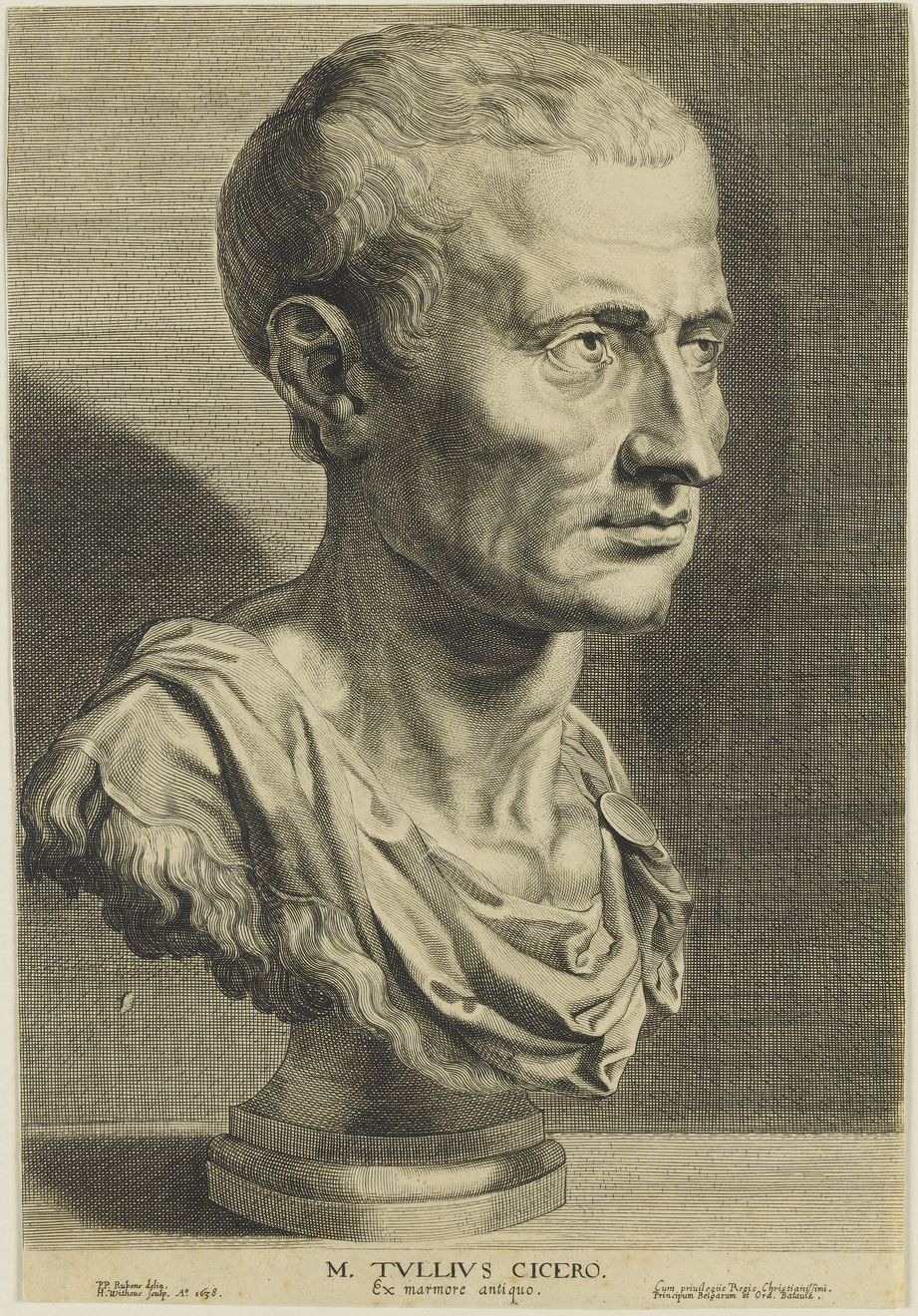
Marcus Tullius Cicero, engraved after antique marble busts
Jan Witdoeck
 Book
Primary source
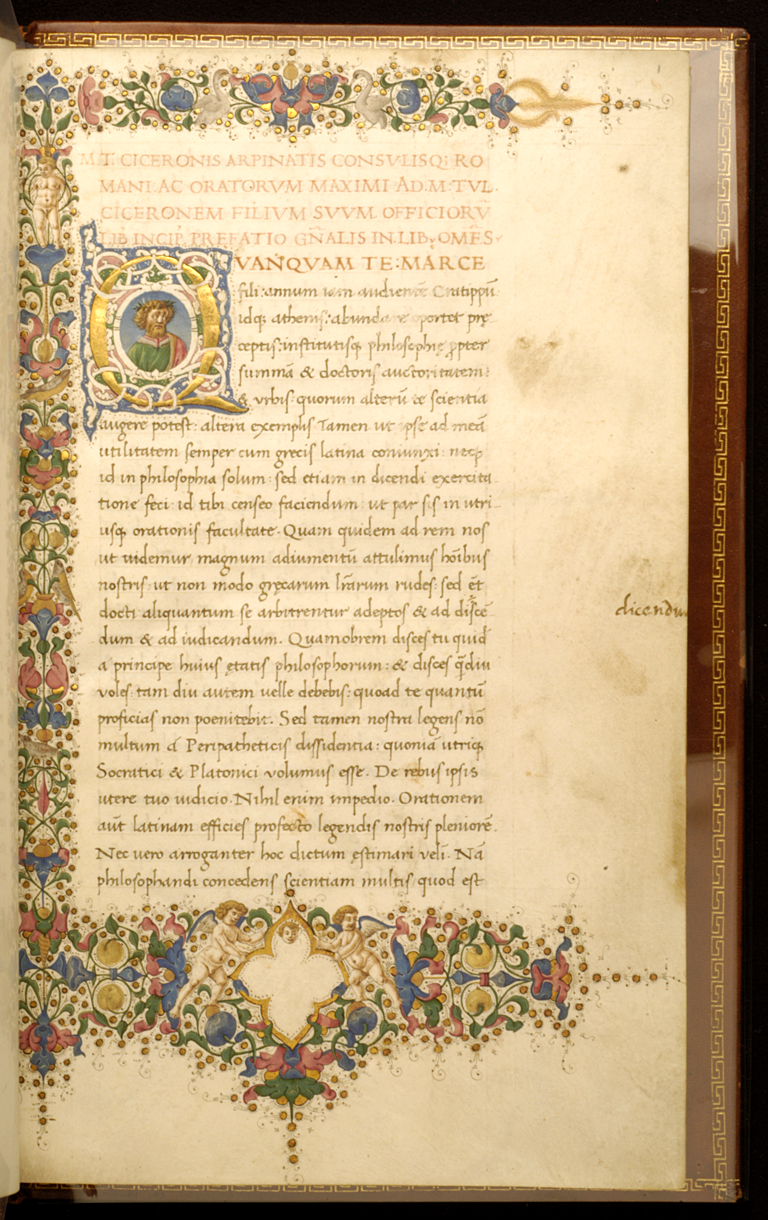
De Officiis
Cicero · 44 BC
 Painting
Secondary source
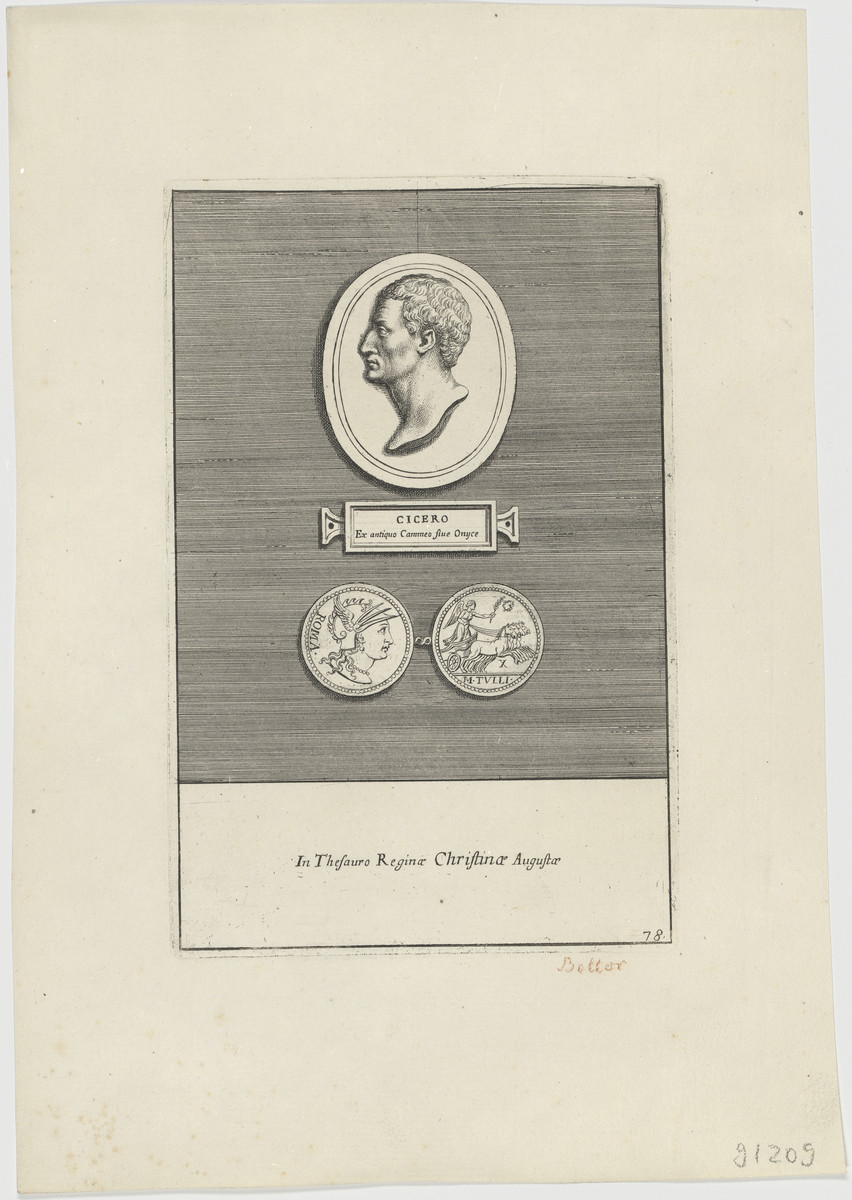
Portrait of Cicero (Bildnis des Cicero)
 Book
Primary source
De re publica
Cicero · c. 54–51 BC
Ready when you are
Start chatting with Cicero now.
20 messages free · No credit card · Available in 50+ languages.