


Secondary sourcePainting1578
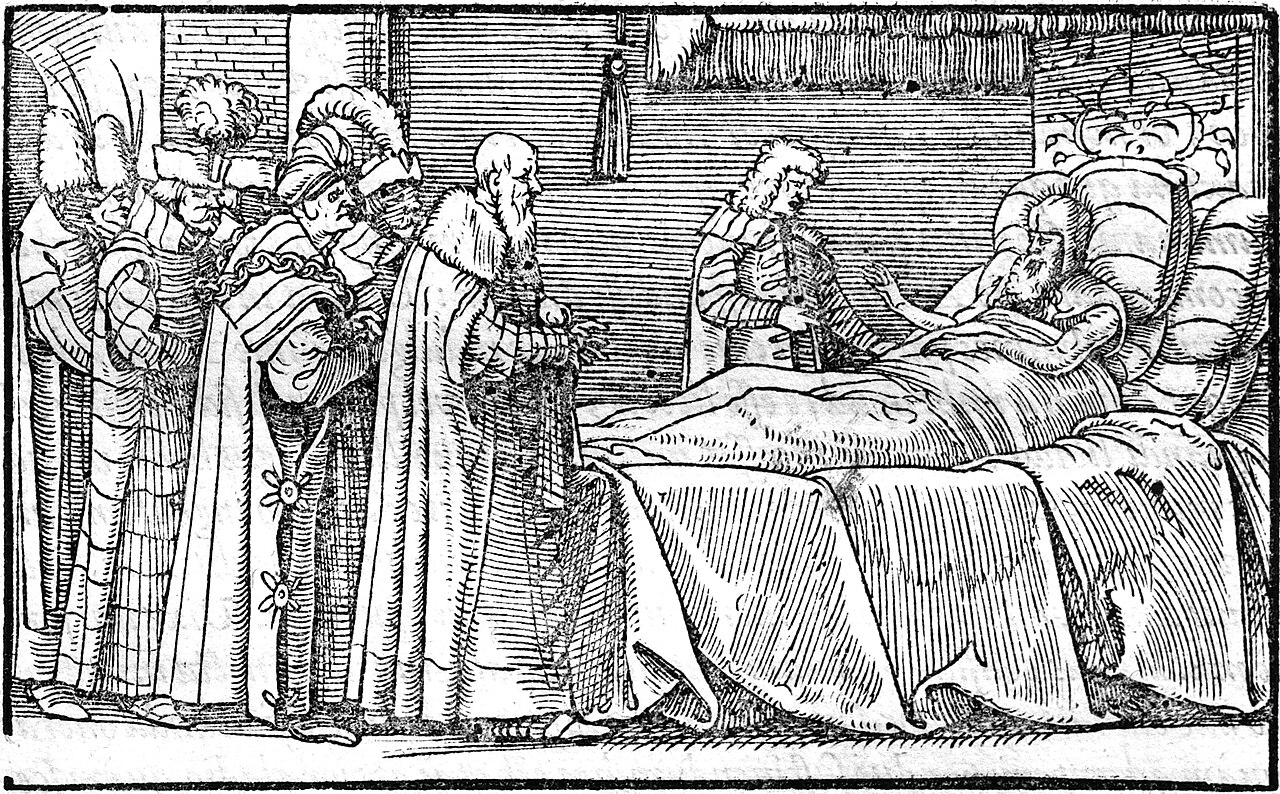
The Death of Skanderbeg
Philipp Lonicer · 1578
A 16th-century German engraving imagining the deathbed scene of Skanderbeg.
A later imagined depiction of Skanderbeg's death, showing how his story was retold by chroniclers after he died.
About this source
What it is
An engraving made in 1578 by the German artist Philipp Lonicer, showing an imagined scene of Skanderbeg's death. It was created long after his lifetime, likely drawn from written chronicles rather than firsthand knowledge.
Why it matters
Skanderbeg's death marked the end of his long resistance to Ottoman expansion, and later European writers and artists like Lonicer continued to retell and illustrate his life story. This image shows how his death was remembered and dramatised for readers more than a century afterward.
Look closer
- How does the artist use the people and setting around the bed to show the importance of the dying man?
- Why might this scene have been included in a printed history rather than drawn from life?
- What can and can't an image like this actually tell us about how Skanderbeg really died?
This painting is part of the curated material that grounds the AI version of Skanderbeg on Humy.ai — when students ask about related events, the AI can quote it and cite it.
More Skanderbeg sources
Browse all 89 →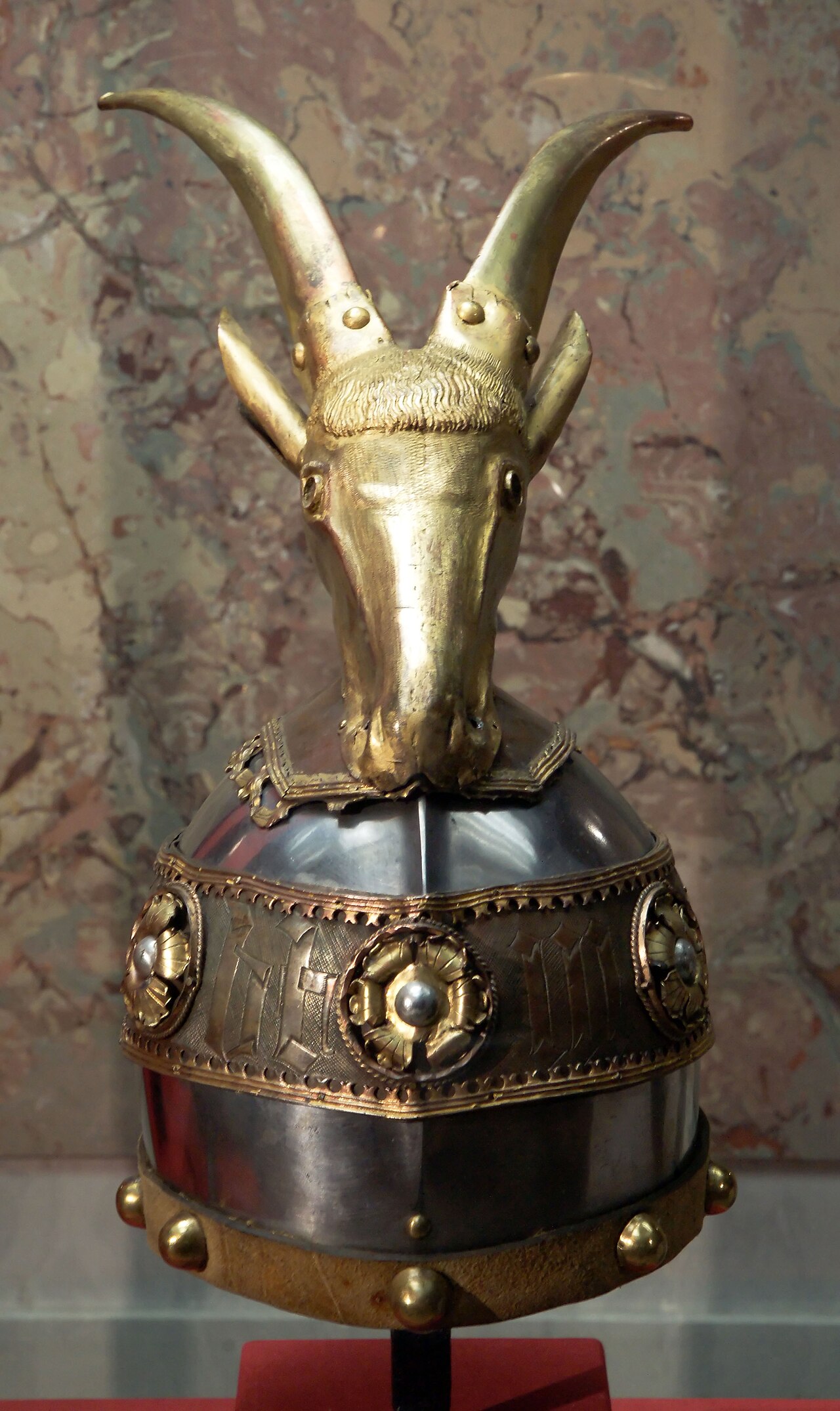 Artifact
Primary source
Helmet of Skanderbeg
c. 1460
 Document
Primary source
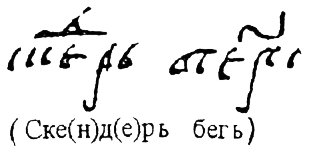
Signature of Skanderbeg
Skanderbeg · 15th century
 Artifact
Primary source
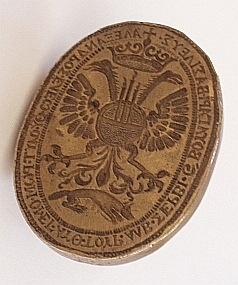
Seal of Skanderbeg
15th century
 Artifact
Primary source
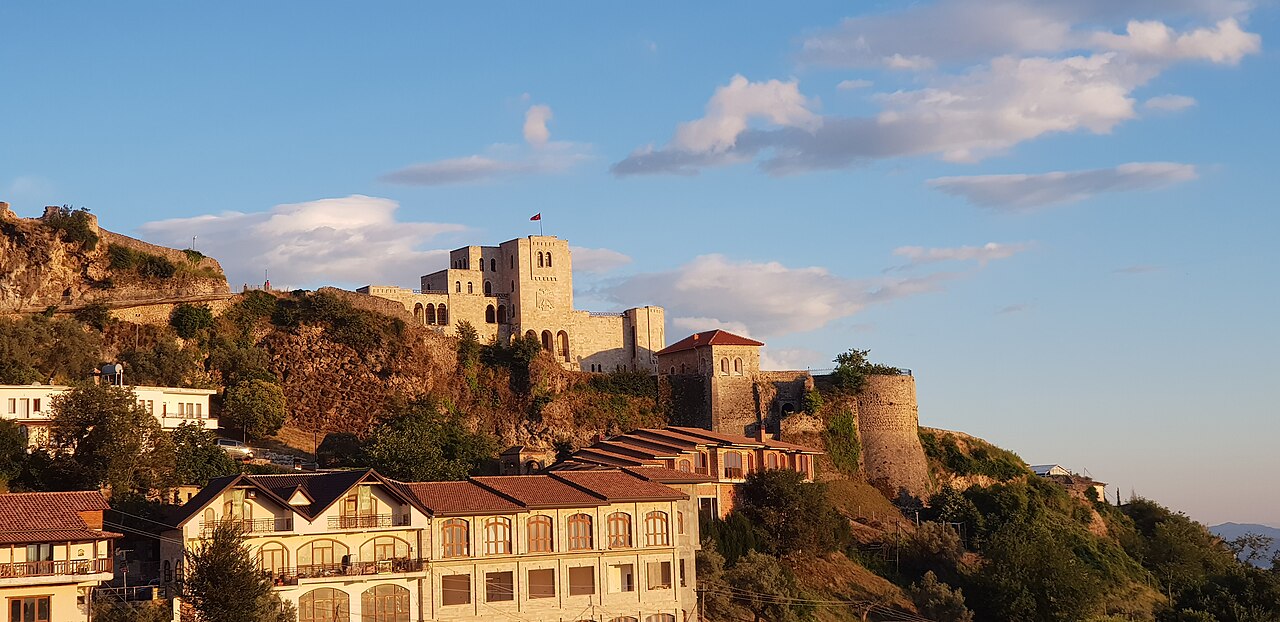
Krujë Castle
rebuilt and defended 1443–1468
Free account
Read every Skanderbeg source
Sign up free →
Ready when you are
Start chatting with Skanderbeg now.
20 messages free · No credit card · Available in 50+ languages.