


Secondary sourcePainting1818
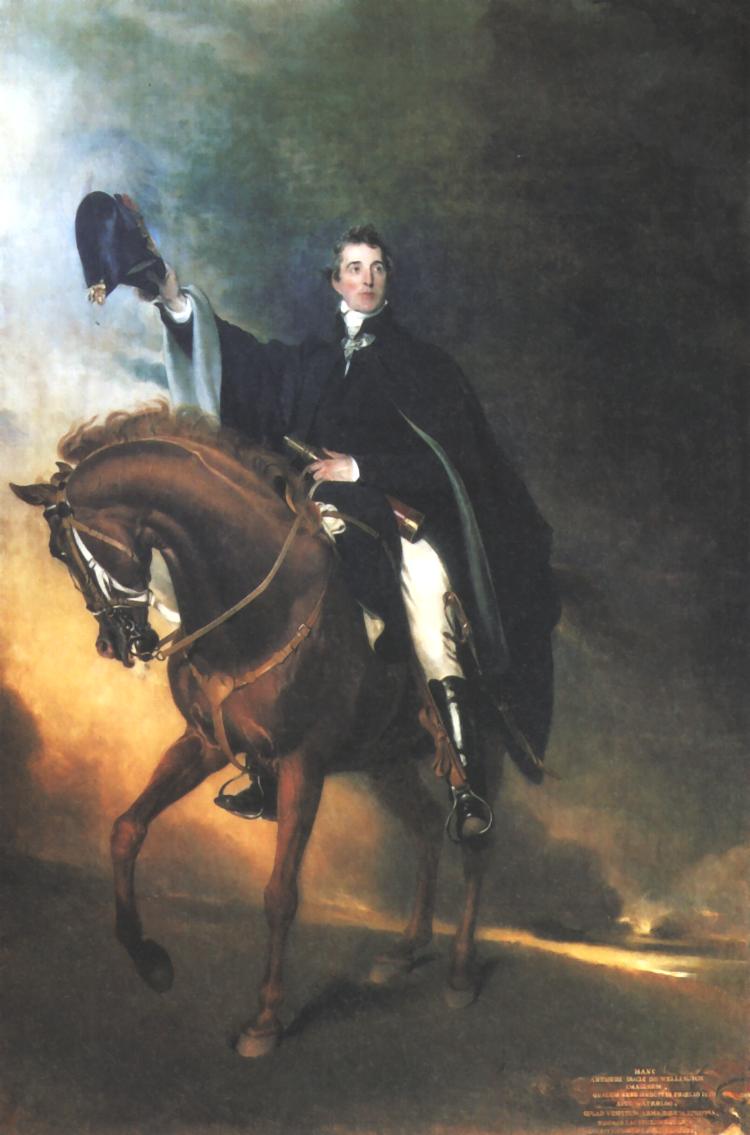
The Duke of Wellington on Copenhagen at Waterloo
Thomas Lawrence · 1818
An 1818 equestrian portrait by Thomas Lawrence showing Wellington on his horse Copenhagen, painted three years after Waterloo.
Shows Wellington as the rider of Copenhagen at Waterloo, a later image of him as a victorious commander.
About this source
What it is
This is an equestrian painting by Thomas Lawrence, dated 1818. It shows Wellington riding his chestnut horse, Copenhagen, in a dark cloak and white cravat, raising a dark bicorne hat in his right hand against a stormy, smoky sky. A small inscription plaque appears at lower right.
Why it matters
The painting was made three years after the Battle of Waterloo, which Wellington led against Napoleon. Because it was painted long after the battle, it shows how the commander was presented and remembered rather than recording the day itself. Its title links the horse and the battle, so it helps students see how a military leader was turned into a public image.
Look closer
- What does the stormy, smoky sky add to the way Wellington is shown?
- Why might a portrait show a commander on horseback with his hat raised?
- What does this painting leave out about the soldiers who fought at Waterloo?
This painting is part of the curated material that grounds the AI version of Duke of Wellington (Arthur Wellesley) on Humy.ai — when students ask about related events, the AI can quote it and cite it.
More Duke of Wellington (Arthur Wellesley) sources
Browse all 94 →Primary source
Duke of Wellington's Dispatch, to Earl Bathurst
Arthur Wellesley, 1st Duke of Wellington · 19 June 1815
 Document
Primary source
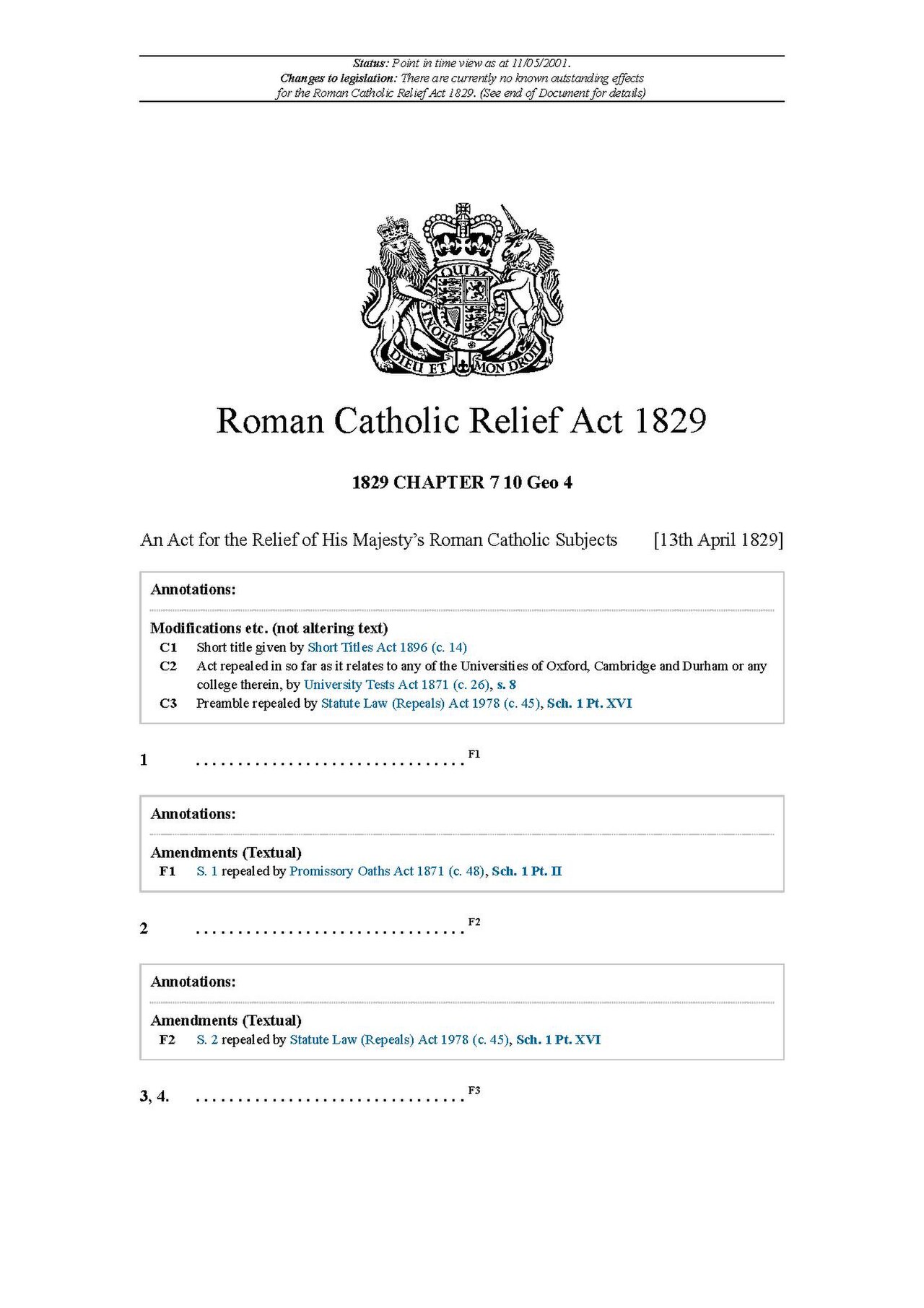
Roman Catholic Relief Act 1829
1829
 Photograph
Primary source
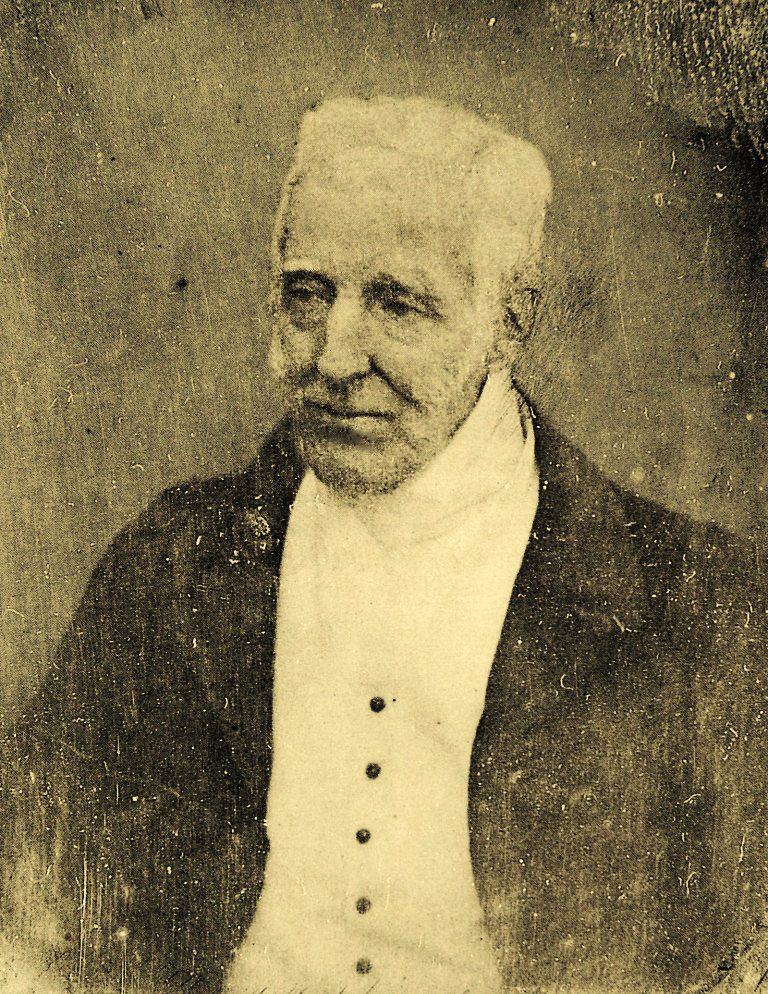
Duke of Wellington Photo cleaned
Antoine Claudet · 1844
 Book
Primary source
The Dispatches of Field Marshal the Duke of Wellington
Arthur Wellesley, 1st Duke of Wellington · 1834-1839
Free account
Read every Duke of Wellington (Arthur Wellesley) source
Sign up free →
Ready when you are
Start chatting with Duke of Wellington (Arthur Wellesley) now.
20 messages free · No credit card · Available in 50+ languages.