


Secondary sourcePainting1836
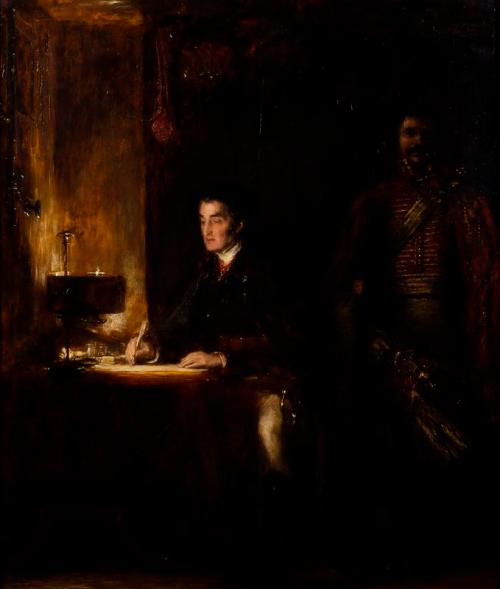
The Duke of Wellington Writing Dispatches
David Wilkie · 1836
An 1836 history painting by David Wilkie showing Wellington writing dispatches by lamplight, portraying him as a tireless military administrator.
Depicts Wellington at his desk writing dispatches, emphasizing his administrative role around the Waterloo campaign.
About this source
What it is
This is an 1836 history painting by the British artist David Wilkie. It shows the Duke of Wellington writing a dispatch by candlelight, intended to evoke the night before or the aftermath of the Battle of Waterloo. It is held today by Aberdeen Art Gallery.
Why it matters
The painting was commissioned to celebrate Wellington's role as a commander who communicated constantly with allies and superiors. Even its title caused confusion, since the exact dispatch and recipient shown were debated and corrected after the work was first exhibited. This shows how quickly history paintings could simplify or get details wrong even about famous events.
Look closer
- What does the lamplight and quiet setting suggest about Wellington's character?
- Why might an artist choose to show a general writing rather than fighting?
- How did the painting's title change, and what does that tell us about historical accuracy in art?
This painting is part of the curated material that grounds the AI version of Duke of Wellington (Arthur Wellesley) on Humy.ai — when students ask about related events, the AI can quote it and cite it.
More Duke of Wellington (Arthur Wellesley) sources
Browse all 94 →Primary source
Duke of Wellington's Dispatch, to Earl Bathurst
Arthur Wellesley, 1st Duke of Wellington · 19 June 1815
 Document
Primary source
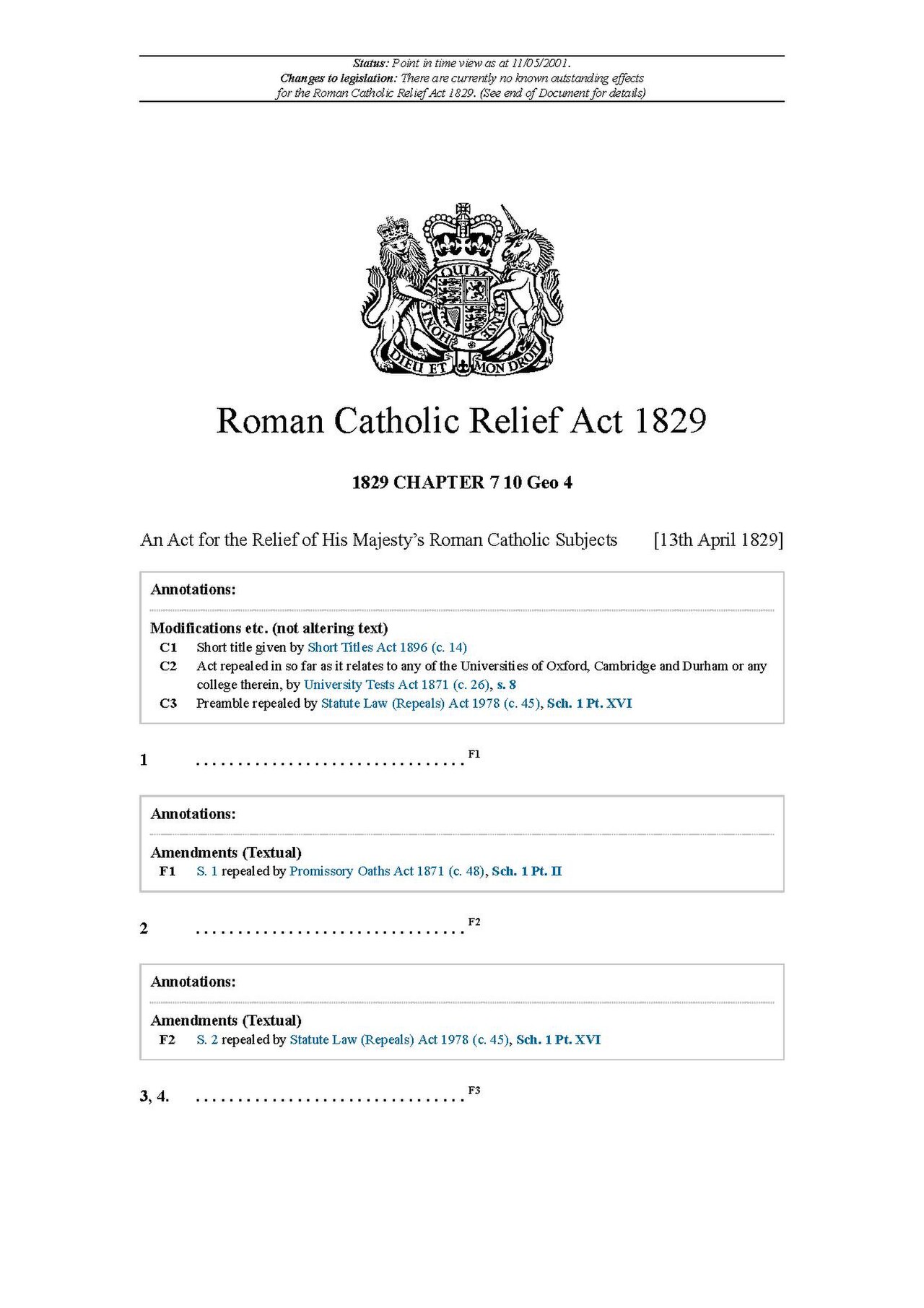
Roman Catholic Relief Act 1829
1829
 Photograph
Primary source
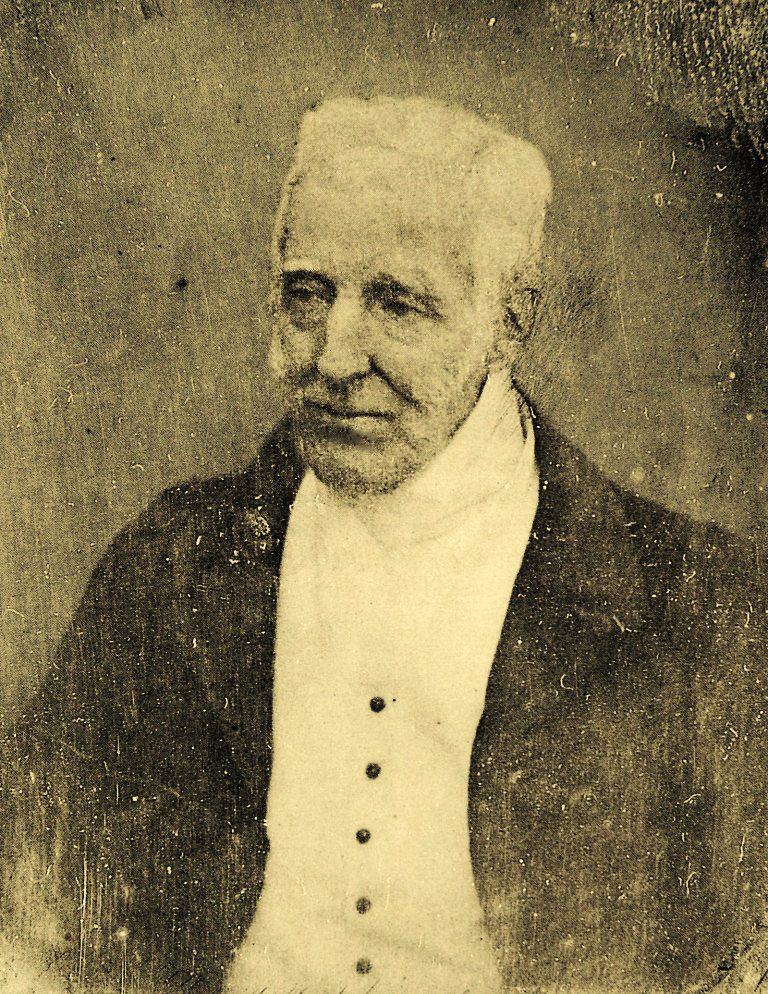
Duke of Wellington Photo cleaned
Antoine Claudet · 1844
 Book
Primary source
The Dispatches of Field Marshal the Duke of Wellington
Arthur Wellesley, 1st Duke of Wellington · 1834-1839
Free account
Read every Duke of Wellington (Arthur Wellesley) source
Sign up free →
Ready when you are
Start chatting with Duke of Wellington (Arthur Wellesley) now.
20 messages free · No credit card · Available in 50+ languages.