


Secondary sourcePainting1827
The Eli Whitney Gun Factory, verso: Blacksmith Shoeing Horse
William Giles Munson · 1827
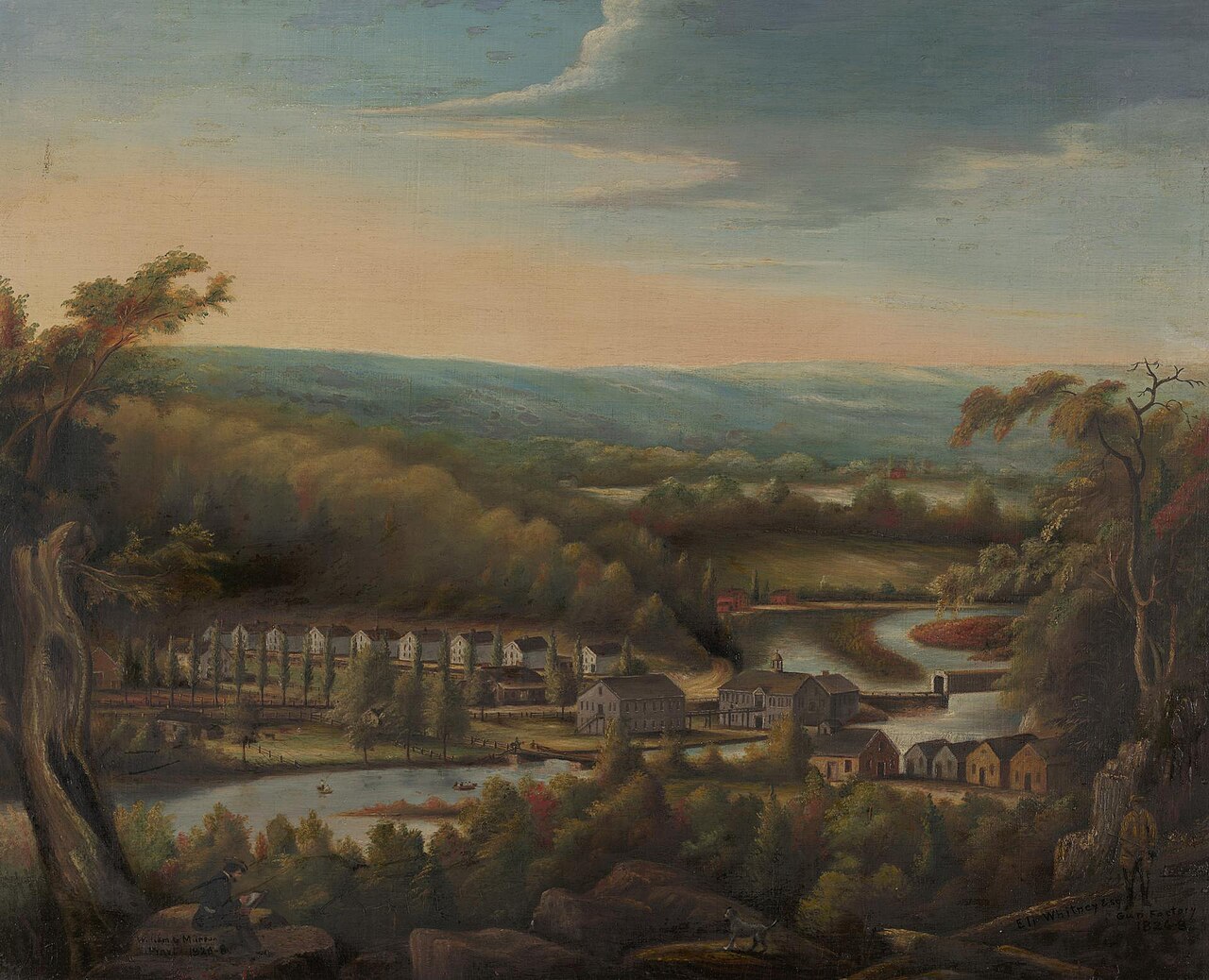
A landscape painting of the Whitneyville armory site beside the Mill River, made a few years after Whitney's death.
Shows the armory village Whitney built for his musket-making business, painted soon after his death.
About this source
What it is
This is a painting by William Giles Munson showing the armory Eli Whitney built, with the mill buildings, pond, millrace, and workers' housing beside the Mill River. It was painted in 1827, just a few years after Whitney died, and is held by the Yale University Art Gallery.
Why it matters
The painting is a near-contemporary record of the musket business Whitney built under government contracts. It shows the physical setting of early American manufacturing - the water-powered armory and the village that grew up around it to house workers.
Look closer
- What details tell you this is a working industrial site rather than just scenery?
- Why might an artist choose to paint a factory landscape like this one?
- What does the image leave out about the people who actually worked there?
This painting is part of the curated material that grounds the AI version of Eli Whitney on Humy.ai — when students ask about related events, the AI can quote it and cite it.
More Eli Whitney sources
Meet the AI Eli Whitney →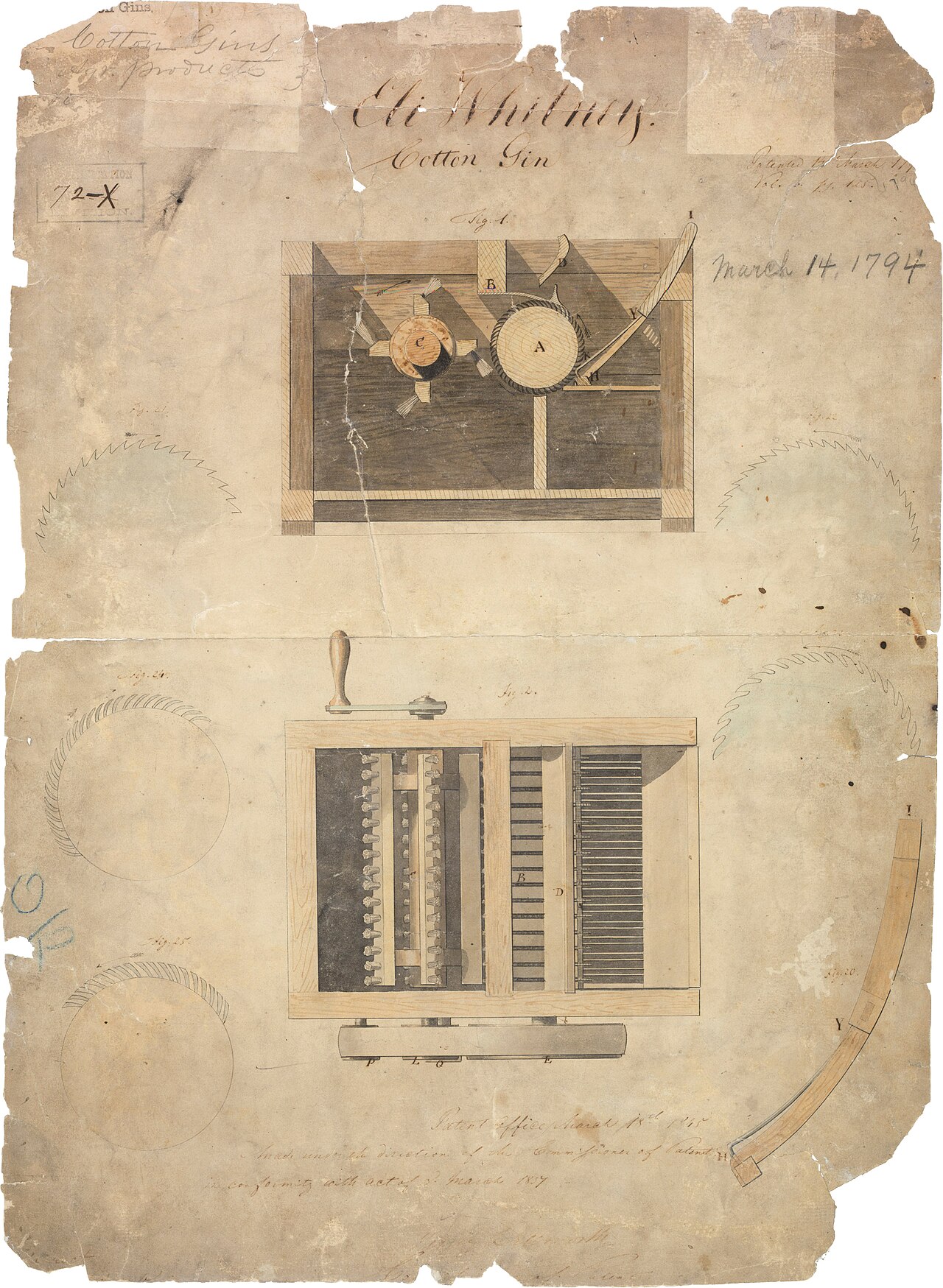 Document
Primary source
Patent for Cotton Gin
Eli Whitney · 14 March 1794
 Artifact
Primary source
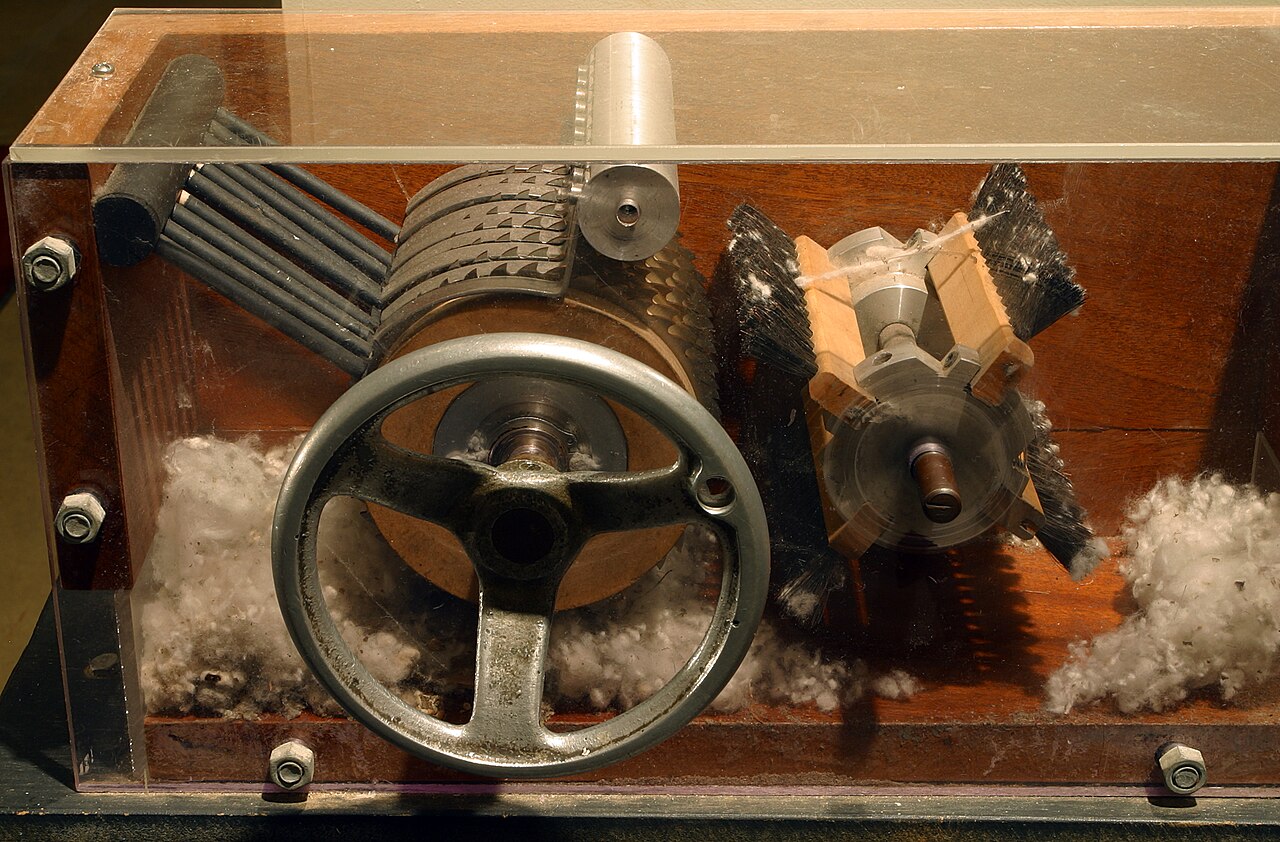
Cotton Gin
Eli Whitney · 1794
 Letter
Primary source
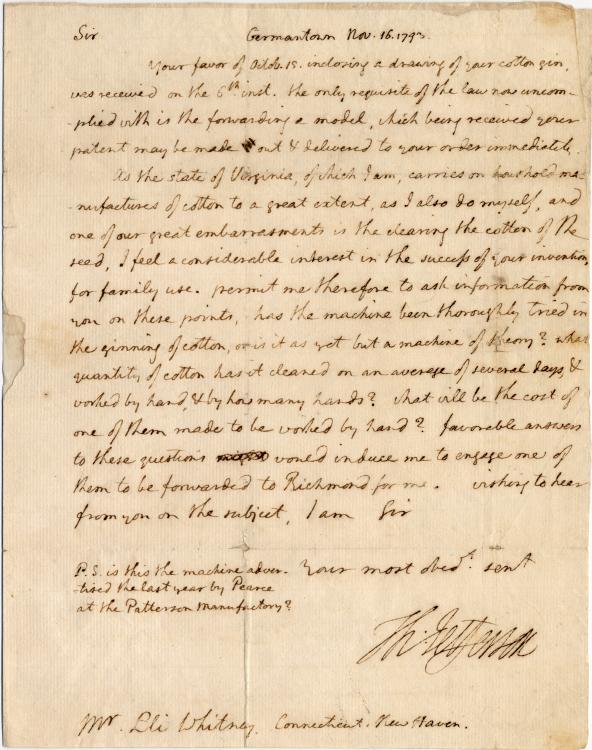
Letter Thomas Jefferson to Eli Whitney 1793
Thomas Jefferson · 16 November 1793
 Document
Primary source
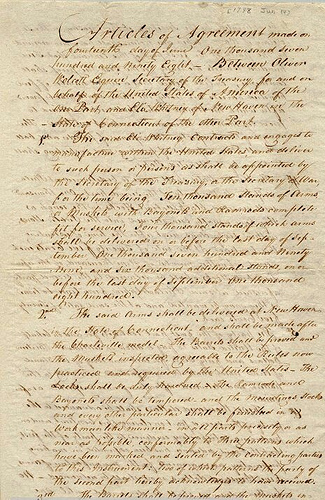
Eli Whitney's First Contract as a Gunfounder
Eli Whitney, Oliver Wolcott, Jr. · 1798
 Painting
Primary source
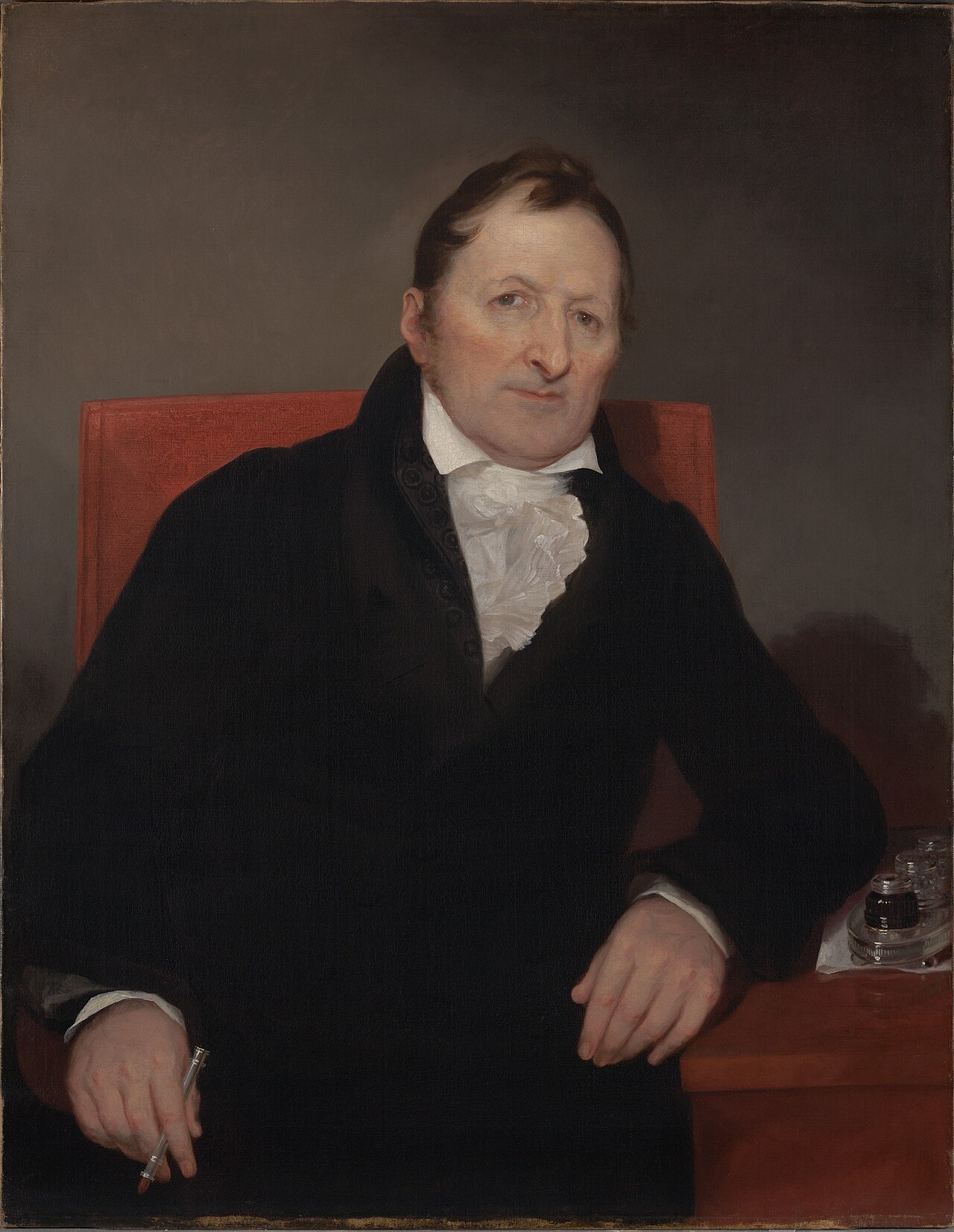
Eli Whitney (1765-1825) B.A. 1792, M.A. 1795
Samuel Finley Breese Morse · 1822
Ready when you are
Start chatting with Eli Whitney now.
20 messages free · No credit card · Available in 50+ languages.