


Primary sourcePaintingc. 1485-1500
The Epiphany (Adoration of the Magi)
Hieronymus Bosch · c. 1485-1500
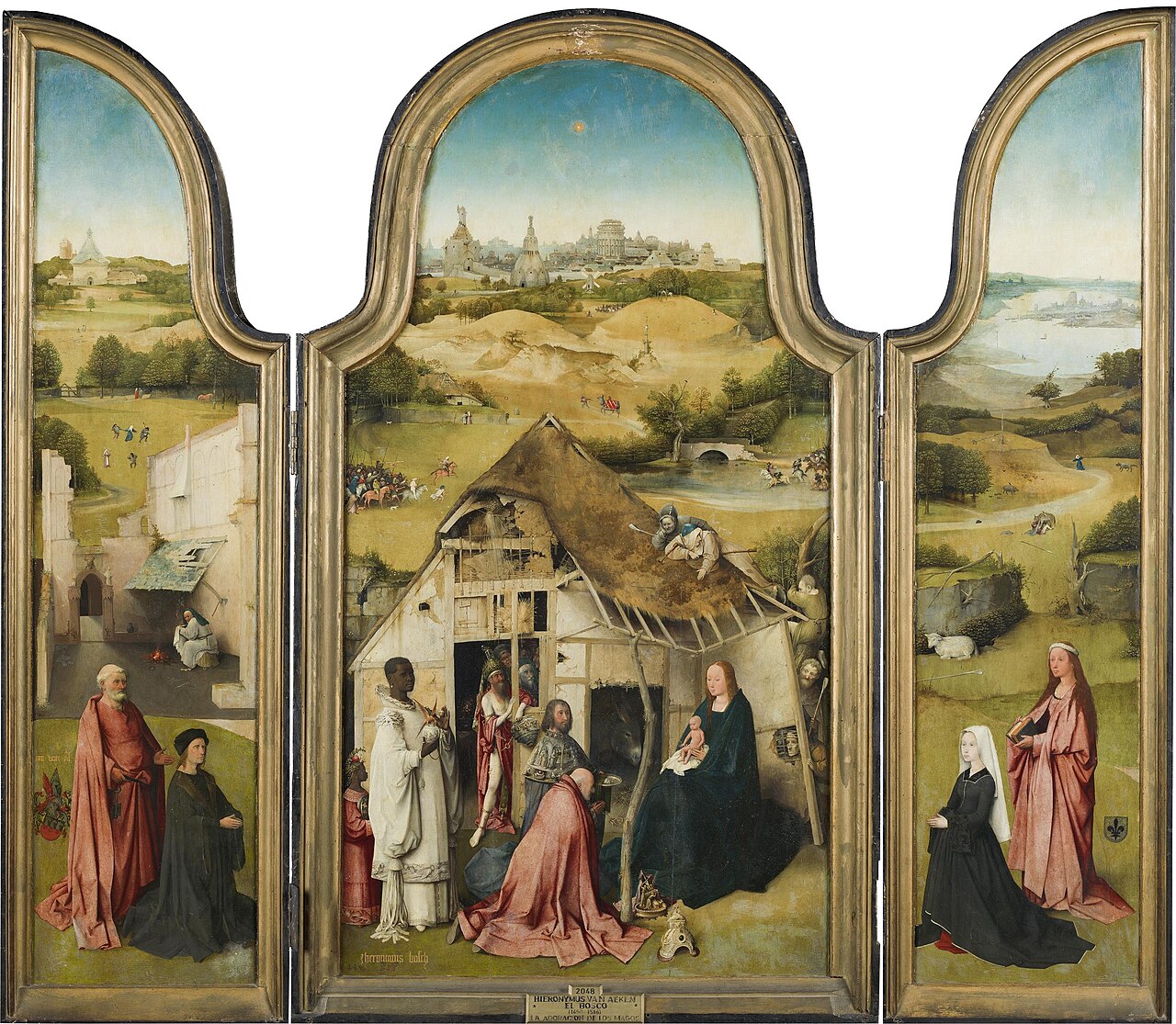
A triptych by Hieronymus Bosch depicting the Adoration of the Magi, commissioned by Antwerp burghers Peeter Scheyfve and Agnes de Gramme, who appear as donors.
This triptych, painted by Bosch, shows his religious imagination and his work for wealthy lay patrons.
About this source
What it is
The Epiphany, also known as the Adoration of the Magi, is an oil-on-wood triptych by Hieronymus Bosch, painted around 1485–1500. It was commissioned around 1494 by the wealthy Antwerp couple Peeter Scheyfve and Agnes de Gramme, who appear as donors on the side panels with their coats of arms. The triptych is now in the Museo del Prado in Madrid.
Why it matters
The central panel shows the three Magi, including the dark-skinned Balthazar, presenting gifts to the infant Christ, while the shutters depict the Mass of Saint Gregory and scenes from the Life of Jesus. An unusual, grotesque half-naked figure at the hut's entrance has puzzled scholars, variously read as a prefiguration of the Passion or an Antichrist figure. The work shows how Bosch combined traditional religious iconography with his own strange, inventive details, and how wealthy patrons shaped the devotional art of the time.
Look closer
- Why might the donors have wanted themselves painted into a religious scene?
- What might the strange figure at the hut's entrance be meant to represent?
- How does Bosch use clothing and objects to show the different status of each Magus?
This painting is part of the curated material that grounds the AI version of Hieronymus Bosch on Humy.ai — when students ask about related events, the AI can quote it and cite it.
More Hieronymus Bosch sources
Browse all 95 →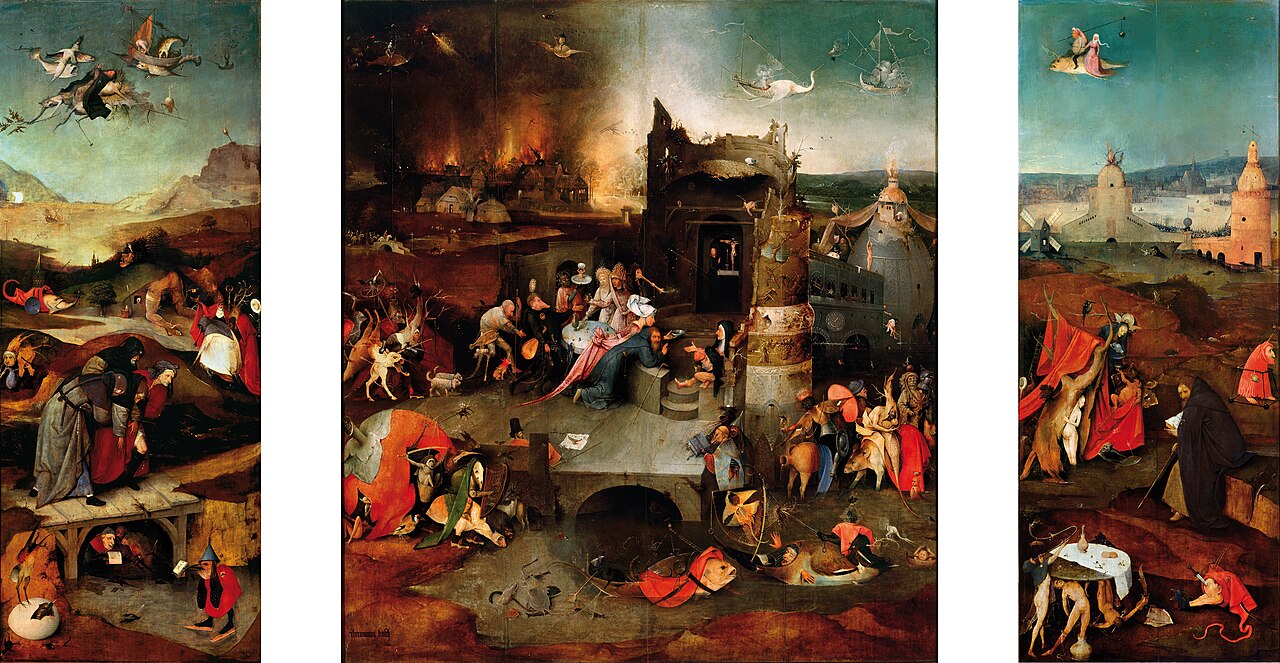 Painting
Primary source
Temptation of Saint Anthony
Hieronymus Bosch · c. 1501
 Painting
Primary source
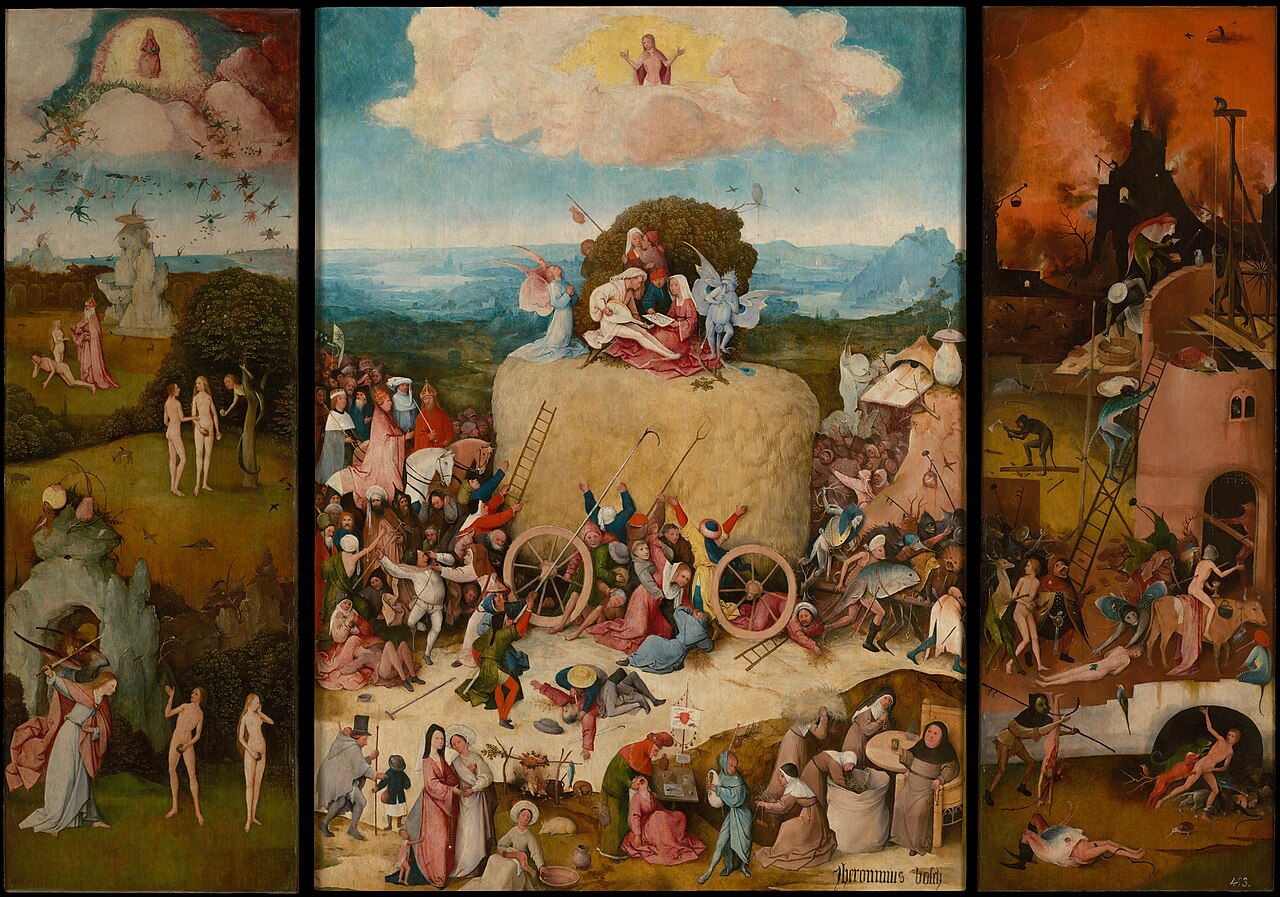
The Haywain Triptych
Hieronymus Bosch · c. 1510-1516
 Painting
Primary source
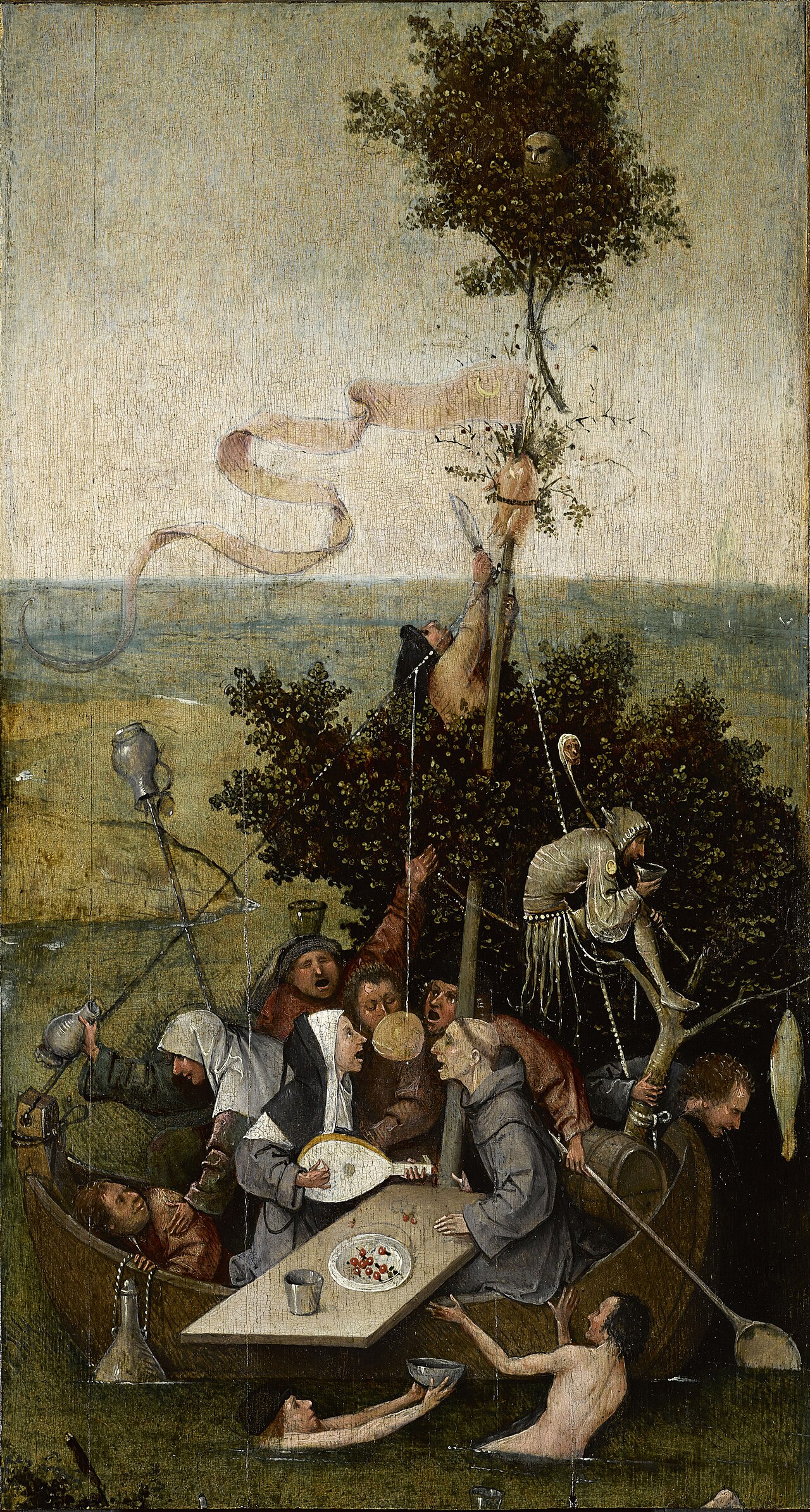
Ship of Fools
Hieronymus Bosch · c. 1490-1500
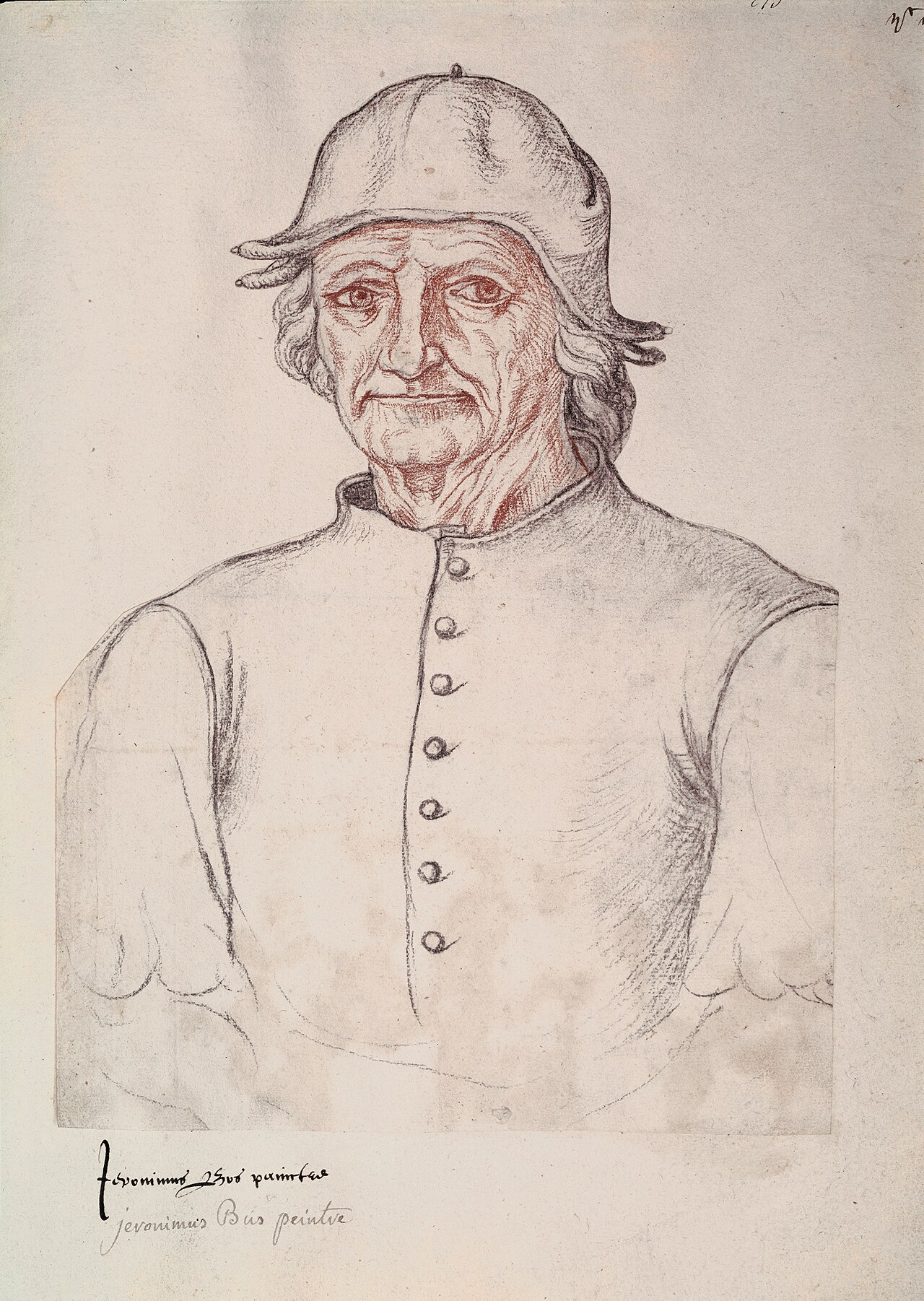 Painting
Secondary source
Portrait of Hieronymus Bosch
Jacques Le Boucq · c. 1550
Free account
Read every Hieronymus Bosch source
Sign up free →
Ready when you are
Start chatting with Hieronymus Bosch now.
20 messages free · No credit card · Available in 50+ languages.