


Primary sourceBook1819 (published 1820)
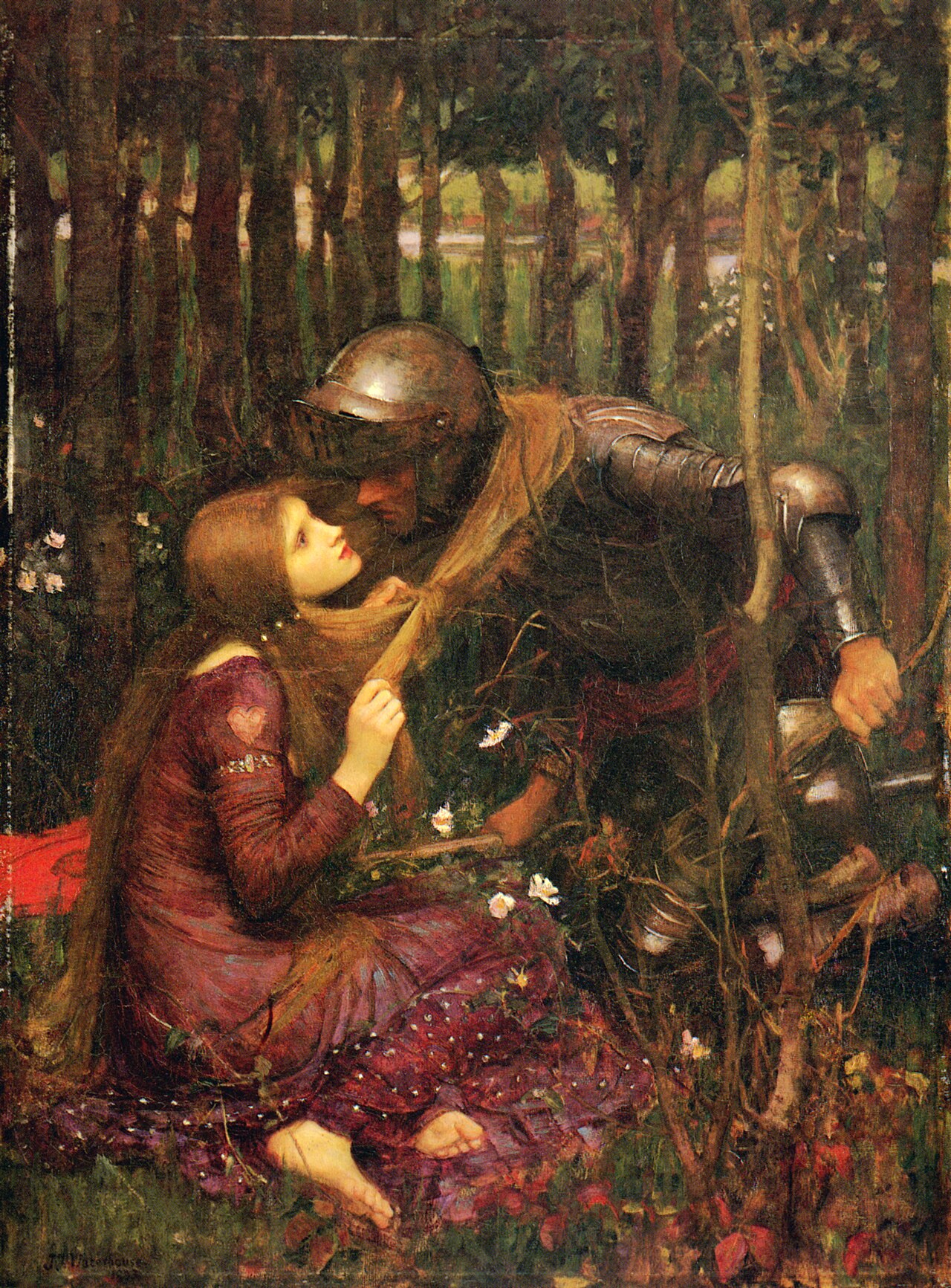
The Eve of St. Agnes
John Keats · 1819 (published 1820)
A narrative poem in Spenserian stanzas written by John Keats in 1819, retelling a medieval legend of two secret lovers.
Written entirely by Keats, this poem shows his skill in narrative verse and his engagement with medieval romance.
Free Humy account · No credit card · 120,912 sources to read
About this source
What it is
A 42-stanza narrative poem written by John Keats in 1819 and published in 1820 in a collection of his verse. It is written in Spenserian stanzas and set in the Middle Ages, telling of two lovers, Madeline and Porphyro, whose families are enemies.
Why it matters
Keats based the poem on an old folk belief that a girl could see her future husband in a dream if she performed certain rituals on St Agnes' Eve. Contemporaries and Victorian readers considered it one of his finest works, and it later inspired painters and stained-glass artists. Keats's publishers made him soften its original sexual frankness, showing the pressures a young poet faced from his own publishers.
Look closer
- Why might Keats have chosen a medieval setting and an old folk superstition for this story?
- What does the publishers' demand to tone down the poem's eroticism tell us about the period?
- How does the poem's Gothic atmosphere compare to Keats's other poems you know?
This book is part of the curated material that grounds the AI version of John Keats on Humy.ai — when students ask about related events, the AI can quote it and cite it.
More John Keats sources
Browse all 97 →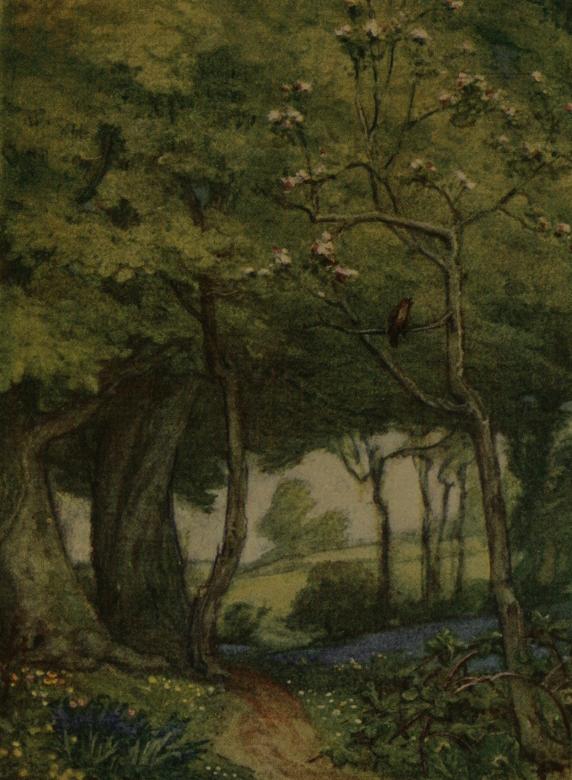 Book
Primary source
Ode to a Nightingale
John Keats · 1819, published 1820
Primary source
Ode on a Grecian Urn
John Keats · May 1819, published 1820
 Book
Primary source
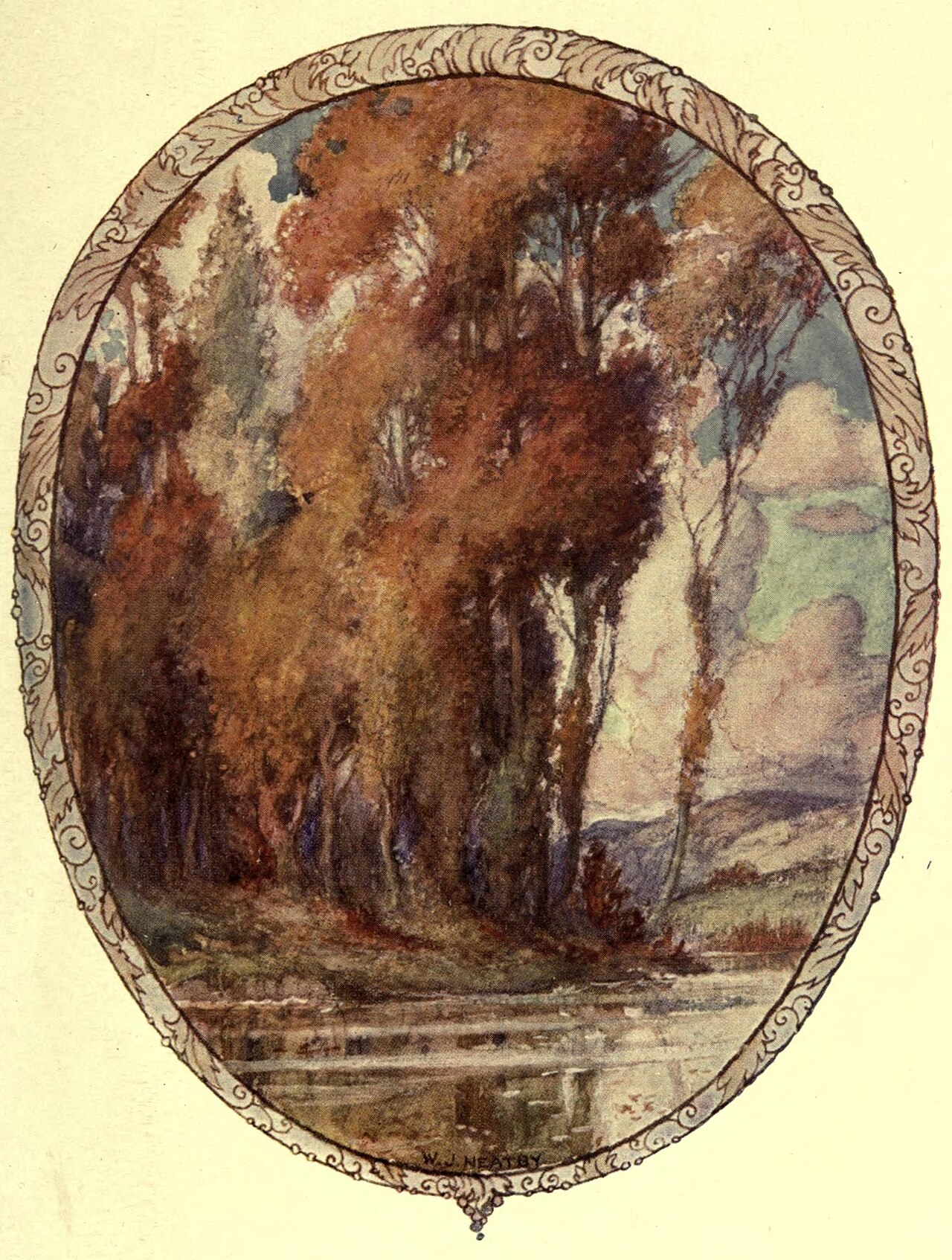
To Autumn
John Keats · 19 September 1819, published 1820
 Book
Primary source
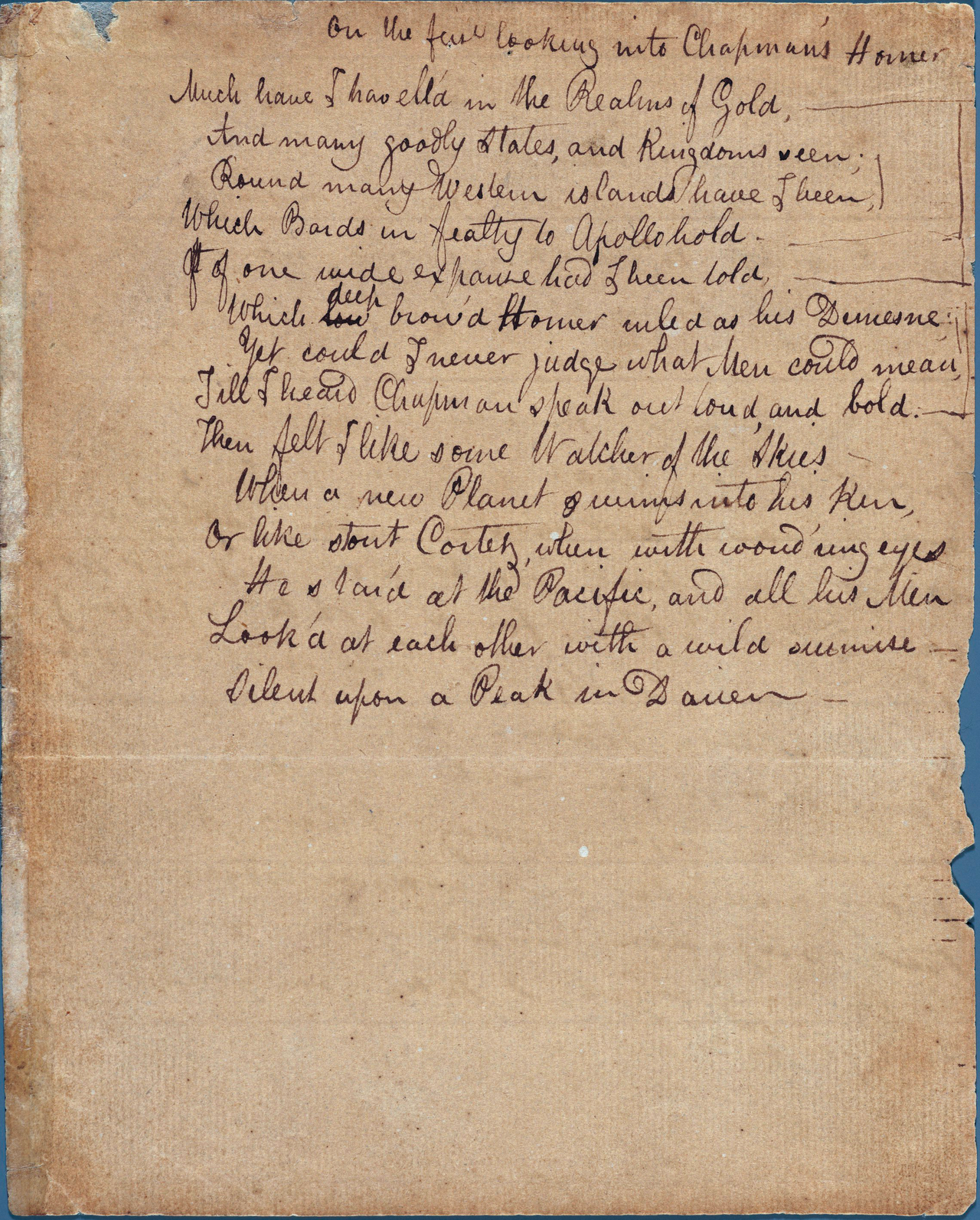
On First Looking into Chapman's Homer
John Keats · October 1816
Free account
Read every John Keats source
Sign up free →
Ready when you are
Start chatting with John Keats now.
20 messages free · No credit card · Available in 50+ languages.