


Primary sourcePainting1628–1629
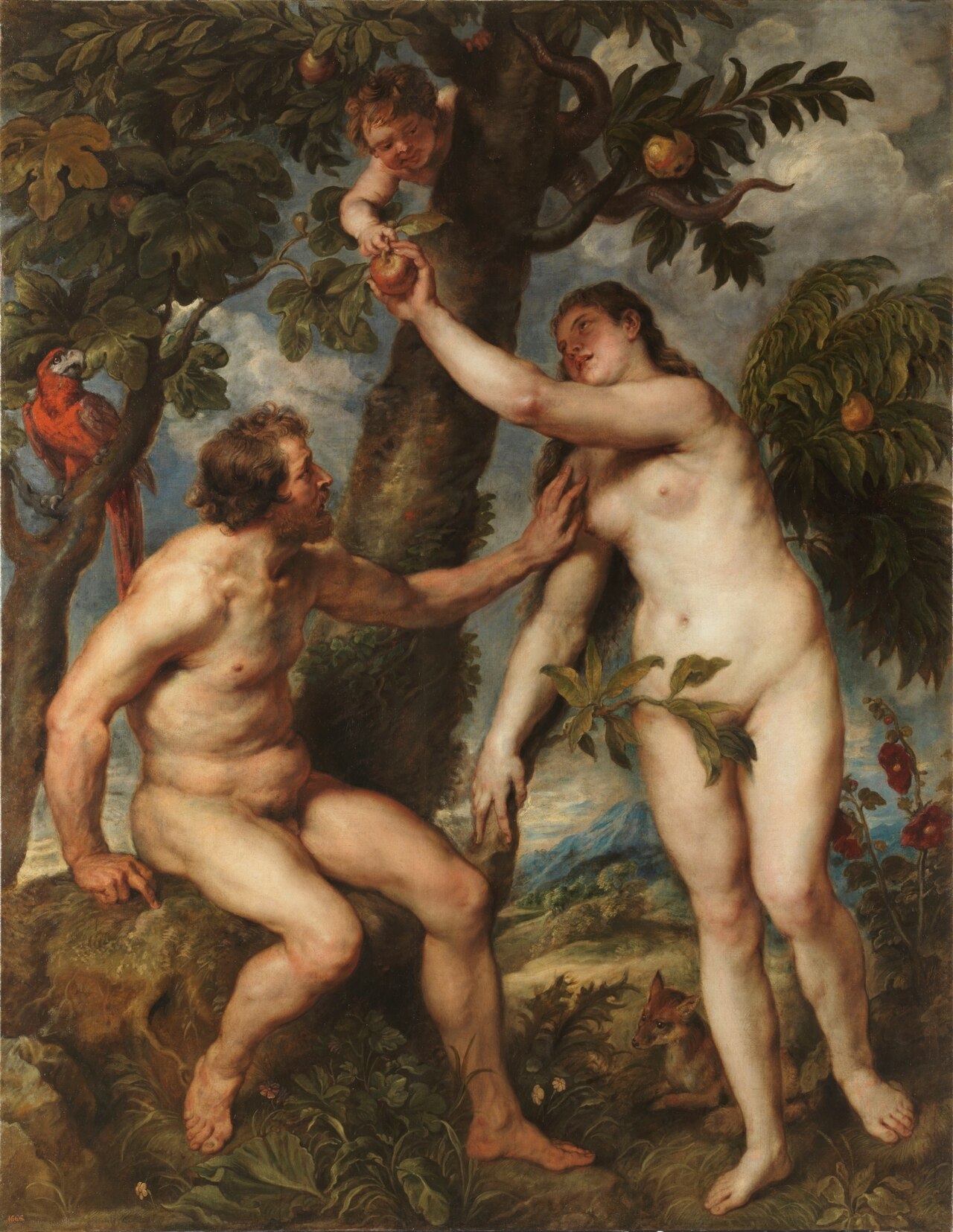
The Fall of Man
Peter Paul Rubens · 1628–1629
Rubens's copy of a painting by Titian, made in Madrid in 1628–1629 during a diplomatic trip, showing his lasting study of the Venetian master.
This copy after Titian, made during Rubens's 1628–1629 diplomatic visit to Madrid, shows his study of earlier masters.
About this source
What it is
The Fall of Man is a painting from 1628 to 1629 by Peter Paul Rubens, now in the Prado in Madrid. It is a copy of the painting of the same subject by Titian, which Rubens saw during his 1628–1629 trip to Madrid for peace negotiations to end the Dutch Revolt. It shows nude Adam and Eve in a garden, with a serpent in the tree, a parrot and a fox. Rubens changed Adam's posture, musculature, age and expression, and added a parrot.
Why it matters
The painting shows how Rubens learned from earlier masters by copying and changing their work. It was once attributed to the minor Dutch artist Karel van Mander but is now recognised as Rubens's own. Researchers have measured that viewers look more at Eve's face in Rubens's version than in Titian's, which shows how small changes affect what people notice.
Look closer
- What differences can you find between this painting and a version by Titian, if you can see one?
- Why might a diplomat painter spend time copying a famous older painting during a state trip?
- Which details, such as the parrot or the fox, seem added for effect, and what do they suggest about the artist?
This painting is part of the curated material that grounds the AI version of Peter Paul Rubens on Humy.ai — when students ask about related events, the AI can quote it and cite it.
More Peter Paul Rubens sources
Browse all 97 →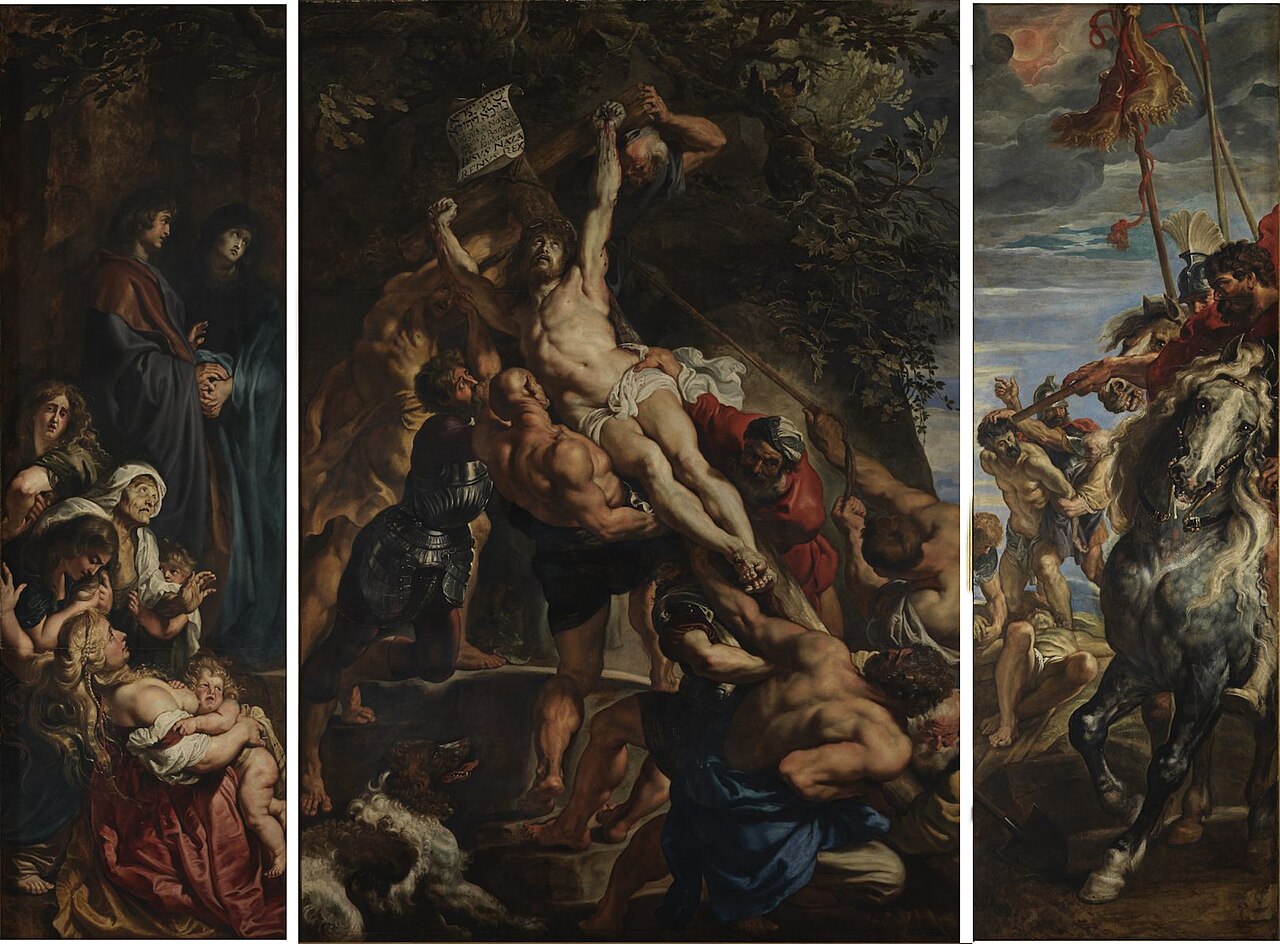 Painting
Primary source
The Elevation of the Cross
Peter Paul Rubens · 1610–1611
 Painting
Primary source
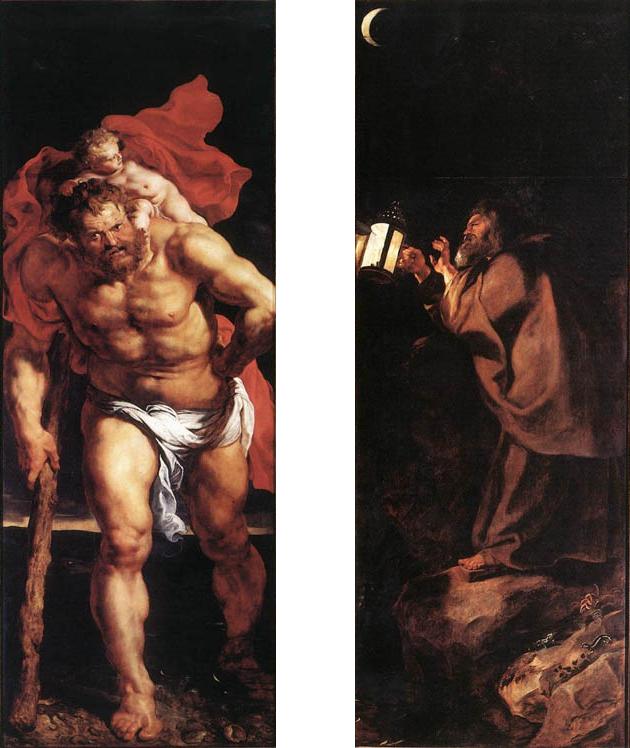
The Descent from the Cross
Peter Paul Rubens · 1611–1614
 Painting
Primary source
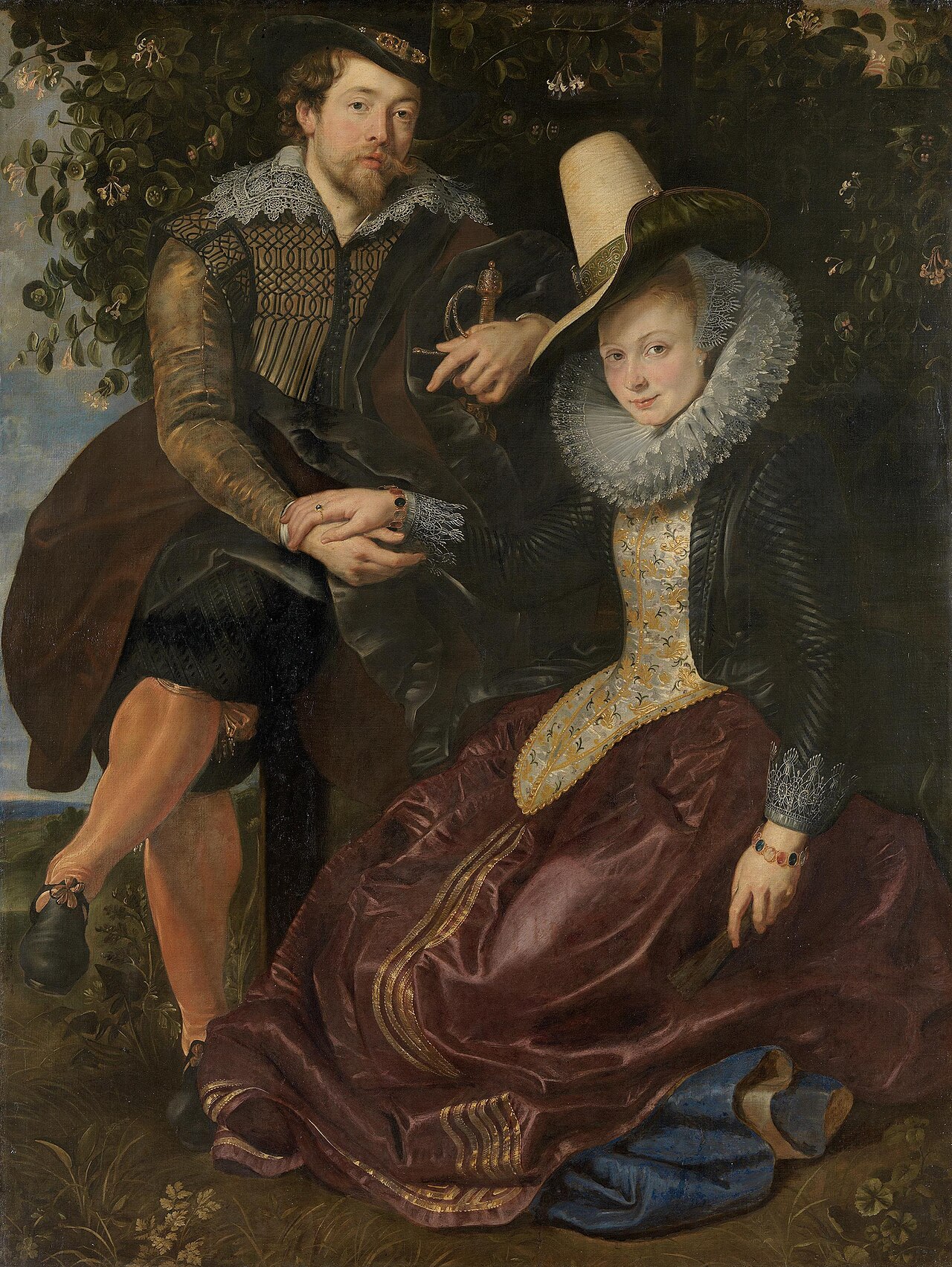
The Honeysuckle Bower
Peter Paul Rubens · c. 1609
 Painting
Primary source
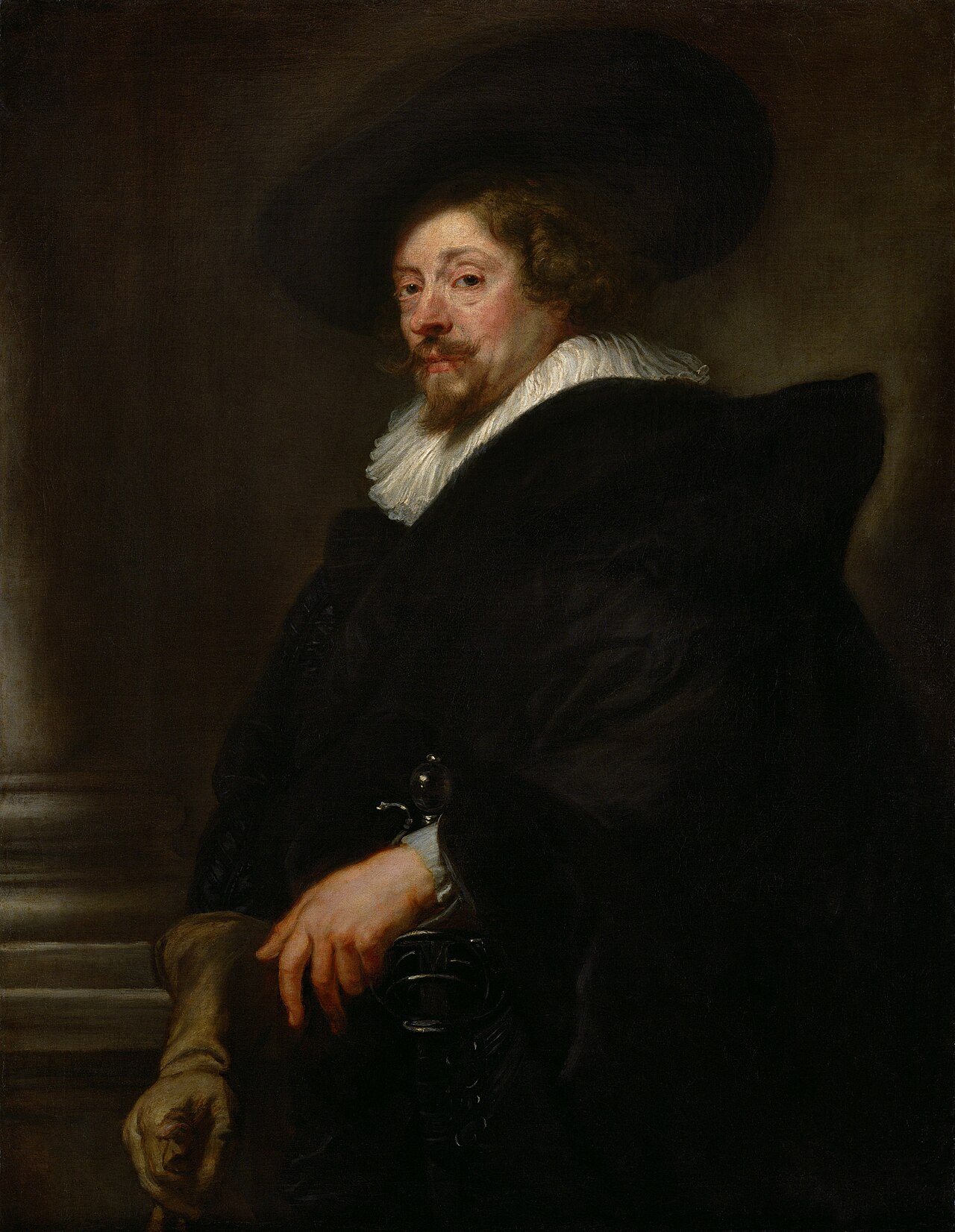
Self-Portrait
Peter Paul Rubens · 1638–1639
Free account
Read every Peter Paul Rubens source
Sign up free →
Ready when you are
Start chatting with Peter Paul Rubens now.
20 messages free · No credit card · Available in 50+ languages.