


Secondary sourceArtifactc. 1500
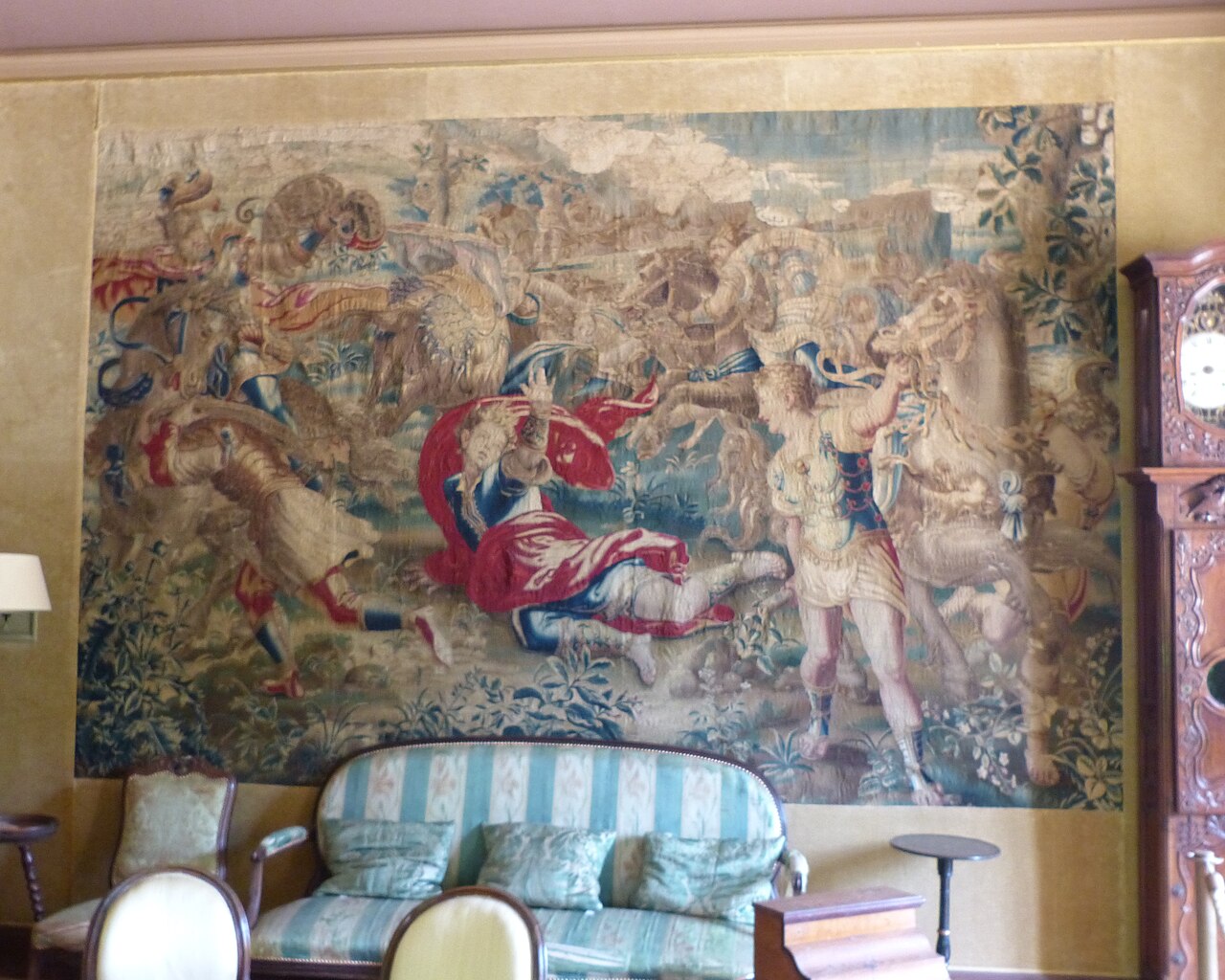
The Fall of Pyrrhus
c. 1500
A Renaissance tapestry from around 1500 showing the downfall of Pyrrhus, used as a moral warning about the dangers of pride and ambition.
A tapestry depicting the fall of Pyrrhus as a moral example for elite audiences centuries after his death.
About this source
What it is
This large Renaissance tapestry, made around 1500 in Brussels, depicts the fall of King Pyrrhus of Epirus. It hangs today in the Château d'Espeyran in France and is listed as a French national heritage monument.
Why it matters
The tapestry shows a battle scene with armored horsemen and fallen warriors, including a red-cloaked figure on the ground representing Pyrrhus's defeat. Wealthy European households in the early modern period displayed such scenes as moral lessons, warning that even the mightiest rulers could fall. It reflects how Pyrrhus's story was retold for centuries after his death as an example of ambition's limits.
Look closer
- What makes the fallen figure in the center stand out from the rest of the battle scene?
- Why would a wealthy family choose to display this scene in their home?
- What historical details about Pyrrhus's actual death are missing from this imagined battle scene?
This artifact is part of the curated material that grounds the AI version of Pyrrhus of Epirus on Humy.ai — when students ask about related events, the AI can quote it and cite it.
More Pyrrhus of Epirus sources
Browse all 78 →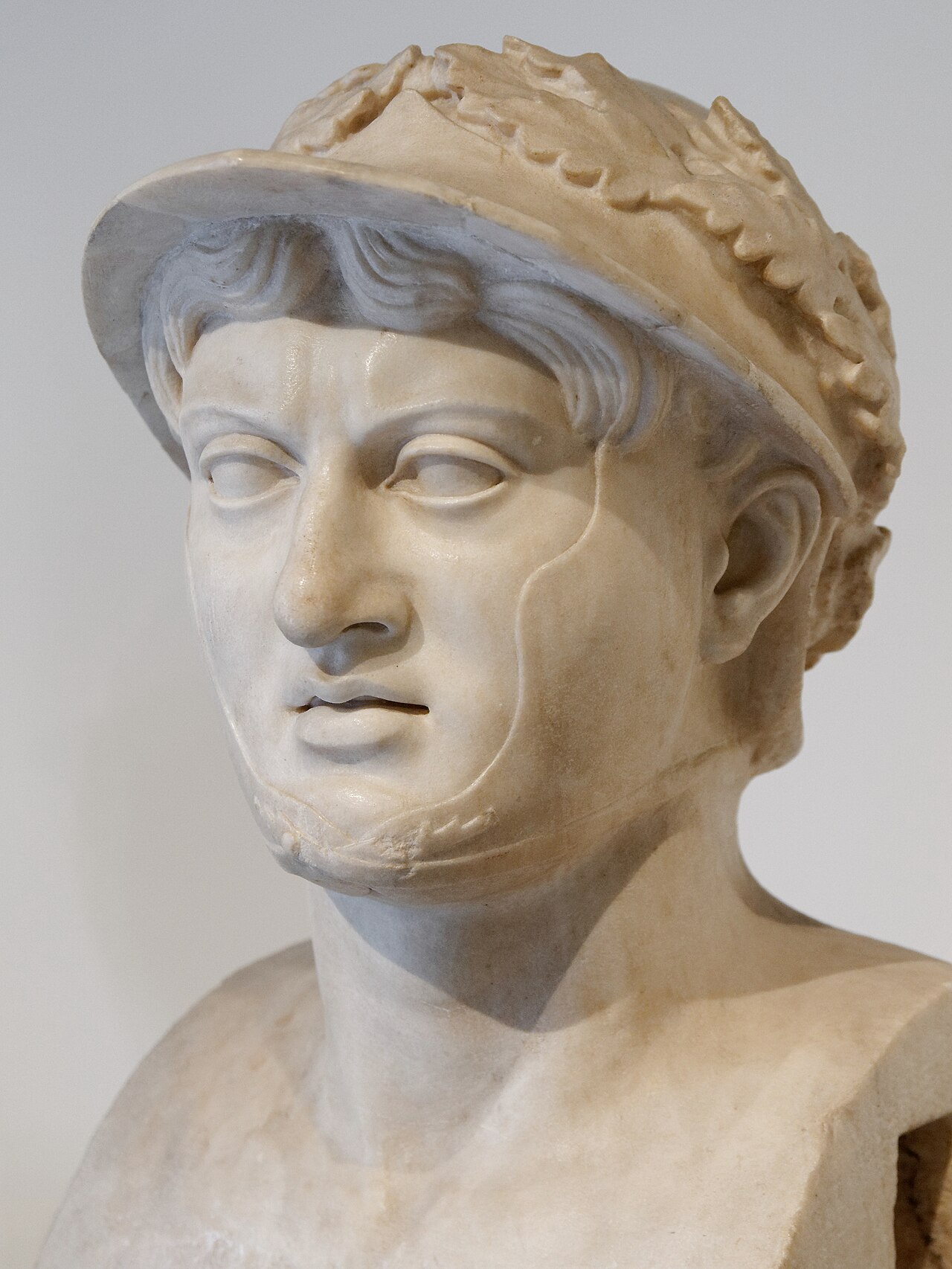
Ready when you are
Start chatting with Pyrrhus of Epirus now.
20 messages free · No credit card · Available in 50+ languages.