


Primary sourceSculptureModeled c. 1881–82, cast 1902–24
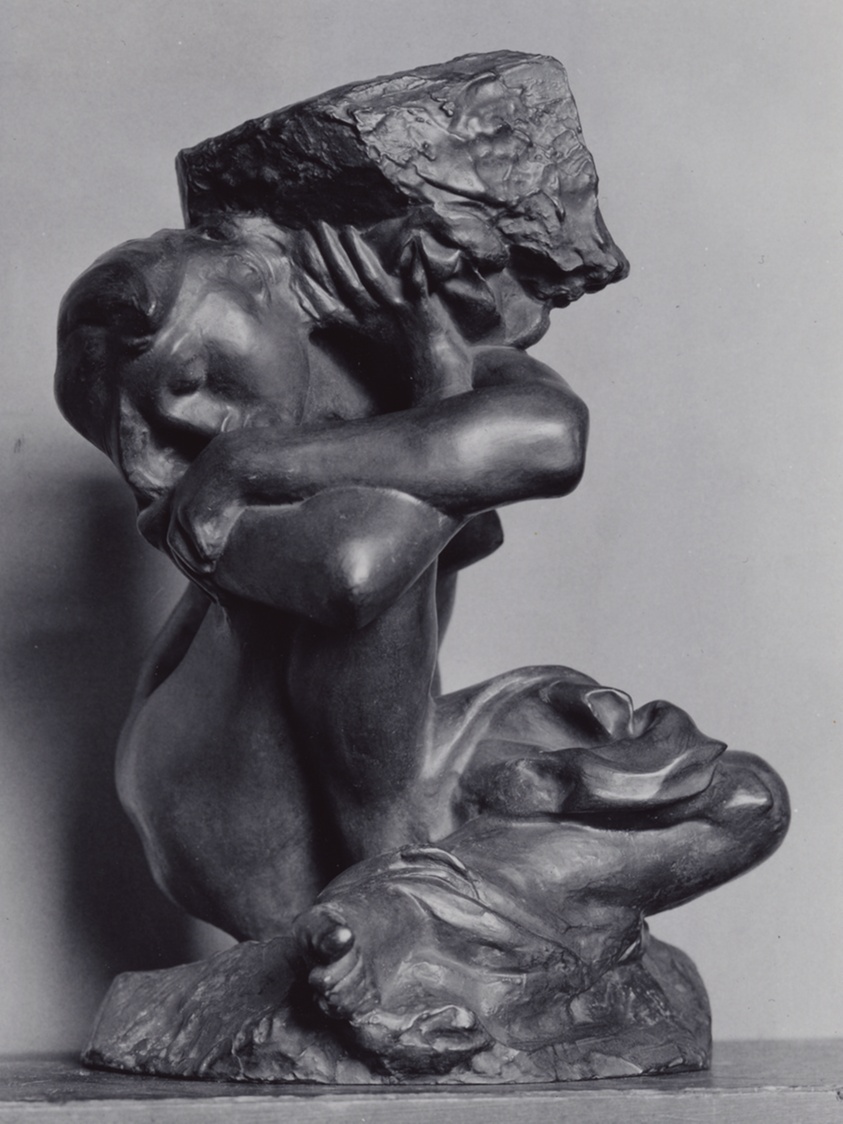
The Fallen Caryatid Carrying Her Stone
Auguste Rodin · Modeled c. 1881–82, cast 1902–24
A bronze by Rodin showing a kneeling, fragmentary female figure bent under the weight of a stone block.
A bronze sculpted by Rodin illustrating his unconventional, emotionally expressive and fragmentary style.
About this source
What it is
This bronze sculpture by Auguste Rodin shows a kneeling woman bent forward, her face hidden against her arm, with a heavy block resting on her back. It was modeled around 1881–82 and cast between 1902 and 1924. The sculpture is held by the Art Institute of Chicago.
Why it matters
The work demonstrates Rodin's unconventional style, which often favored fragmentary, unfinished-looking forms over polished classical completeness. This approach was controversial in its time but became highly influential, helping redefine what sculpture could express — struggle, burden, and raw emotion rather than idealized beauty.
Look closer
- Why might Rodin have left the figure looking fragmentary rather than complete?
- What feeling does the pose — bent forward, face hidden, weighed down — create for the viewer?
- How does this piece differ from traditional sculptures of mythological figures like caryatids?
This sculpture is part of the curated material that grounds the AI version of Auguste Rodin on Humy.ai — when students ask about related events, the AI can quote it and cite it.
More Auguste Rodin sources
Browse all 98 → Sculpture
Secondary source
The Thinker
Auguste Rodin · 1882
 Sculpture
Primary source
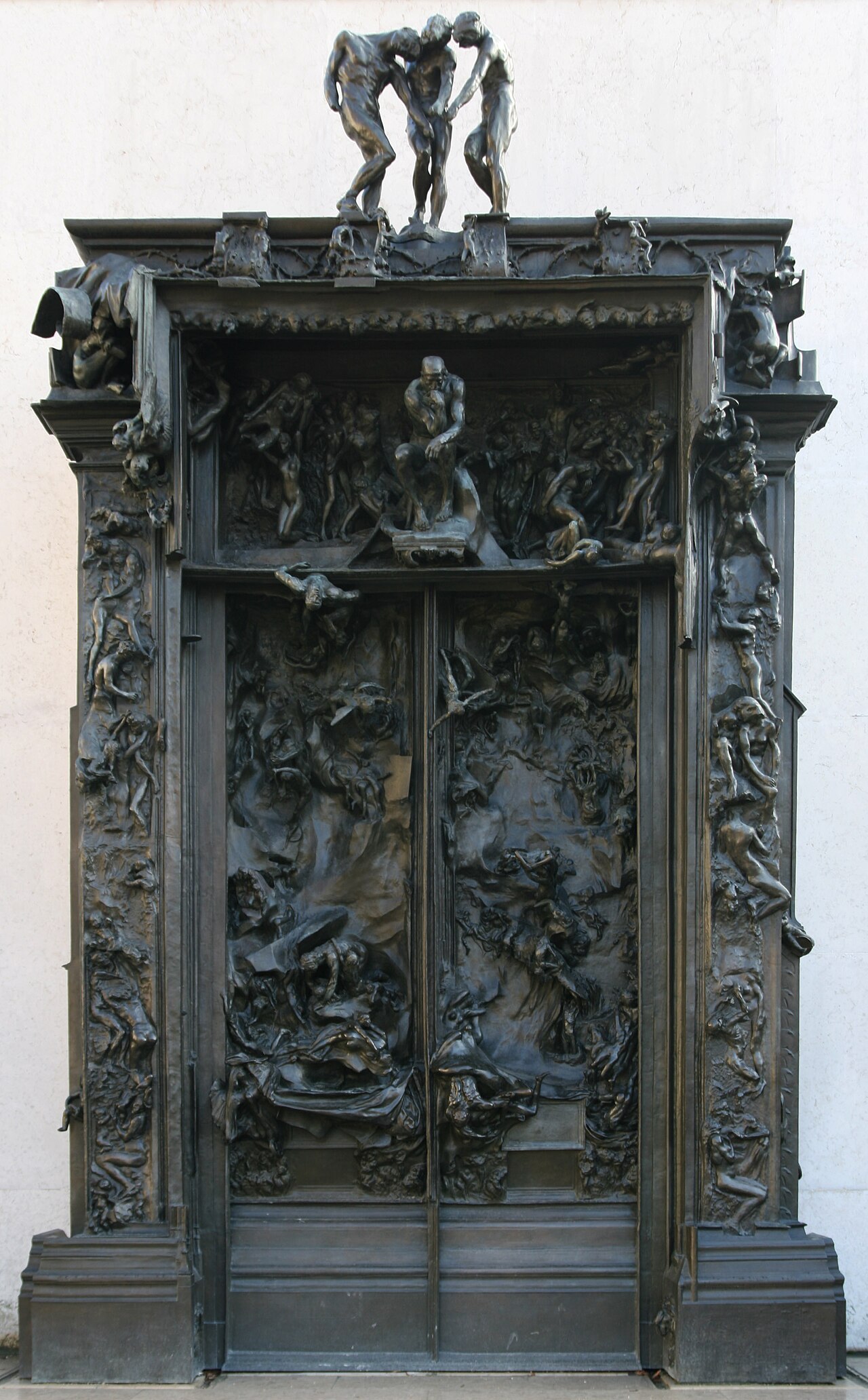
The Gates of Hell
Auguste Rodin · 1880-1917
 Sculpture
Primary source
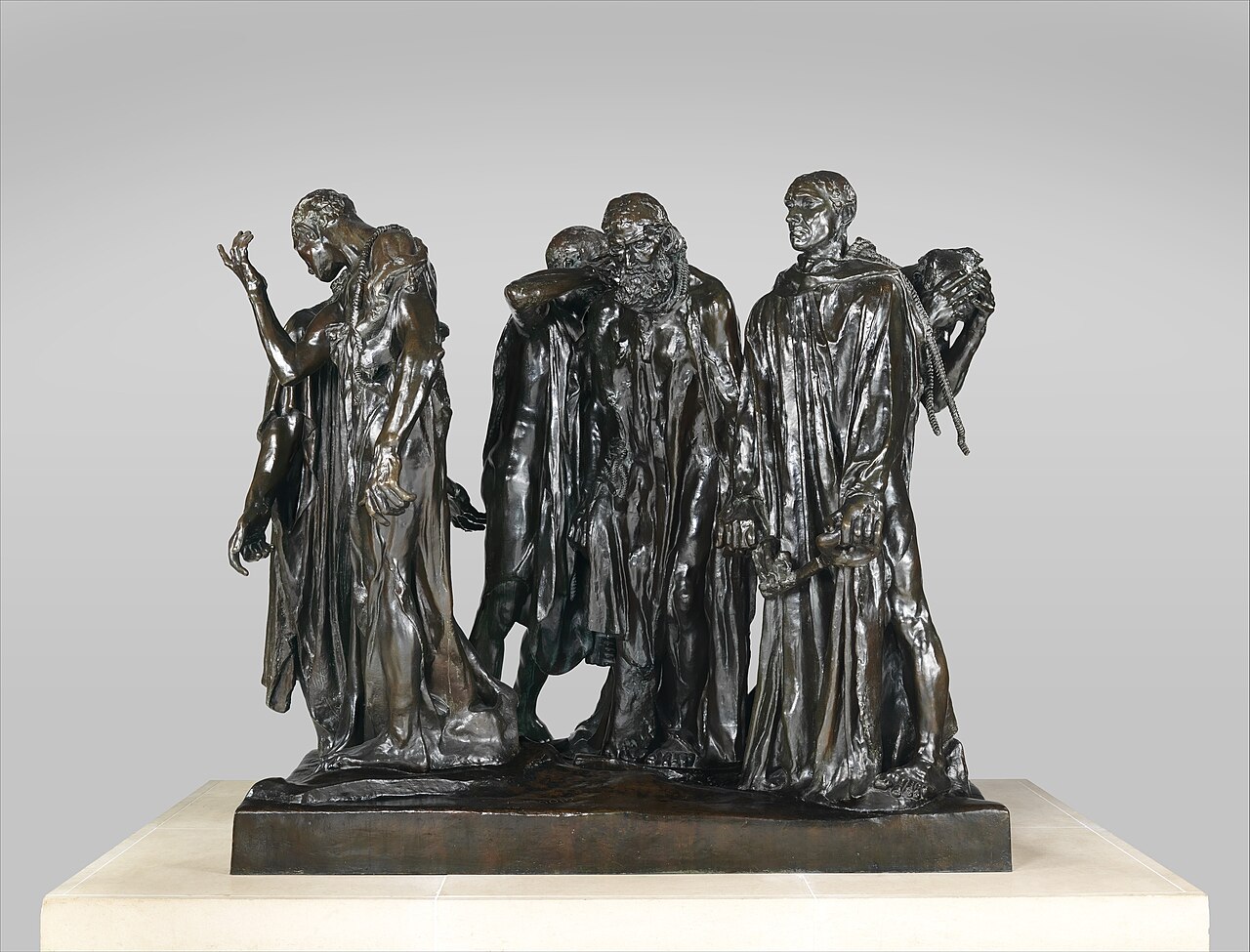
The Burghers of Calais
Auguste Rodin · 1884-1889
 Sculpture
Primary source
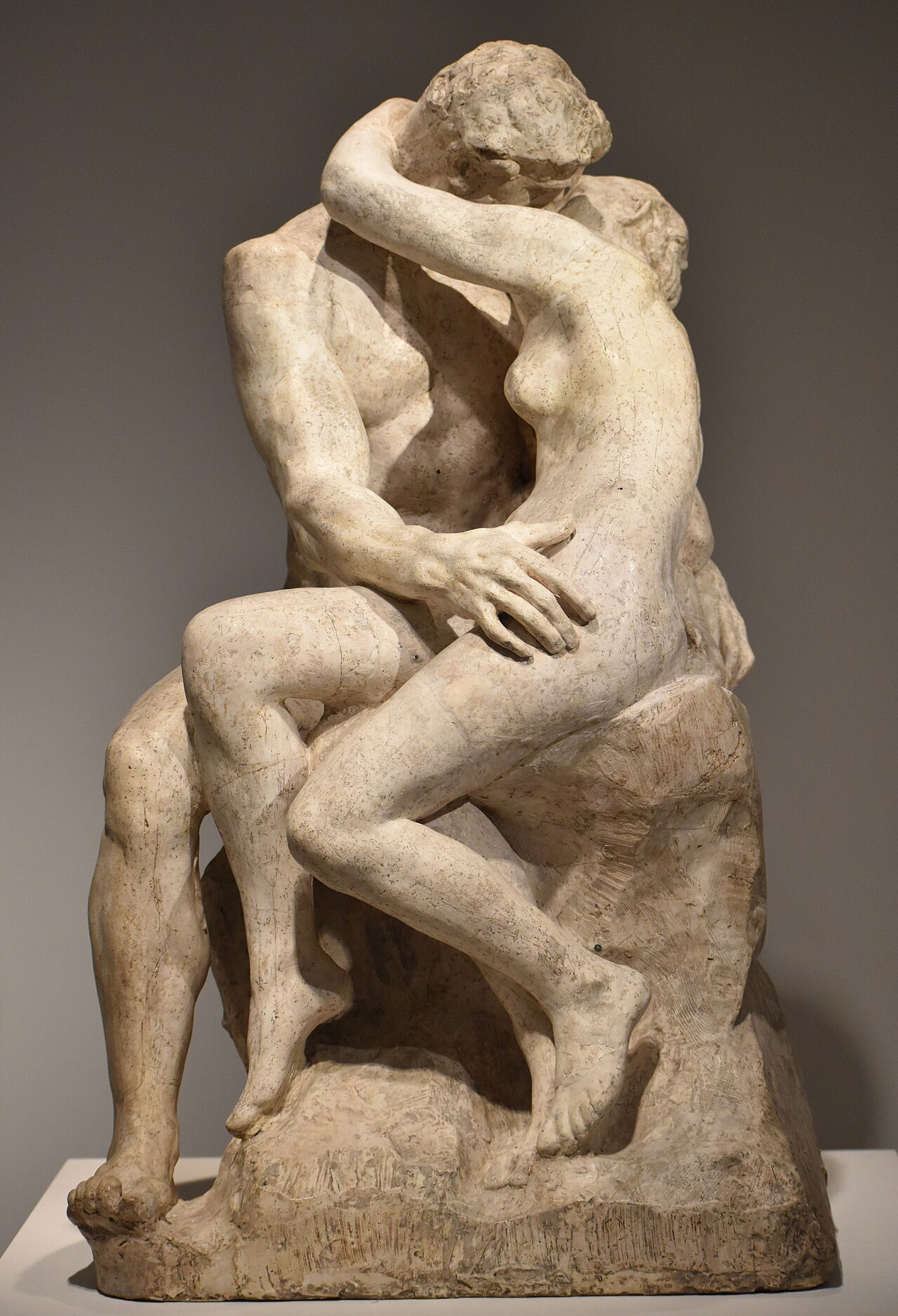
The Kiss
Auguste Rodin · 1882
Free account
Read every Auguste Rodin source
Sign up free →
Ready when you are
Start chatting with Auguste Rodin now.
20 messages free · No credit card · Available in 50+ languages.