


Primary sourceSculptureca. 1473–1458 BCE
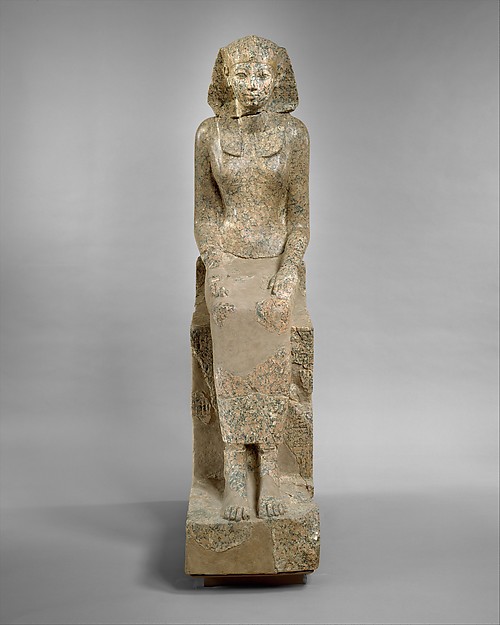
The Female Pharaoh Hatshepsut, Seated Statue
ca. 1473–1458 BCE
A seated granite statue of Hatshepsut shown as a female figure, with a short wig and long garment, from her reign as pharaoh.
This rare statue shows Hatshepsut depicted more clearly as a woman, unlike many of her other royal images.
About this source
What it is
This seated granite statue shows Hatshepsut as a woman, wearing a short wig and long pleated garment, rather than in the typical male royal form used in many of her other statues. It dates from her joint reign with Thutmose III and is held by the Metropolitan Museum of Art, with its torso lent by the Rijksmuseum van Oudheden in Leiden.
Why it matters
Most of Hatshepsut's statues depict her with the traditional male attributes of a pharaoh, so this statue showing her more clearly as a woman is unusual and valuable. It helps historians understand the different ways Hatshepsut's image was shaped and presented during her rule.
Look closer
- How does this statue differ from typical pharaoh statues you have seen?
- Why might Hatshepsut's image have varied between different statues?
- What might explain why the torso and the rest of the statue ended up in different museums?
This sculpture is part of the curated material that grounds the AI version of Hatshepsut on Humy.ai — when students ask about related events, the AI can quote it and cite it.
More Hatshepsut sources
Meet the AI Hatshepsut →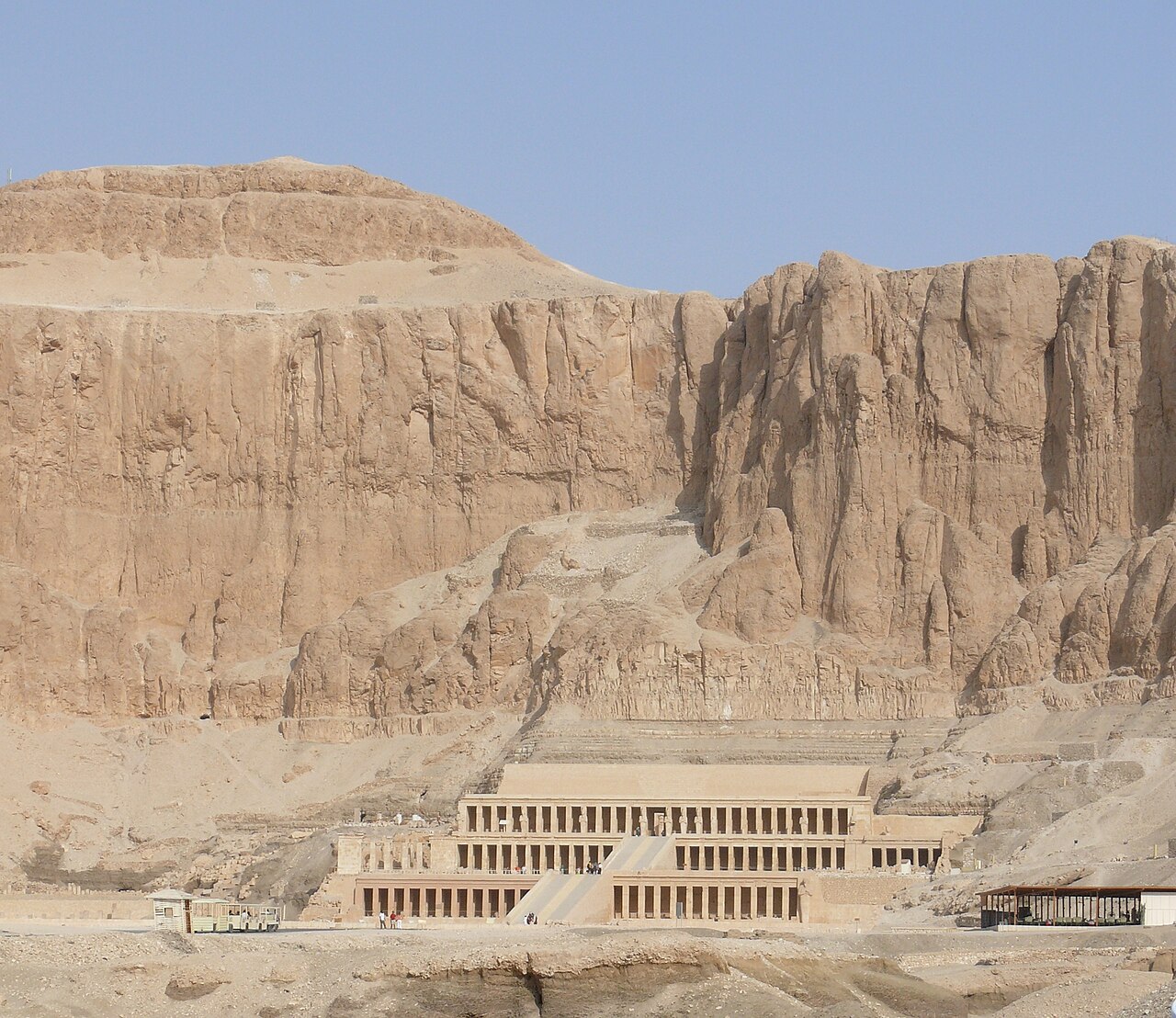 Artifact
Primary source
Mortuary Temple of Hatshepsut
Senenmut and/or Hapuseneb (attributed) · c. 1479–1458 BCE
 Photograph
Secondary source
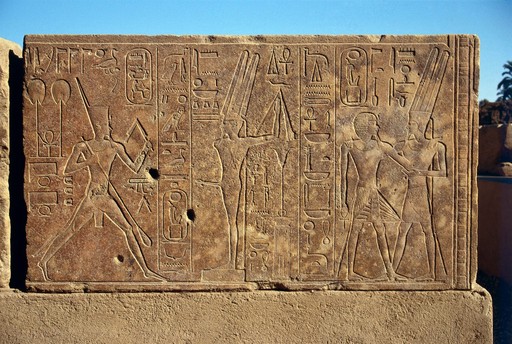
Hatshepsut Dancing Before Min, Karnak Relief
Carole Reeves · 1989
 Sculpture
Primary source
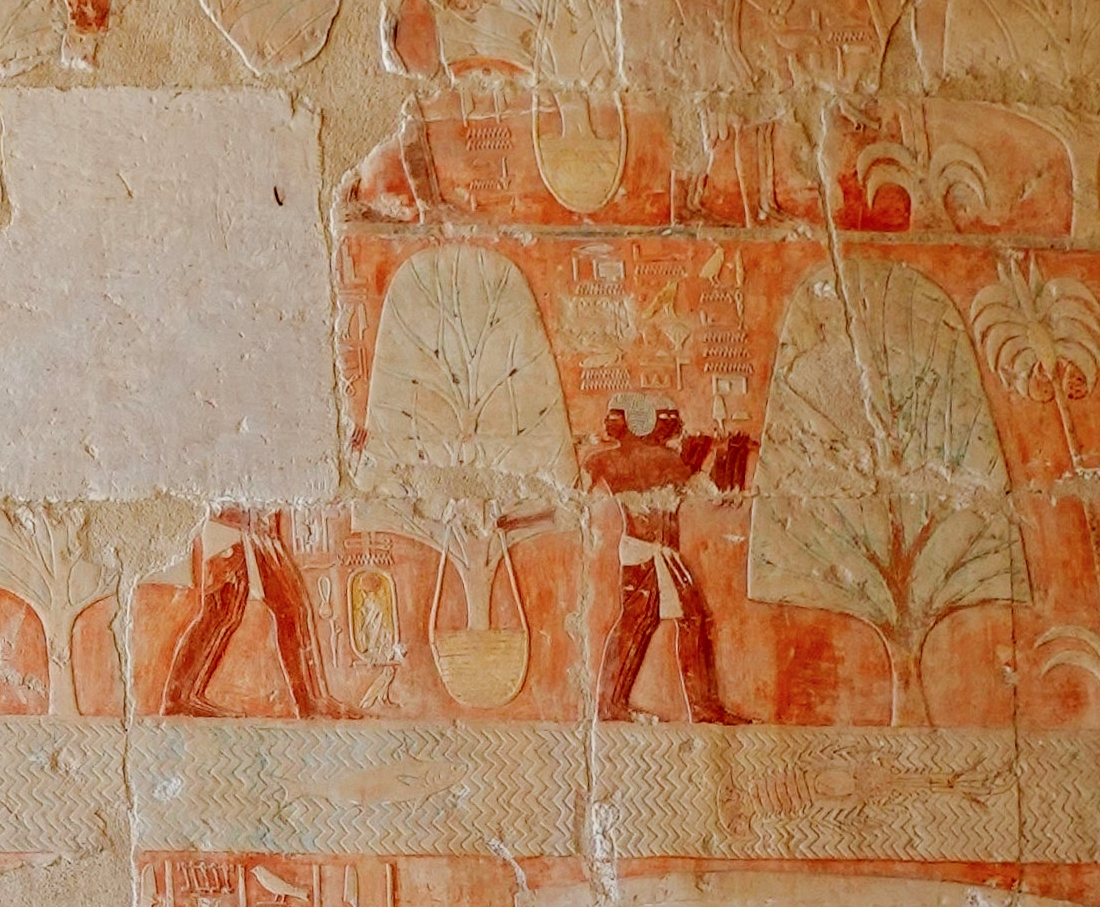
Punt Expedition Reliefs
Royal workshops of Hatshepsut · c. 1470 BCE
 Sculpture
Primary source
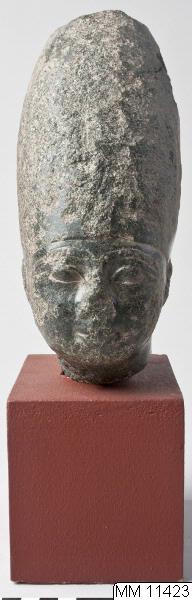
Sculpture Head Probably of Hatshepsut
 Sculpture
Primary source
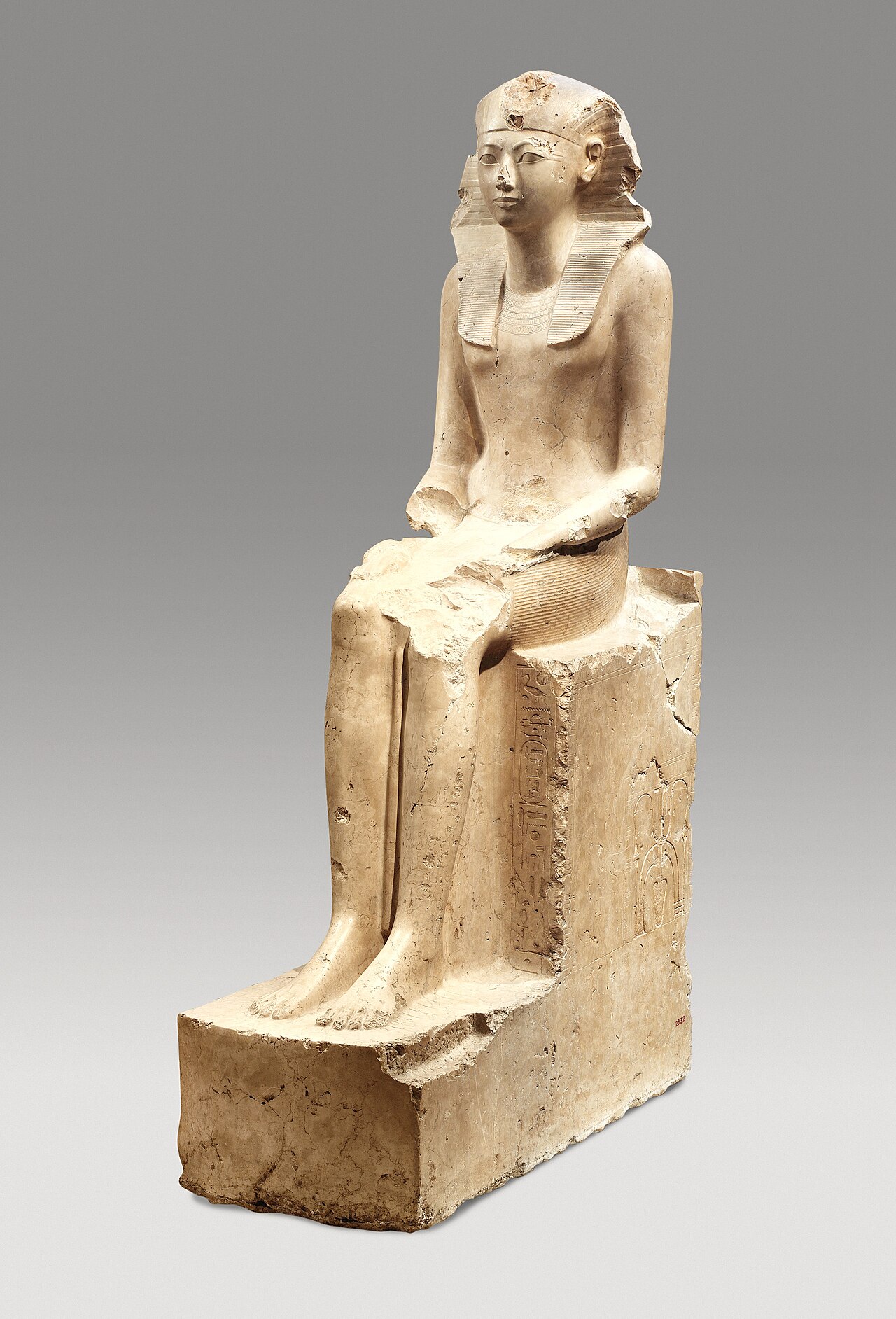
Seated Statue of Hatshepsut
c. 1466 BCE
Ready when you are
Start chatting with Hatshepsut now.
20 messages free · No credit card · Available in 50+ languages.