


Secondary sourcePaintingc. 1581
The Finding of Moses
Paolo Veronese · c. 1581
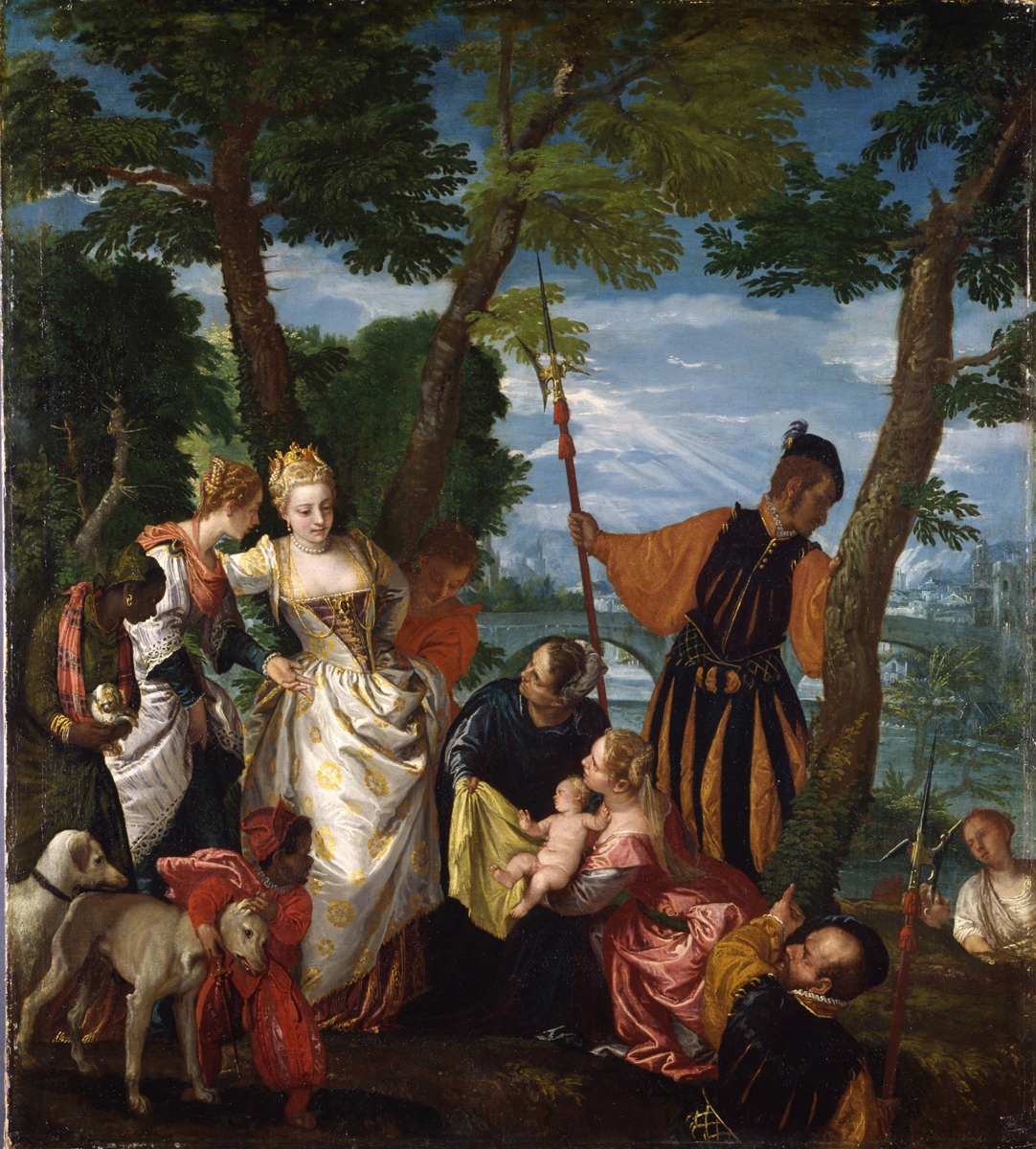
A Venetian-style painting by Paolo Veronese showing Pharaoh's daughter discovering the infant Moses.
Depicts the infant Moses being discovered by Pharaoh's daughter, the moment that saved his life.
About this source
What it is
This small oil-on-canvas painting by Italian artist Paolo Veronese dates to around 1581 and is one of at least eight versions of the subject by Veronese and his studio. It was later acquired by Louis XIV and hung at Versailles before entering the Louvre.
Why it matters
The painting depicts the biblical moment when Pharaoh's daughter finds the infant Moses hidden among the reeds of the Nile. Veronese reimagines the scene as a lavish Venetian court event, with the princess dressed as a wealthy noblewoman surrounded by attendants, pages and dogs. This shows how Renaissance artists often dressed biblical stories in the fashions and settings of their own time, making ancient events feel immediate to contemporary audiences.
Look closer
- What details in the clothing and setting tell you this is set in Veronese's own era rather than ancient Egypt?
- Why do you think the artist made several versions of this same subject?
- What does the choice to show this quiet, intimate moment say about how artists chose to tell Moses' story?
This painting is part of the curated material that grounds the AI version of Moses on Humy.ai — when students ask about related events, the AI can quote it and cite it.
More Moses sources
Browse all 85 →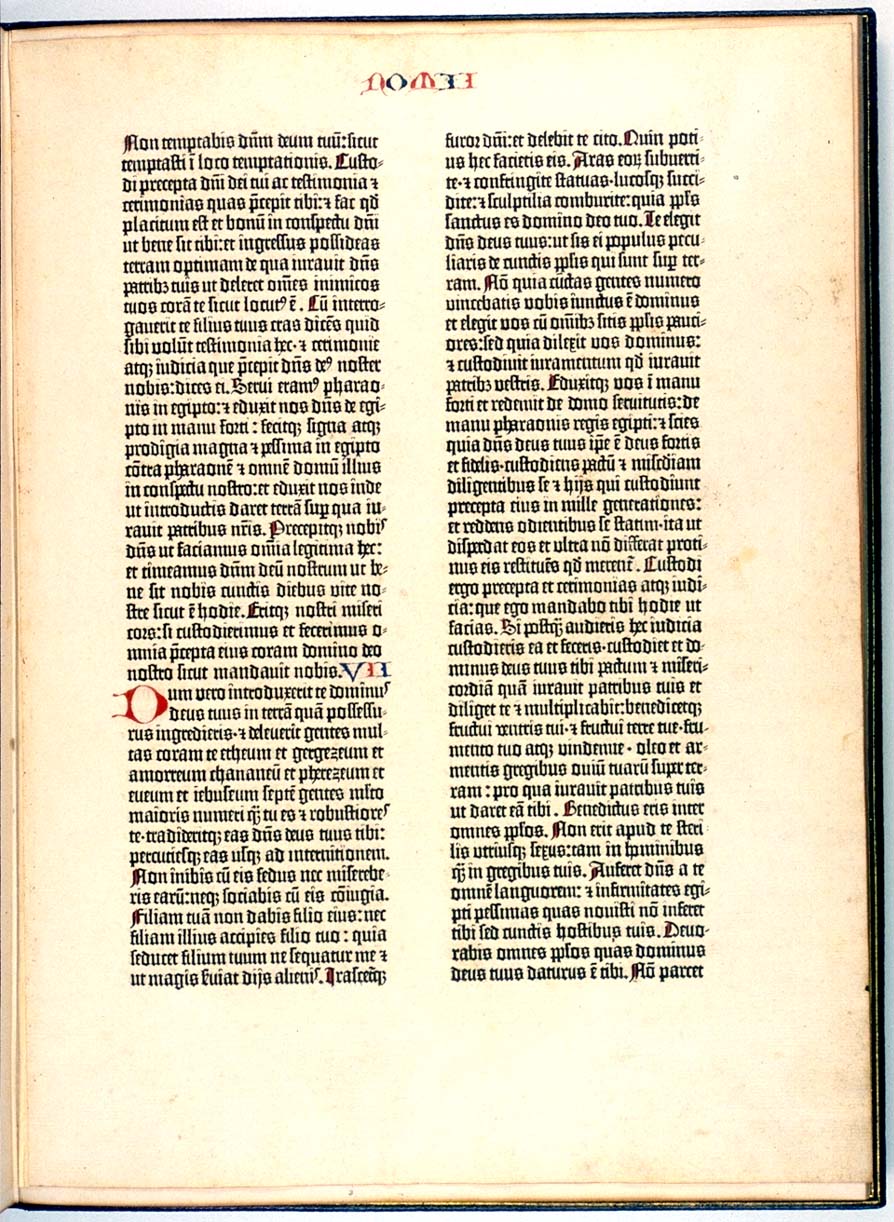 Book
Secondary source
Deuteronomy
Deuteronomist · 7th–5th century BCE
 Artifact
Primary source
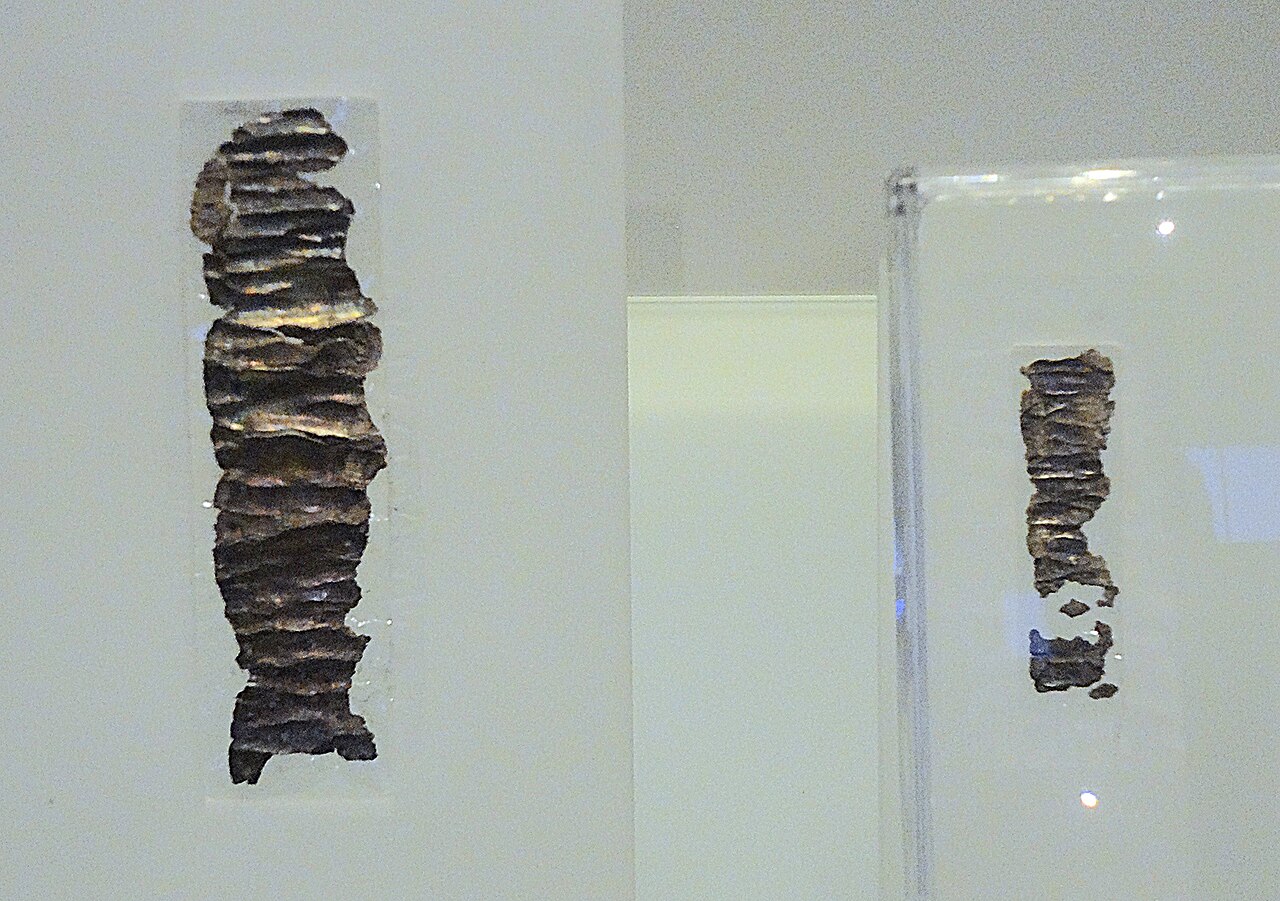
Ketef Hinnom scrolls
c. 600 BCE
 Sculpture
Primary source
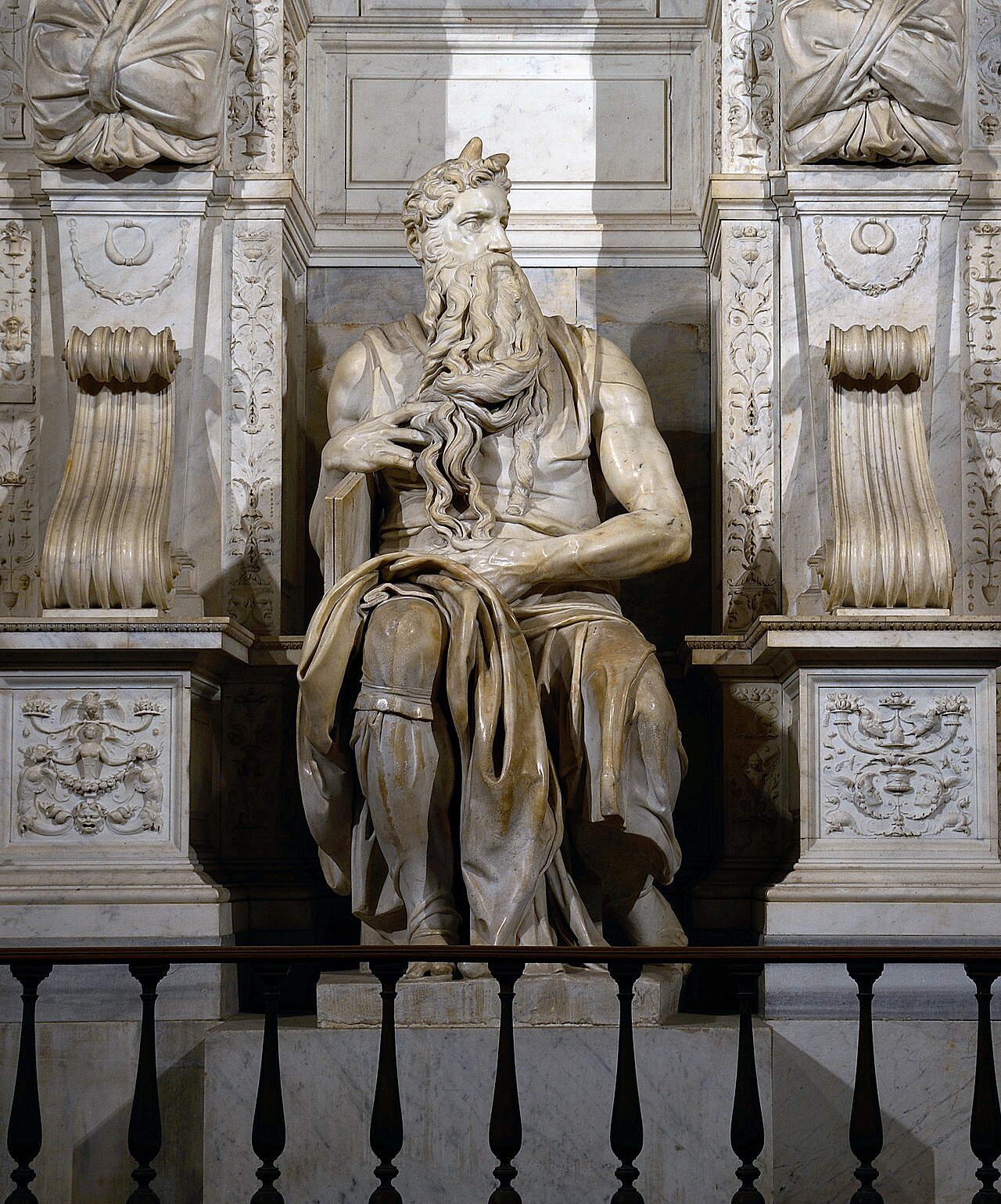
Moses
Michelangelo · c. 1513-1515
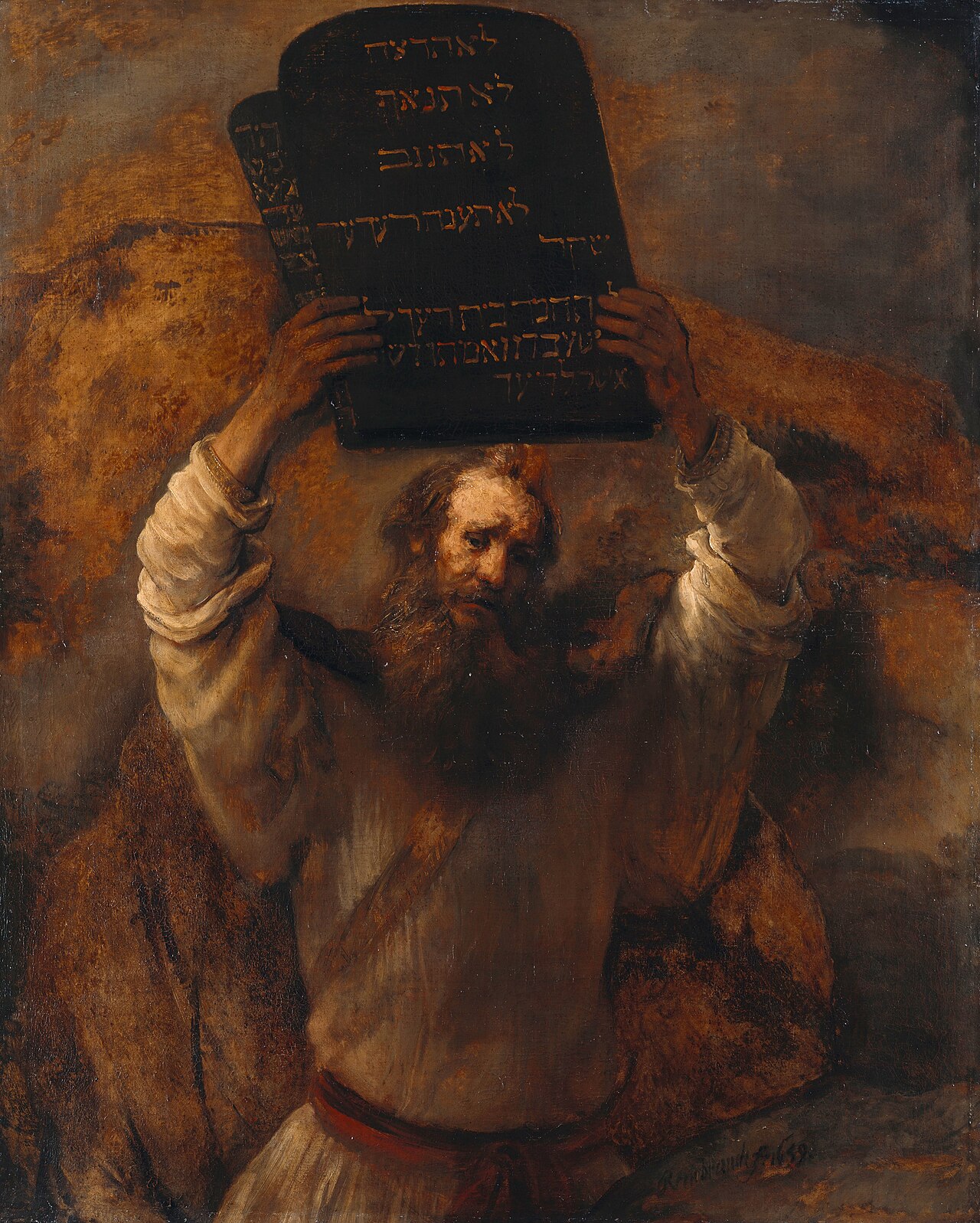
 Painting
Secondary source
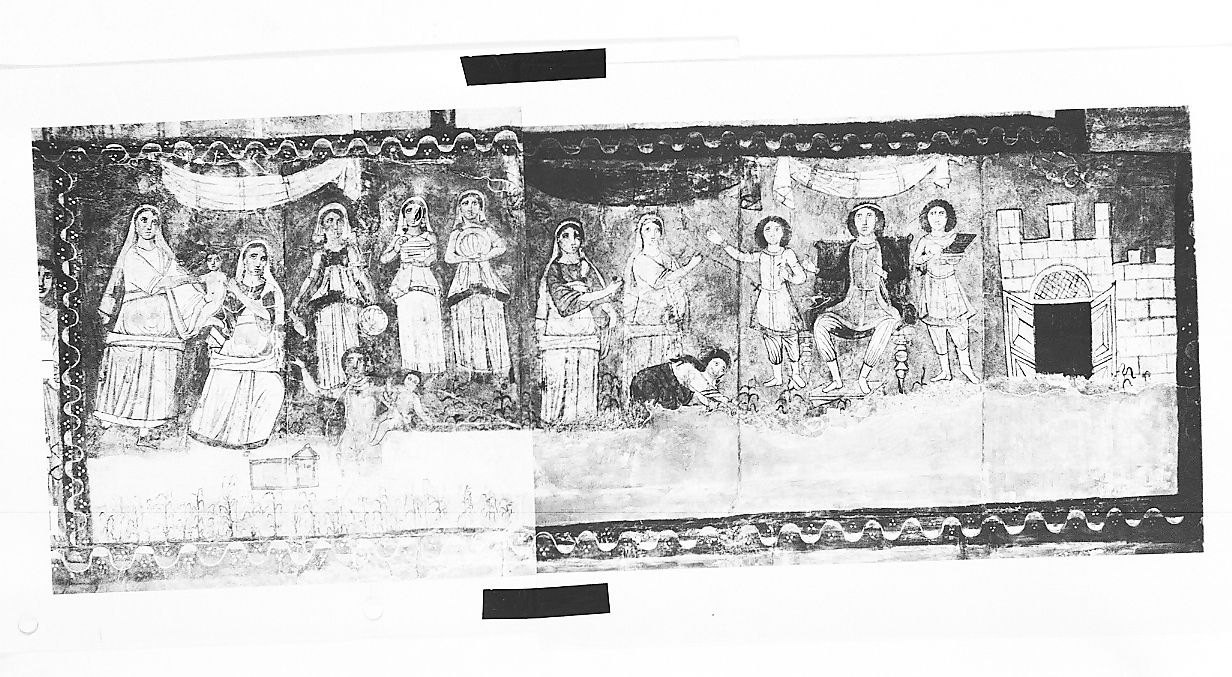
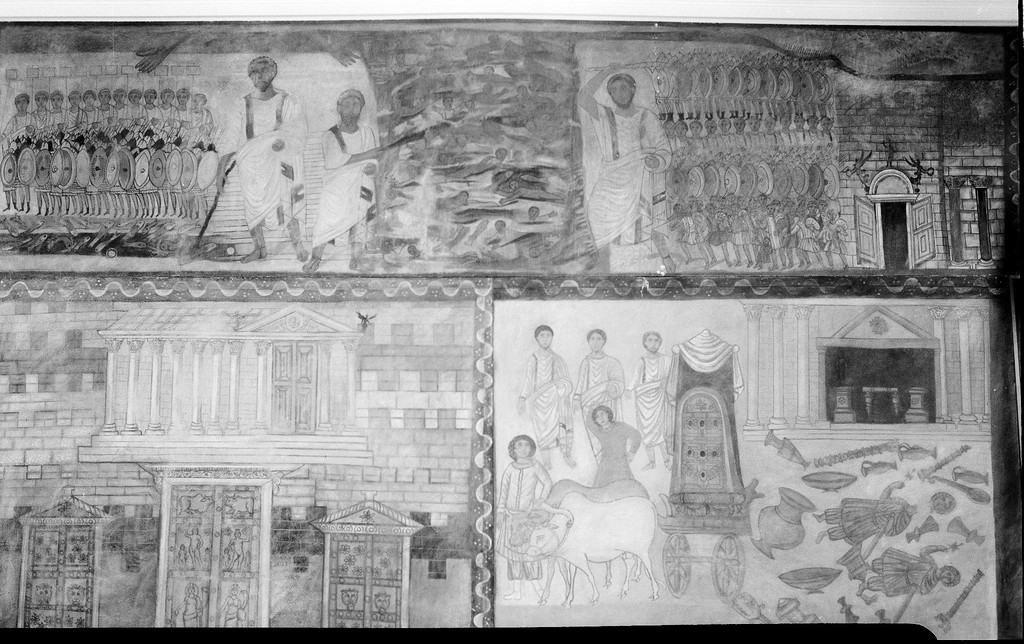
Iconographic Scene WC4, Dura-Europos Synagogue
240 CE
Free account
Read every Moses source
Sign up free →
Ready when you are
Start chatting with Moses now.
20 messages free · No credit card · Available in 50+ languages.