


Primary sourcePainting16th century
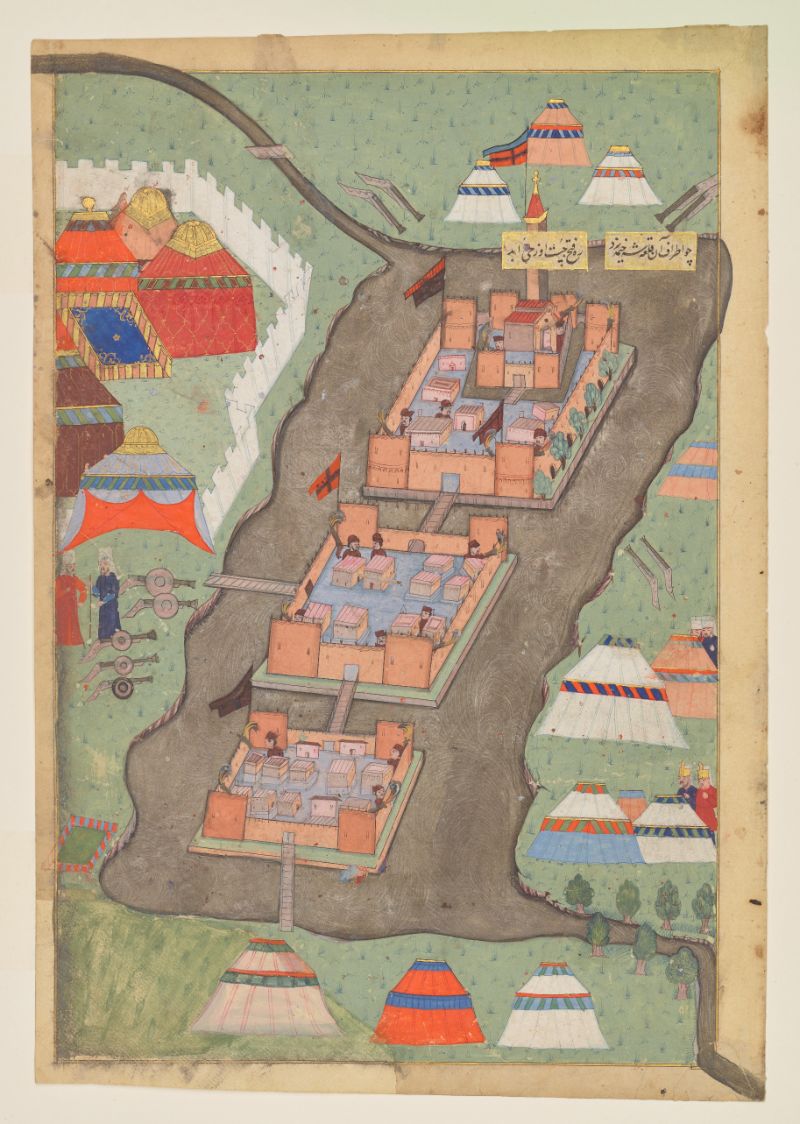
The Fortress of Szigetvar
Qāsim al-Ḥusaynī al-`Arīdī al-Qazvīnī · 16th century
A 16th-century Ottoman manuscript painting of the 1566 siege of a Hapsburg fortress under Süleyman, from a later chapter in the empire Osman I founded.
This later siege scene shows how far the empire Osman I began had expanded under his successors.
About this source
What it is
This painted manuscript page shows the Hapsburg fortress of Szigetvar in Hungary, besieged by the Ottoman army in 1566. It comes from a history of Sultan Süleyman the Magnificent written by the court historian Sayyid Luqman and illustrated by Qāsim al-Ḥusaynī al-`Arīdī al-Qazvīnī.
Why it matters
The siege took place generations after Osman I's death, showing the continued military expansion of the empire he founded. The manuscript was part of an Ottoman tradition of recording dynastic history in detailed illustrated chronicles.
Look closer
- What does the bird's-eye view of the fortress tell you about how the artist wanted viewers to understand the siege?
- Why might the Ottoman court want a detailed painted record of this battle?
- What is missing from this image about the human cost of the siege?
This painting is part of the curated material that grounds the AI version of Osman I on Humy.ai — when students ask about related events, the AI can quote it and cite it.
More Osman I sources
Browse all 55 →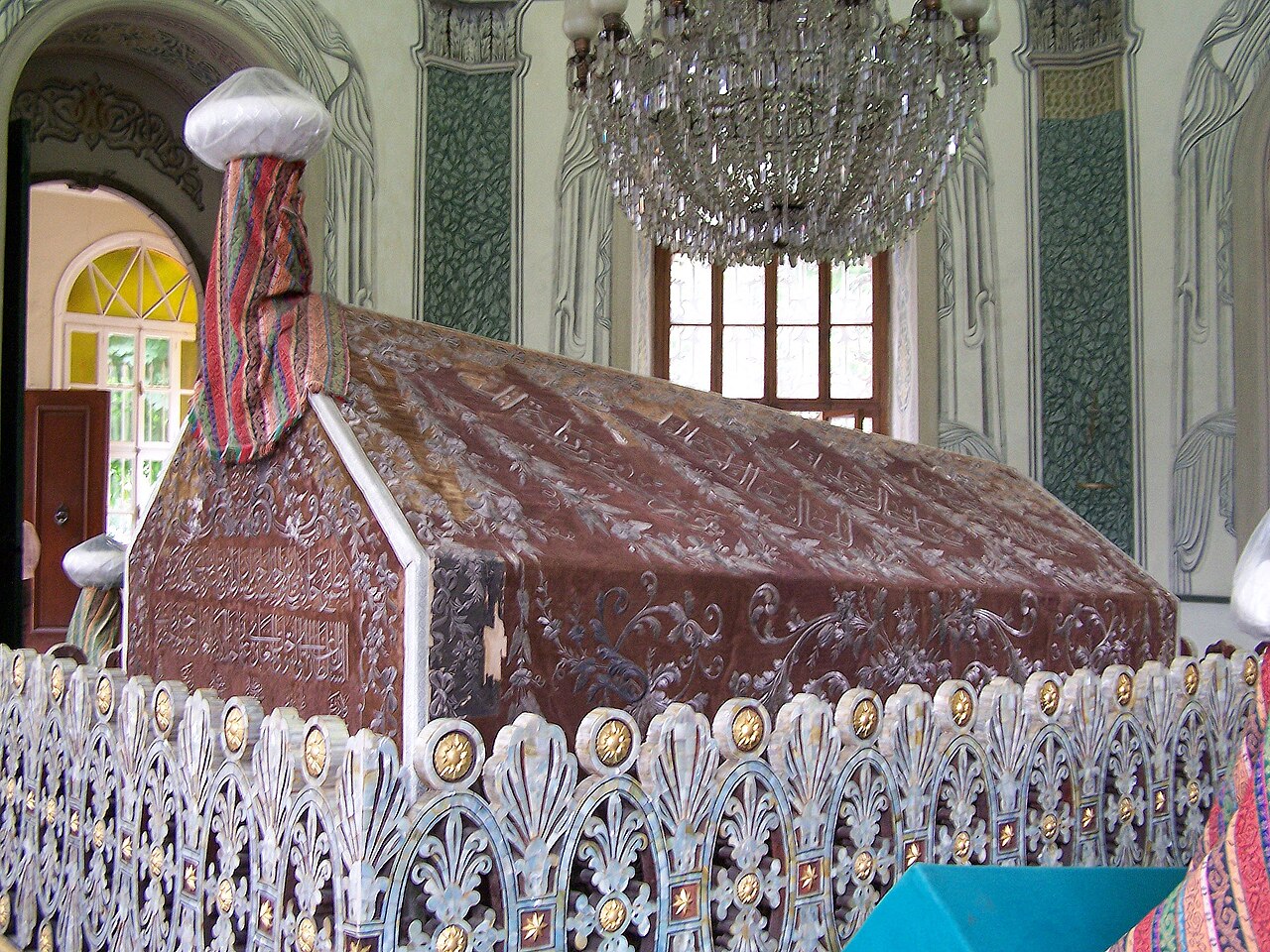 Artifact
Secondary source
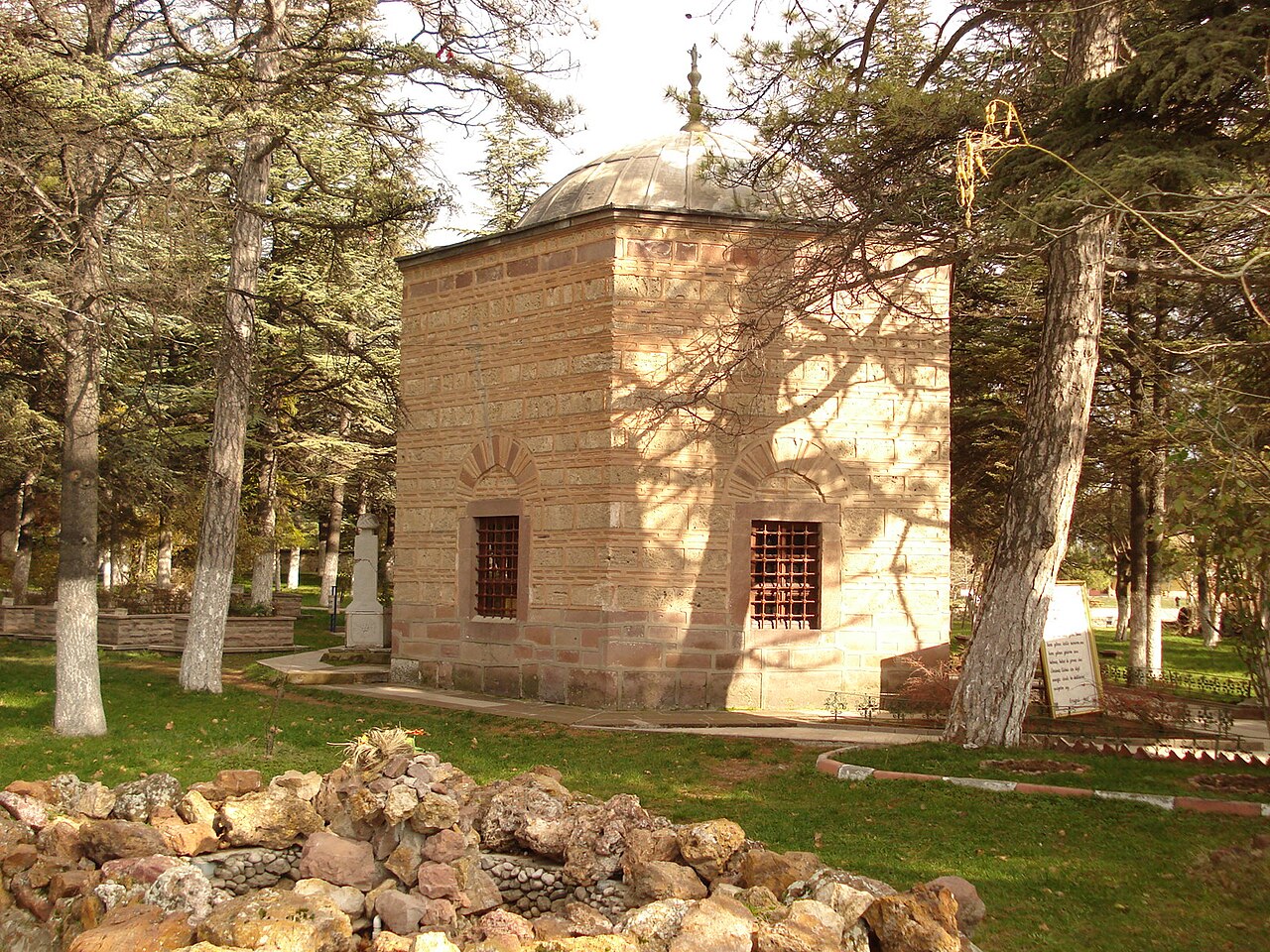
Türbe of Osman I
rebuilt after 1855 (original site earlier)
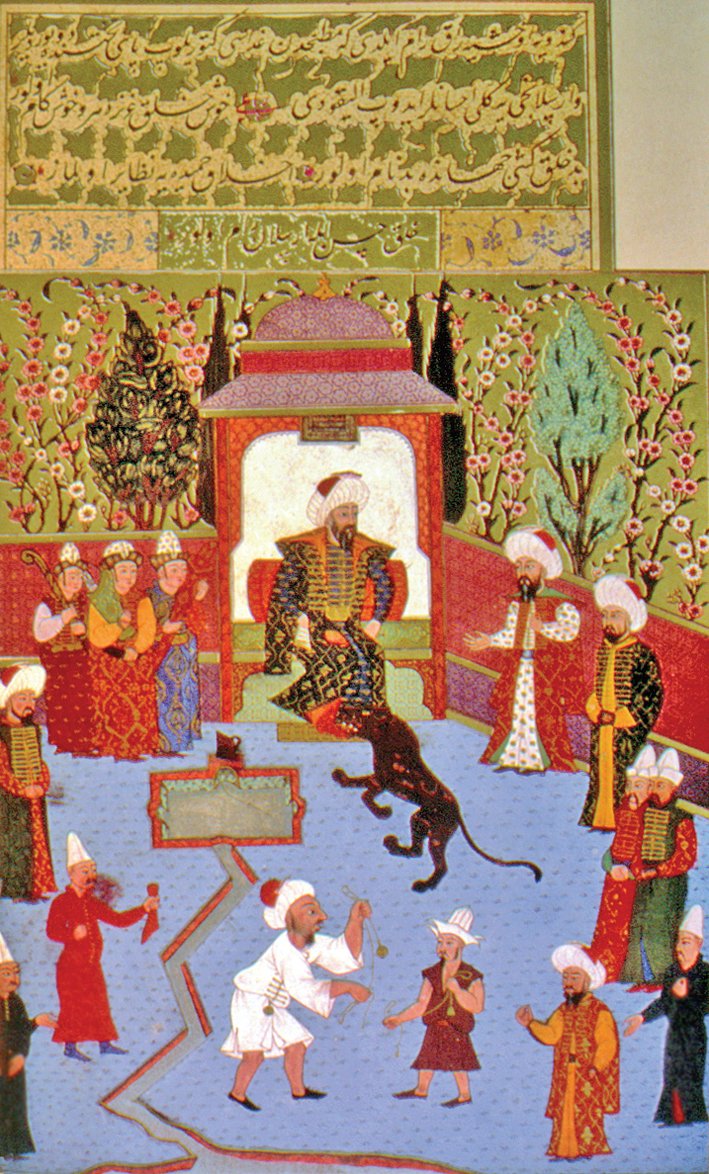 Painting
Secondary source
Osman I Miniature from the Hünername
Nakkaş Osman · 1584–1588
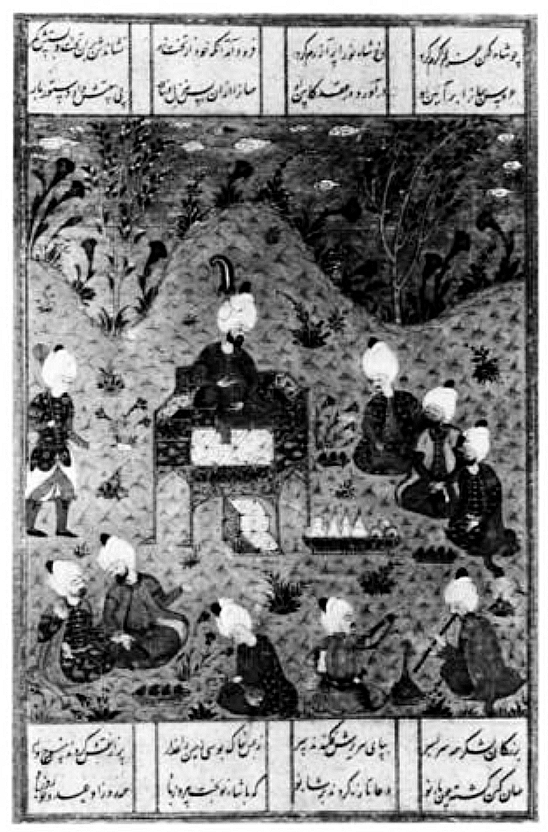 Painting
Secondary source
Enthronement of Sultan Osman I
c.1558 Ottoman artist · c. 1558
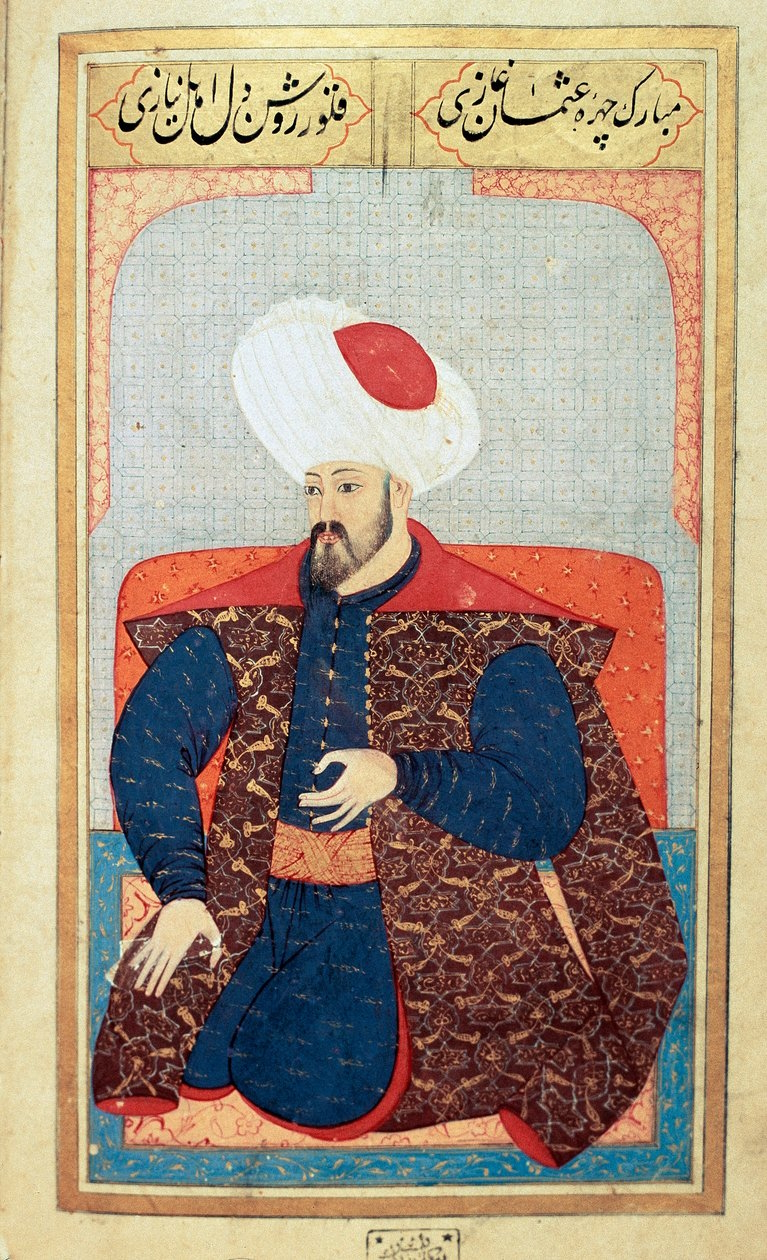 Painting
Secondary source
Miniature of Sultan Osman I
Nakash (court artist) · 1579
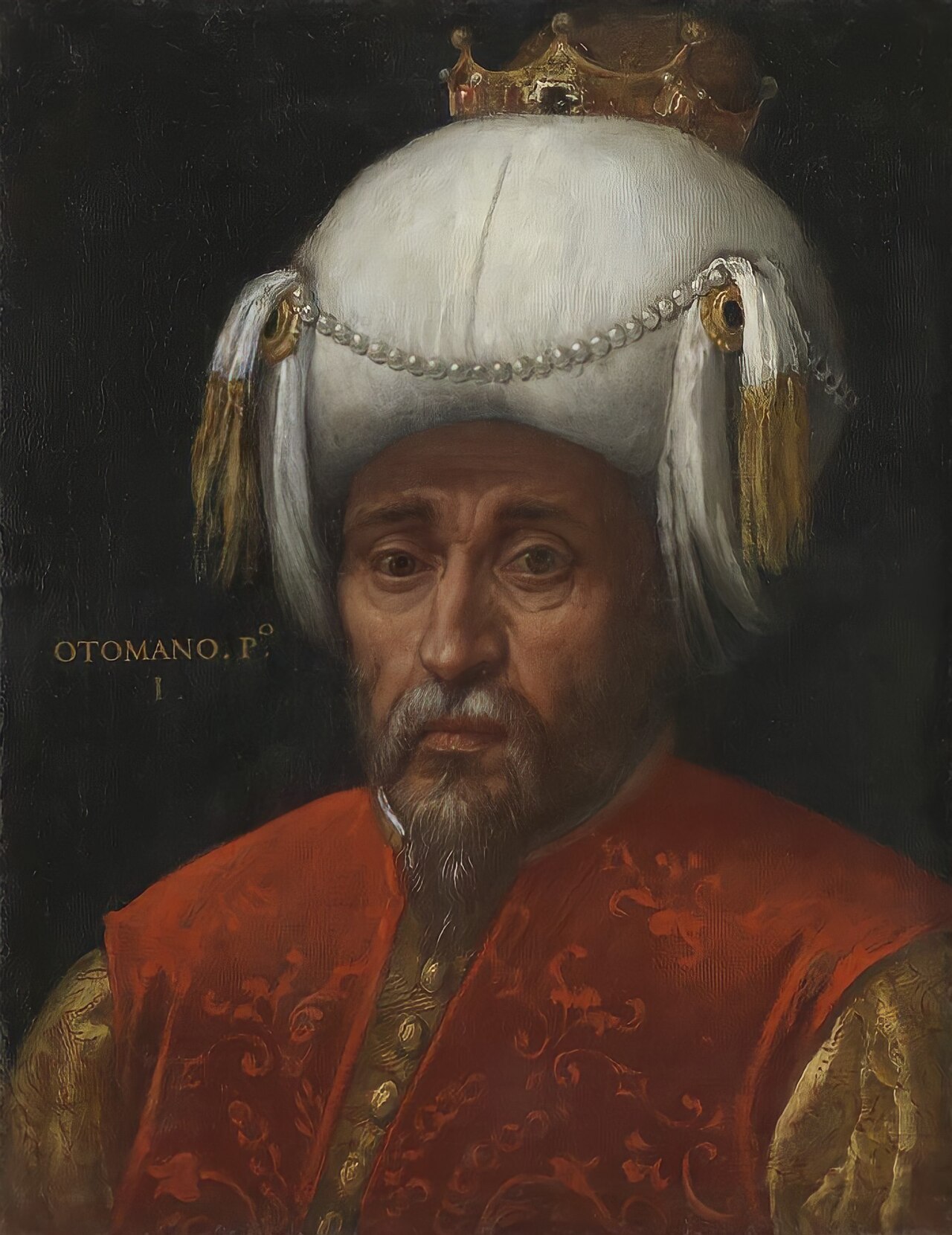
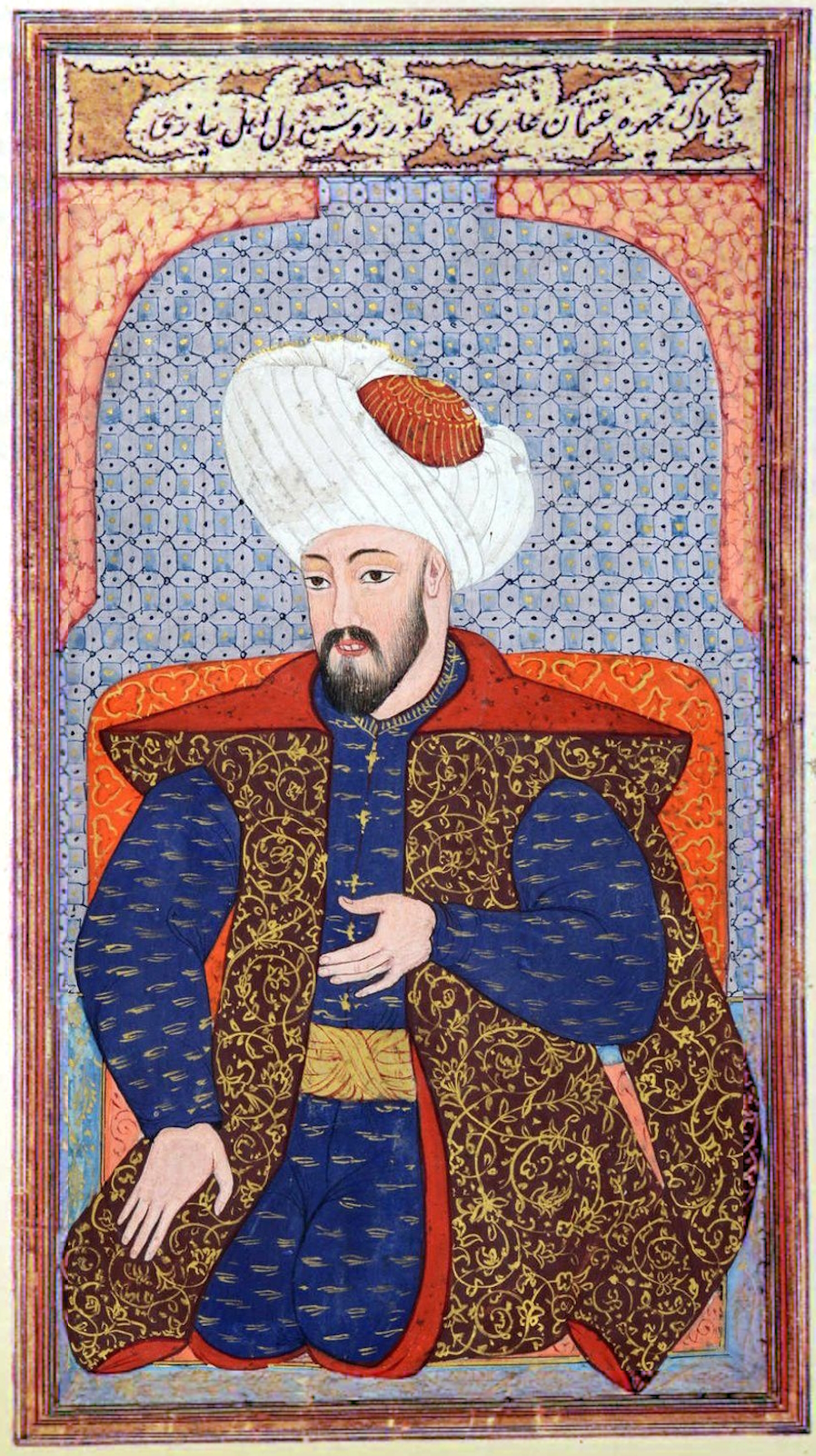
Free account
Read every Osman I source
Sign up free →
Ready when you are
Start chatting with Osman I now.
20 messages free · No credit card · Available in 50+ languages.