


Primary sourcePaintingc. 1630
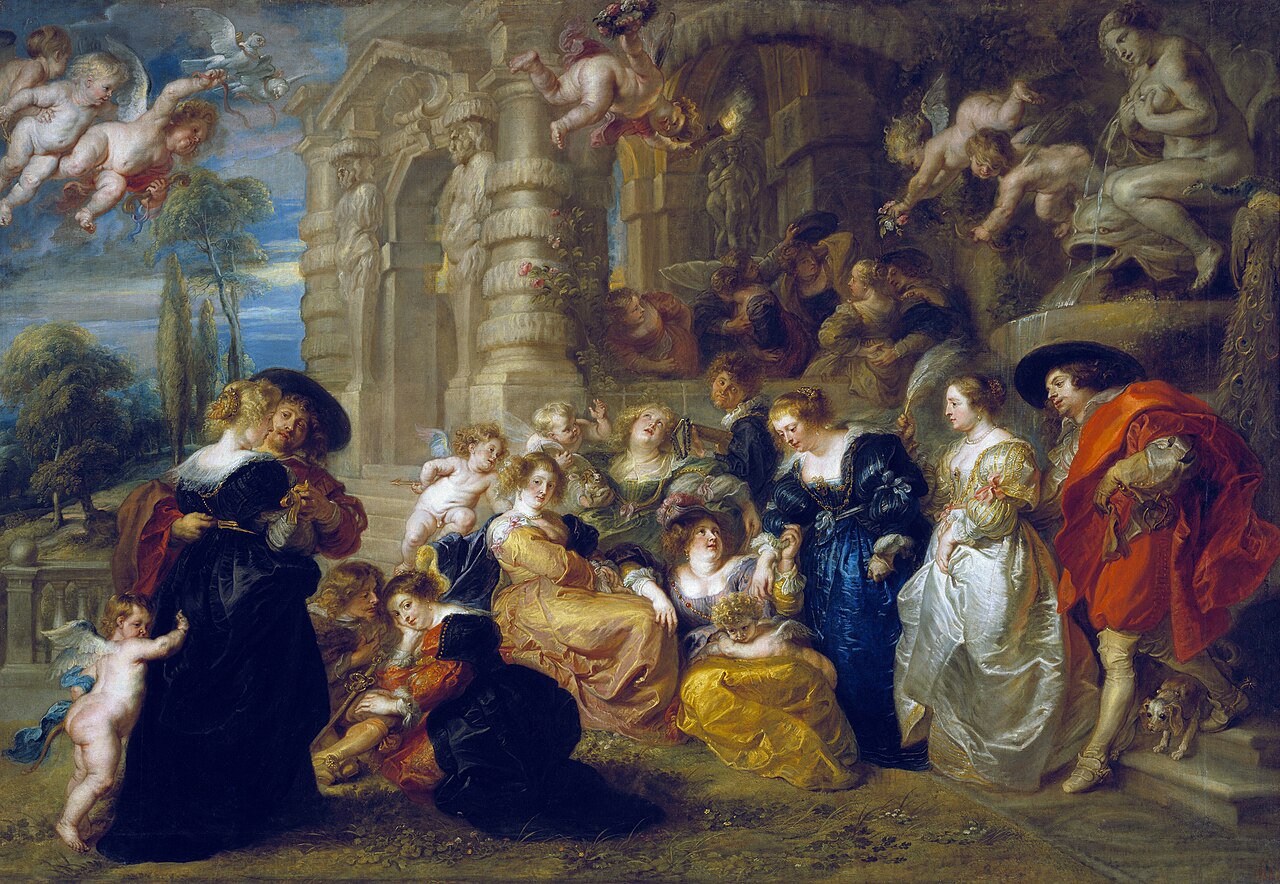
The Garden of Love
Peter Paul Rubens · c. 1630
A large painting by Rubens of elegantly dressed couples in a garden, believed to celebrate his marriage to Helena Fourment.
Rubens painted this himself, likely including his own likeness and celebrating his marriage to Helena Fourment.
About this source
What it is
A painting by Peter Paul Rubens, made around 1630–1633, showing finely dressed men and women gathered in a garden with cupids, fountains and classical statues. It is held today in the Museo del Prado in Madrid, where it was first recorded hanging in the Spanish king's bedroom.
Why it matters
The painting is considered a celebration of love and marriage, and the man escorting a woman at the left is believed to be Rubens himself, suggesting the scene relates to his marriage to his second wife, Helena Fourment. It helped found a new genre of courtly outdoor scenes later copied across Europe, and shows Rubens using mythological symbols — doves, cupids, Juno's peacock — within a real contemporary setting.
Look closer
- What symbols can you find that hint at love and marriage?
- Why might Rubens have included a possible self-portrait in this scene?
- How does mixing mythological figures with realistic people change how we read the painting?
This painting is part of the curated material that grounds the AI version of Peter Paul Rubens on Humy.ai — when students ask about related events, the AI can quote it and cite it.
More Peter Paul Rubens sources
Browse all 97 →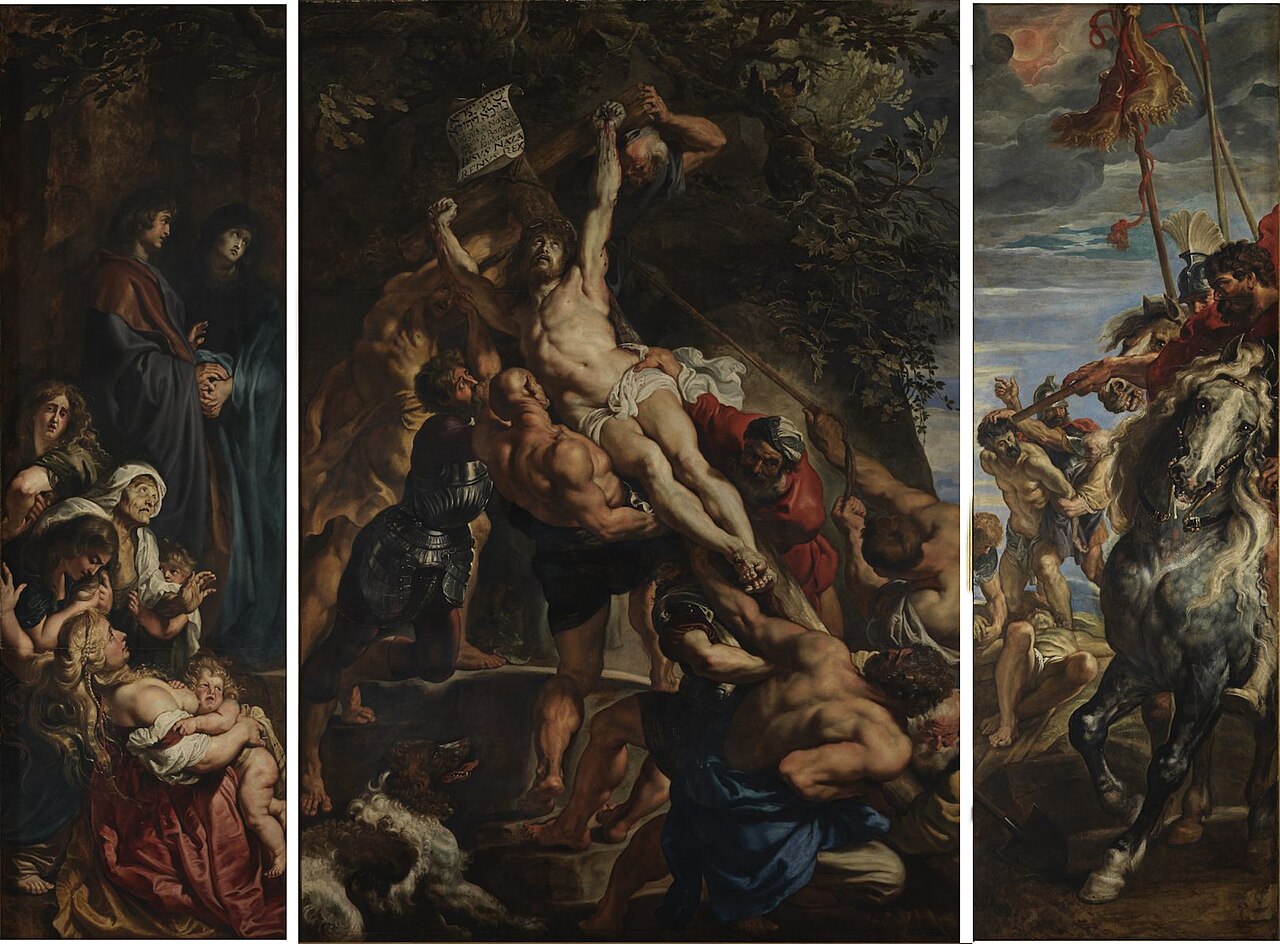 Painting
Primary source
The Elevation of the Cross
Peter Paul Rubens · 1610–1611
 Painting
Primary source
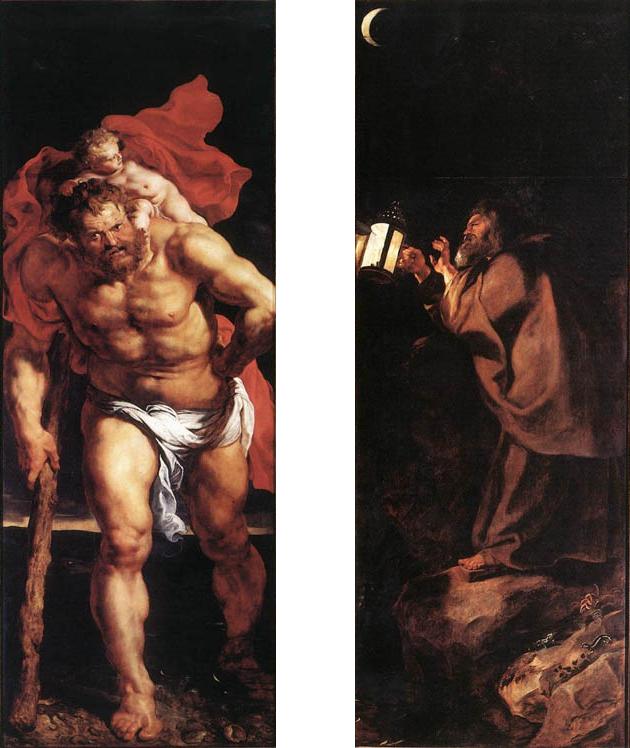
The Descent from the Cross
Peter Paul Rubens · 1611–1614
 Painting
Primary source
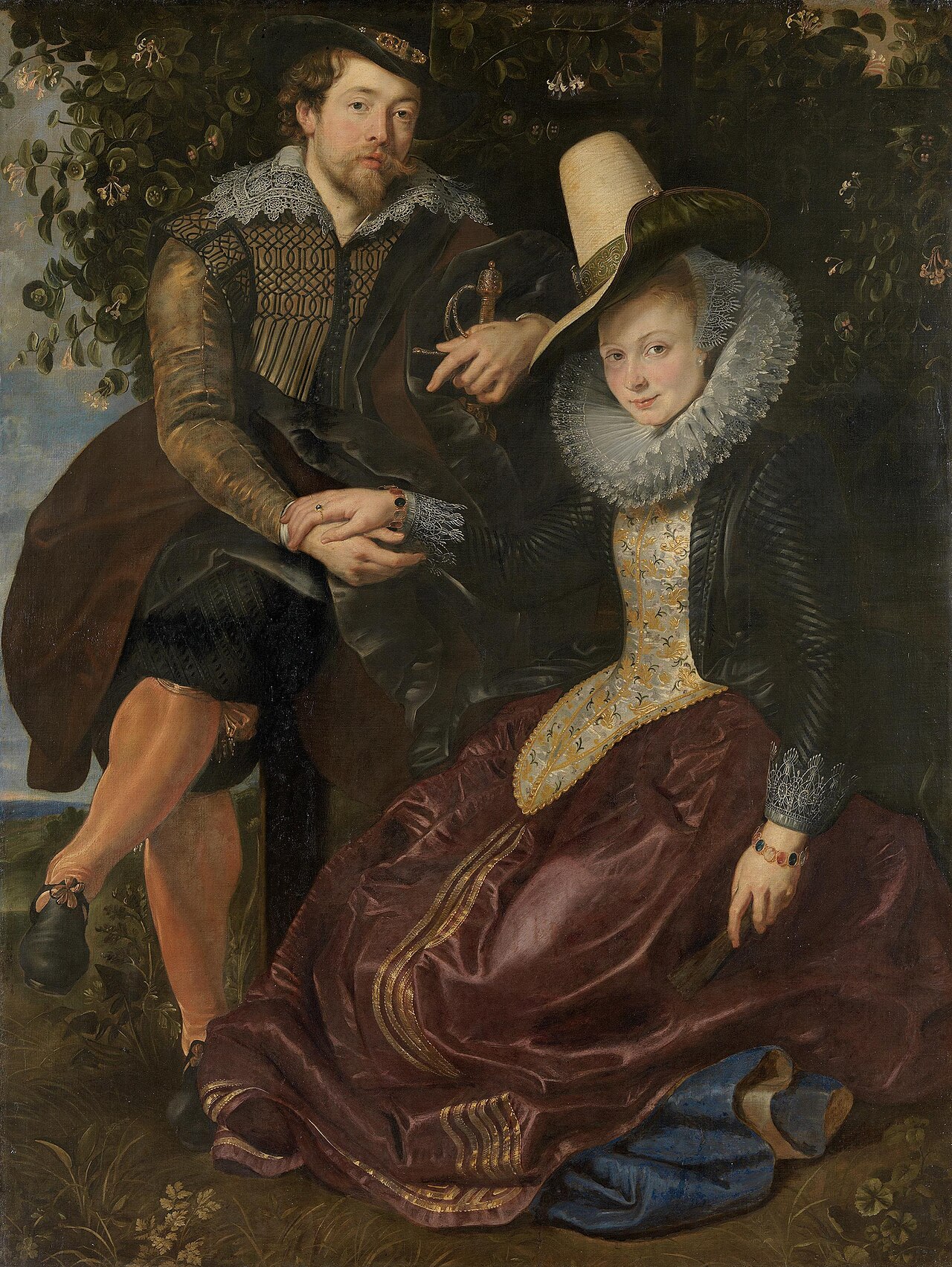
The Honeysuckle Bower
Peter Paul Rubens · c. 1609
 Painting
Primary source
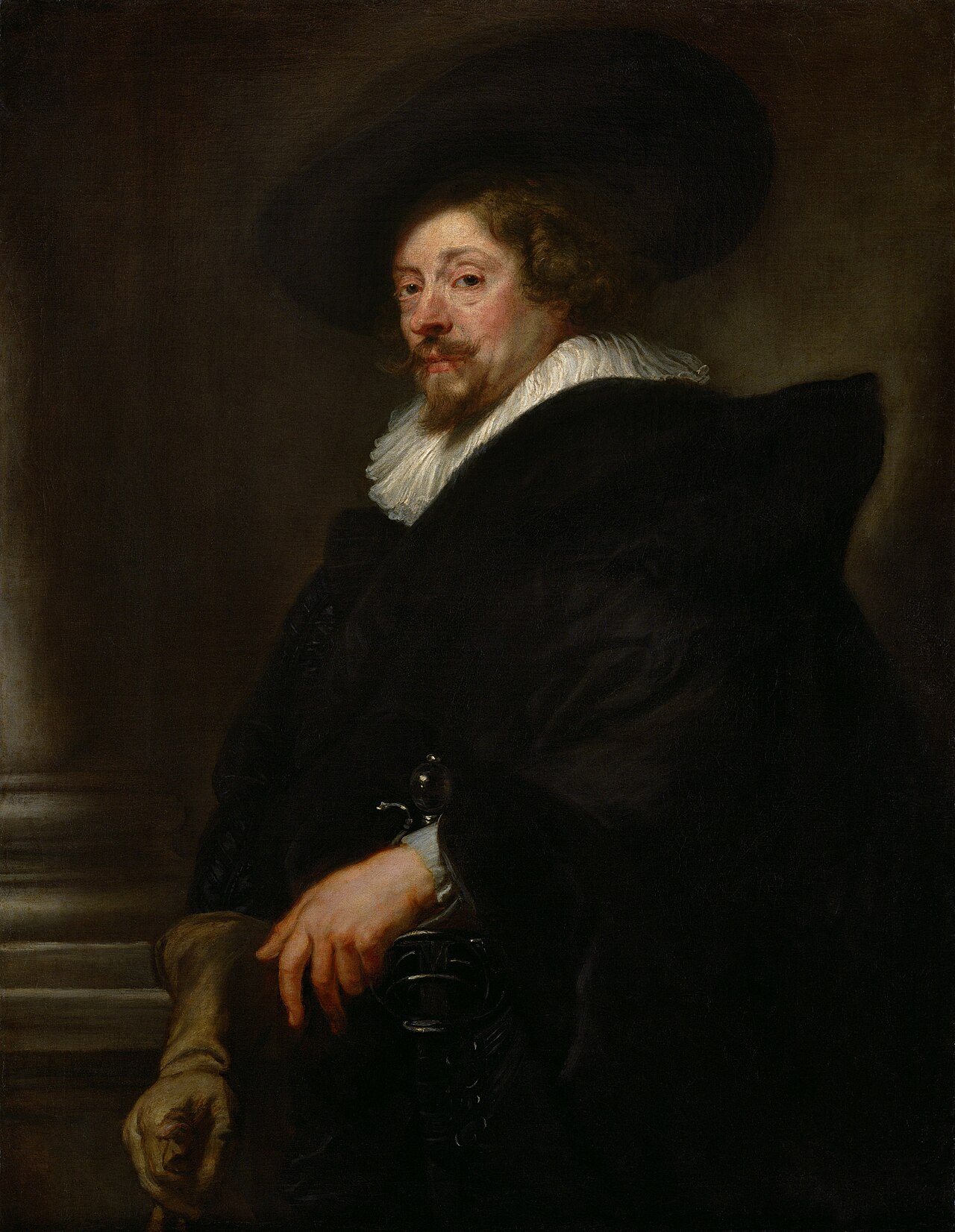
Self-Portrait
Peter Paul Rubens · 1638–1639
Free account
Read every Peter Paul Rubens source
Sign up free →
Ready when you are
Start chatting with Peter Paul Rubens now.
20 messages free · No credit card · Available in 50+ languages.