


Primary sourceSculpture1532-1534
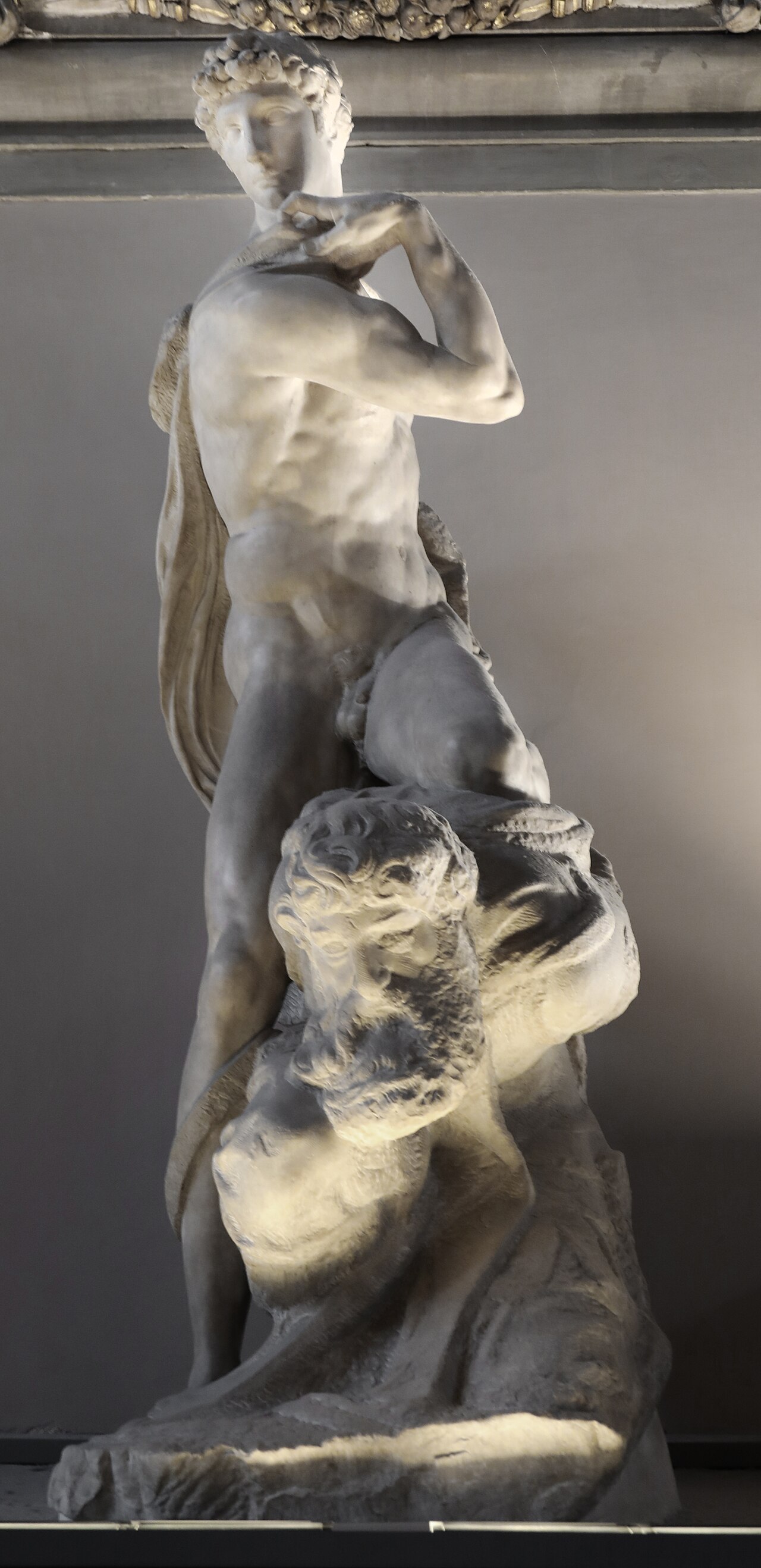
The Genius of Victory
Michelangelo · 1532-1534
An unfinished marble sculpture by Michelangelo of a youth triumphing over a bound older man, possibly made for Pope Julius II's tomb.
Michelangelo carved this unfinished sculpture, possibly embedding a personal allegory about himself and a man he loved.
About this source
What it is
This marble sculpture, carved by Michelangelo around 1532-1534, shows a young victor standing over a defeated, chained older man. It was likely intended for the tomb of Pope Julius II and is now displayed in the Salone dei Cinquecento of the Palazzo Vecchio in Florence.
Why it matters
Left unfinished in Michelangelo's studio, the statue passed through several owners before Giorgio Vasari arranged for it to go to Duke Cosimo I de' Medici. Some scholars believe the beautiful young victor represents Tommaso dei Cavalieri, a nobleman Michelangelo loved and wrote poems to, while the older, rougher figure may represent Michelangelo himself, making the work a deeply personal allegory as well as a tomb decoration.
Look closer
- How does the sculptor use smooth versus rough stone to contrast the two figures?
- Why might an artist leave a work unfinished, and what can that tell us about his working process?
- If this statue is a personal allegory, what might it reveal about Michelangelo's private feelings?
This sculpture is part of the curated material that grounds the AI version of Michelangelo Buonarroti on Humy.ai — when students ask about related events, the AI can quote it and cite it.
More Michelangelo Buonarroti sources
Meet the AI Michelangelo Buonarroti →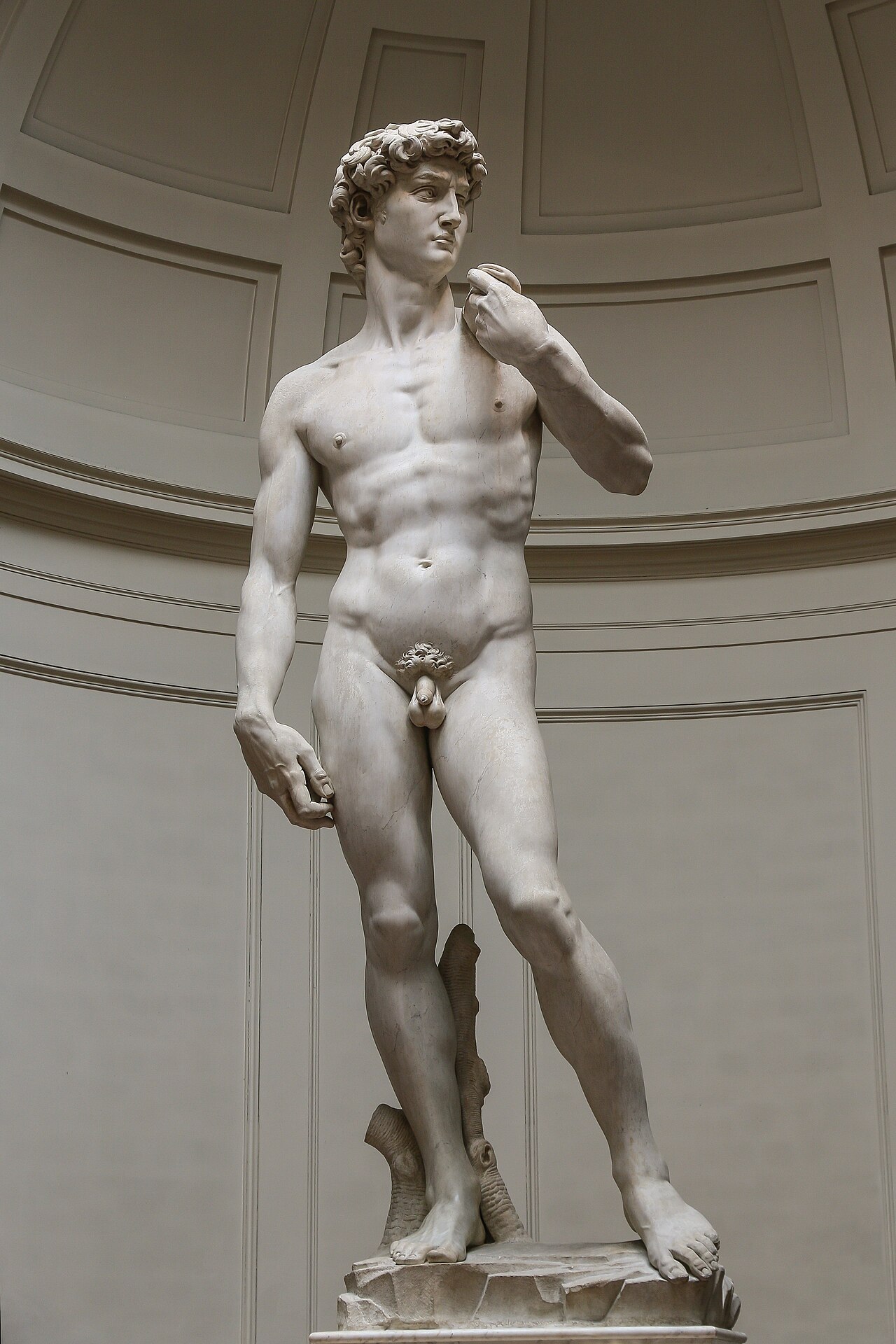 Sculpture
Primary source
David
Michelangelo · 1501-1504
 Artifact
Primary source
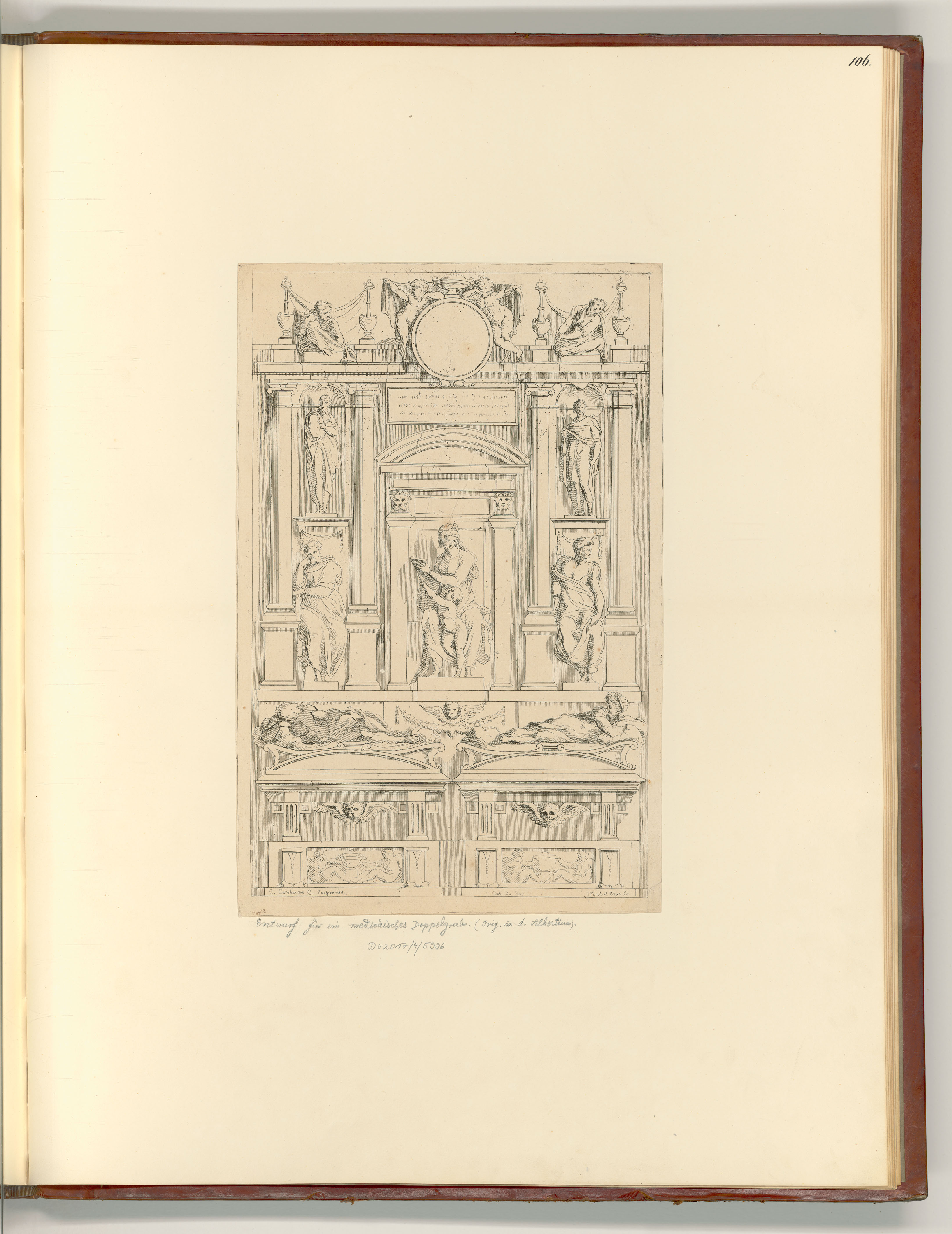
Elevation of a Planned Double Tomb for the Magnifici, Medici Chapel
unbestimmt
 Painting
Primary source
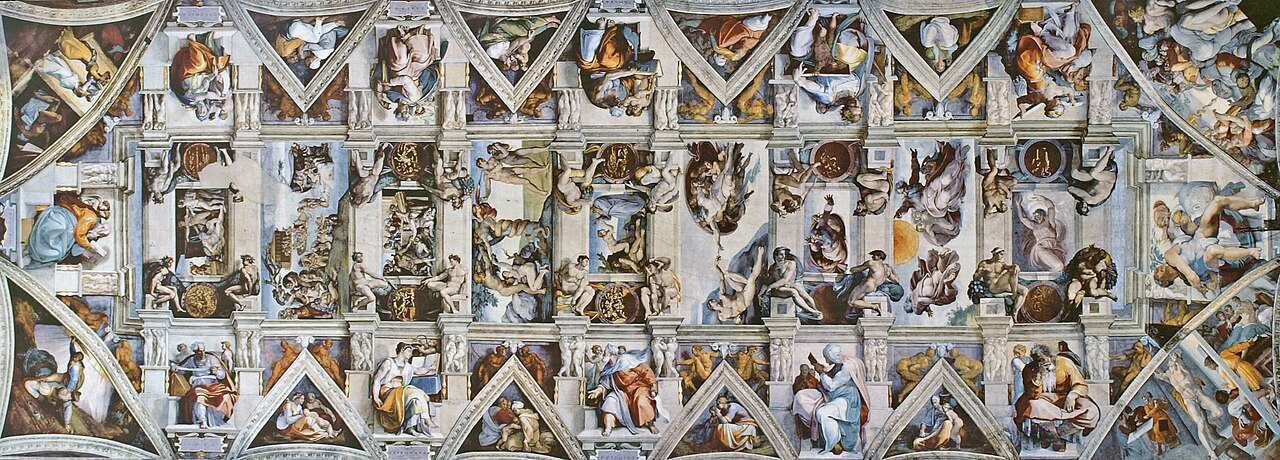
Sistine Chapel ceiling
Michelangelo · 1508-1512
 Painting
Secondary source
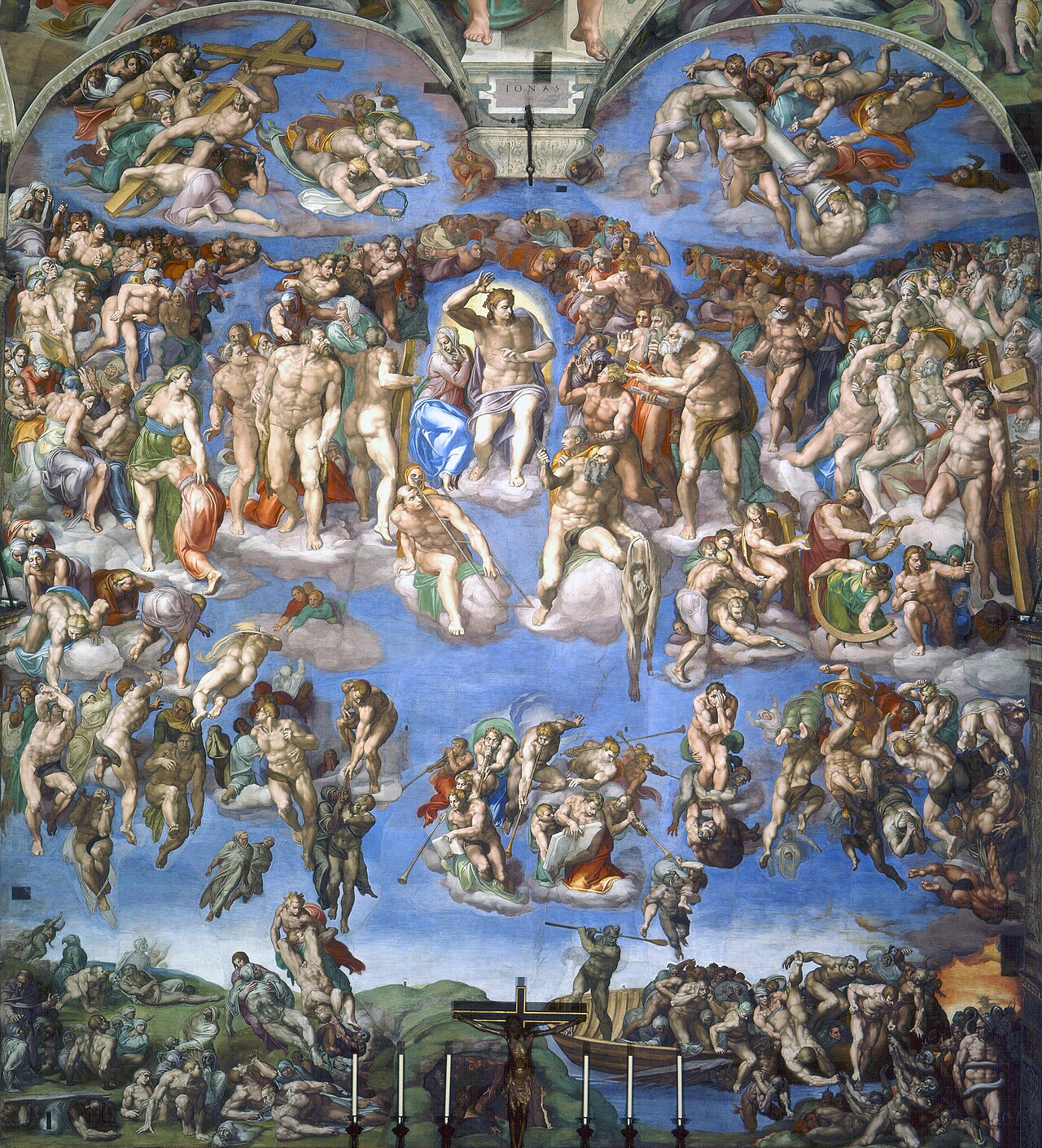
The Last Judgment
Michelangelo · 1536-1541
 Photograph
Secondary source
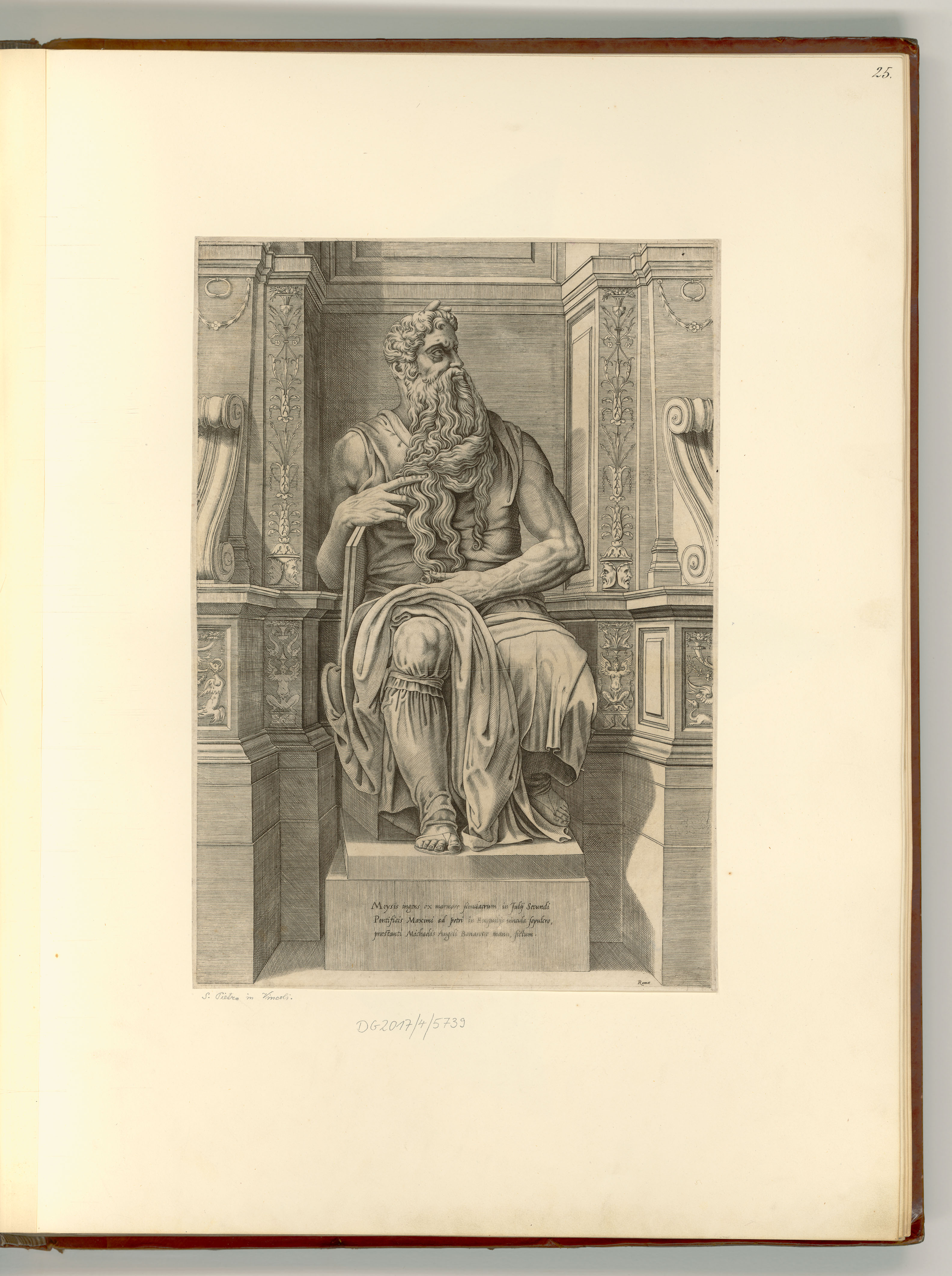
Statue of Moses by Michelangelo, San Pietro in Vincoli
unbestimmt
Ready when you are
Start chatting with Michelangelo Buonarroti now.
20 messages free · No credit card · Available in 50+ languages.