


Primary sourceBook1813
The Giaour
Lord Byron · 1813
Byron's 1813 fragmentary poem set in the Ottoman world, the first of his bestselling Oriental Tales.
Byron's own poem, drawing on his Levantine travels and launching the wildly popular Oriental Tales.
Free Humy account · No credit card · 118,535 sources to read
About this source
What it is
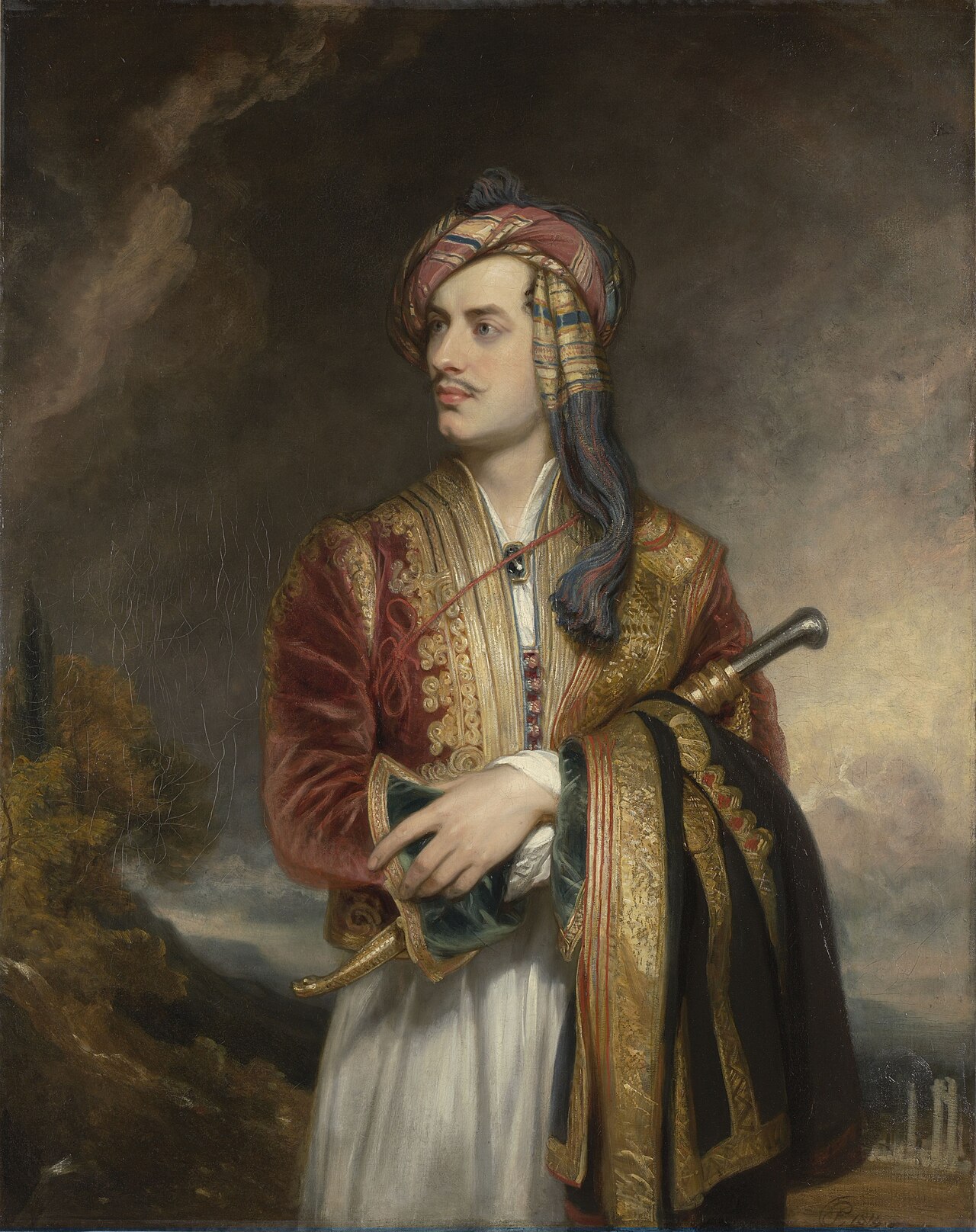
The Giaour, A Fragment of a Turkish Tale is a poem by Lord Byron, first published in 1813 by John Murray. Inspired by Byron's travels in the Ottoman world during his Grand Tour of 1809-1811, it is his only fragmentary narrative poem, told through three different narrators and set around a tragic love triangle involving a Christian outsider, a woman named Leila, and a Muslim lord, Hassan.
Why it matters
The Giaour made Byron a literary sensation, with twelve editions within a year, and helped create the figure of the "Byronic hero" - brooding, guilt-ridden, and rebellious. The poem drew on real customs Byron observed abroad and reflected his own personal turmoil. Its themes influenced later writers, including Edgar Allan Poe, and its brief mention of vampirism helped inspire the vampire fiction genre.
Look closer
- Why might Byron have chosen to tell the story through three different narrators instead of one?
- The poem's title is an offensive term for a non-Muslim. What might that word choice reveal about the perspective of the story?
- How does Byron's own travel experience shape the setting and details of the poem?
This book is part of the curated material that grounds the AI version of Lord Byron on Humy.ai — when students ask about related events, the AI can quote it and cite it.
More Lord Byron sources
Browse all 98 →
Ready when you are
Start chatting with Lord Byron now.
20 messages free · No credit card · Available in 50+ languages.