


Secondary sourceBook1540-41
The Great Charter, Called in Latin Magna Carta
Elisabeth Pickering · 1540-41
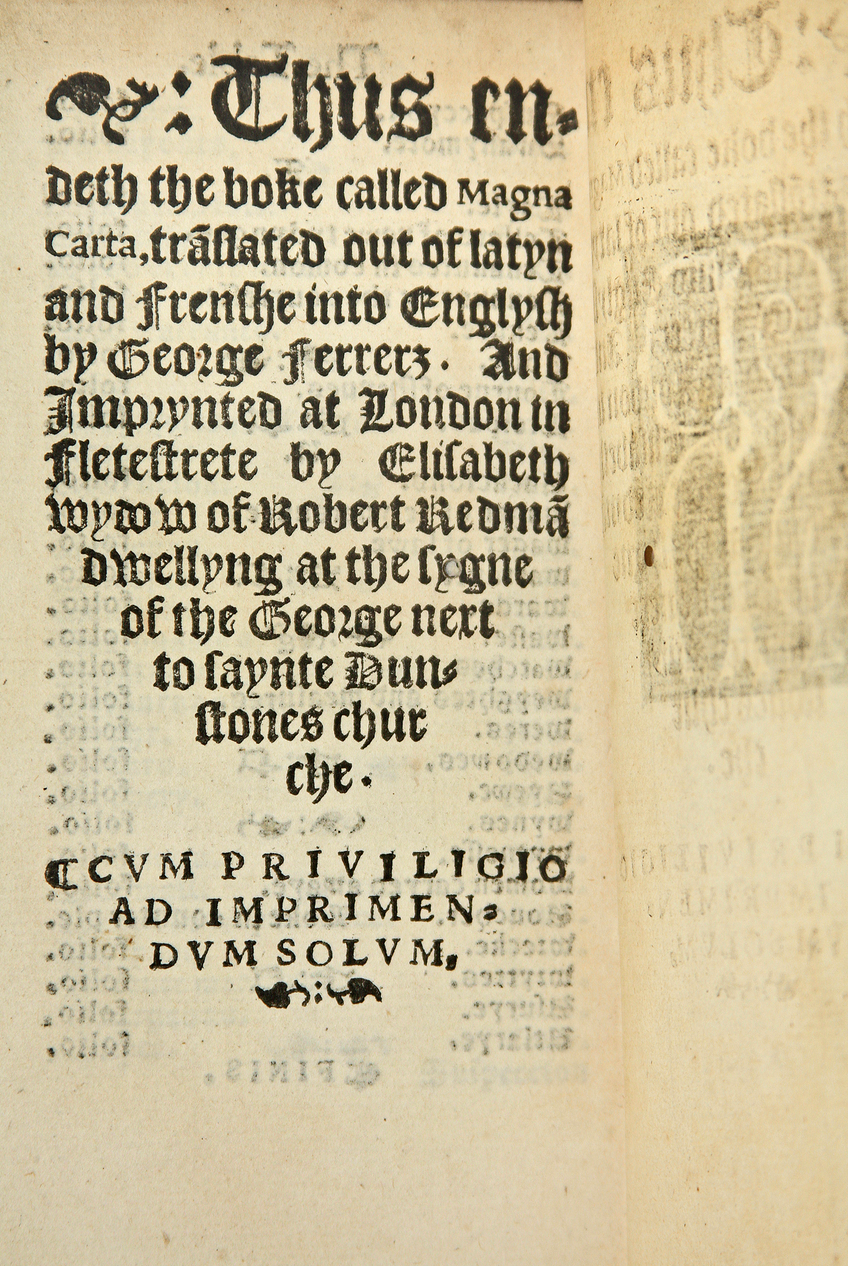
Colophon from an English printing of Magna Carta made in 1540–41 by printer Elizabeth Pickering, translating the Latin and French charter into English.
This printed English translation of Magna Carta made the charter's text accessible to Tudor readers.
About this source
What it is
This is the colophon, or closing printer's note, from a 1540–41 English edition of Magna Carta. It states the book was translated from Latin and French into English by George Ferrers and printed in London by Elizabeth Pickering, who had taken over her late husband Robert Redman's printing business.
Why it matters
This printing made Magna Carta accessible to English readers who could not read Latin or French, during the Tudor period when the charter's reputation as a guarantee of ancient liberties was being revived. It also shows a woman, Elizabeth Pickering, running a printing house at a time when that trade was dominated by men.
Look closer
- Why might translating Magna Carta into English matter to readers of the 1540s?
- What does the printer's note tell you about who made books at this time?
- What is lost or changed when a legal document is translated centuries after it was written?
This book is part of the curated material that grounds the AI version of Magna Carta on Humy.ai — when students ask about related events, the AI can quote it and cite it.
More Magna Carta sources
Meet the AI Magna Carta →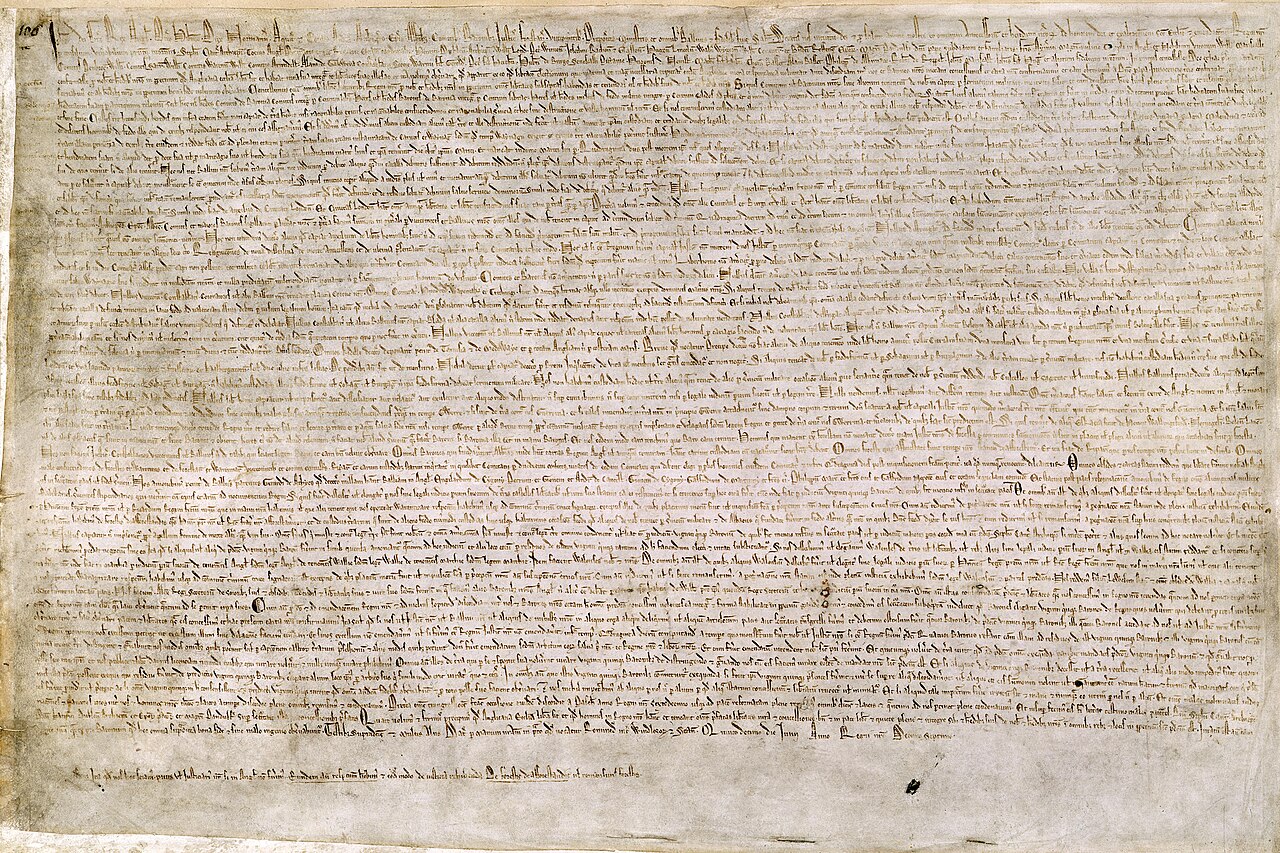 Document
Primary source
Magna Carta (1215 Exemplification)
1215
 Document
Primary source
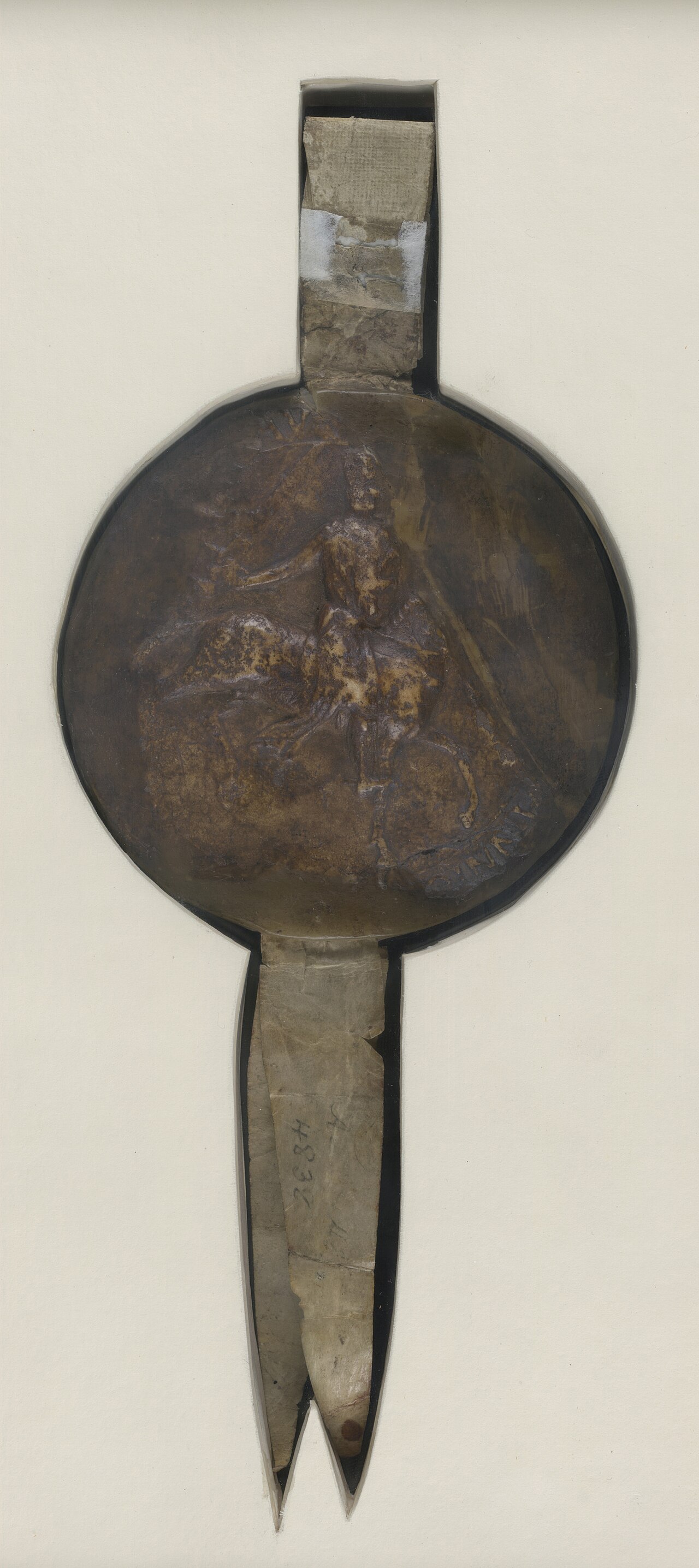
Articles of the Barons
1215
 Document
Primary source
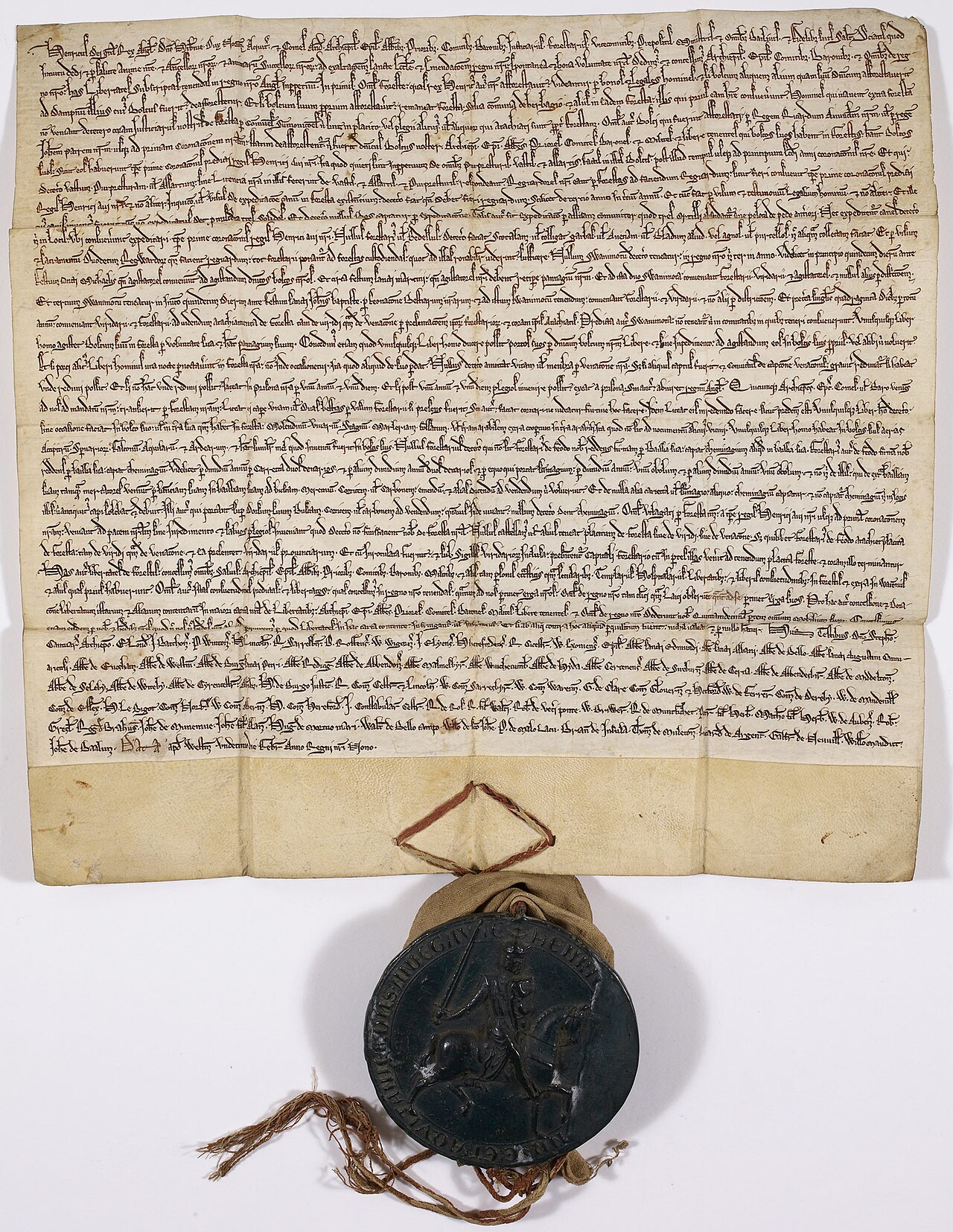
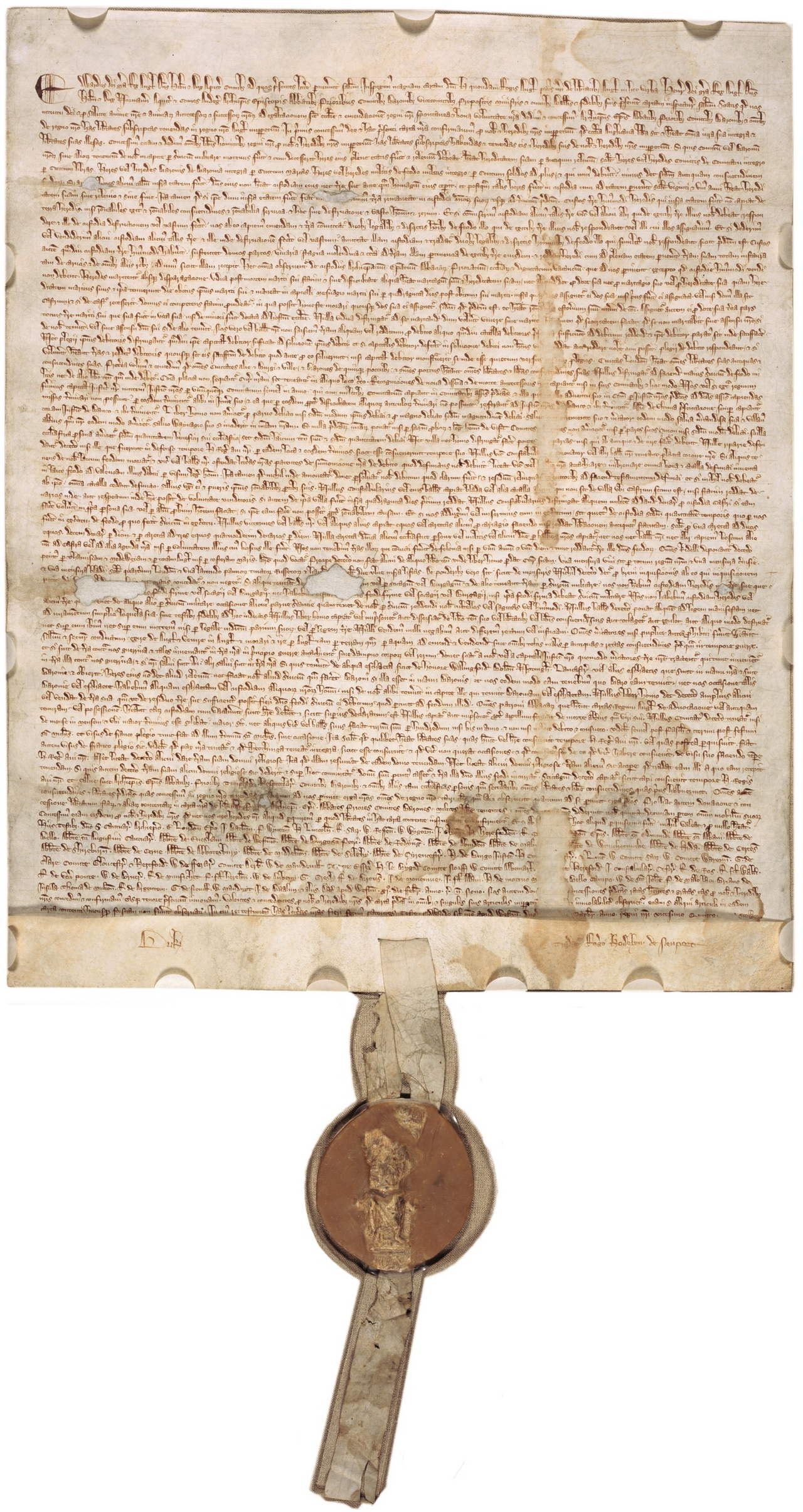
Charter of the Forest
1217
 Document
Primary source
Magna Carta 1297 (National Archives, Washington)
Edward I of England · 1297
 Document
Primary source
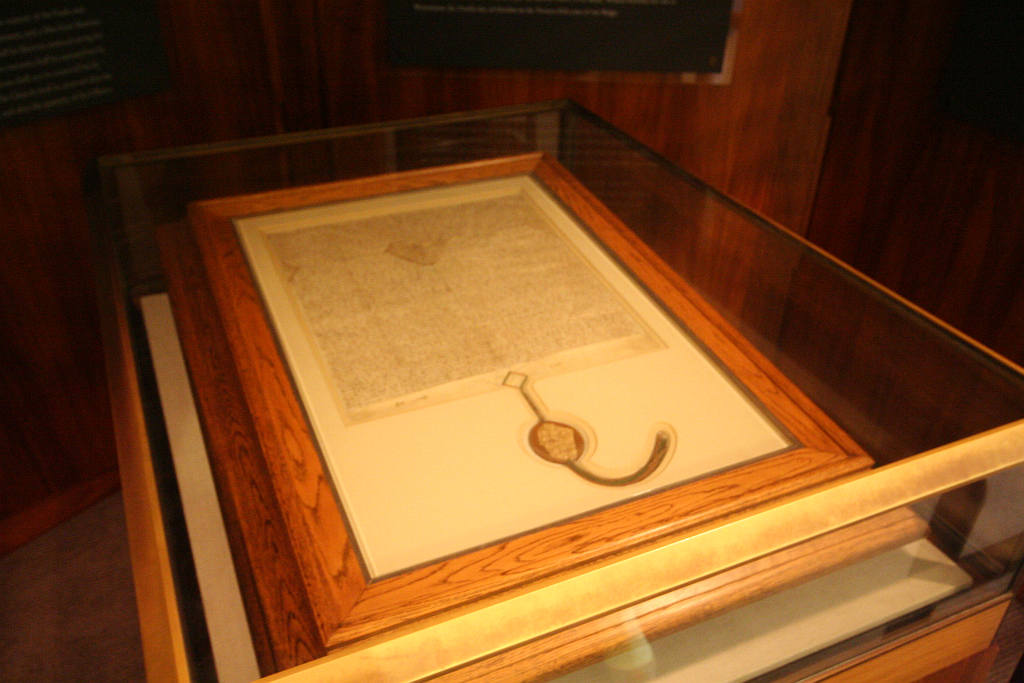
Magna Carta 1297 (Parliament House, Canberra)
Edward I of England · 1297
Ready when you are
Start chatting with Magna Carta now.
20 messages free · No credit card · Available in 50+ languages.