


Primary sourcePainting1614-1617
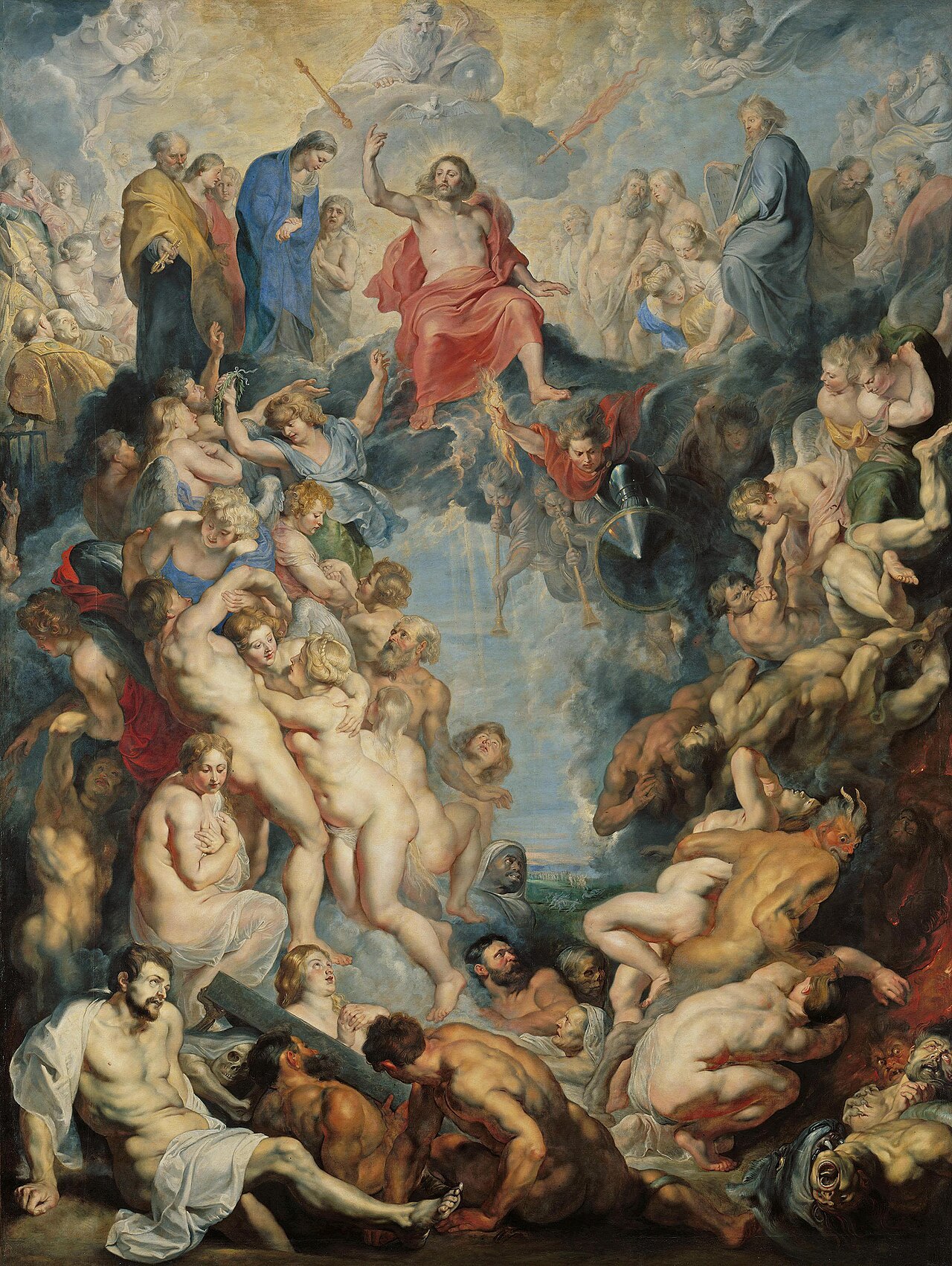
The Great Last Judgement
Peter Paul Rubens · 1614-1617
A monumental altarpiece painted by Peter Paul Rubens between 1614 and 1617 for the Jesuit church in Neuburg. Many studio assistants helped on it, but Rubens' signature is the only one on the work.
Shows Rubens' large-scale workshop production for a German Catholic patron, with his own signature on a painting made with many assistants.
About this source
What it is
This large oil-on-canvas altarpiece shows the Last Judgement. God the Father is at the top centre, with Jesus below him, his mother Mary at his right, and Moses holding the tablets of the Ten Commandments at his left. The blessed rise on the left, while the damned fall into hell on the right. The dead, the dying and the newly resurrected fill the base. Rubens' signature is the only one on the picture, though it is believed that many artists in his studio worked on it. It is now in the Alte Pinakothek in Munich.
Why it matters
Count Palatine Wolfgang Wilhelm of Neuburg commissioned it for the high altar of the court church in Neuburg an der Donau, which was handed to the Jesuits in 1618. The Last Judgement was a major symbol of Counter-Reformation propaganda, produced against the background of the approaching Thirty Years' War. The naked bodies offended some viewers, and the painting was partly covered up for a time. It shows how large workshop production served Catholic patrons.
Look closer
- How does the painting divide the blessed from the damned, and where are they placed?
- Why would a Jesuit church want an image like this on its high altar?
- What does the single signature suggest about who is credited for a work made by many hands?
This painting is part of the curated material that grounds the AI version of Peter Paul Rubens on Humy.ai — when students ask about related events, the AI can quote it and cite it.
More Peter Paul Rubens sources
Browse all 97 →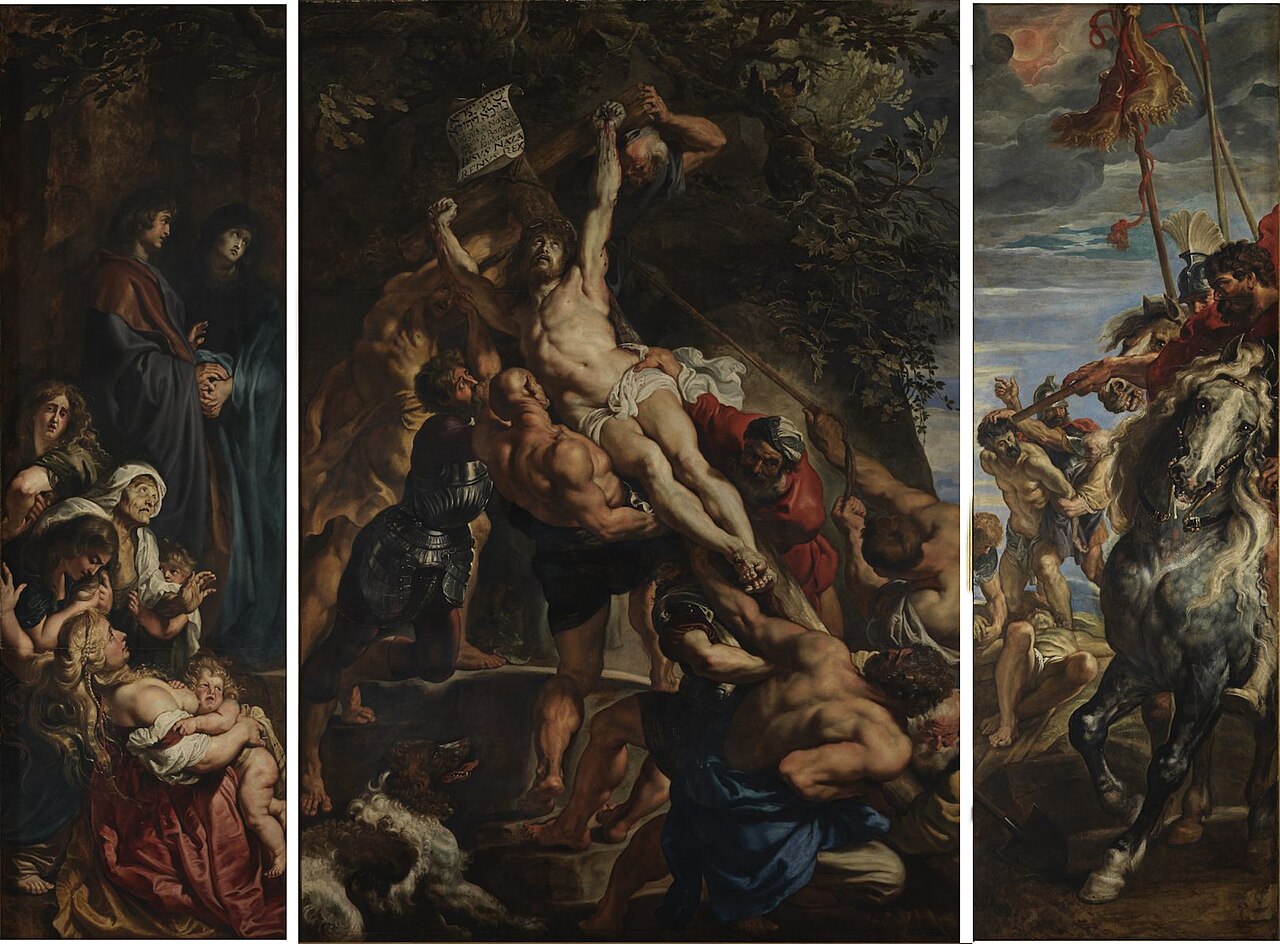 Painting
Primary source
The Elevation of the Cross
Peter Paul Rubens · 1610–1611
 Painting
Primary source
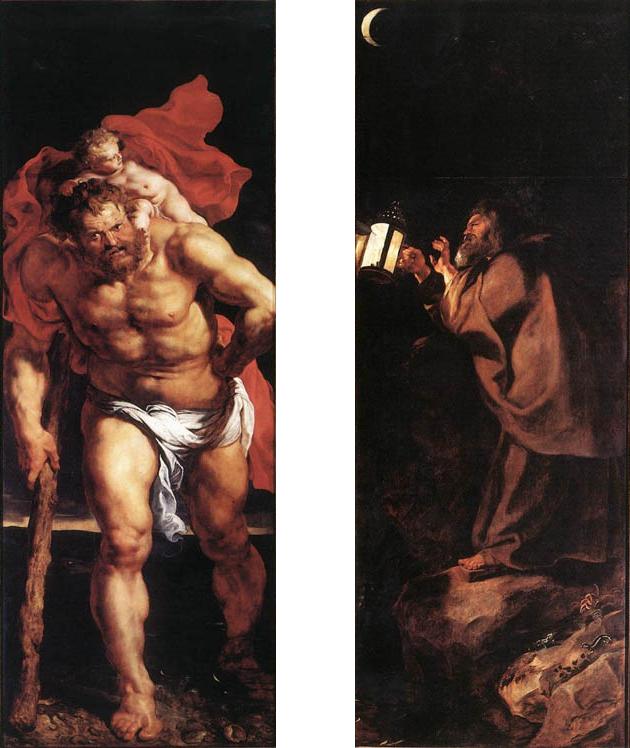
The Descent from the Cross
Peter Paul Rubens · 1611–1614
 Painting
Primary source
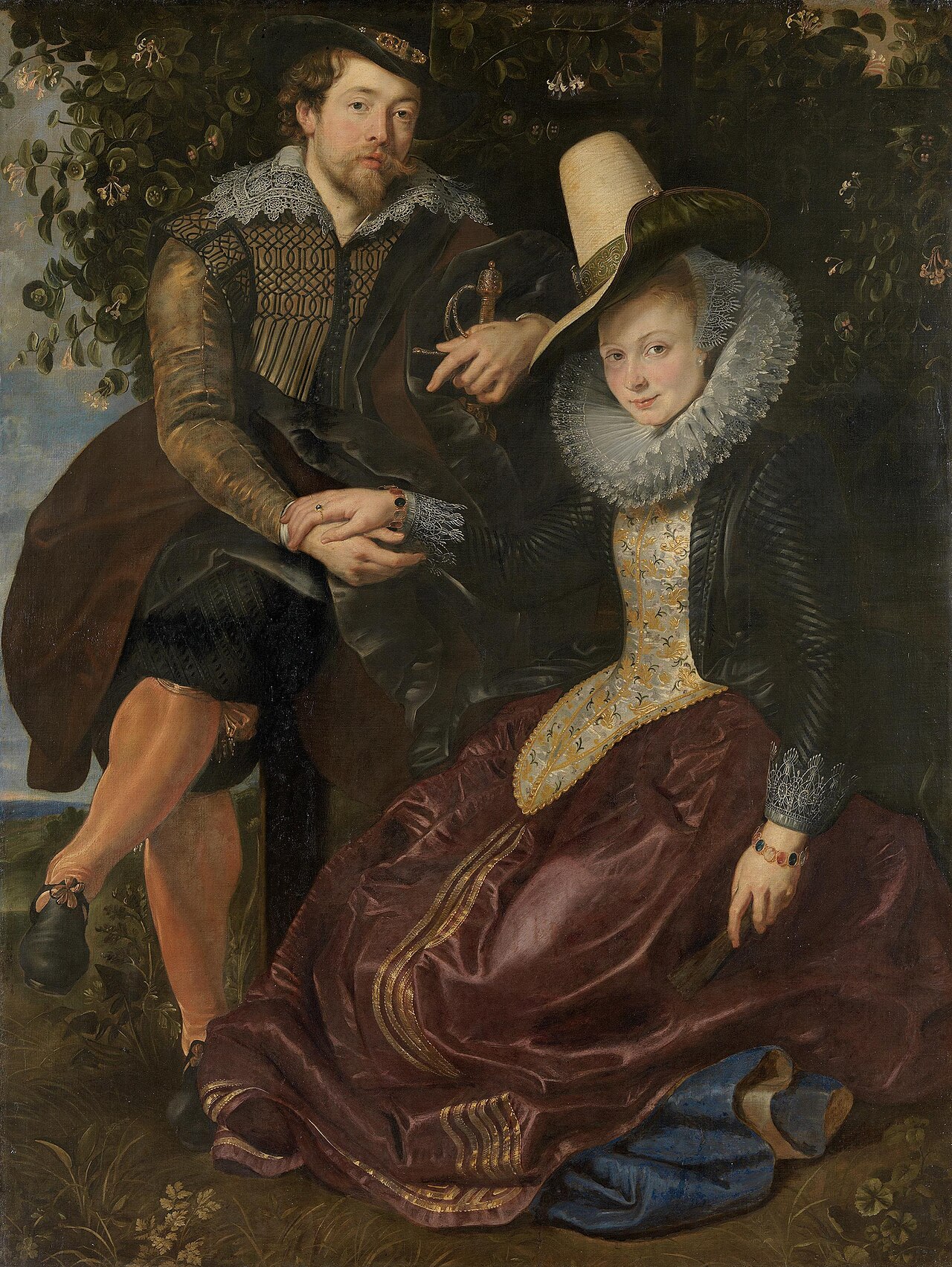
The Honeysuckle Bower
Peter Paul Rubens · c. 1609
 Painting
Primary source
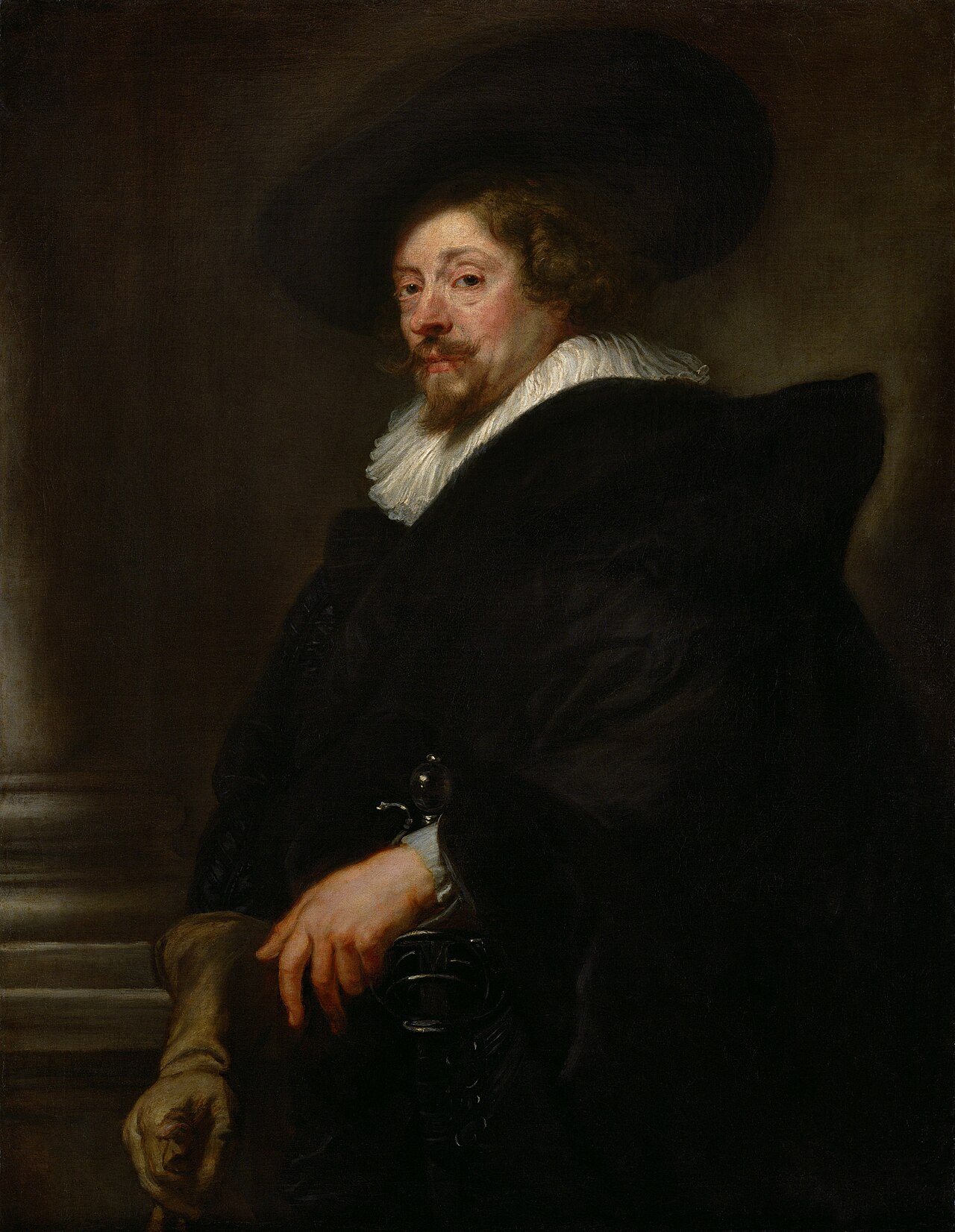
Self-Portrait
Peter Paul Rubens · 1638–1639
Free account
Read every Peter Paul Rubens source
Sign up free →
Ready when you are
Start chatting with Peter Paul Rubens now.
20 messages free · No credit card · Available in 50+ languages.