


Secondary sourceNewspaper articleApril 1870
The Great Magyar
April 1870
An English-language magazine article profiling Count Széchenyi, published in Charles Dickens's journal.
This English article argues that Széchenyi, not Kossuth, deserved the title of Hungary's greatest national hero.
Free Humy account · No credit card · 120,912 sources to read
About this source
What it is
This article, titled "The Great Magyar," was published in four parts during April 1870 in "All the Year Round," a weekly journal conducted by Charles Dickens. It profiles Count István Széchenyi, arguing that he, rather than Louis Kossuth, truly deserves the title "Great Magyar."
Why it matters
This piece shows how Széchenyi was viewed by English-speaking audiences decades after his death, comparing him favourably to the more internationally famous Kossuth. The writer claims personal knowledge of events involving Kossuth, giving a sense of how contemporaries debated who best represented Hungary's national spirit.
Look closer
- Why might the author want to argue against Kossuth's claim to the title "Great Magyar"?
- What does the comparison with Kossuth tell you about how Hungarian national heroes were viewed abroad?
- What biases might an English journal writing about Hungarian politics have had?
This newspaper article is part of the curated material that grounds the AI version of István Széchenyi on Humy.ai — when students ask about related events, the AI can quote it and cite it.
More István Széchenyi sources
Browse all 88 →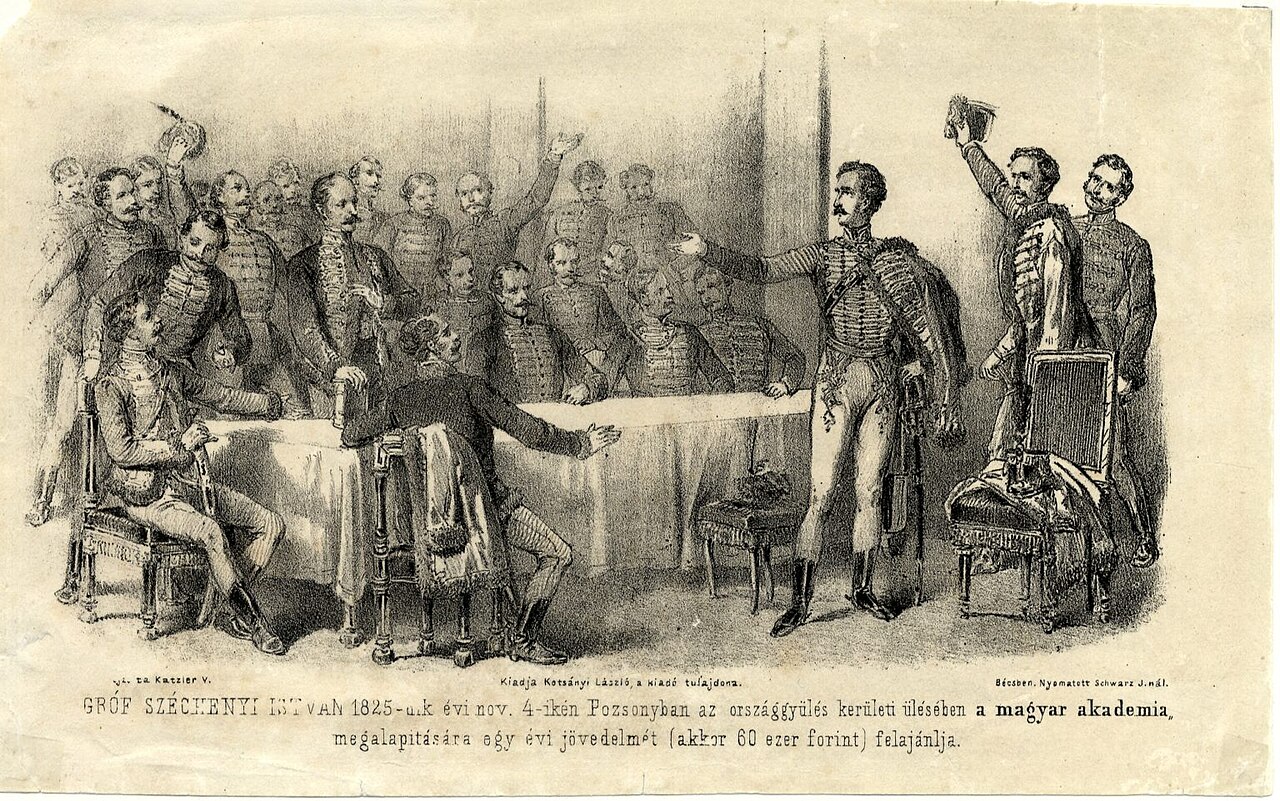 Painting
Secondary source
Széchenyi felajánlása
Vinzenz Katzler
 Artifact
Secondary source
Széchenyi Chain Bridge
William Tierney Clark · 1839-1849
 Painting
Primary source
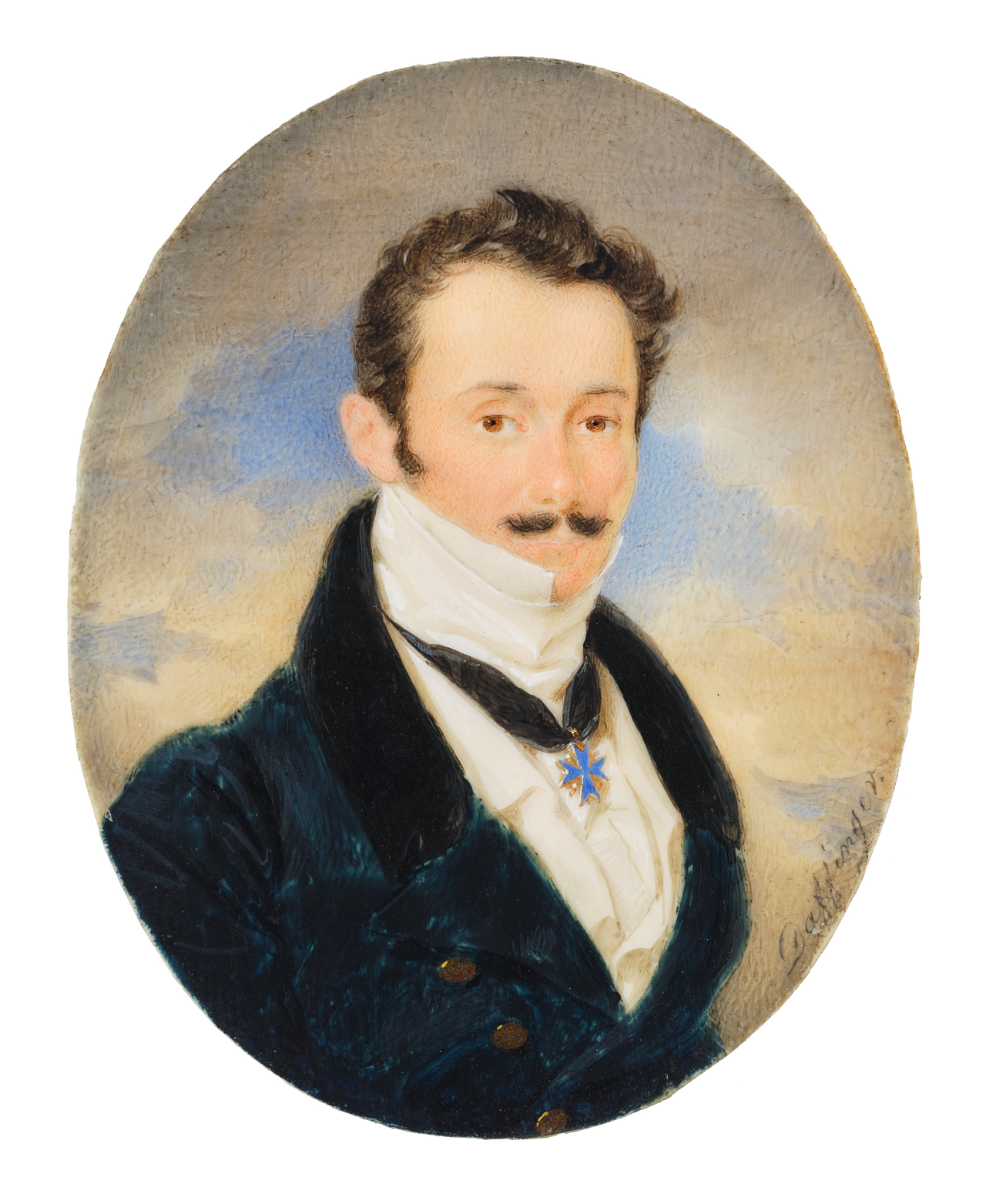
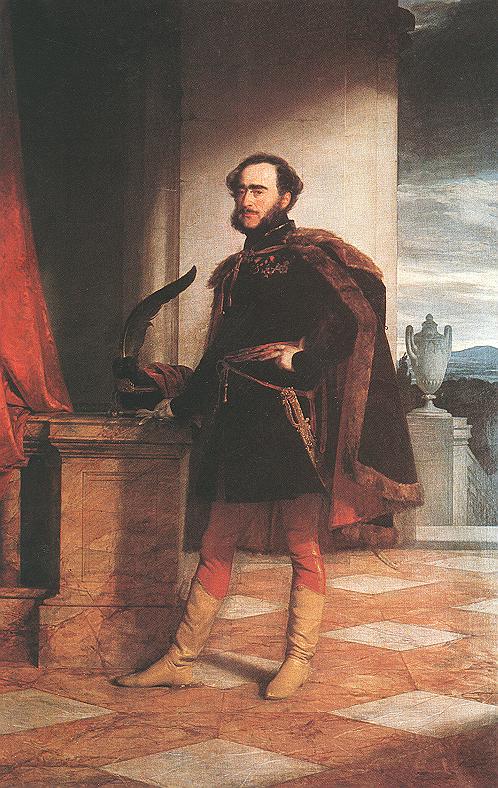
Three-quarter Length Portrait of Count István Széchenyi
Moritz Michael Daffinger · c. early 19th century
 Painting
Primary source
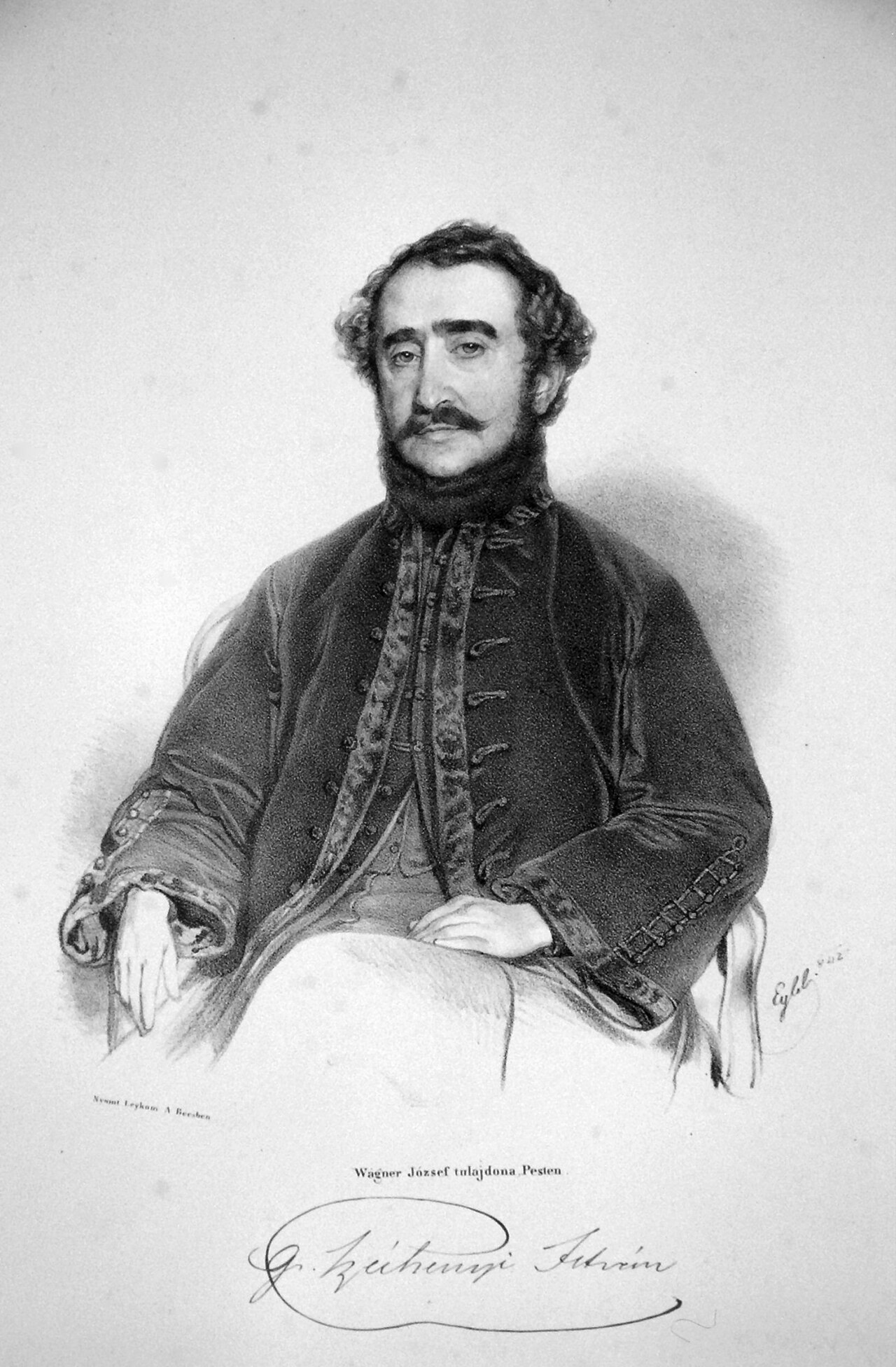
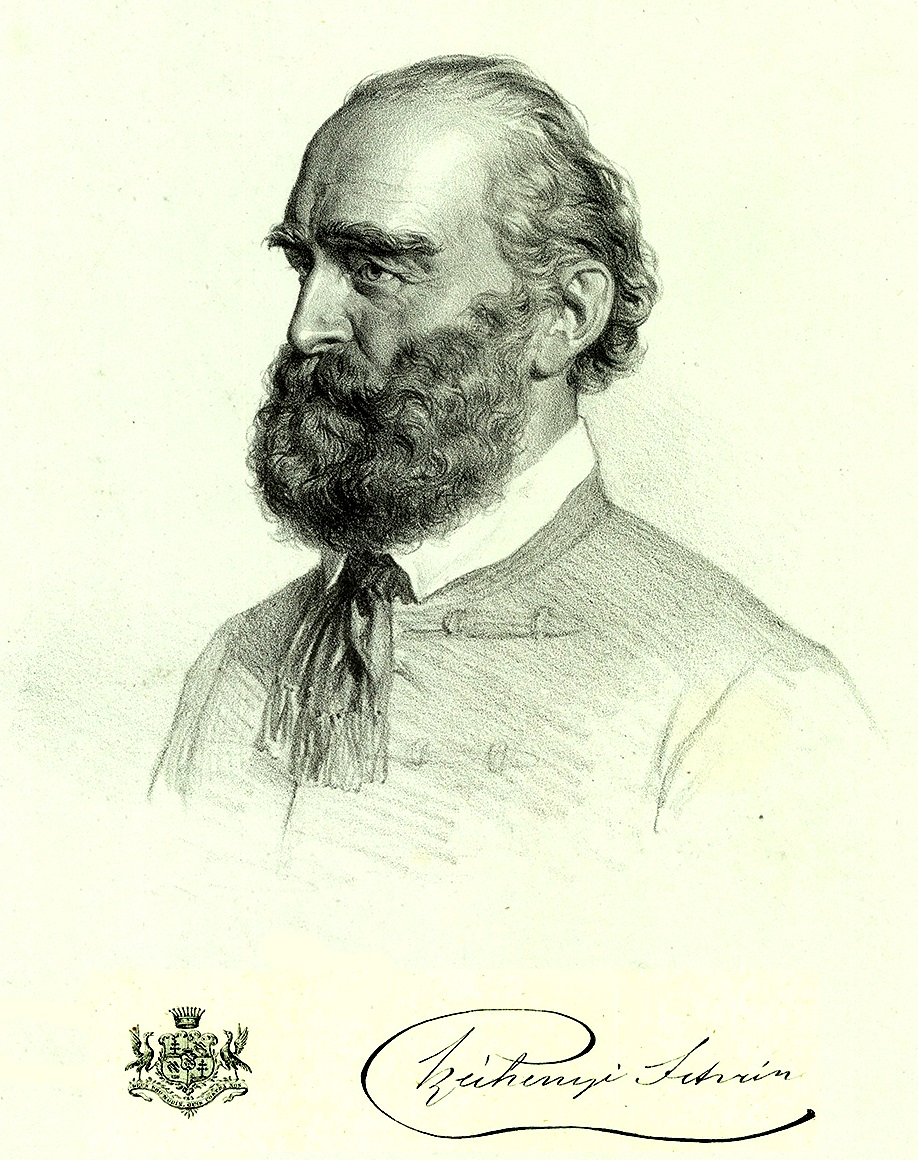
István Széchenyi, Lithograph by Franz Eybl
Franz Eybl · 1842
Free account
Read every István Széchenyi source
Sign up free →
Ready when you are
Start chatting with István Széchenyi now.
20 messages free · No credit card · Available in 50+ languages.