


Primary sourceBook
The Hidden Self
William James
An essay by William James exploring the subconscious and the hidden regions of mental life.
This essay was written by William James himself, directly expressing his psychological theories.
About this source
What it is
This is an essay written by the American philosopher and psychologist William James. It discusses what he called the 'Unclassified Residuum' — strange or exceptional mental phenomena that science tended to ignore because they did not fit neatly into existing categories.
The text survives today in digital collections of James's written works.
Why it matters
James was one of the founders of modern psychology, and this essay shows him grappling with ideas about the subconscious mind before psychoanalysis became widespread. It reveals his willingness to take seriously unusual experiences and observations that other scientists dismissed, reflecting his broader approach to the mind as something larger and stranger than official science allowed.
Look closer
- Why might James have been drawn to the 'unclassified' and unusual rather than the neatly organized facts of science?
- What does his comparison between science and a 'dust-cloud' of exceptions tell you about his attitude toward certainty?
- How might this essay reflect concerns of his time about what science could or could not explain?
This book is part of the curated material that grounds the AI version of William James on Humy.ai — when students ask about related events, the AI can quote it and cite it.
More William James sources
Meet the AI William James →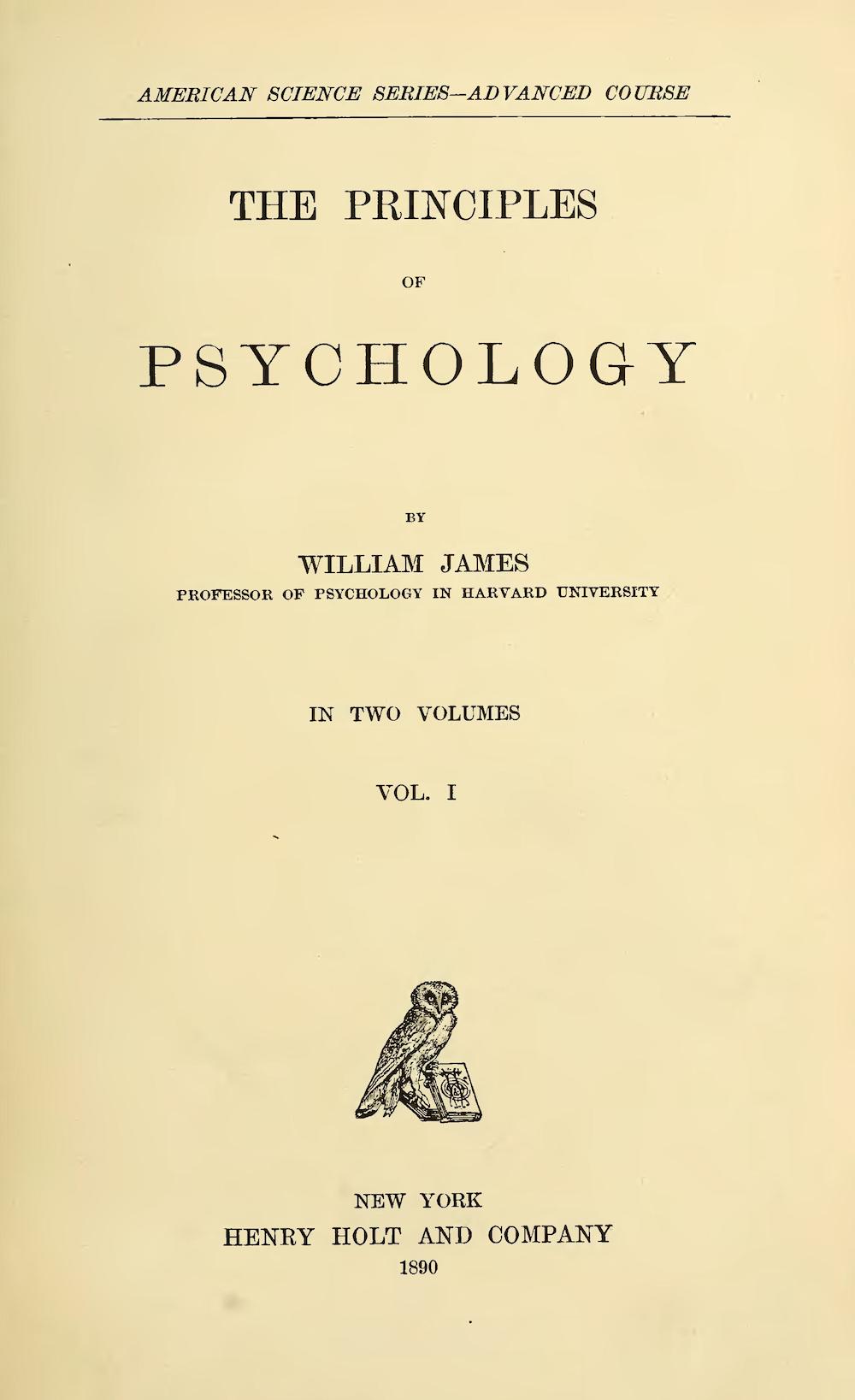 Book
Primary source
The Principles of Psychology
William James · 1890
 Book
Primary source
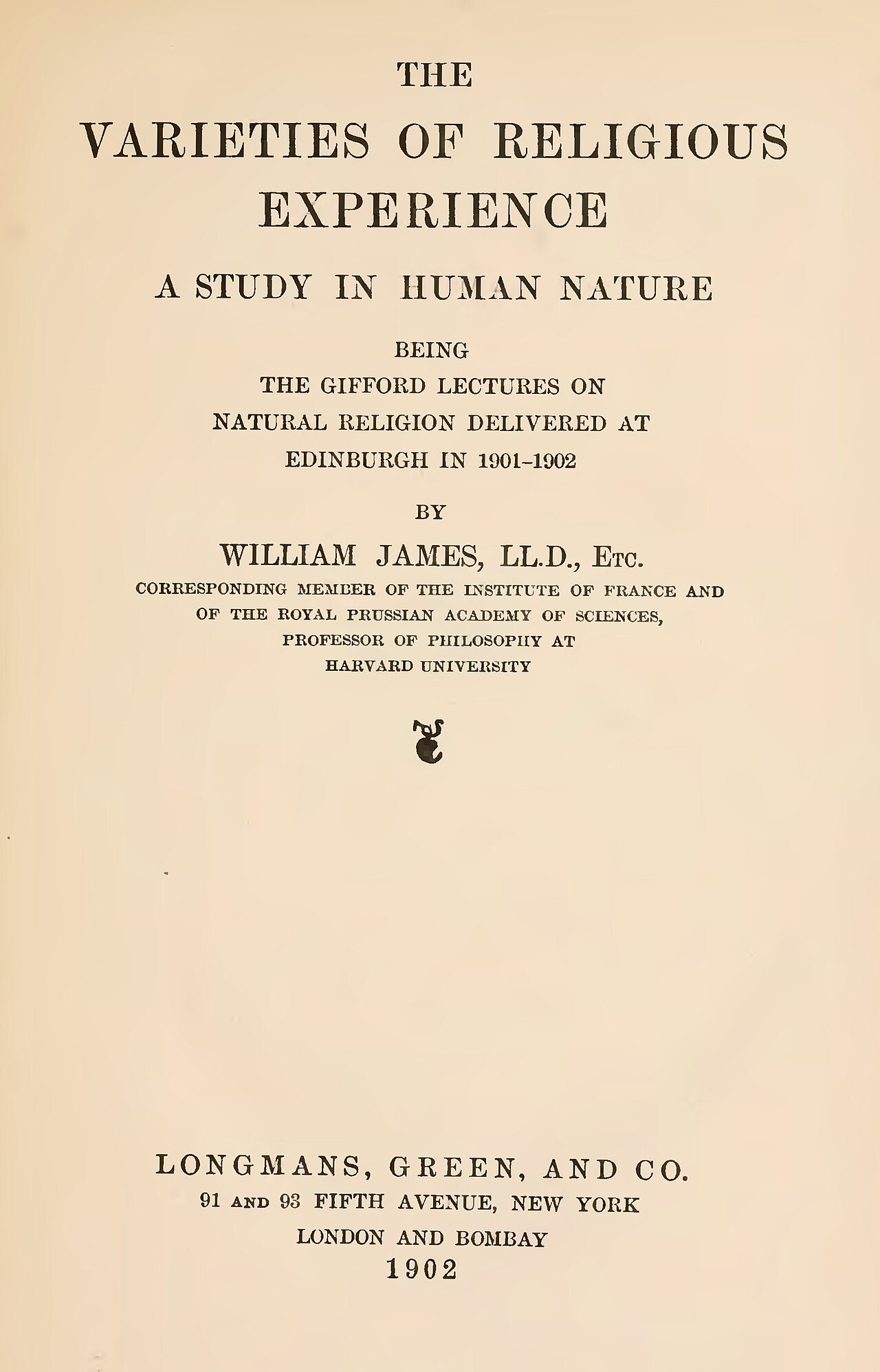
The Varieties of Religious Experience
William James · 1901-1902
Primary source
Pragmatism: A New Name for Some Old Ways of Thinking
William James · 1907
Primary source
The Will to Believe
William James · 1896
 Painting
Primary source
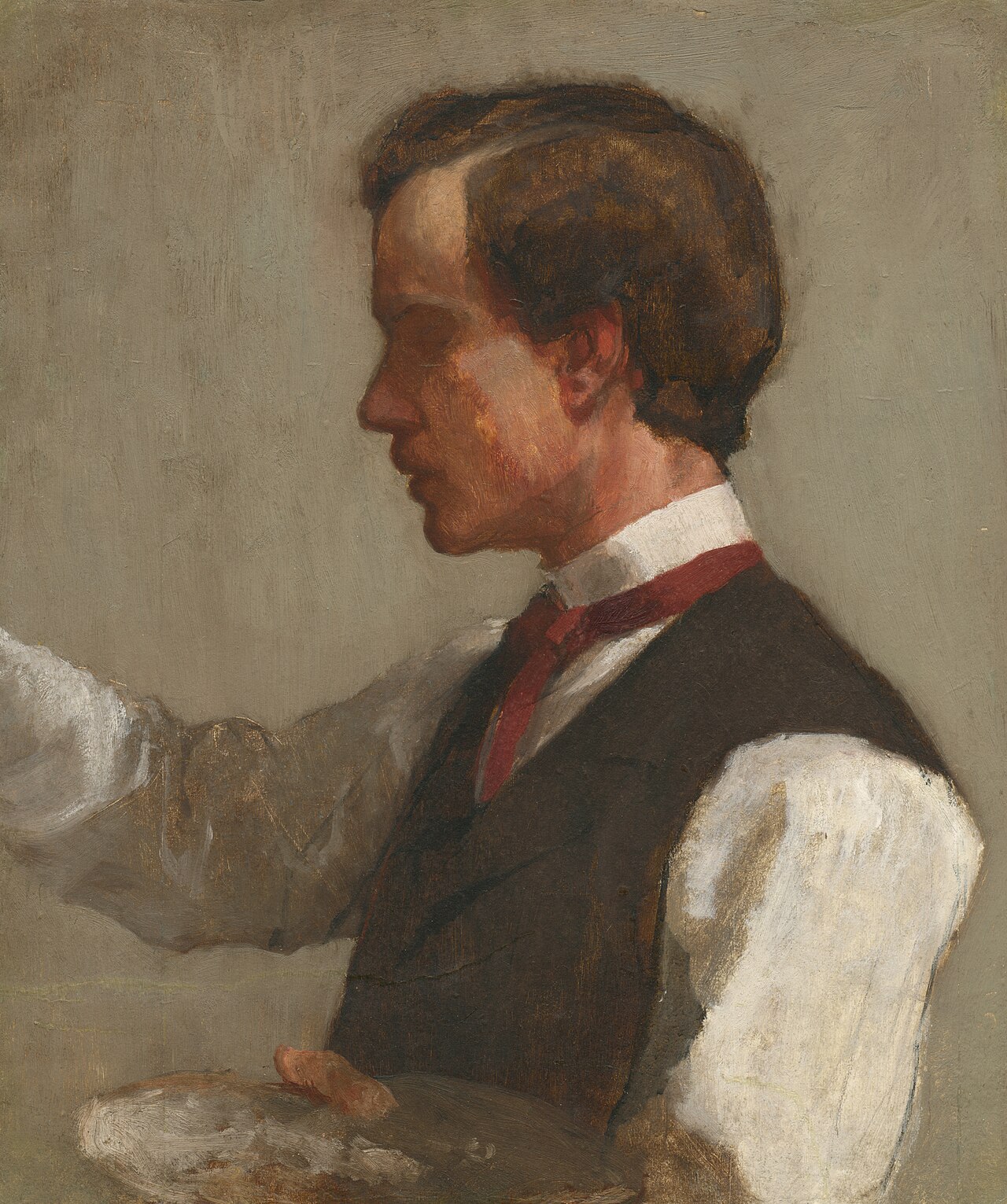
William James
John La Farge · 1859
Ready when you are
Start chatting with William James now.
20 messages free · No credit card · Available in 50+ languages.