


Secondary sourceBook1095
The Incoherence of the Philosophers
Al-Ghazali · 1095
Al-Ghazali's 11th-century book attacking the philosophy of Avicenna and al-Farabi for contradicting Islamic belief.
This famous attack targets Avicenna's philosophical doctrines directly, showing how controversial his ideas were in the Islamic world.
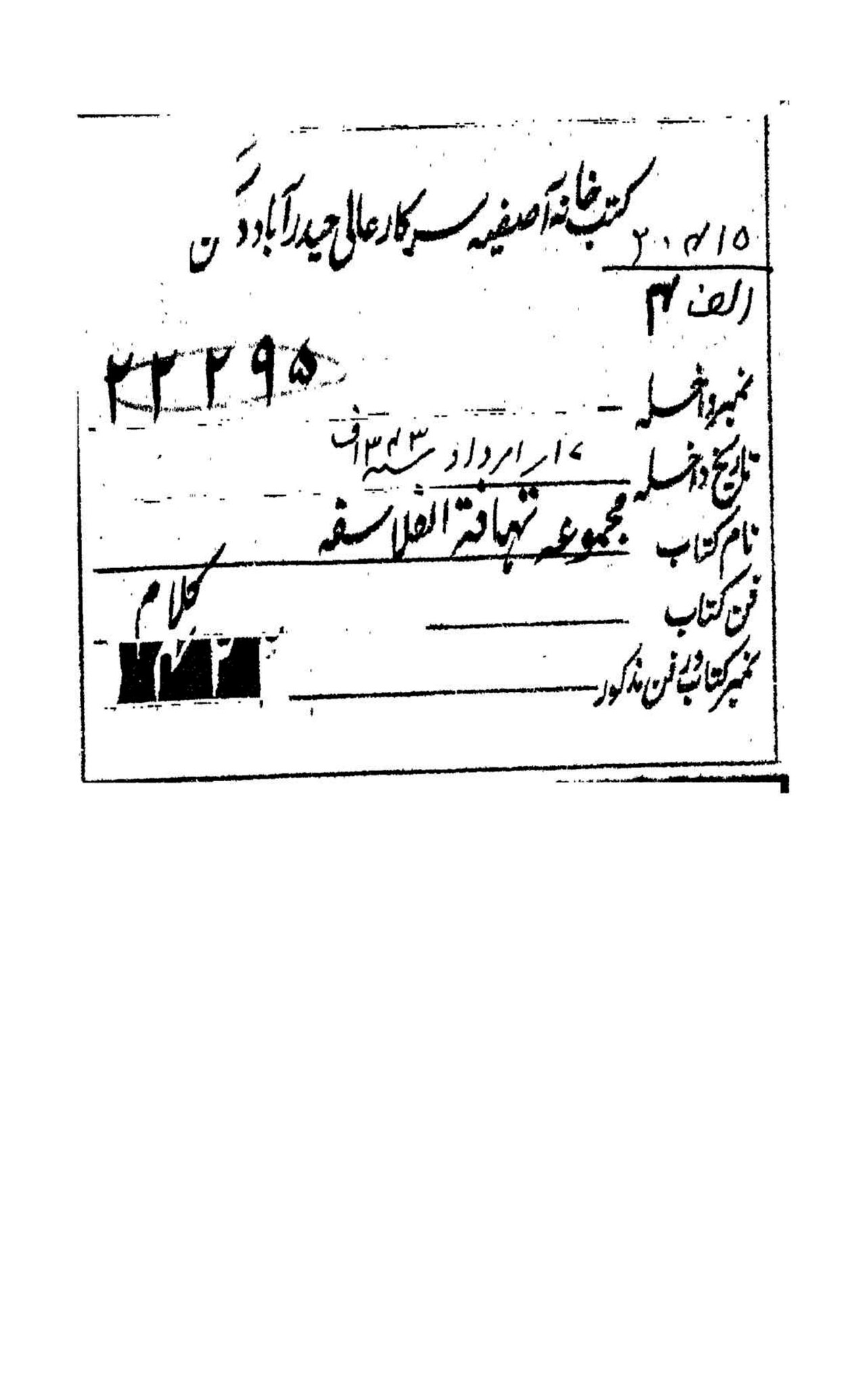
About this source
What it is
Written around 1095 by the Muslim scholar al-Ghazali, this book criticizes the philosophical ideas of Avicenna and al-Farabi. Al-Ghazali argued that their doctrines, especially about the eternity of the world and God's knowledge, were heretical. The image shown here is a library catalogue card recording the work, not the book itself.
Why it matters
This is one of the most important responses to Avicenna's philosophy in the Islamic world. Al-Ghazali accepted sciences like logic and mathematics but rejected the metaphysical conclusions of philosophers like Avicenna. The book had enormous success and strengthened a theological school that opposed Avicennian philosophy.
Look closer
- Why might a respected scholar attack ideas rather than ignore them?
- What does the existence of this catalogue card tell you about how such works are preserved and studied today?
- What parts of philosophy did al-Ghazali accept, and what does that tell you about his real objection?
This book is part of the curated material that grounds the AI version of Avicenna on Humy.ai — when students ask about related events, the AI can quote it and cite it.
More Avicenna sources
Meet the AI Avicenna →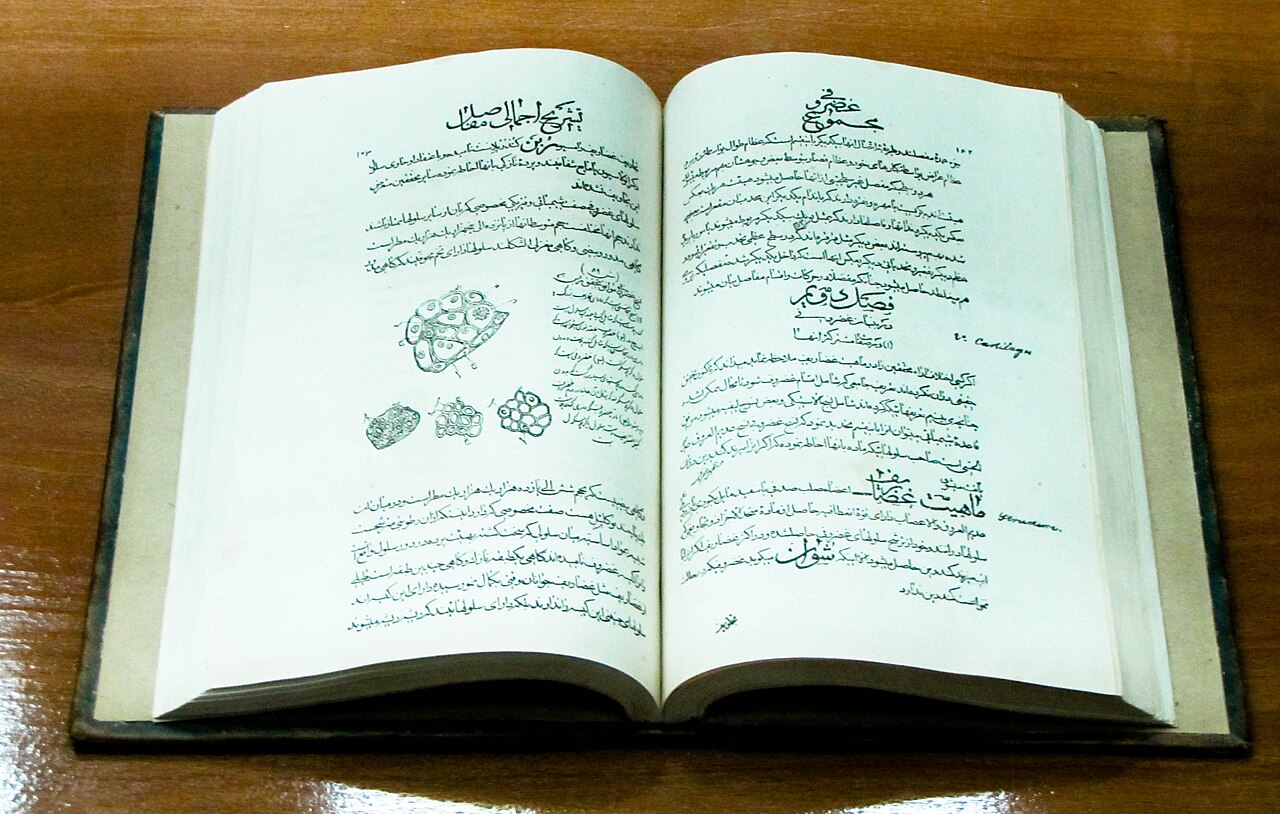 Book
Secondary source
Canon of Medicine
Avicenna · 1025
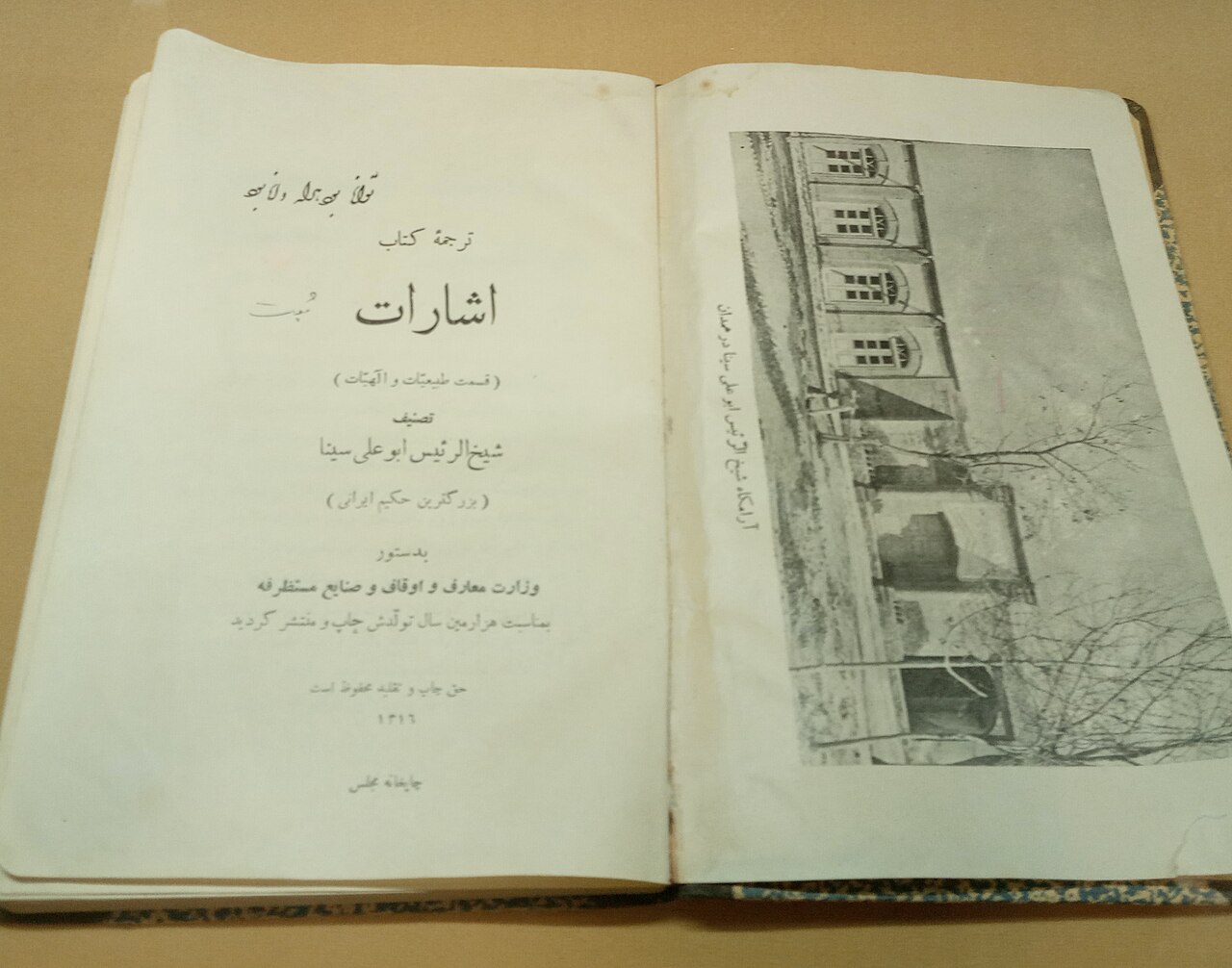 Book
Primary source
Al-Isharat wa al-Tanbihat
Avicenna
Secondary source
Commentary on Anatomy in Avicenna's Canon
Ibn al-Nafis · 13th century
 Painting
Secondary source
Avicenna (Subtilties of Truth manuscript image)
Beckwith · 1271
 Painting
Secondary source
Avicenna at the Sickbed
Walenty z Pilzna · c. 1479-1480
Ready when you are
Start chatting with Avicenna now.
20 messages free · No credit card · Available in 50+ languages.