


Secondary sourcePainting1772
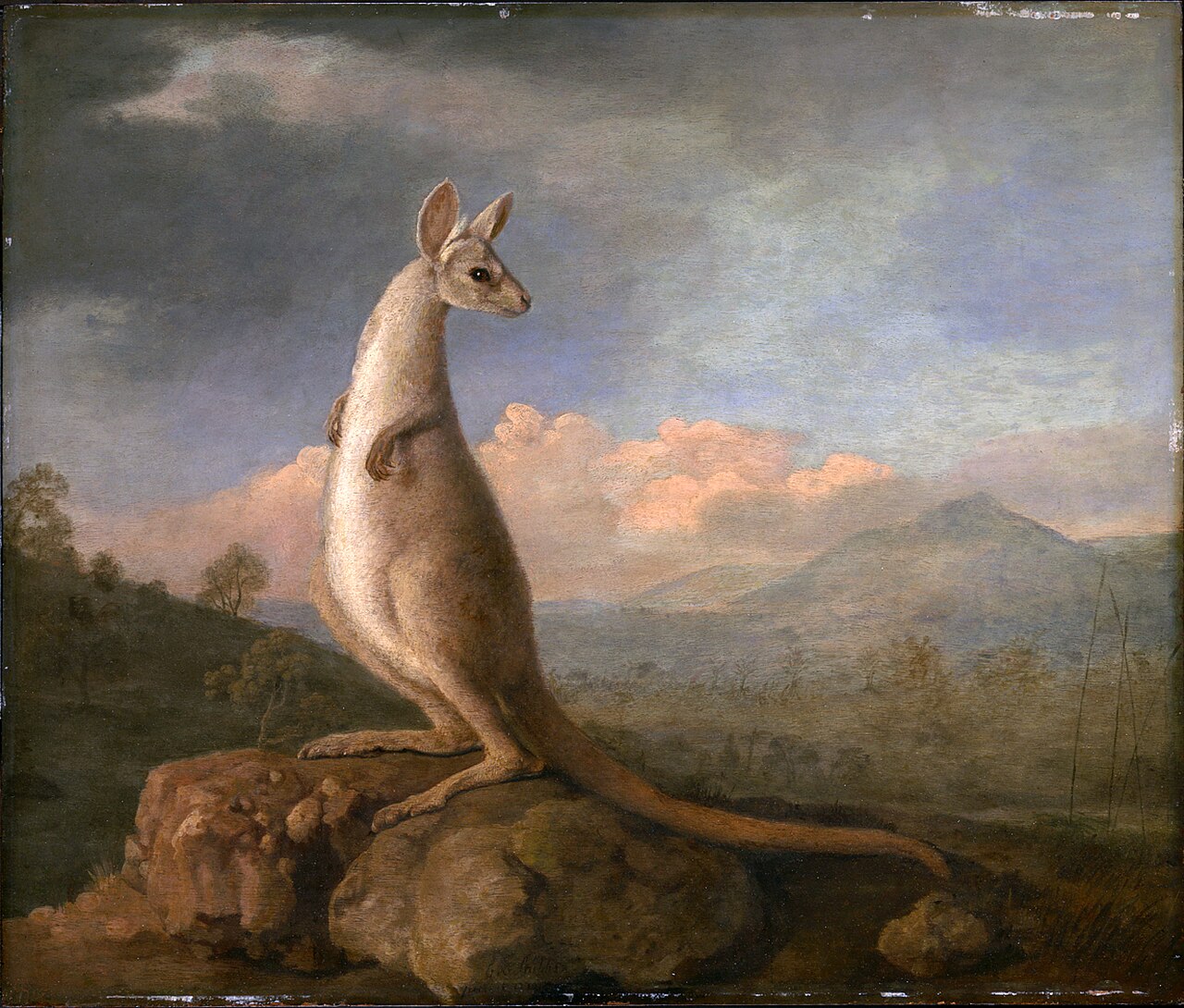
The Kongouro from New Holland
George Stubbs · 1772
George Stubbs's 1772 painting of a kangaroo, made from a skin collected during Cook's first voyage, giving Europe its first image of the animal.
This kangaroo painting was made possible by a skin collected during Cook's first voyage, which he commanded.
About this source
What it is
This 1772 oil painting by George Stubbs depicts a kangaroo. It was commissioned by Joseph Banks and based on the inflated skin of an animal he collected on the east coast of Australia in 1770 during James Cook's first voyage, along with a drawing by Sydney Parkinson. It is held by the National Maritime Museum in Greenwich.
Why it matters
This is considered the first painting of an Australian animal in Western art. It shows how Cook's voyage brought entirely new knowledge of the natural world to Europe, and how artists worked from secondhand evidence—an inflated skin and a sketch—rather than a living animal, shaping how Europeans first imagined Australian wildlife.
Look closer
- Why might the kangaroo in the painting look slightly unusual compared to a real one?
- What does it mean that Stubbs never saw a live kangaroo before painting this?
- How did paintings like this shape European ideas about places and animals they had never visited?
This painting is part of the curated material that grounds the AI version of James Cook on Humy.ai — when students ask about related events, the AI can quote it and cite it.
More James Cook sources
Meet the AI James Cook →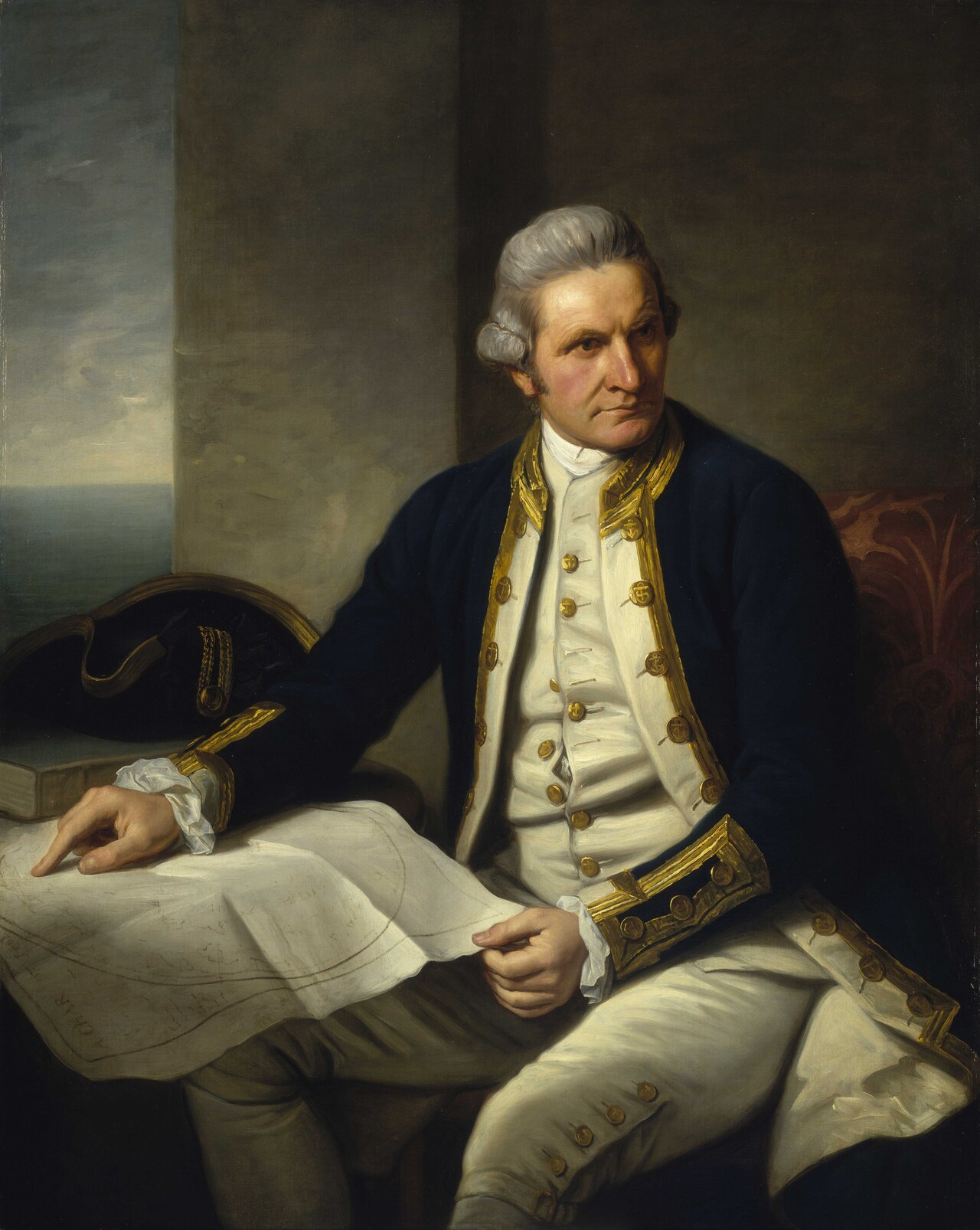 Painting
Primary source
Captain James Cook, 1728-79
Nathaniel Dance-Holland · c. 1775-1776
 Painting
Secondary source
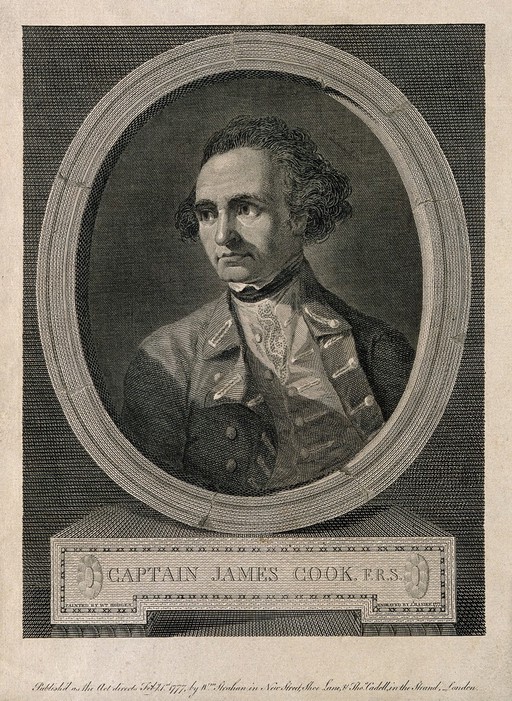
James Cook, line engraving by Basire after Hodges
William Hodges · 1777
 Document
Primary source
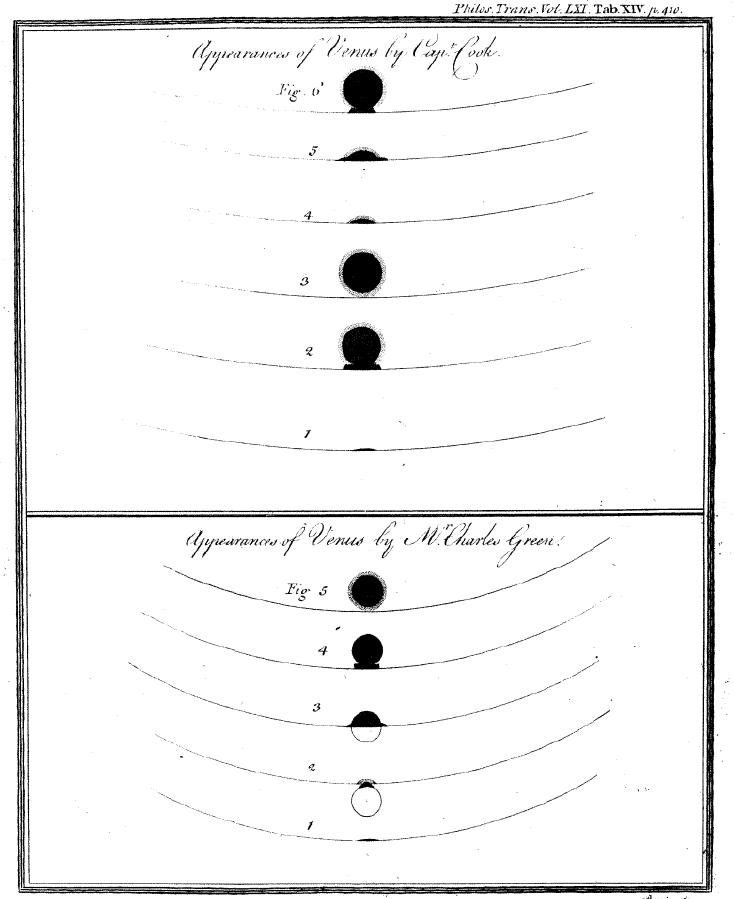
Sketchings of the 1769 Venus Transit
James Cook and Charles Green · 1769
 Painting
Primary source
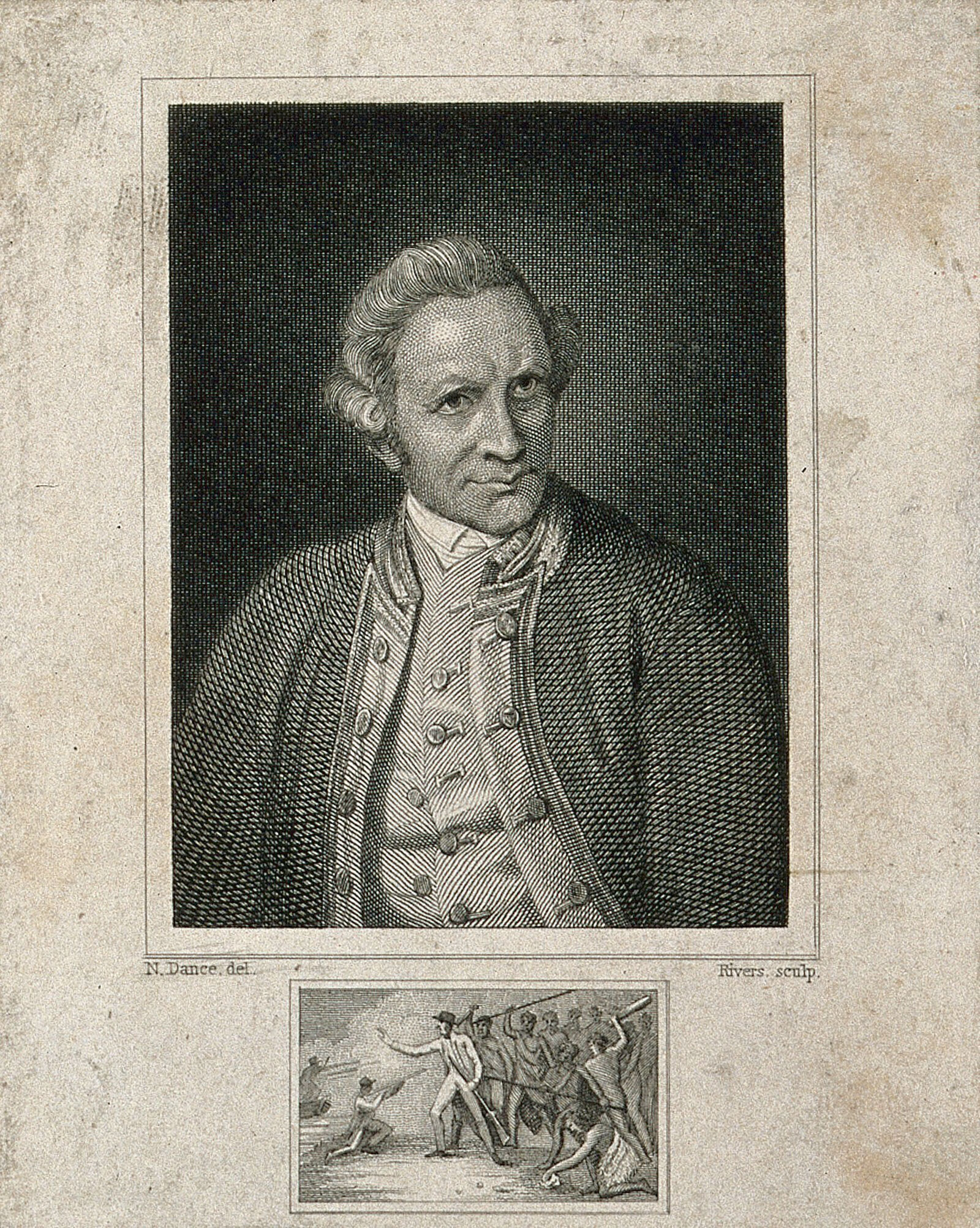
James Cook, engraving by Rivers after Dance-Holland
Nathaniel Dance-Holland · 1776
 Document
Primary source
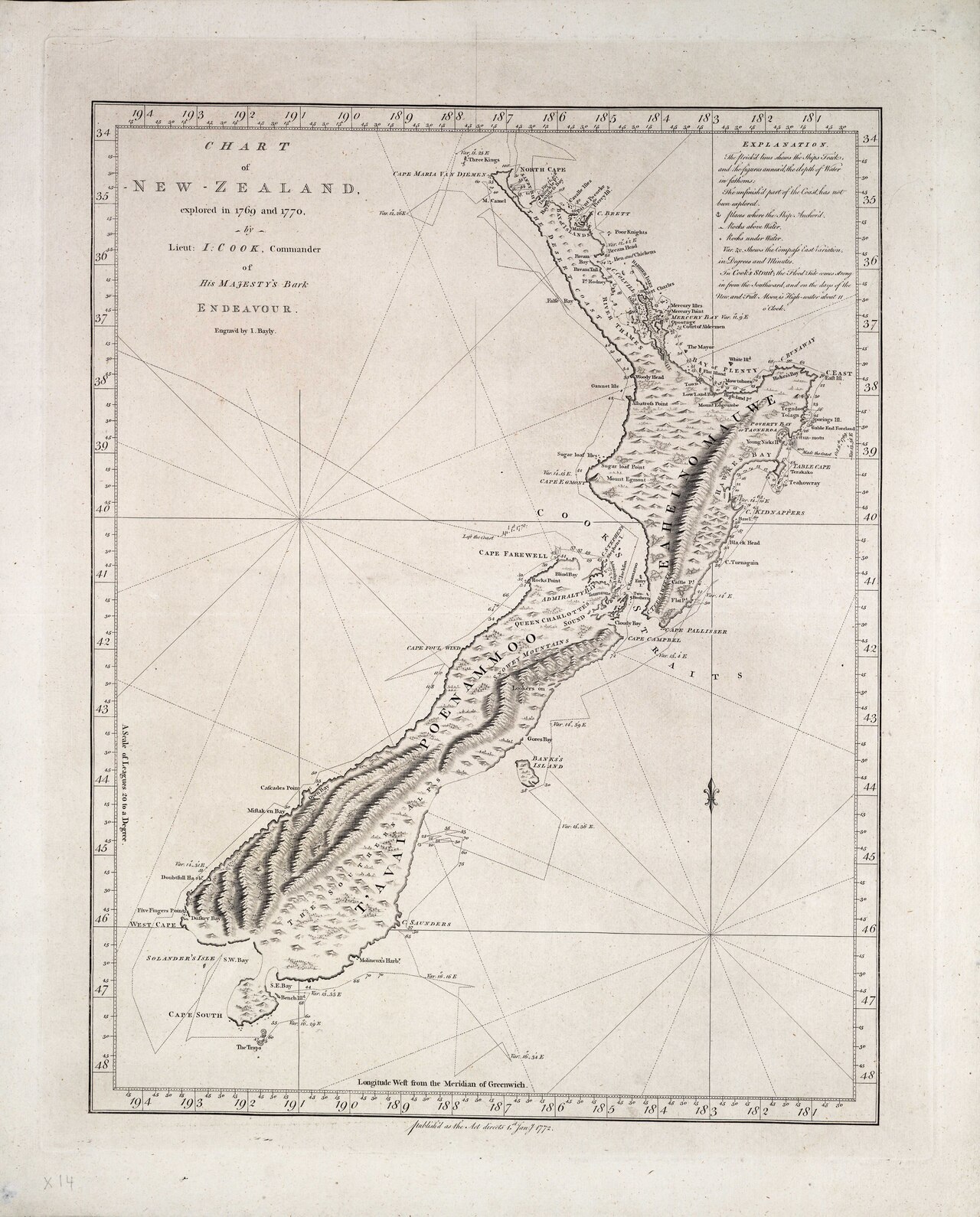
Chart of New Zealand, explored in 1769 and 1770
James Cook · 1770
Ready when you are
Start chatting with James Cook now.
20 messages free · No credit card · Available in 50+ languages.