


Primary sourcePaintingc. 1669-1670
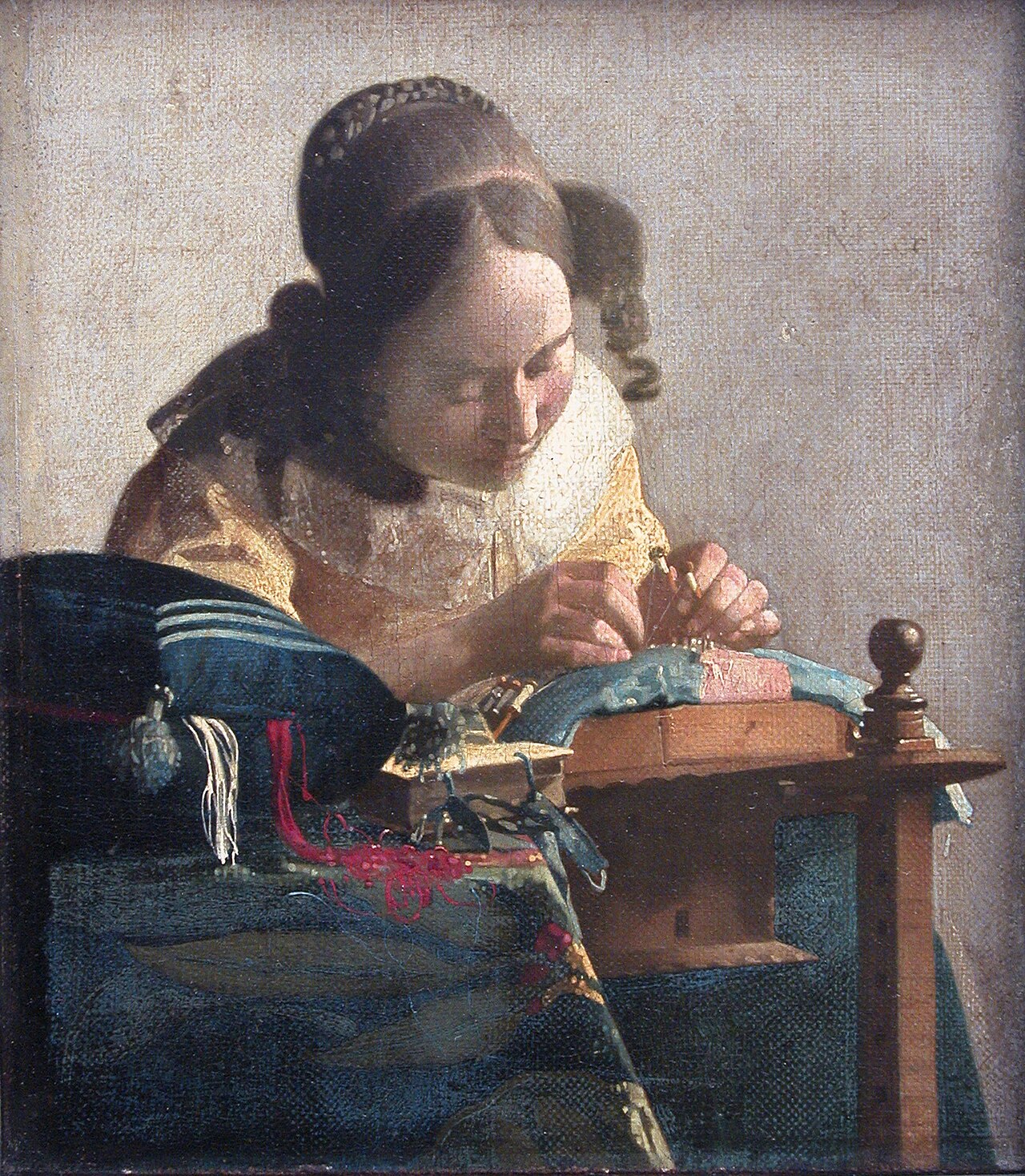
The Lacemaker
Johannes Vermeer · c. 1669-1670
A small, intensely detailed painting by Johannes Vermeer showing a young woman absorbed in making bobbin lace.
Painted entirely by Vermeer, this work is central evidence of his mature technique and possible use of optical aids.
About this source
What it is
This oil painting was made by Johannes Vermeer around 1669–1670. It shows a young woman leaning over a lace pillow, concentrating as she works thread with bobbins and pins. At about 24.5 by 21 centimetres it is the smallest of Vermeer's paintings. It is held today in the Louvre in Paris.
Why it matters
The painting is prized for its close observation of a skilled craft and for its unusual visual effects: the foreground threads appear blurred, which has led historians to debate whether Vermeer used optical devices such as a camera obscura to compose his scenes. It shows Vermeer at the height of his technical skill, turning an everyday domestic task into a quiet, focused image.
Look closer
- Why might Vermeer have painted the foreground out of focus while the lacework stays sharp?
- What does the painting suggest about which everyday activities Dutch artists thought worth capturing?
- How does the plain background change how you look at the woman's hands?
This painting is part of the curated material that grounds the AI version of Johannes Vermeer on Humy.ai — when students ask about related events, the AI can quote it and cite it.
More Johannes Vermeer sources
Browse all 95 →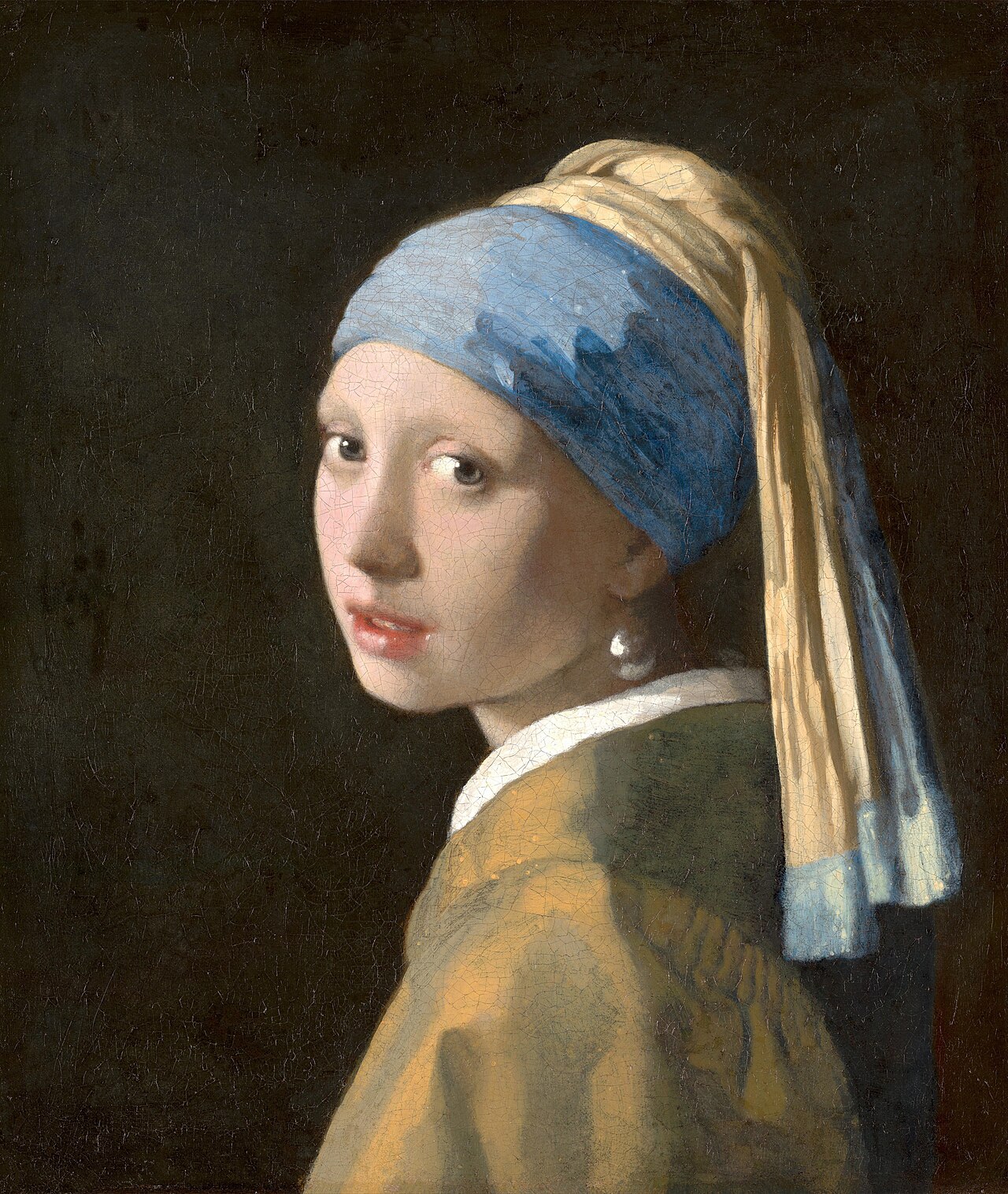 Painting
Primary source
Girl with a Pearl Earring
Johannes Vermeer · c. 1665
 Painting
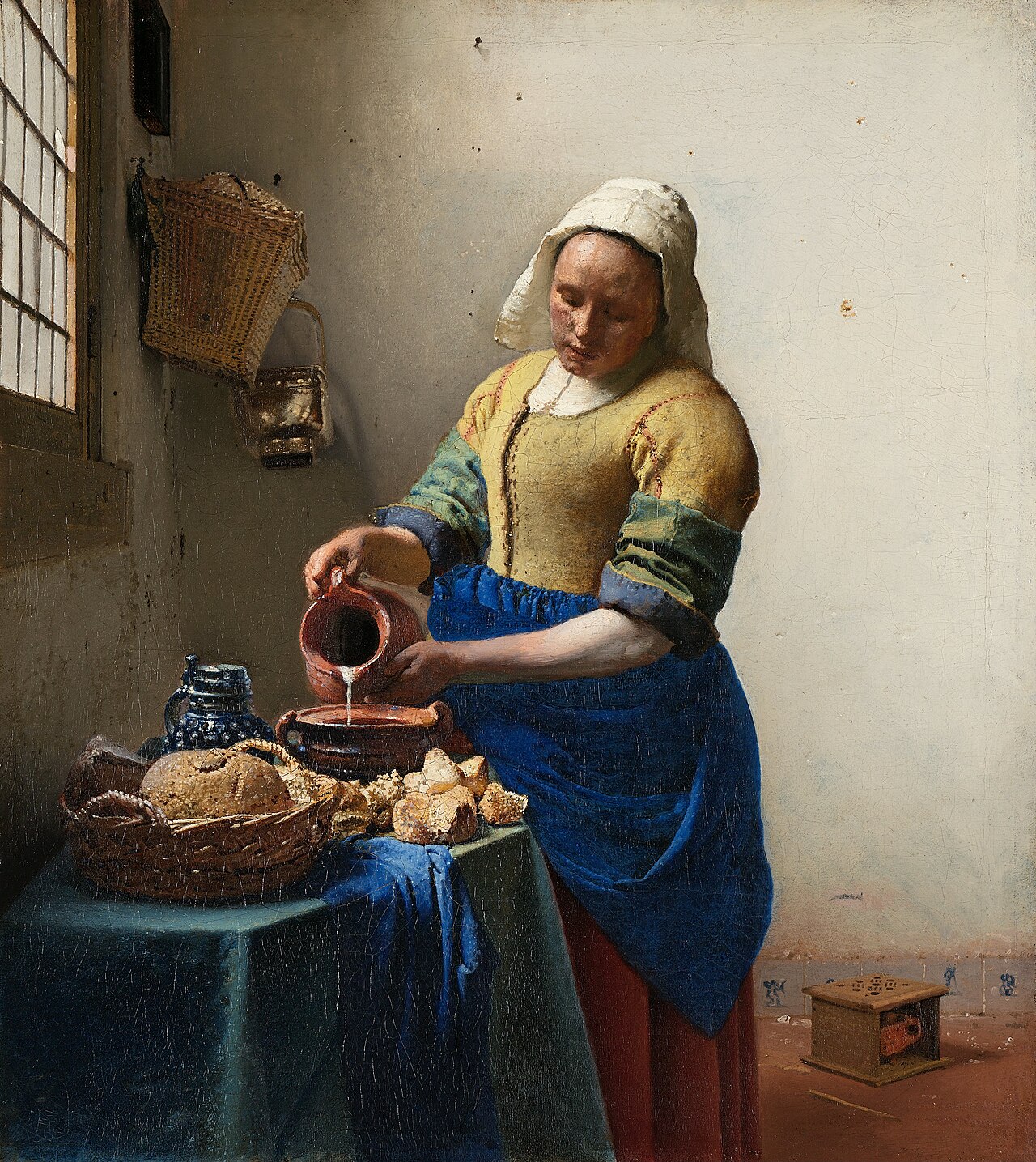
Primary source
The Milkmaid
Johannes Vermeer · c. 1658-1661
 Painting
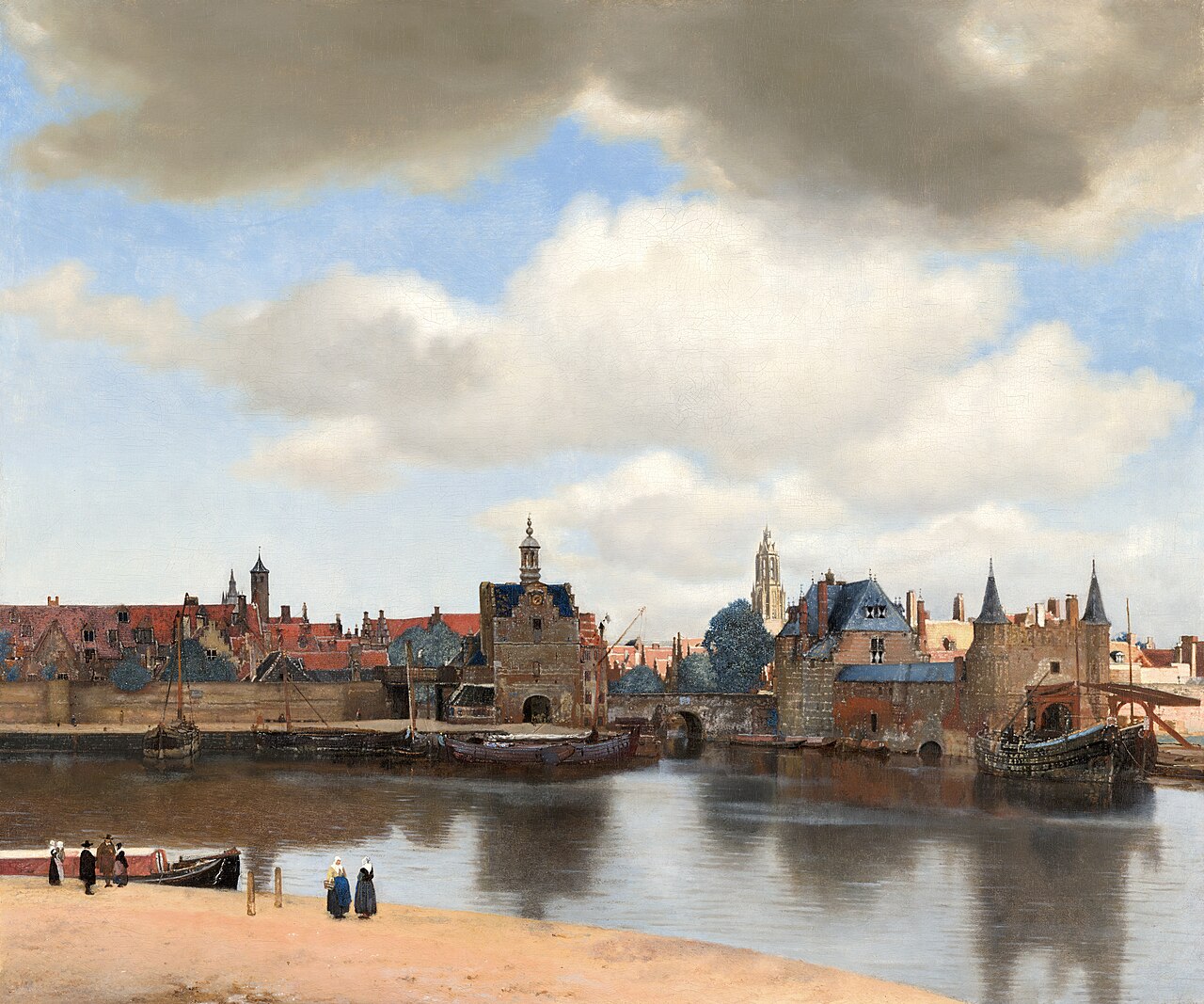
Primary source
View of Delft
Johannes Vermeer · c. 1659-1661
 Painting
Primary source
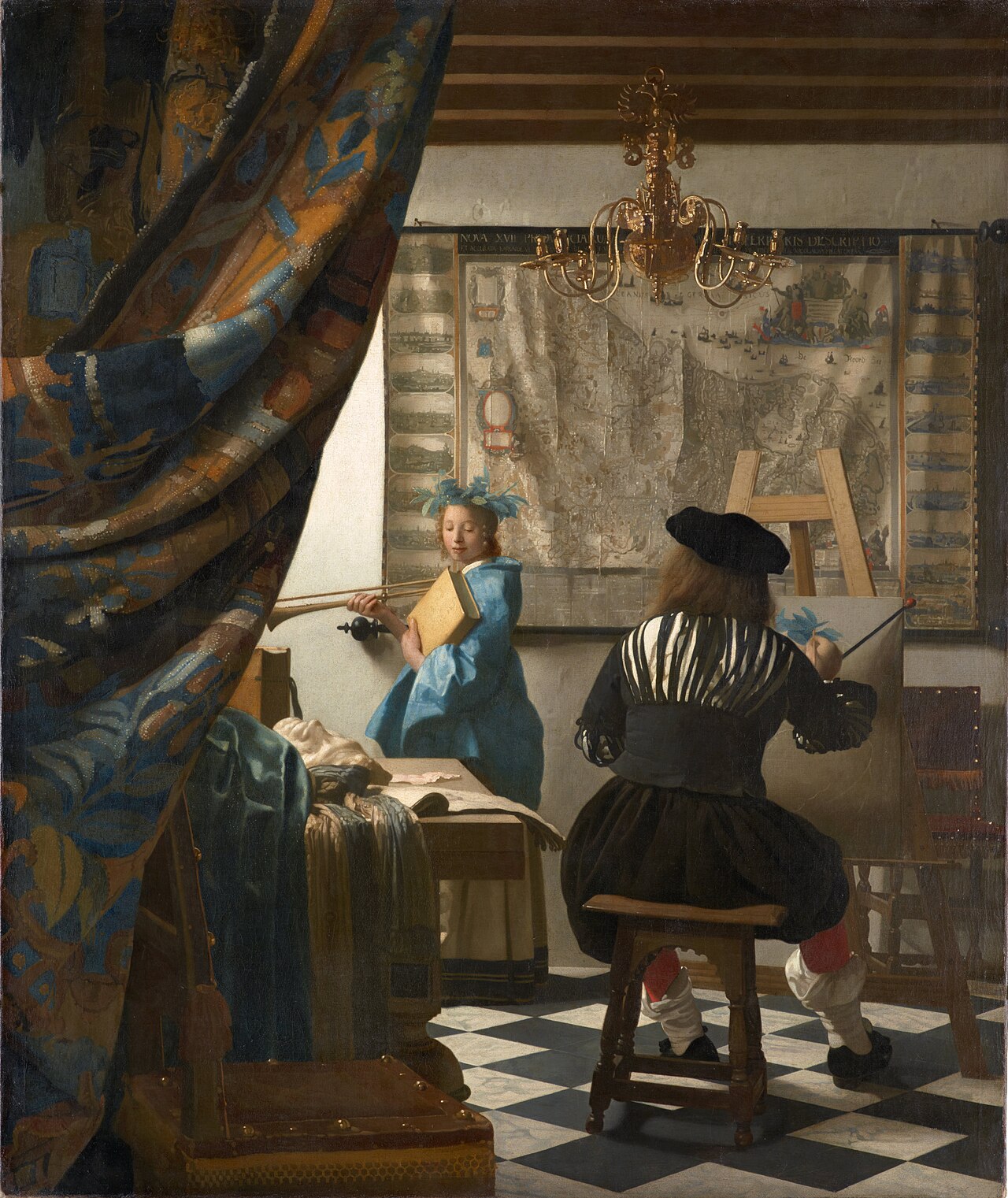
The Art of Painting
Johannes Vermeer · c. 1665-1668
Free account
Read every Johannes Vermeer source
Sign up free →
Ready when you are
Start chatting with Johannes Vermeer now.
20 messages free · No credit card · Available in 50+ languages.