


Primary sourceBook1849
The Life of Josiah Henson, Formerly a Slave, Now an Inhabitant of Canada, as Narrated by Himself
Josiah Henson · 1849
Josiah Henson's 1849 slave narrative, which Stowe cited as a source for the character of Uncle Tom.
Stowe cited Henson's narrative in her defense of Uncle Tom's Cabin as a source for her title character.
About this source
What it is
This is a slave narrative published in 1849, telling the life story of Josiah Henson, a formerly enslaved man living in Canada. Henson could not yet read or write, so he dictated his story to Samuel A. Eliot, a former Boston mayor known for his anti-slavery views. The book describes in detail Henson's childhood and life under slavery in the American South.
Why it matters
After Harriet Beecher Stowe published Uncle Tom's Cabin in 1852, it became widely believed—and Stowe herself confirmed—that Henson's narrative and life experiences were a major source for her character Uncle Tom. This connection boosted sales of Henson's book enormously and shows how real accounts of enslaved people's lives shaped Stowe's fiction.
Look closer
- Why does the book's introduction insist that the story is 'not fiction, but fact'?
- What does it mean that Henson's words were shaped by someone else's writing?
- How might reading Henson's own account change the way you read Uncle Tom's Cabin?
This book is part of the curated material that grounds the AI version of Harriet Beecher Stowe on Humy.ai — when students ask about related events, the AI can quote it and cite it.
More Harriet Beecher Stowe sources
Meet the AI Harriet Beecher Stowe →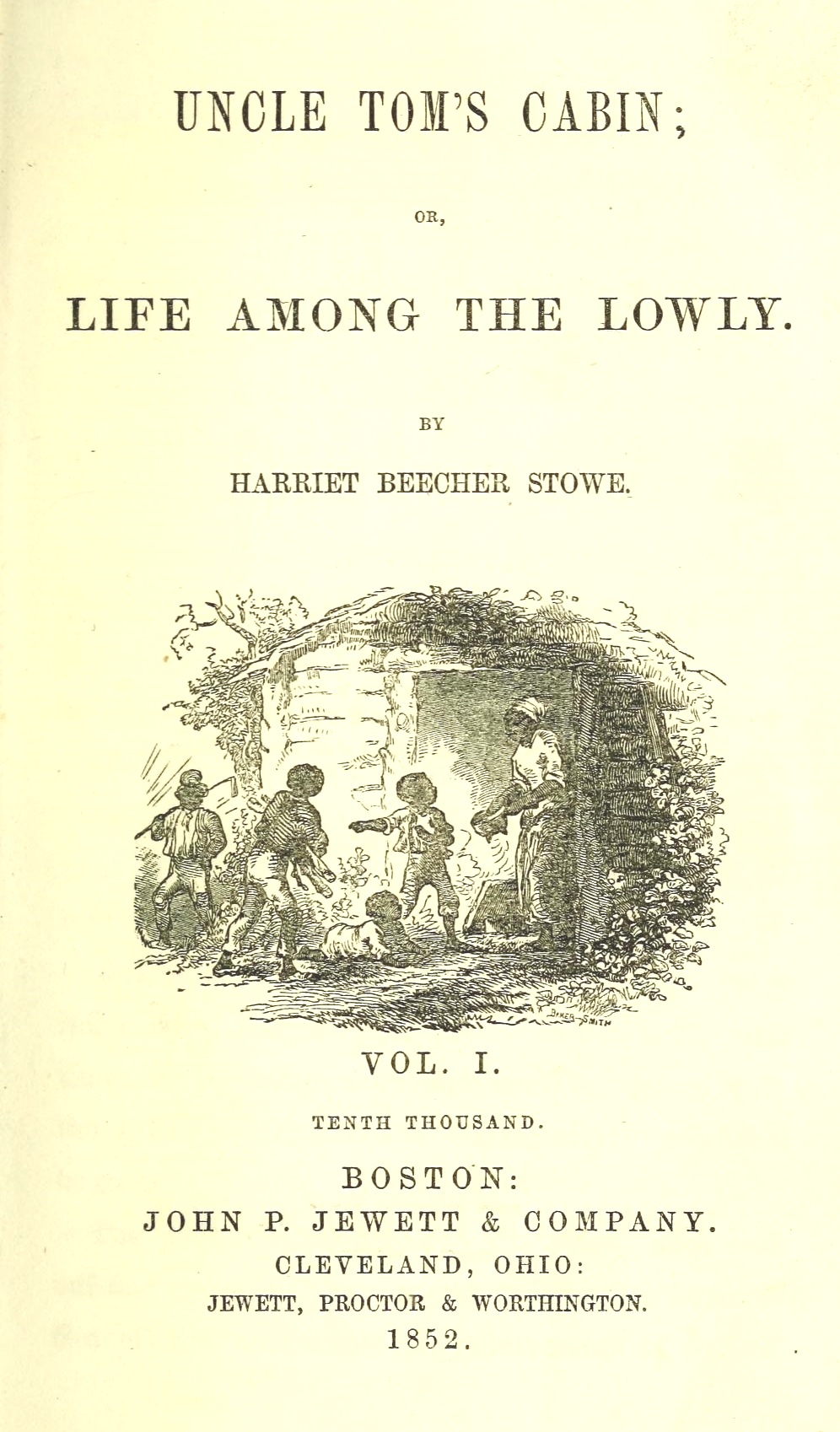 Book
Primary source
Uncle Tom's Cabin
Harriet Beecher Stowe · 1852
 Document
Primary source
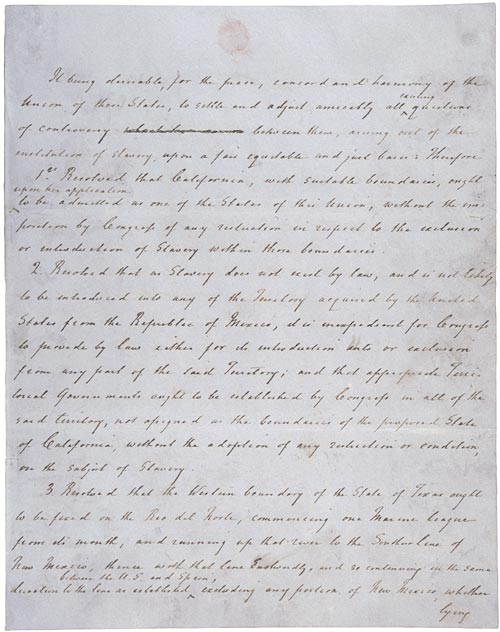
Compromise of 1850
Henry Clay · 29 January 1850 (resolutions); statutes enacted September 1850
 Photograph
Primary source
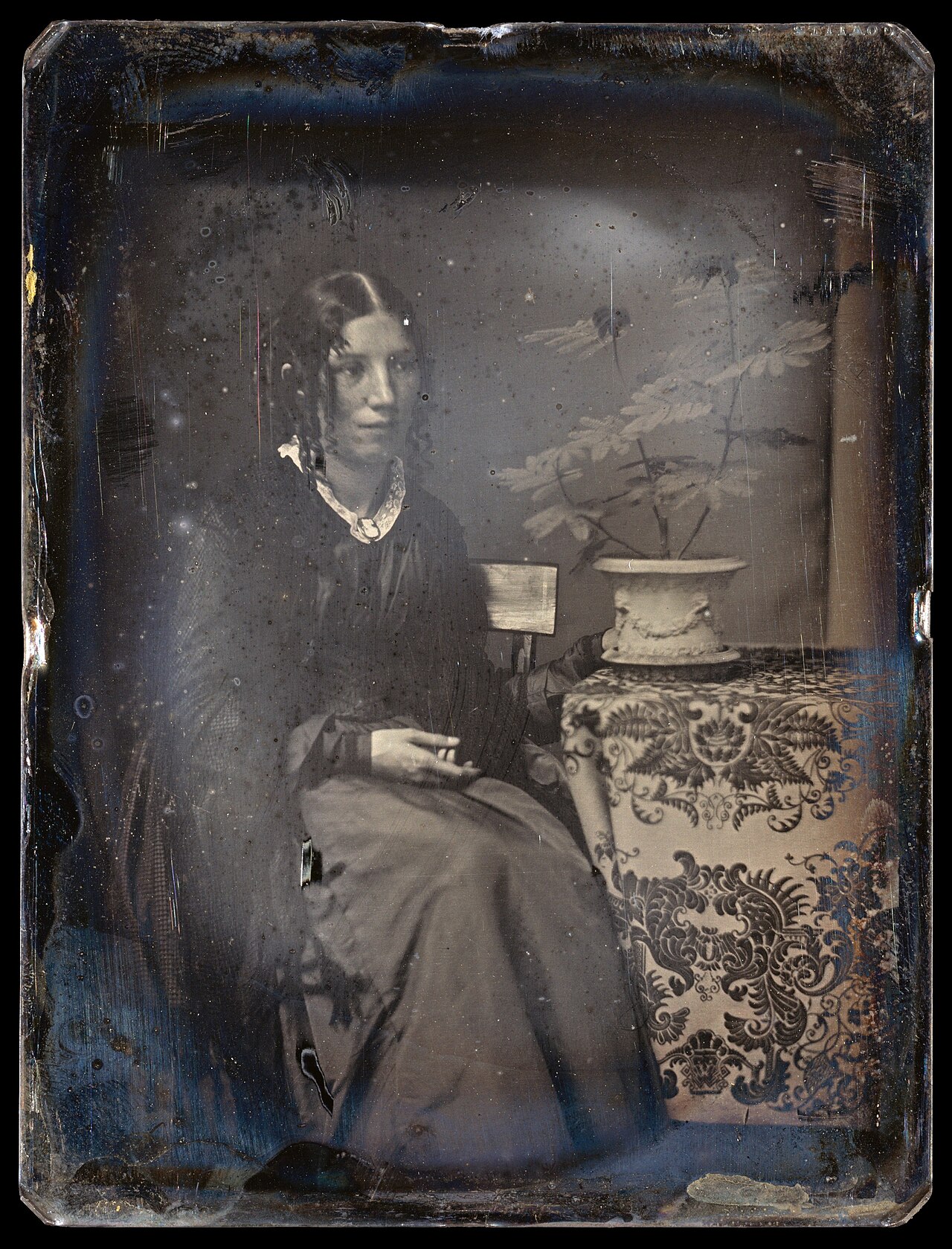
Harriet Beecher Stowe
Southworth and Hawes · c. 1850
 Painting
Primary source
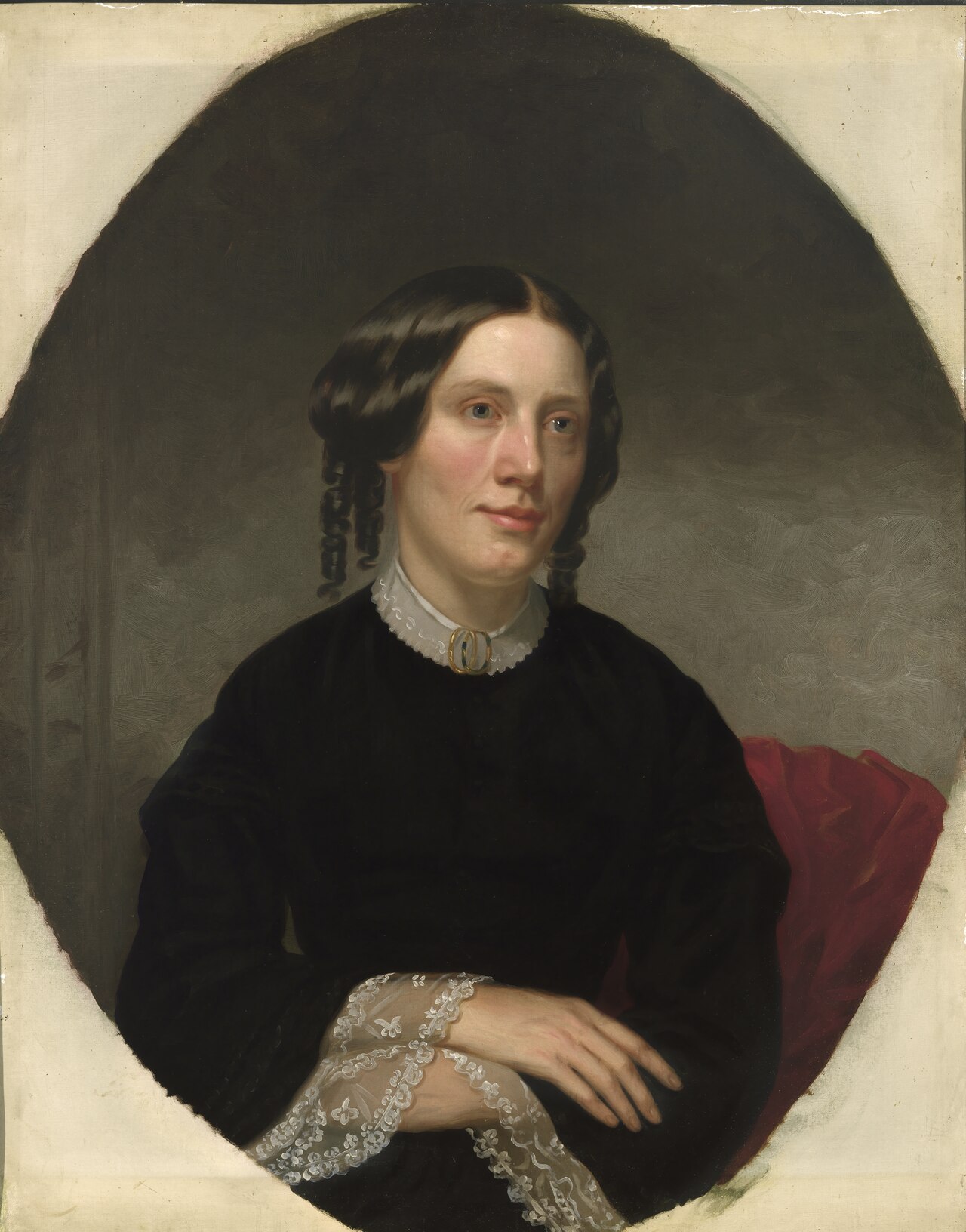
Harriet Beecher Stowe
Alanson Fisher · 1853
 Document
Primary source
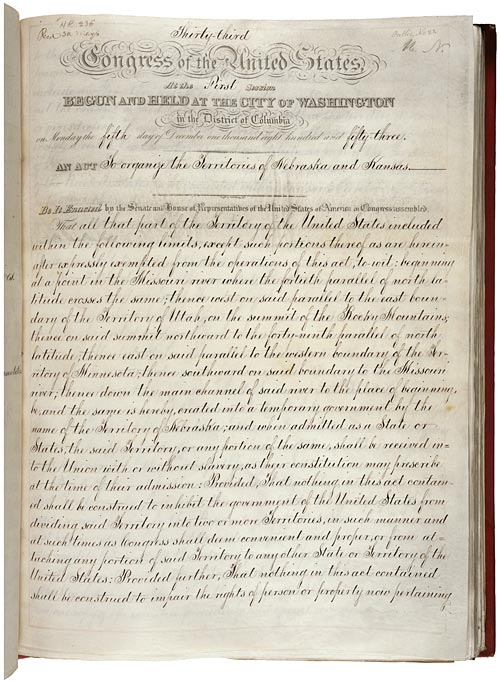
Kansas-Nebraska Act
United States Congress · 1854
Ready when you are
Start chatting with Harriet Beecher Stowe now.
20 messages free · No credit card · Available in 50+ languages.