


Secondary sourcePainting1851-1854
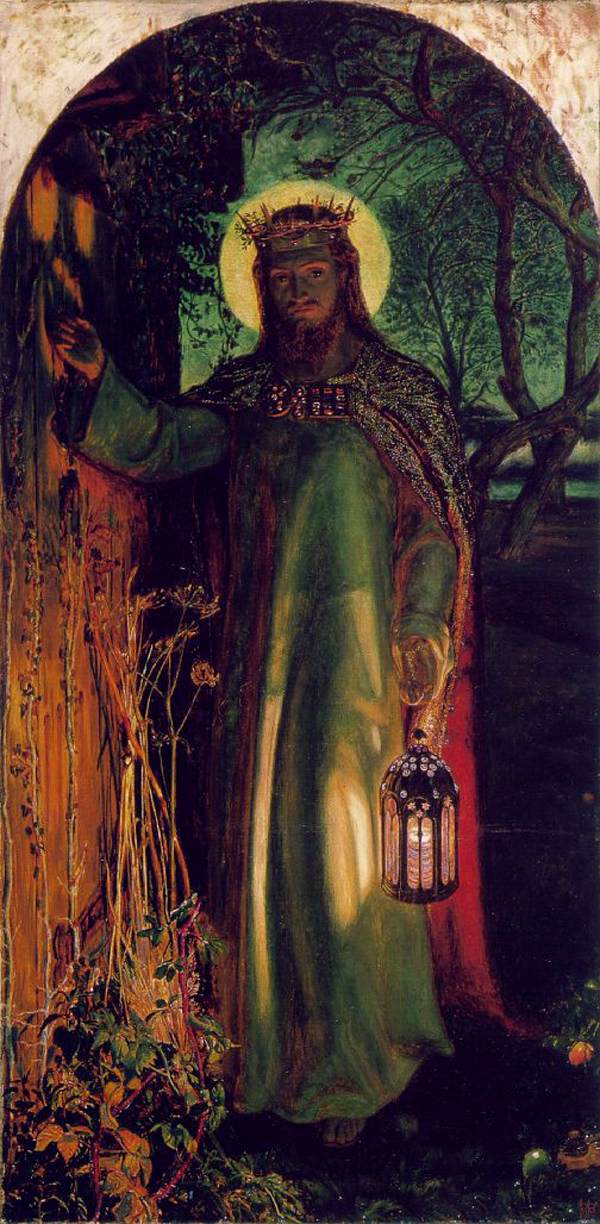
The Light of the World
William Holman Hunt · 1851-1854
William Holman Hunt's allegorical painting of Jesus knocking at a closed door, based on a verse from Revelation.
Depicts Jesus as a symbolic figure knocking at the door of the soul, an influential devotional image of him.
About this source
What it is
This allegorical painting by the Pre-Raphaelite artist William Holman Hunt, painted 1851–1854, shows Jesus holding a lantern and knocking on an overgrown door that has no handle. It illustrates a verse from the Book of Revelation and now hangs in the chapel of Keble College, Oxford.
Why it matters
Hunt said he painted the picture feeling it was a divine command rather than just a good subject for art. The locked door, which can only be opened from inside, was meant to represent a closed mind refusing faith. The painting became one of the most widely reproduced religious images of the Victorian era, hung in homes, schools and churches, and later versions toured the world drawing huge crowds.
Look closer
- Why do you think the artist left the door without a handle?
- What might the lantern Jesus carries symbolize?
- Why do you think this image became so popular with Victorian audiences?
This painting is part of the curated material that grounds the AI version of Jesus Christ on Humy.ai — when students ask about related events, the AI can quote it and cite it.
More Jesus Christ sources
Meet the AI Jesus Christ →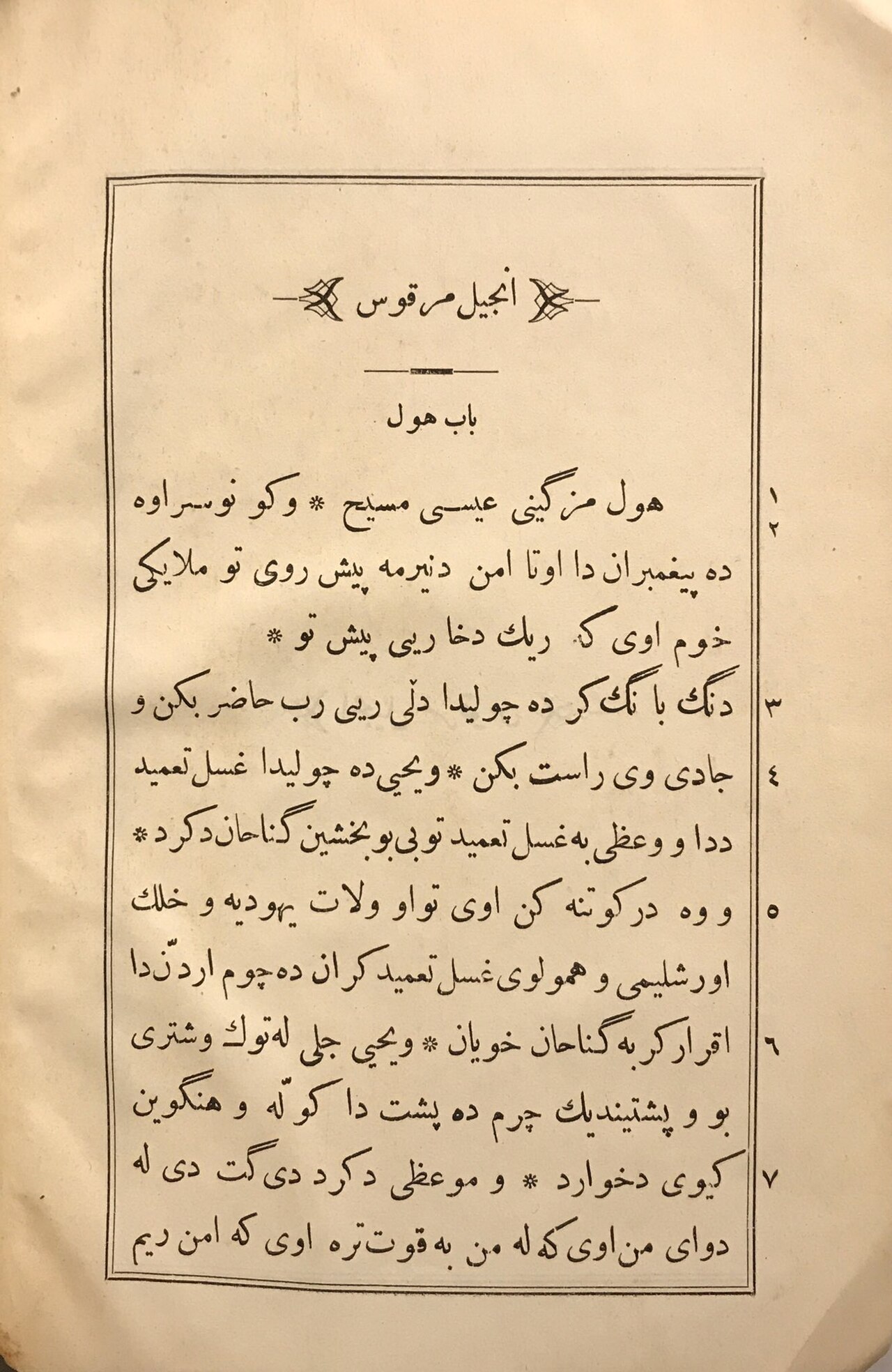 Book
Secondary source
Gospel of Mark
Mark the Evangelist · c. AD 66-75
 Artifact
Secondary source
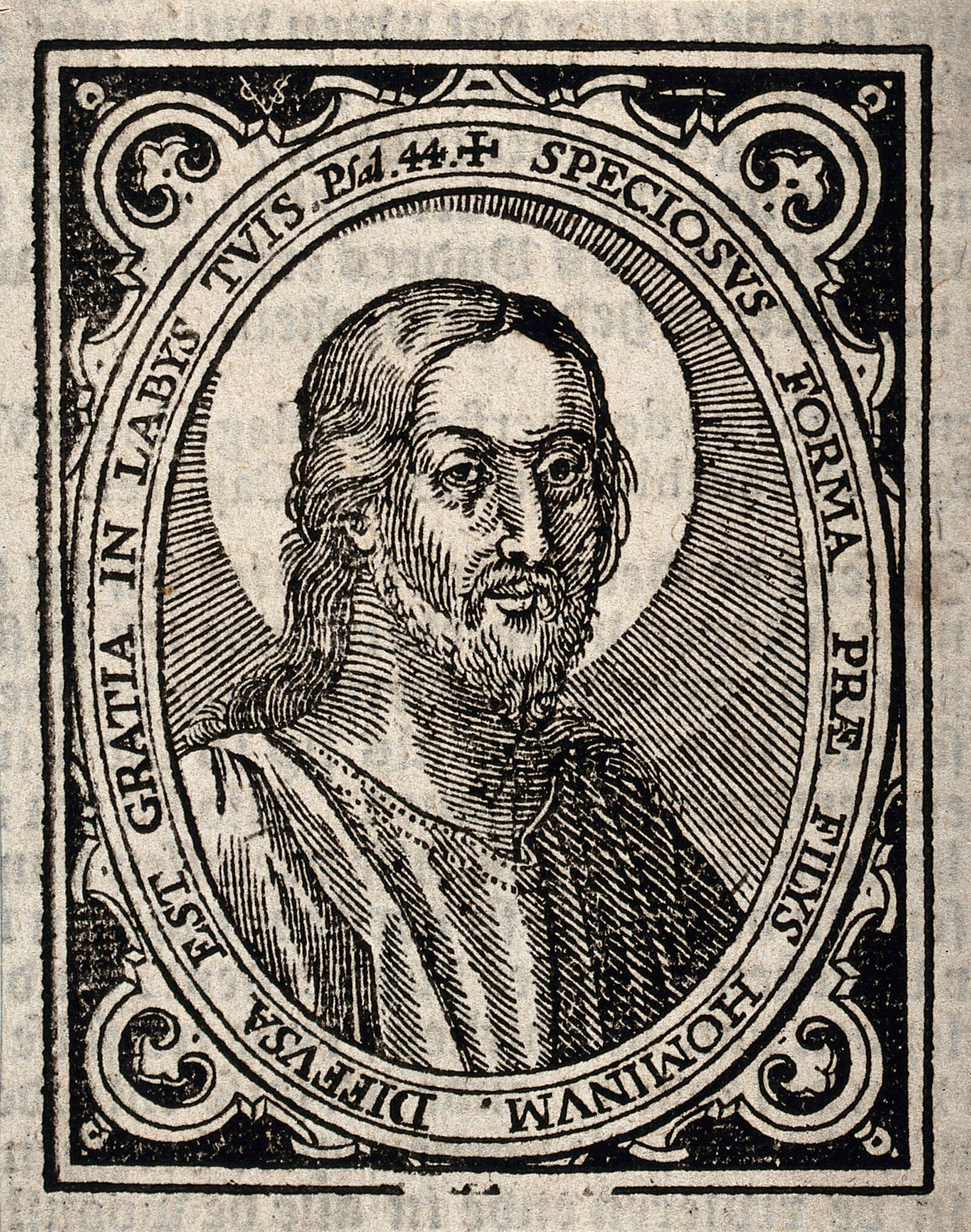
Jesus Christ, woodcut by Christoffel van Sichem III
Christoffel van Sichem III · c. 1645
 Book
Secondary source
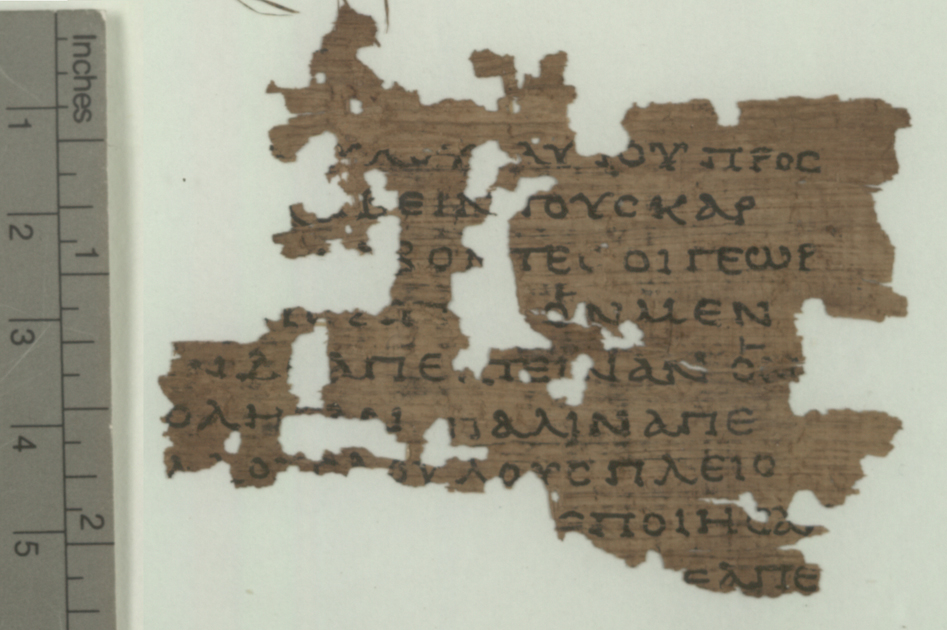
Gospel of Matthew
Matthew the Apostle · late 1st century AD
 Painting
Secondary source
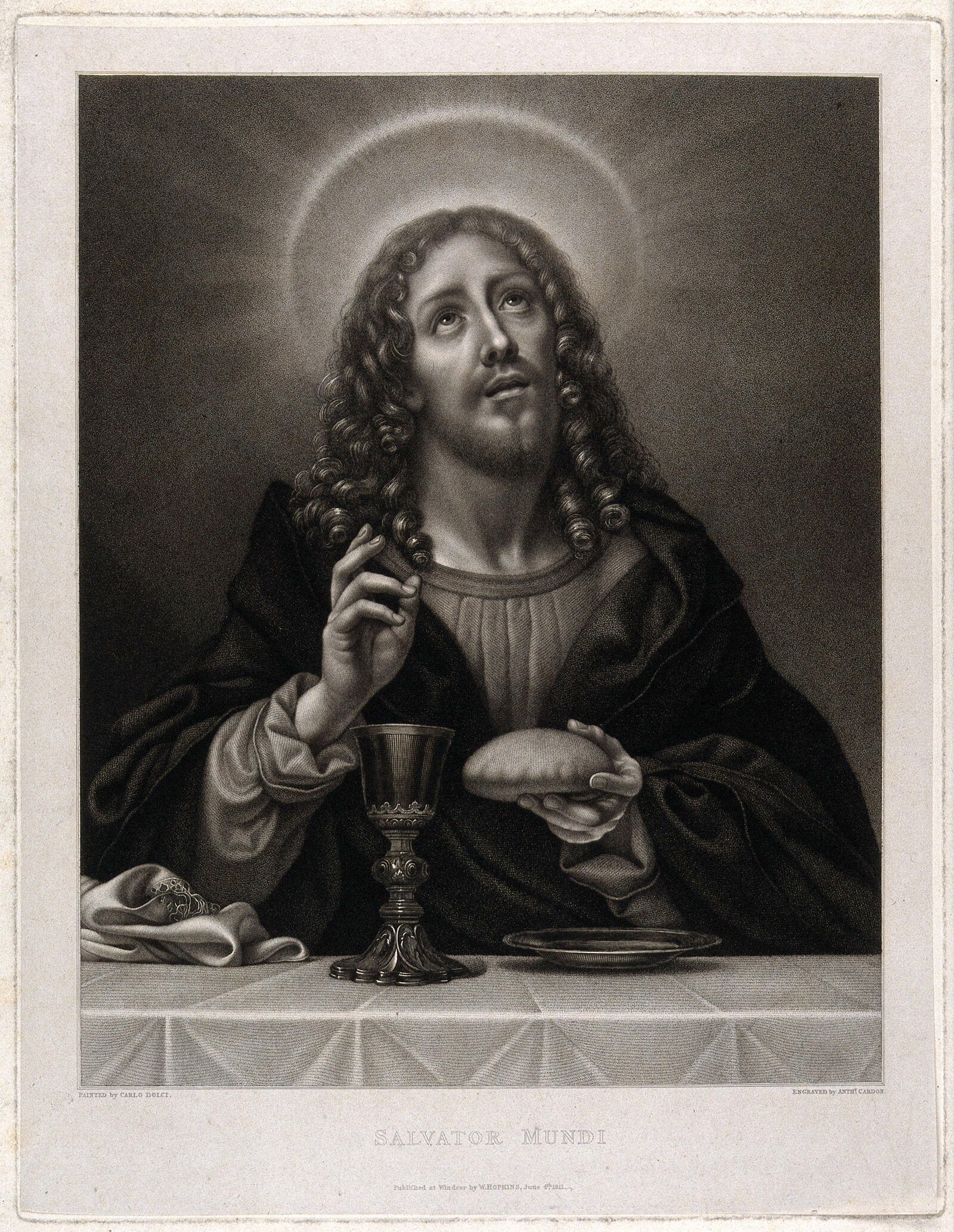
Jesus Christ blessing the Host
Carlo Dolci (painting); Anth. Cardon (engraving) · 4 June 1811
 Painting
Secondary source
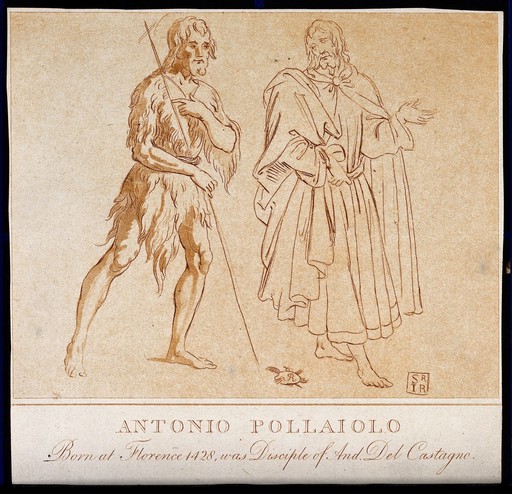
John the Baptist Meets Jesus Christ
Antonio Pollaiuolo
Ready when you are
Start chatting with Jesus Christ now.
20 messages free · No credit card · Available in 50+ languages.