


Secondary sourcePaintingbetween 1874 and 1925
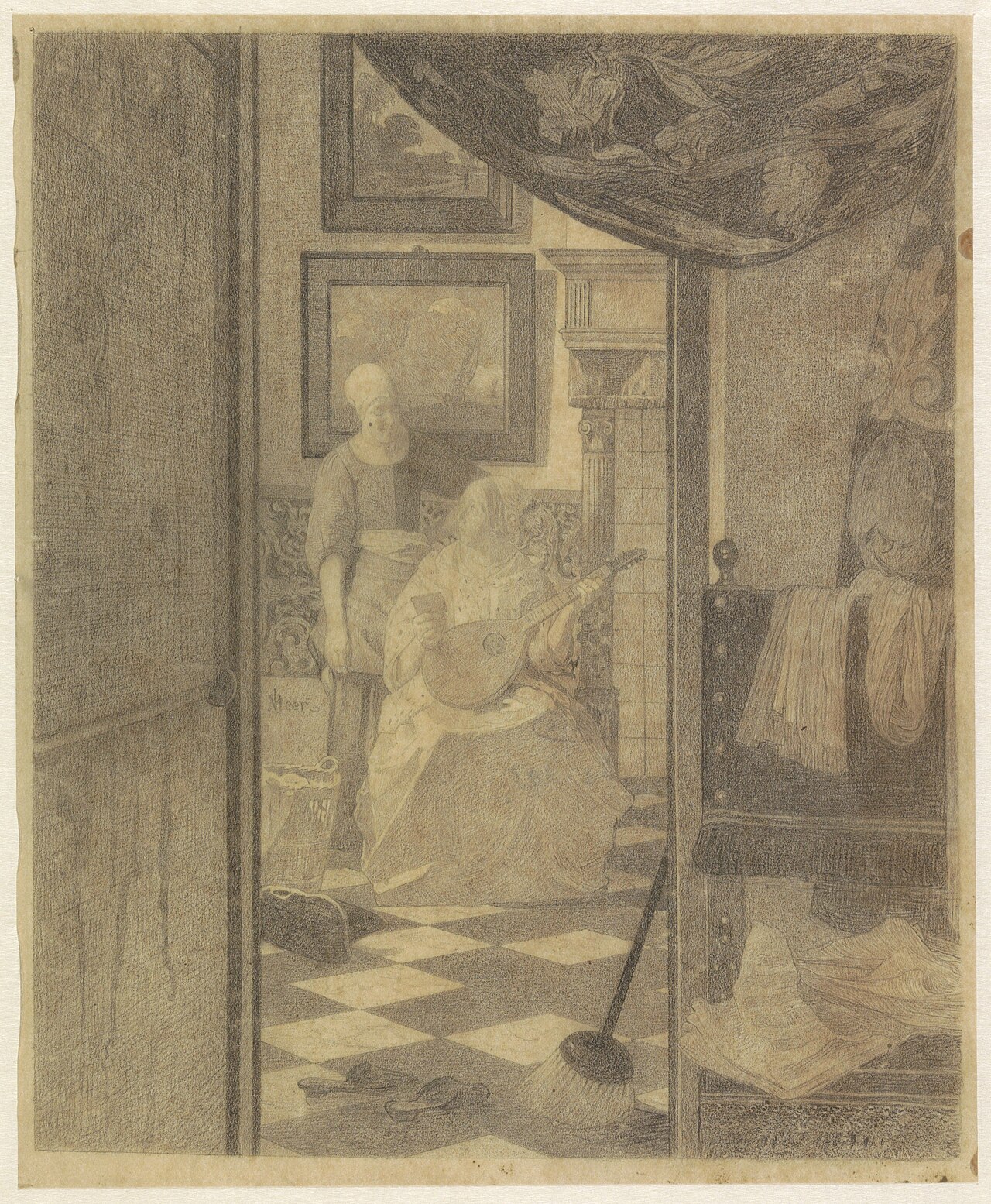
The Love Letter (drawing by Jan Veth)
Jan Veth · between 1874 and 1925
A pencil and chalk drawing by Jan Veth copying Vermeer's painting The Love Letter, showing how later artists studied his work.
This later drawing copies one of Vermeer's paintings, showing how his work was studied and reproduced after his death.
About this source
What it is
This is a pencil and black chalk drawing on parchment made by the Dutch artist Jan Veth between 1874 and 1925, copying a painting by Johannes Vermeer. It shows a woman in a light robe playing a lute while a servant stands nearby, with a broom and a curtained bed in the room. It is now held at the Rijksmuseum.
Why it matters
The drawing is not by Vermeer himself but by a later artist who studied and reproduced his composition. It shows how Vermeer's paintings continued to be copied and admired long after his death, helping to keep his work known and studied.
Look closer
- What details of the room can you spot, and what might they tell us about daily life?
- Why might an artist in the 1800s choose to copy a painting instead of inventing a new scene?
- What might be missing from a copy that the original painting could show?
This painting is part of the curated material that grounds the AI version of Johannes Vermeer on Humy.ai — when students ask about related events, the AI can quote it and cite it.
More Johannes Vermeer sources
Browse all 95 →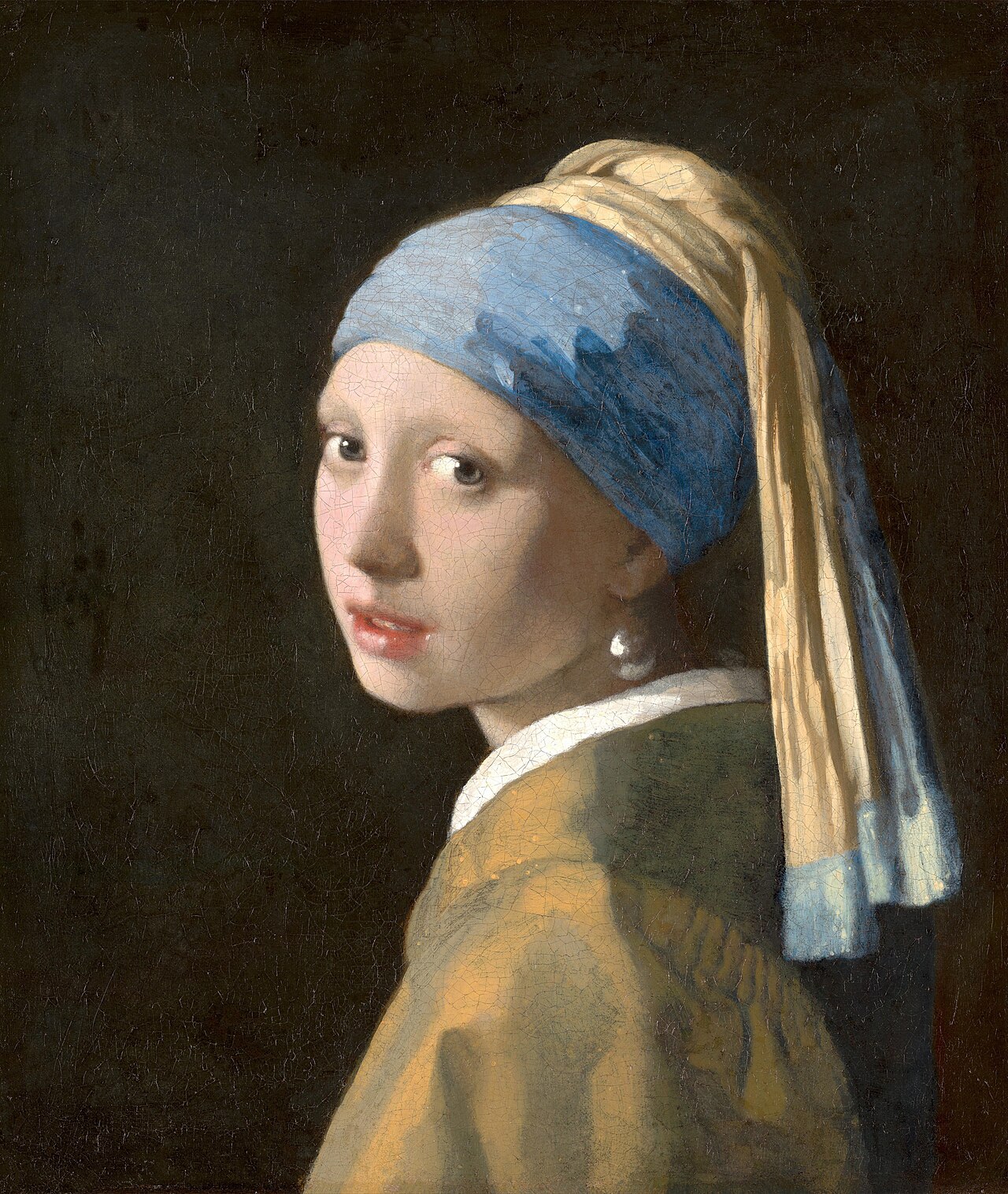 Painting
Primary source
Girl with a Pearl Earring
Johannes Vermeer · c. 1665
 Painting
Primary source
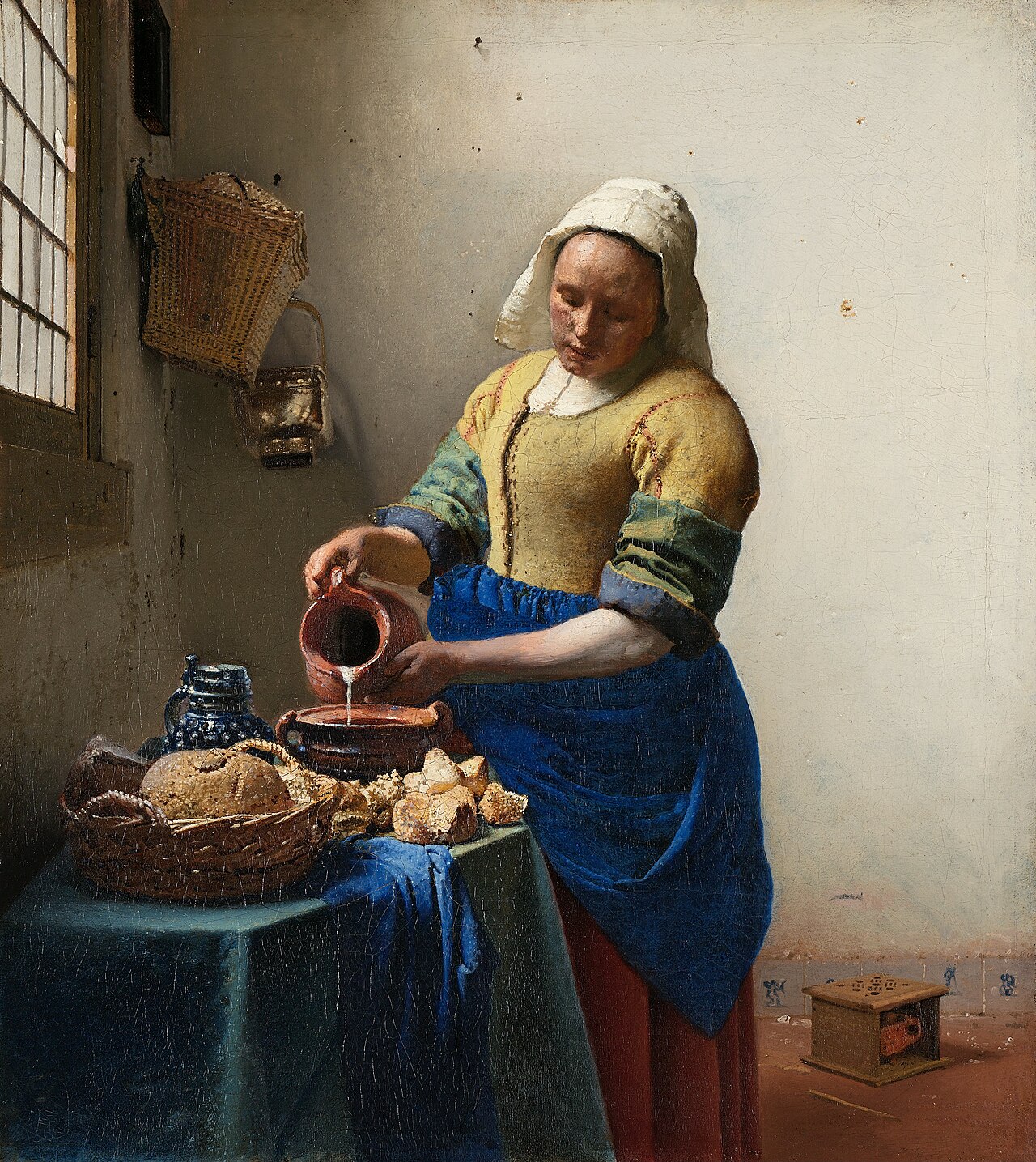
The Milkmaid
Johannes Vermeer · c. 1658-1661
 Painting
Primary source
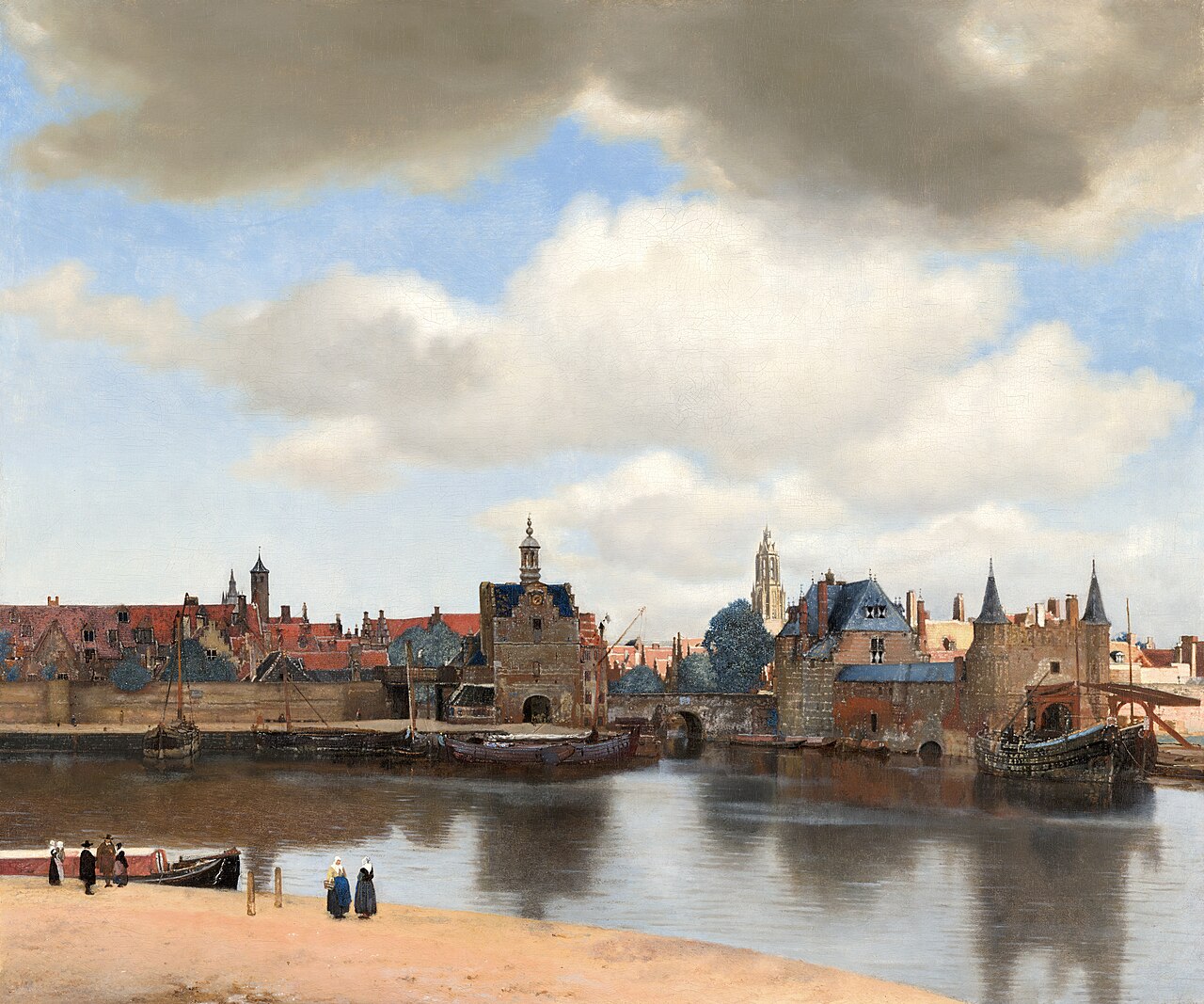
View of Delft
Johannes Vermeer · c. 1659-1661
 Painting
Primary source
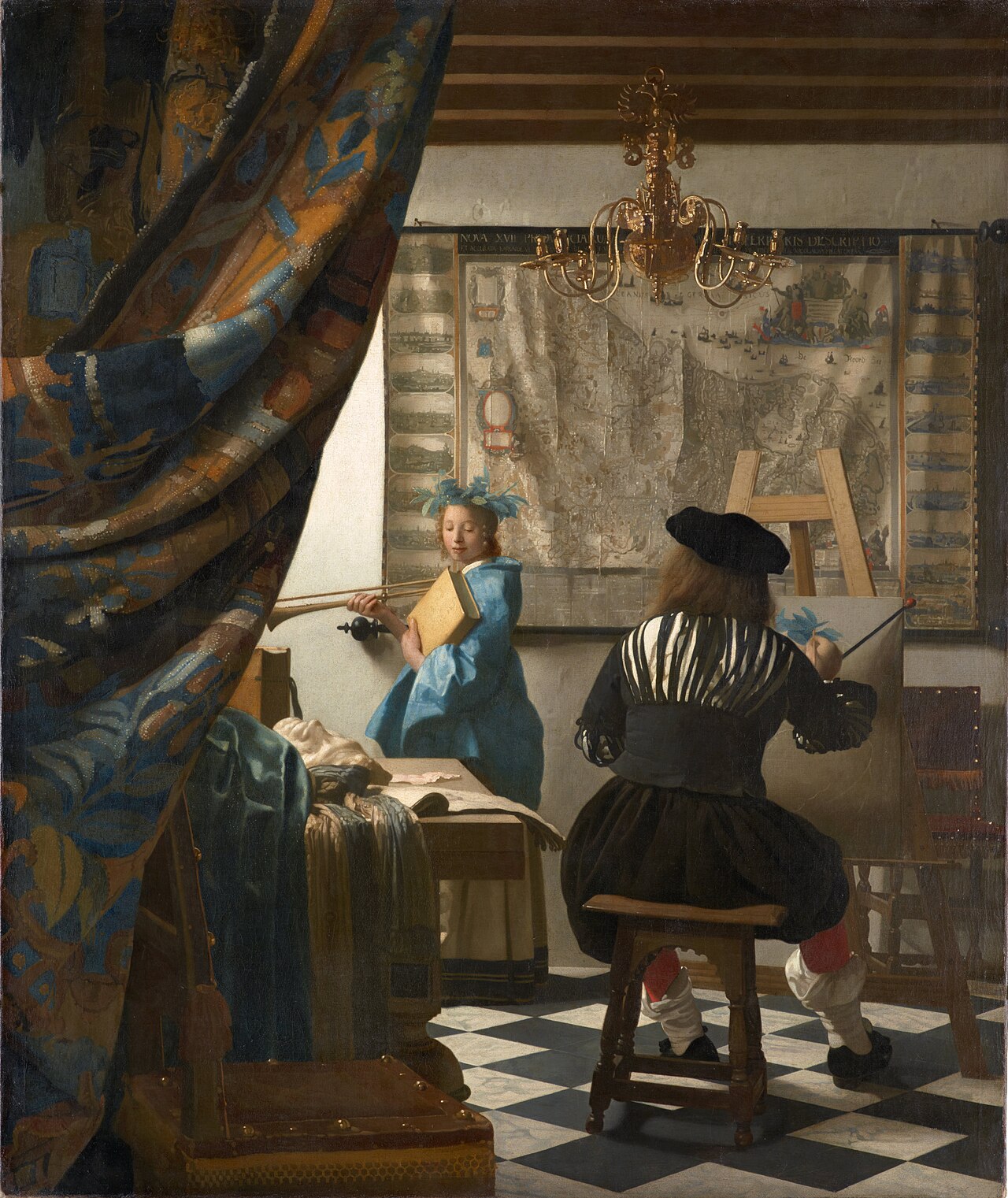
The Art of Painting
Johannes Vermeer · c. 1665-1668
Free account
Read every Johannes Vermeer source
Sign up free →
Ready when you are
Start chatting with Johannes Vermeer now.
20 messages free · No credit card · Available in 50+ languages.