


Primary sourceBook1912
The Machine
Upton Sinclair · 1912
A play by Upton Sinclair from his 1912 collection Plays of Protest, in which Socialist activists show a rich man's daughter the truth about her society. This entry is a LibriVox audio reading.
This play by Sinclair from his Plays of Protest shows his socialist political views put on stage, a theme found across his writing.
About this source
What it is
The Machine is a play by Upton Sinclair, published in 1912 as part of his collection Plays of Protest. It has three acts set in a model tenement on the Lower East Side, a country house on Long Island and a private office on Wall Street. The characters include Julia Patterson, a magazine writer, the Socialist Jack Bullen, the traction king Jim Hegan and the slum girl Annie Roberts. The text is in English. This entry is an audio reading by LibriVox volunteers, not a recording of Sinclair's voice.
Why it matters
The play reflects the progressive and socialist views found in Sinclair's other writing. It shows how Socialist activists try to open the eyes of a rich man's daughter to the conditions of the poor and the power of business leaders. The character Allan Montague also appears here, linking the play to Sinclair's other works about New York.
Look closer
- Which characters represent the wealthy, and which represent working people, and how does the play set them against each other?
- Why might Sinclair have chosen the stage to argue for political change in 1912?
- What viewpoints or groups does the play leave out of its picture of the city?
This book is part of the curated material that grounds the AI version of Upton Sinclair on Humy.ai — when students ask about related events, the AI can quote it and cite it.
More Upton Sinclair sources
Meet the AI Upton Sinclair →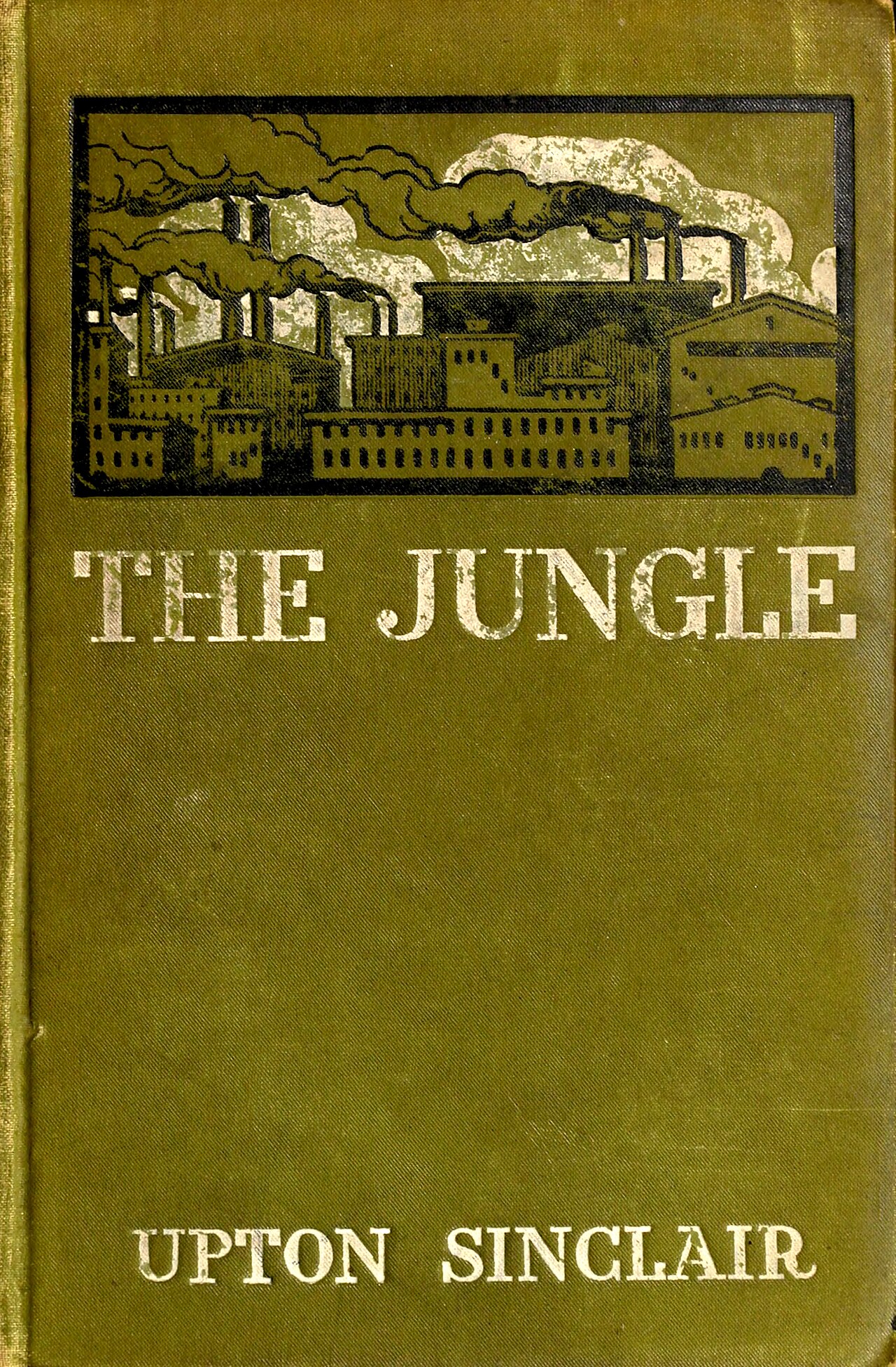 Book
Primary source
The Jungle
Upton Sinclair · 1906
Primary source
Pure Food and Drug Act
1906
 Photograph
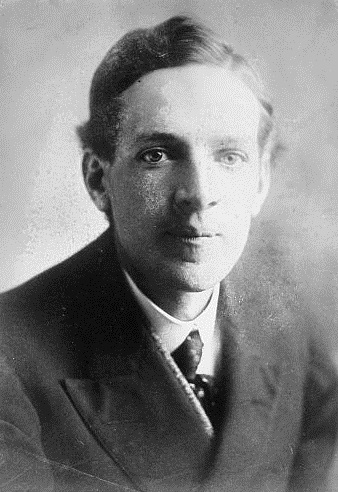
Primary source
Upton Sinclair Early in His Career
Bain Collection
Primary source
The Brass Check
Upton Sinclair · 1919
 Photograph
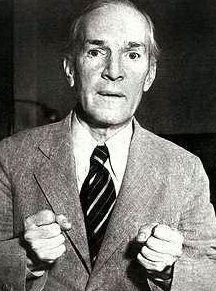
Primary source
Upton Beall Sinclair Jr. on Time Magazine
International · 1934
Ready when you are
Start chatting with Upton Sinclair now.
20 messages free · No credit card · Available in 50+ languages.