


Primary sourcePaintingwinter 1868-1869
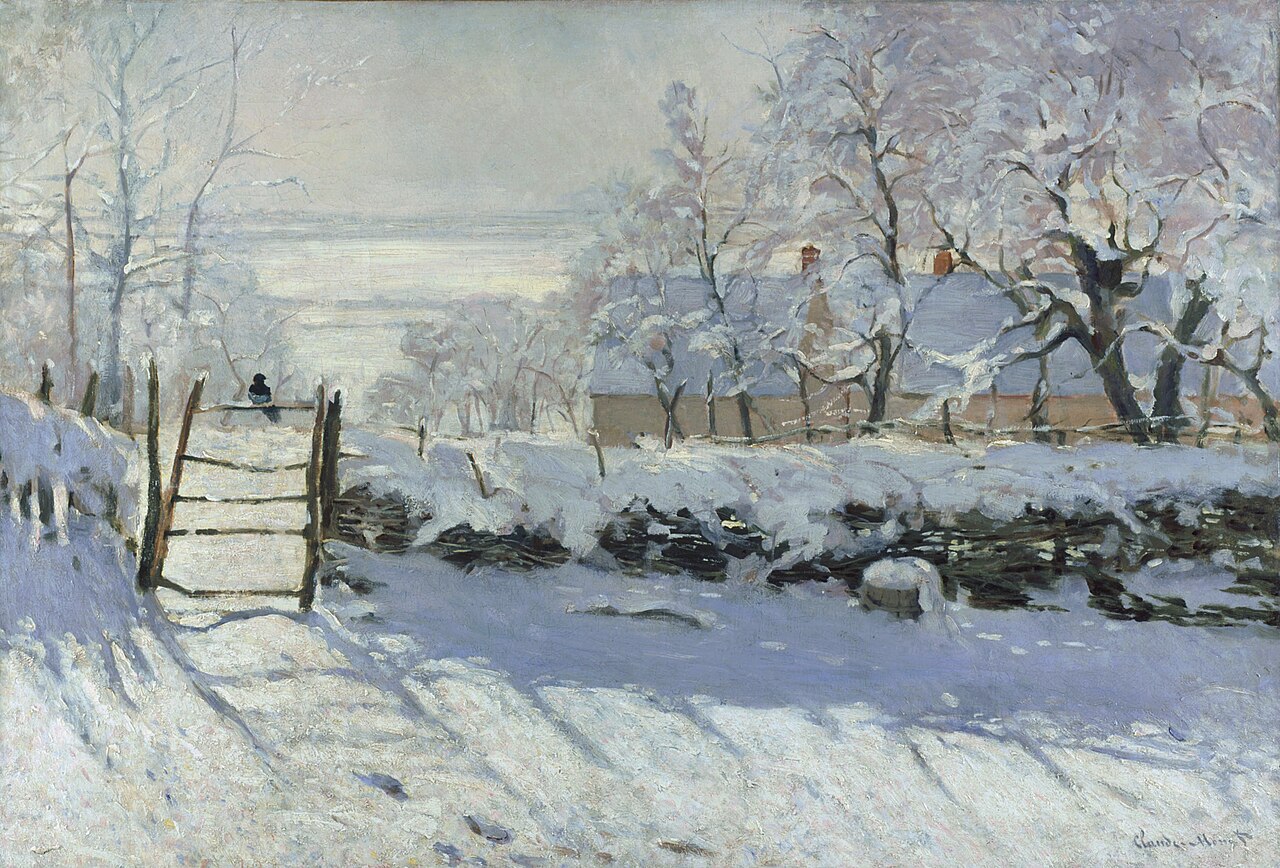
The Magpie
Claude Monet · winter 1868-1869
A snow landscape painted by Monet near Étretat in the winter of 1868-69, famous for its use of coloured shadows and rejected by the Paris Salon.
One of Monet's earliest major snowscapes, showing his break from academic tradition through coloured shadows.
About this source
What it is
An oil-on-canvas landscape painted by Claude Monet during the winter of 1868-69 near Étretat in Normandy, showing a magpie perched on a snow-covered gate. It is now held at the Musée d'Orsay and is one of Monet's largest winter paintings.
Why it matters
At the time it was painted, Monet was living with his partner Camille Doncieux and their newborn son, supported by his patron Louis Joachim Gaudibert. The painting uses blue-tinted shadows on the snow instead of the black shadows expected by academic tradition, an early example of the colour theory that would become central to Impressionism. The Paris Salon rejected it in 1869, showing how far Monet's methods broke with official taste of the time.
Look closer
- Look at the shadows on the snow — what colours has Monet used, and why might that have seemed radical?
- Why do you think the Salon jury rejected this painting?
- What mood does the solitary magpie and quiet farmhouse create?
This painting is part of the curated material that grounds the AI version of Claude Monet on Humy.ai — when students ask about related events, the AI can quote it and cite it.
More Claude Monet sources
Meet the AI Claude Monet →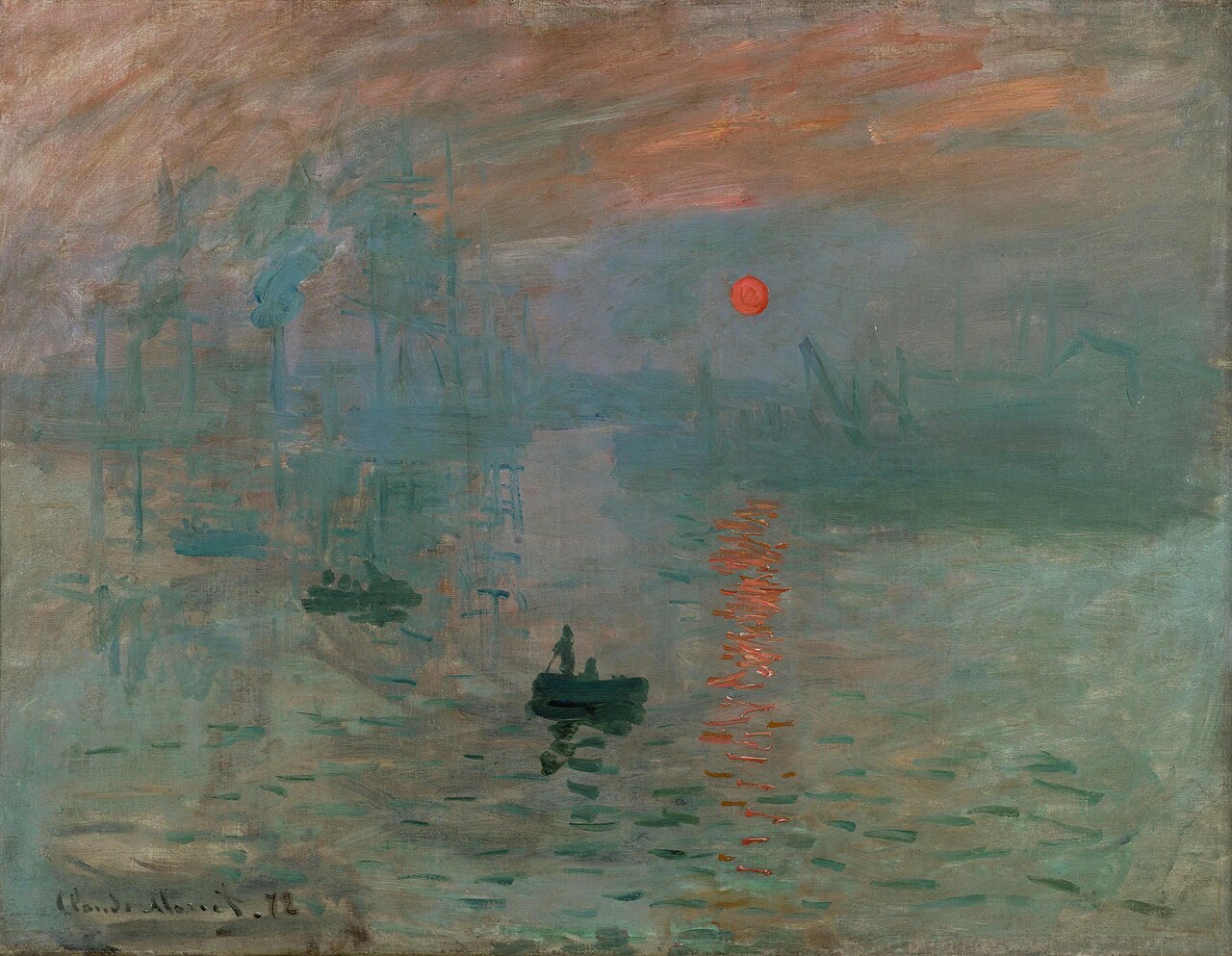 Painting
Primary source
Impression, Sunrise
Claude Monet · 1872
 Painting
Primary source
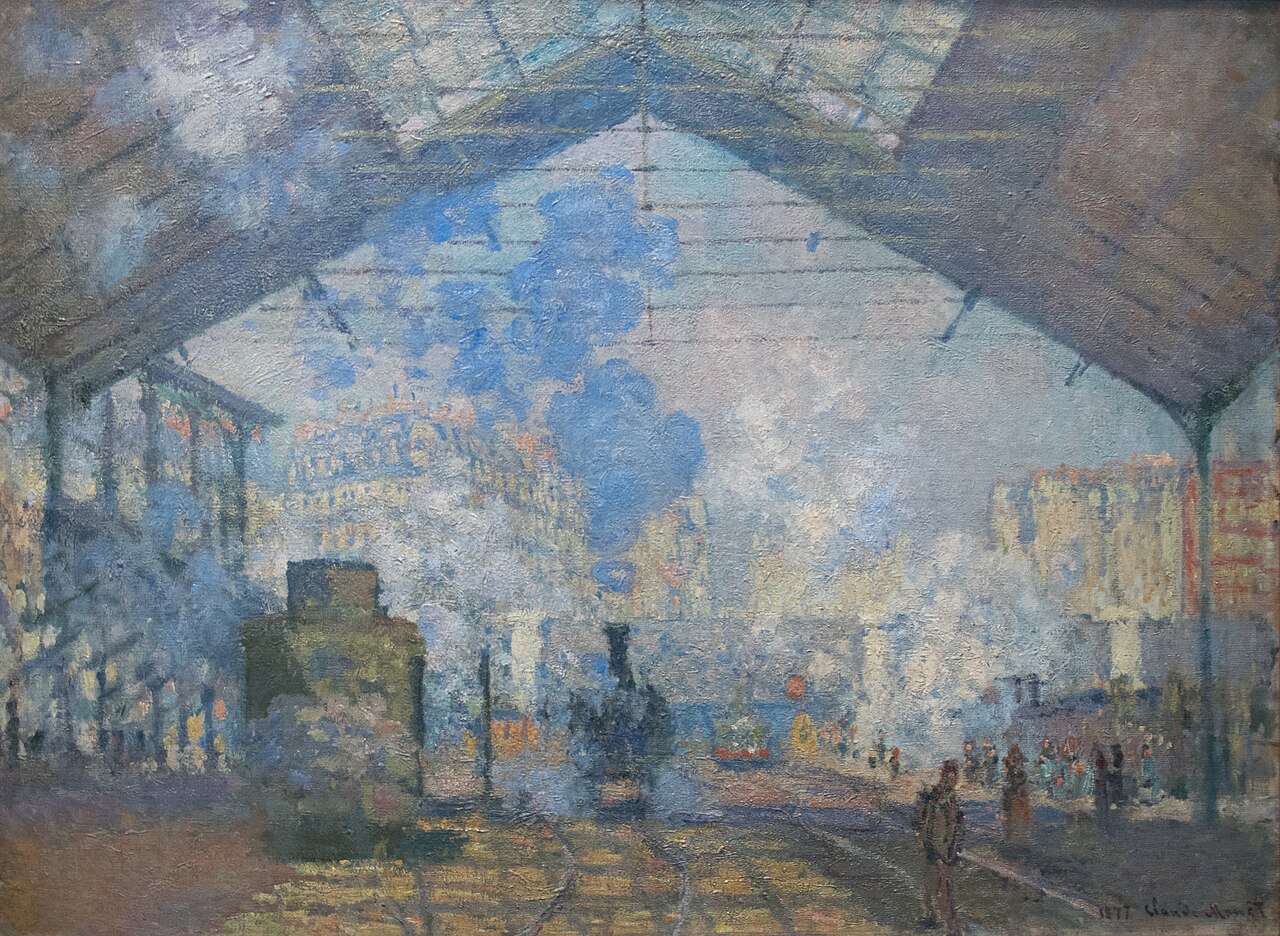
La Gare Saint-Lazare
Claude Monet · 1877
 Painting
Primary source
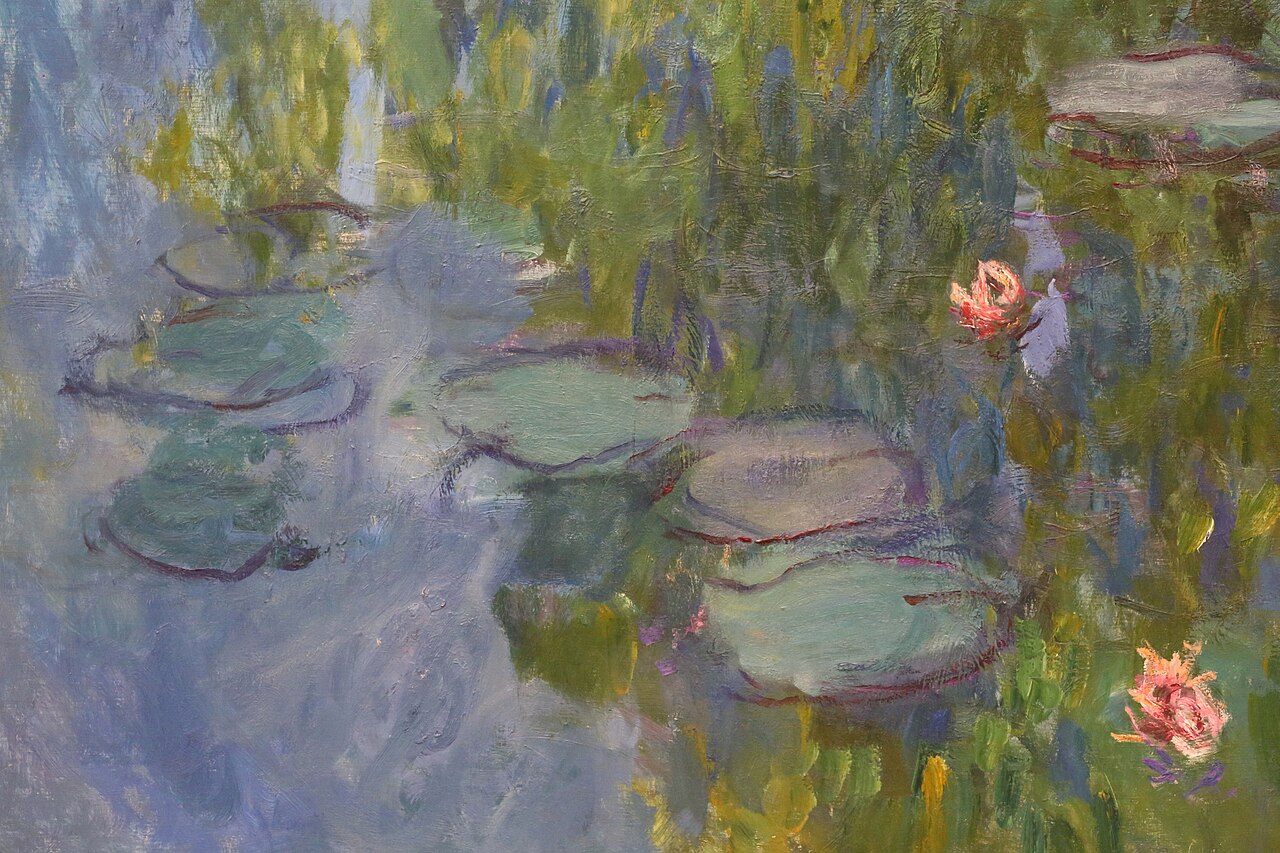
Water Lilies
Claude Monet · 1899 onward
 Painting
Primary source
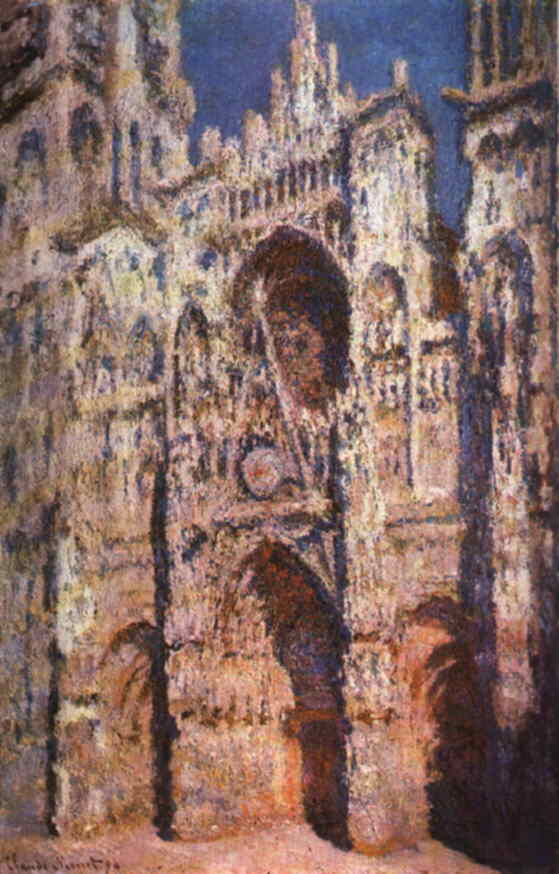
Rouen Cathedral Series
Claude Monet · 1892-1894
 Painting
Primary source
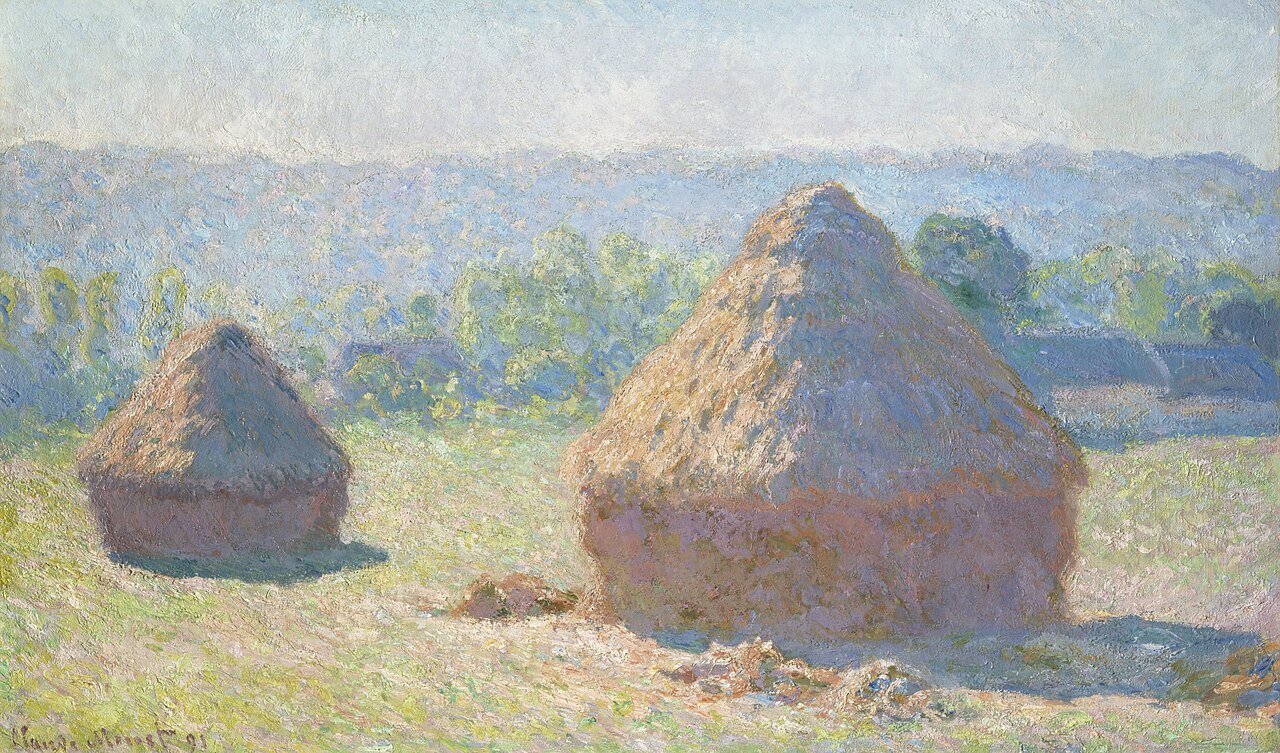
Haystacks
Claude Monet · 1890-1891
Ready when you are
Start chatting with Claude Monet now.
20 messages free · No credit card · Available in 50+ languages.