


Primary sourceBook1524
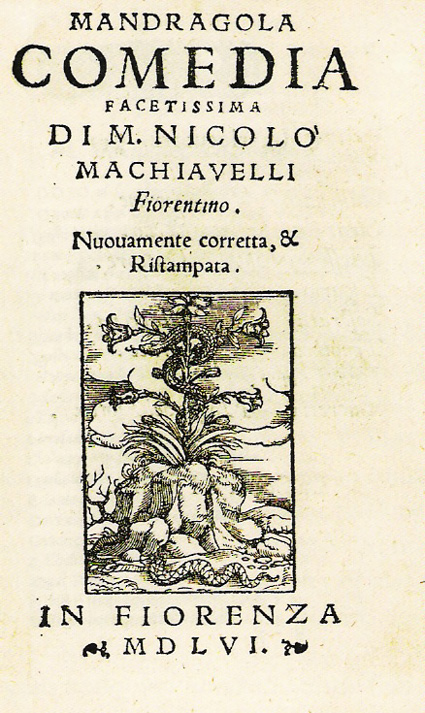
The Mandrake
Niccolò Machiavelli · 1524
A satirical comedy by Machiavelli, published in 1524, that mocks Florentine society and the clergy through a scheme of seduction and deceit.
A comedy written by Machiavelli showing his wit and view of human cunning applied to private, non-political life.
About this source
What it is
The Mandrake is a five-act comedy by Niccolò Machiavelli, published in 1524. It tells the story of a young man who schemes, with the help of a corrupt priest, to seduce the wife of an old fool desperate for a son.
Why it matters
Though it deals with private rather than political affairs, some scholars see the play's cunning and opportunism as a mirror of the ideas in Machiavelli's political treatises. Its sharp satire of Florentine society and the clergy shows Machiavelli applying his view of human nature to everyday life, not just statecraft. The play was a popular success in his own lifetime.
Look closer
- How might the play's trickery relate to the ideas about deception and power found in Machiavelli's political writing?
- Why might satire of the clergy have been a provocative choice for Machiavelli's time?
- What does the play's popularity suggest about Florentine attitudes toward religion and morality?
This book is part of the curated material that grounds the AI version of Niccolo Machiavelli on Humy.ai — when students ask about related events, the AI can quote it and cite it.
More Niccolo Machiavelli sources
Meet the AI Niccolo Machiavelli →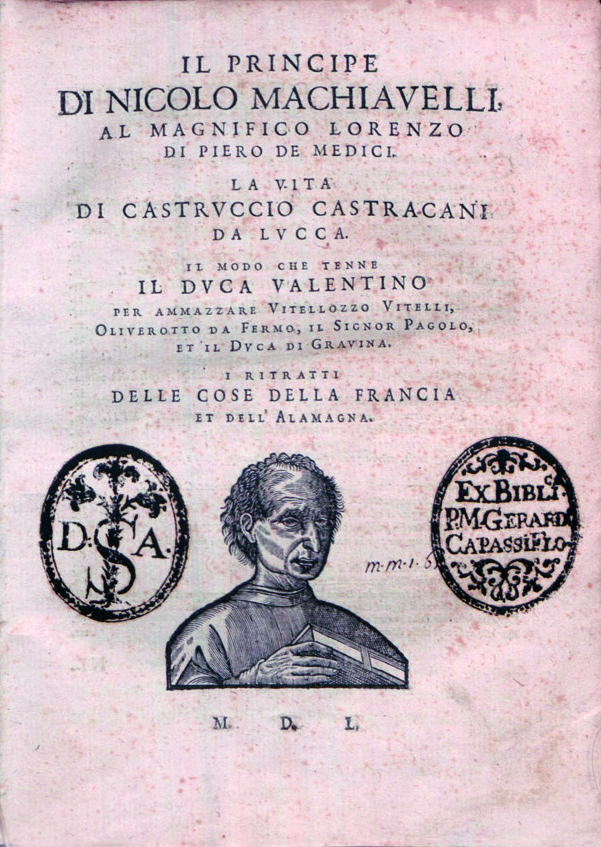 Book
Primary source
The Prince
Niccolò Machiavelli · 1513
Primary source
Letter to Francesco Vettori
Niccolò Machiavelli · 10 December 1513
 Book
Primary source
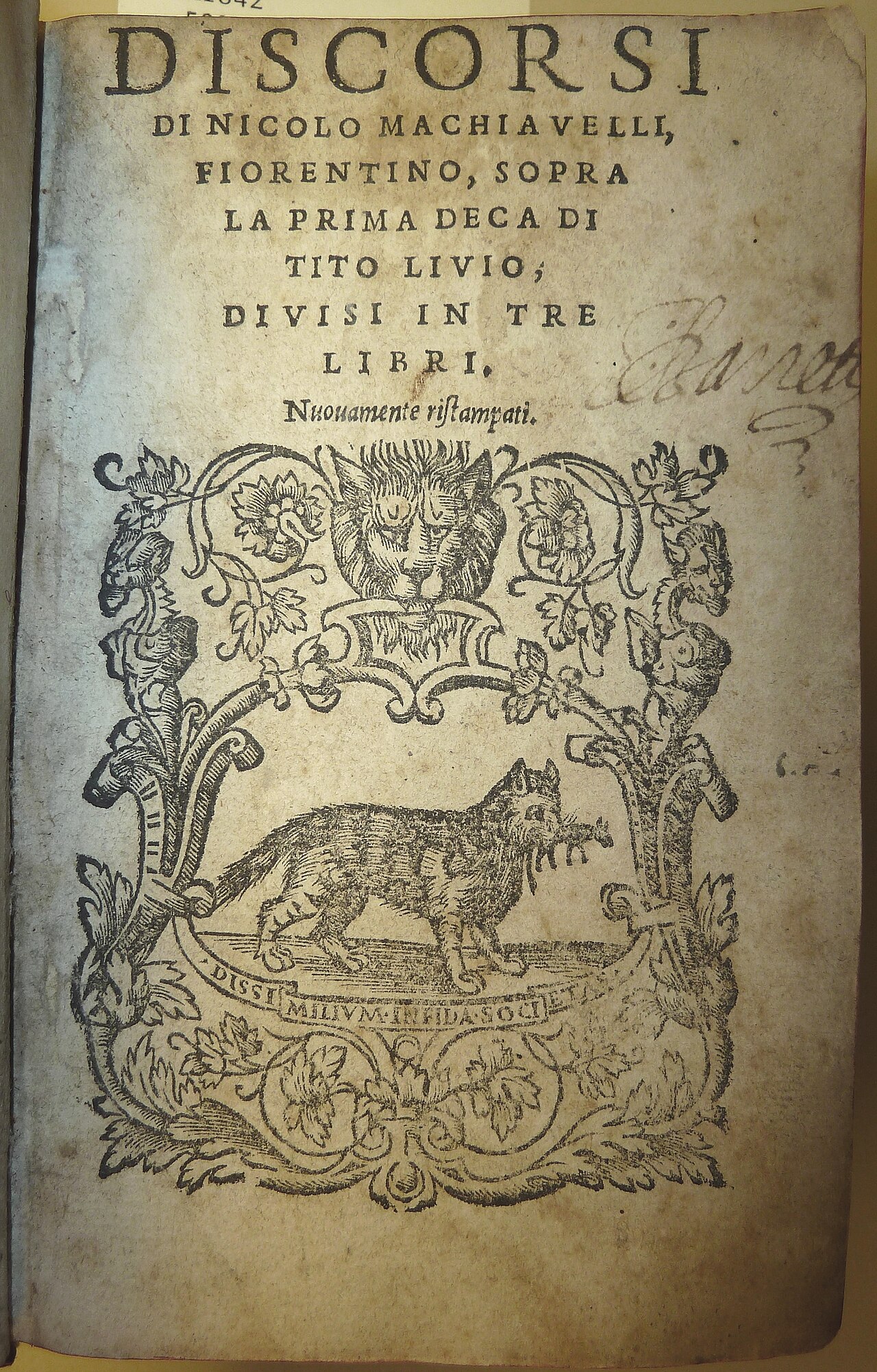
Discourses on Livy
Niccolò Machiavelli · c. 1517, published 1531
 Painting
Secondary source
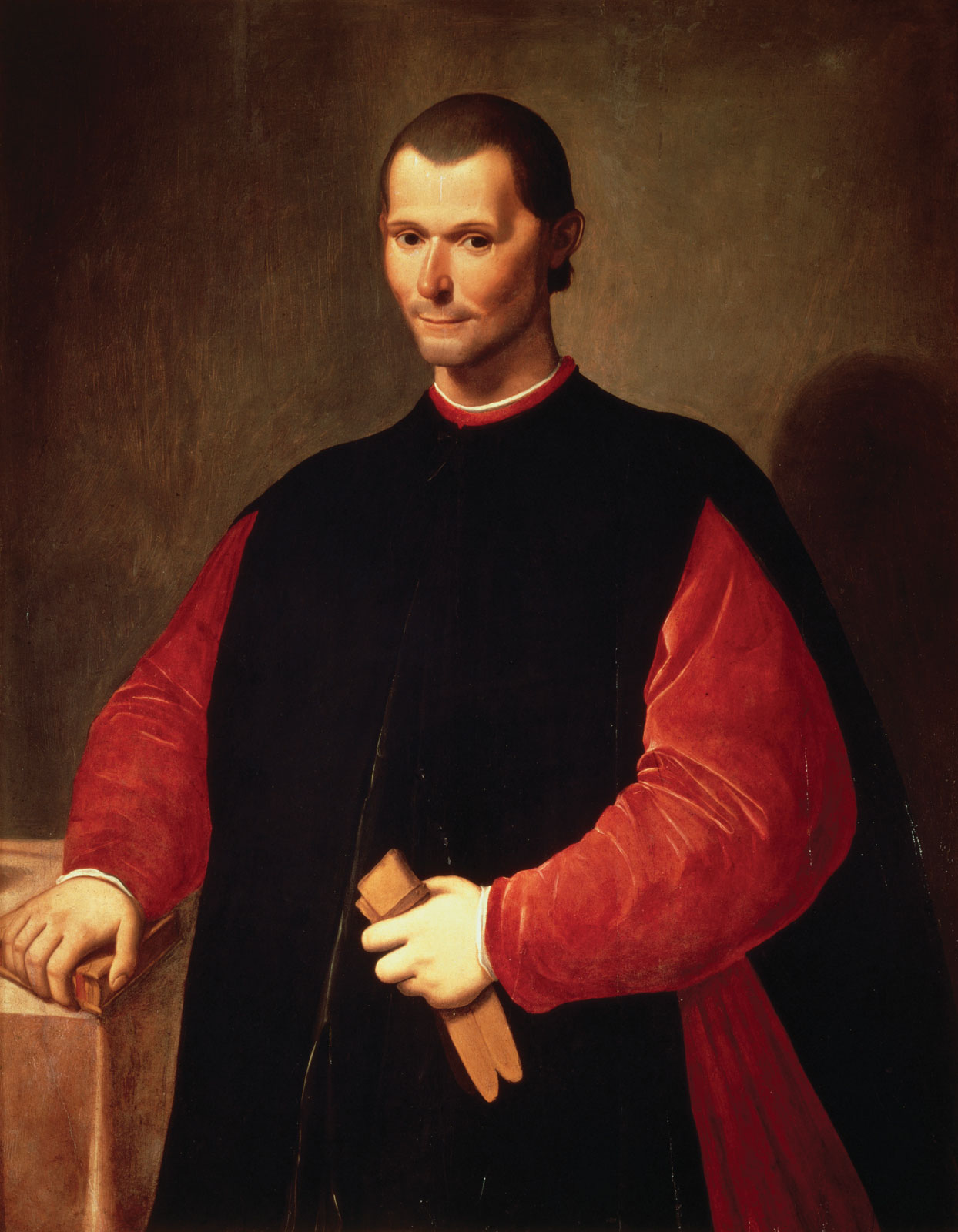
Portrait of Niccolò Machiavelli
Santi di Tito · late 16th century
 Book
Primary source
Florentine Histories
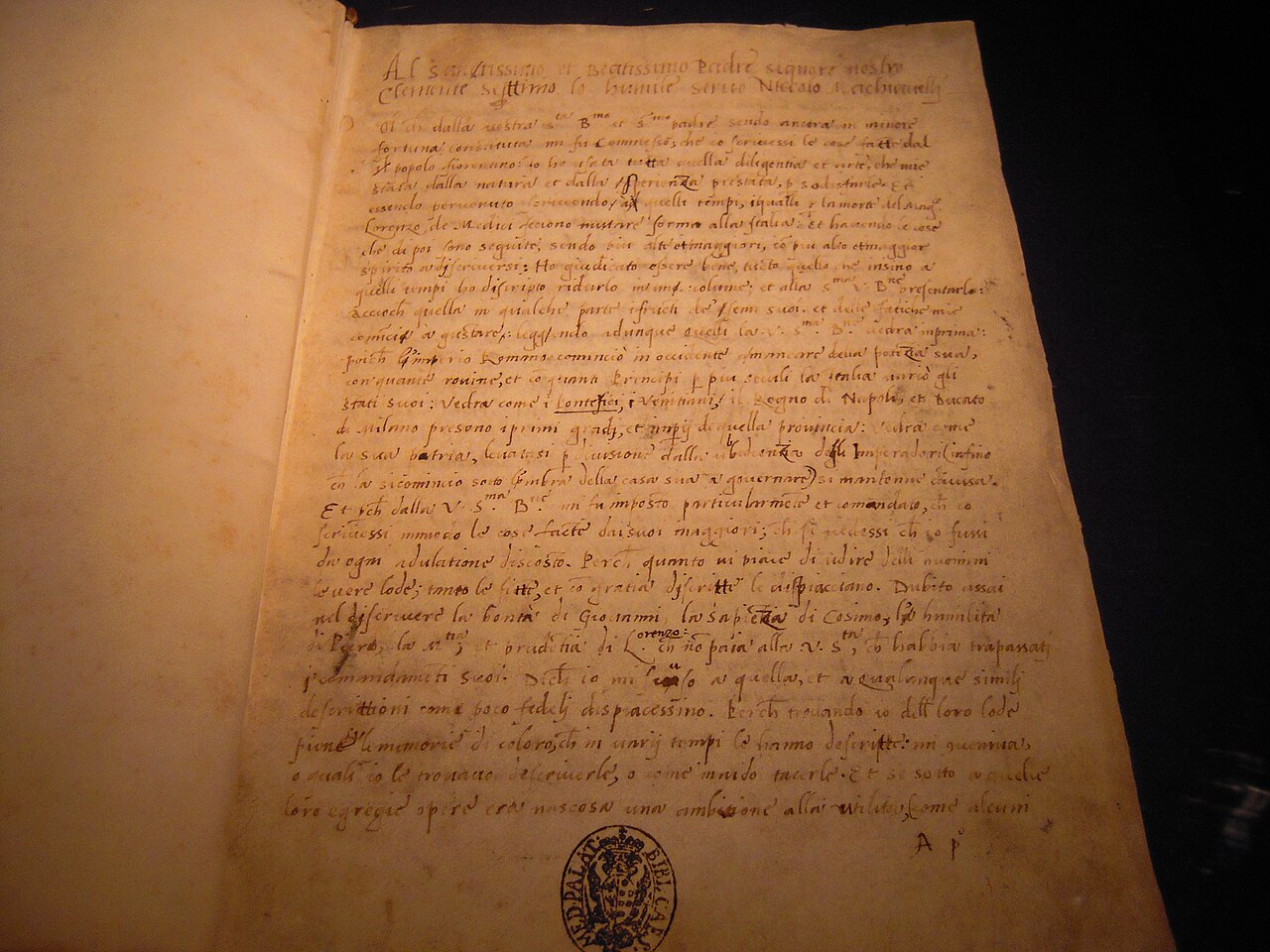
Niccolò Machiavelli · commissioned 1520, presented 1526, published 1532
Ready when you are
Start chatting with Niccolo Machiavelli now.
20 messages free · No credit card · Available in 50+ languages.